© PAHO
When a health threat emerges in the Americas – anywhere from Canada to Chile – a system activates: verification in Washington, D.C., immediate dialogue with the affected country, technical guidance, laboratory support, and, where needed, expert deployment on the ground. This is where PAHO’s value becomes more visible.
Health security is the capacity to prevent, detect, and respond to public health threats – threats that can disrupt not only health systems but entire economies and social development. COVID-19 made this clear: when people cannot stay healthy, they cannot work, economies stall, and communities suffer.
PAHO’s approach rests on two pillars. The first is strengthening national capacity: every country must be ready to prevent, detect, and respond. This means laboratory systems, trained healthcare workers, health information systems, and preparedness for current and emerging threats. The window to contain an outbreak at its source is often narrow – if countries are not ready to act in that moment, some pathogens spread so quickly that containment becomes nearly impossible.
The second pillar is a regional platform that brings together information from all countries. PAHO operates a surveillance system that runs 24 hours a day, 7 days a week, scanning for signals like “fever,” “outbreak,” “unusual deaths,” and “new disease.” When the system identifies a potential threat, PAHO engages with the relevant country to verify the information, then shares findings transparently with all Member States – ensuring every country can prepare based on the best available evidence.
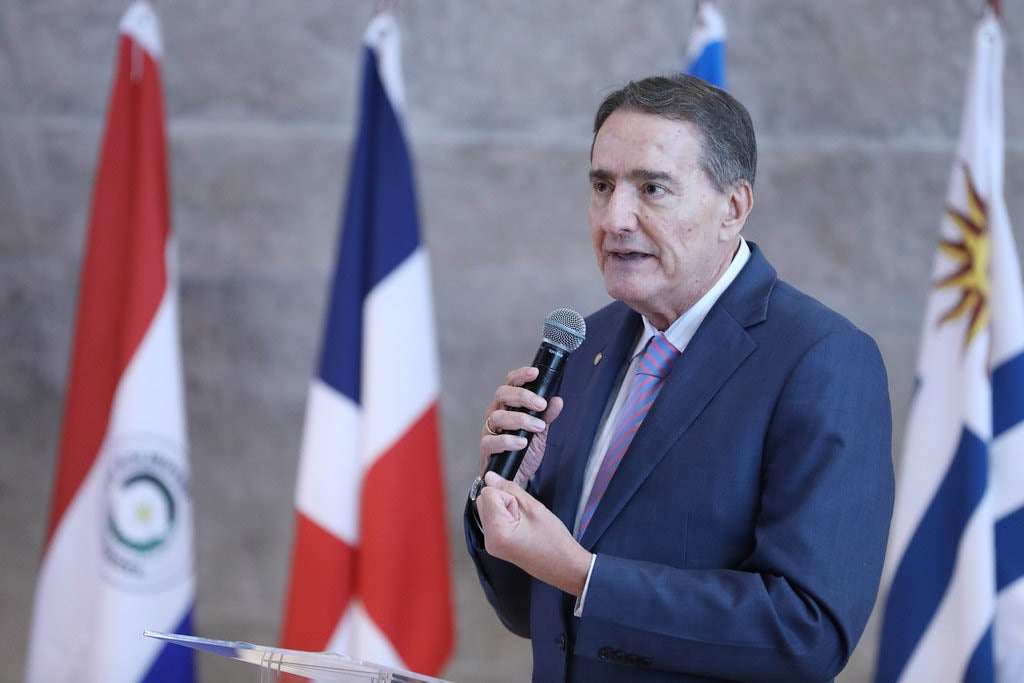
“Health security is in our own DNA. PAHO was created to share information, transparency-based, and to provide a platform where countries can come together to better coordinate their common efforts to contain outbreaks and epidemics.”
Jarbas Barbosa da Silva Jr., PAHO Director
PAHO's surveillance system analyzed 2.1 million signals from multiple sources in 2025. This process, combined with 78 events officially reported by National IHR Focal Points, resulted in the detection of 157 public health events.
These events triggered 27 epidemiological alerts on priority threats.
Member States received 248 daily summaries of events with potential international implications, plus 1210 technical reports and 572 geospatial analyses.
Behind this output: 37 924 communications with National IHR Focal Points for verification and coordinated response.

In 2025, PAHO consolidated critical advances in epidemic intelligence, early warning systems, and emergency preparedness – positioning the Americas as a global leader in integrated health security.
The Americas developed and agreed on a protocol to accelerate information exchange between national public health laboratories and National IHR Focal Points. This Member State-driven process positions the Region as a global pioneer in integrated, trust-based information-sharing for decision-making.
Following the adoption of the Strategy on Epidemic Intelligence for Strengthening Early Warning of Health Emergencies 2024–2029 by the 61st PAHO Directing Council, countries of the Americas reached consensus on a Regional Action Plan with four strategic lines of actions to guide implementation and monitor progress – the first region in the world to translate an epidemic intelligence strategy into an agreed implementation framework.
PAHO finalized a regional package for community event-based surveillance, including guidelines, a digital reporting tool, and structured exchanges among Member States – transforming fragmented approaches into a shared regional framework.
Through work with countries connected by the Bioceanic Corridor in South America, PAHO strategically repositioned public health intelligence within regional development, economic, and trade agendas – a new model of multilateral technical cooperation.
PAHO supported Member States revising institutional structures for health emergency preparedness within ministries of health. One example is Chile where the structural review led to the creation of the Division of Health Emergencies, aimed at strengthening preparedness and response capacities. This reform has since provided a model for countries undertaking similar reforms throughout the Region.
PAHO conducted the first consolidated regional analysis of field epidemiology training programs, identifying capacities, gaps, and good practices – providing countries with evidence for workforce planning and strengthening early warning and outbreak response.
PAHO maintained and updated 11 interactive dashboards covering priority diseases, including influenza (human and avian), yellow fever, cholera, arbovirus-transmitted diseases, and other emerging threats. A natural hazards and public health emergencies geo-hub supports awareness, assessment, and response to natural disasters in real time, while the PAHO Health Emergencies Interactive Atlas integrates epidemiological data, environmental risk information, and health system vulnerability indicators.
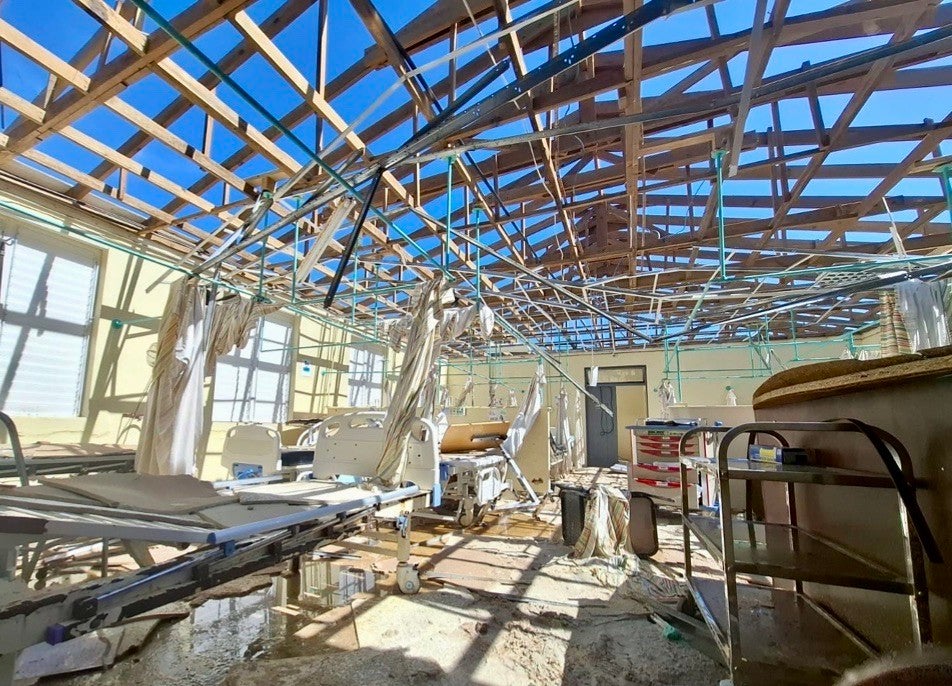
In 2025, this combination of early warning and coordinated response was tested by yellow fever expanding beyond traditional endemic areas, Oropouche virus reaching new territories, and Hurricane Melissa devastating parts of the Caribbean.
deaths confirmed in Jamaica alone
major hospitals severely damaged in Jamaica
Emergency Medical Teams activated
tons of medical supplies deployed
smart health facilities remained operational
Emergency medical kits were already in place in Haiti before the hurricane season. PAHO’s Emergency Operations Center in Washington, D.C., activated before landfall, coordinated with ministries of health across the projected path.
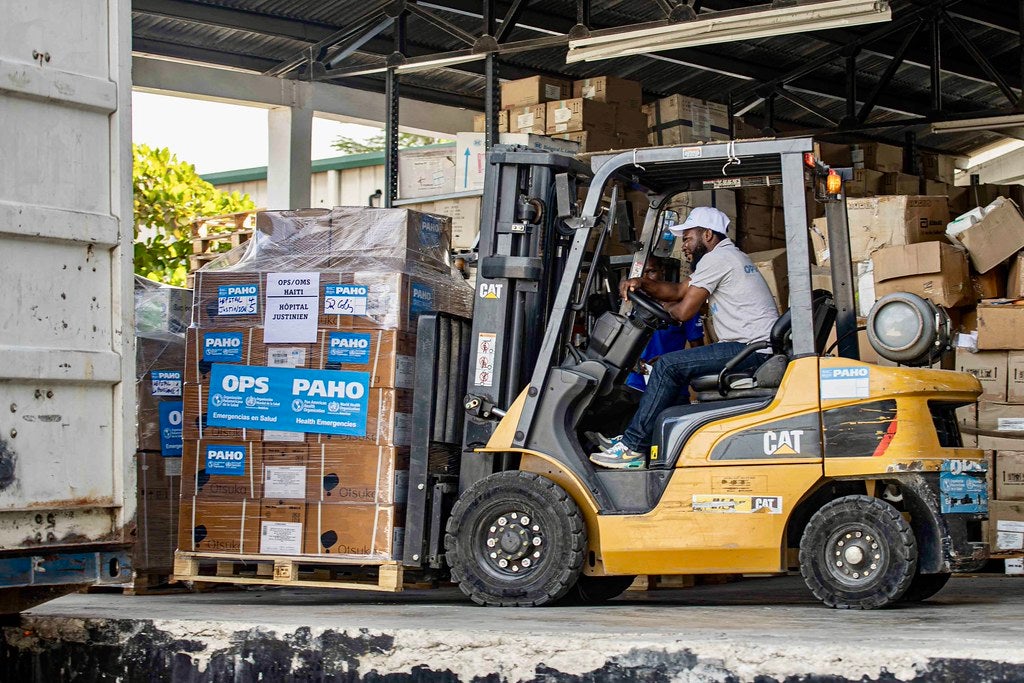
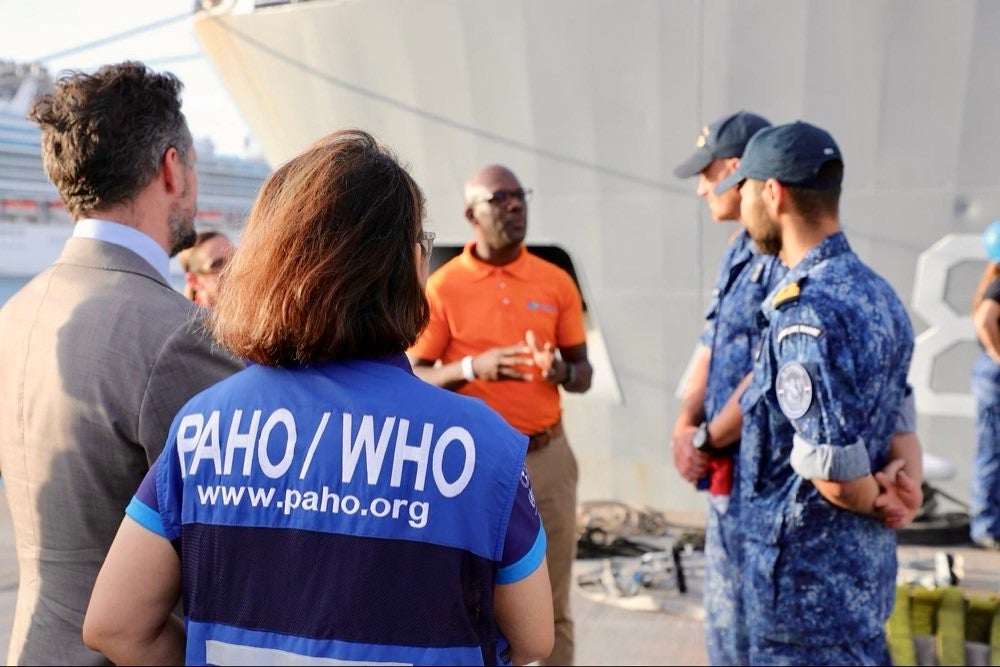
Within days, more than 13 tons of supplies were shipped from PAHO’s Regional Strategic Reserve in Panama to affected countries across the Caribbean, including a 5.5-ton shipment to Haiti with interagency emergency health kits for 10 000 people, trauma and surgery kits, water storage tanks, mosquito nets, and personal protective equipment.
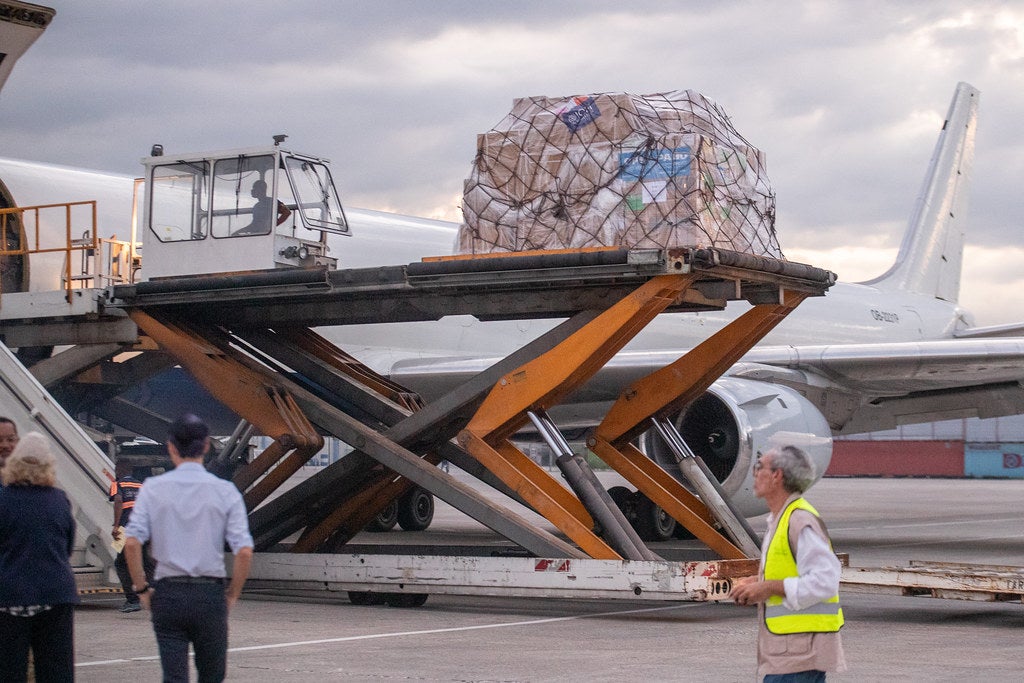
PAHO coordinated the deployment of two Type 2 EMTs to Jamaica: Samaritan’s Purse established a temporary hospital, replacing the destroyed Black River Hospital; the Spanish Agency for International Development Cooperation (with support from the European Union) set up a field hospital in Trelawny – restoring surgical capacity and 24-hour emergency services.
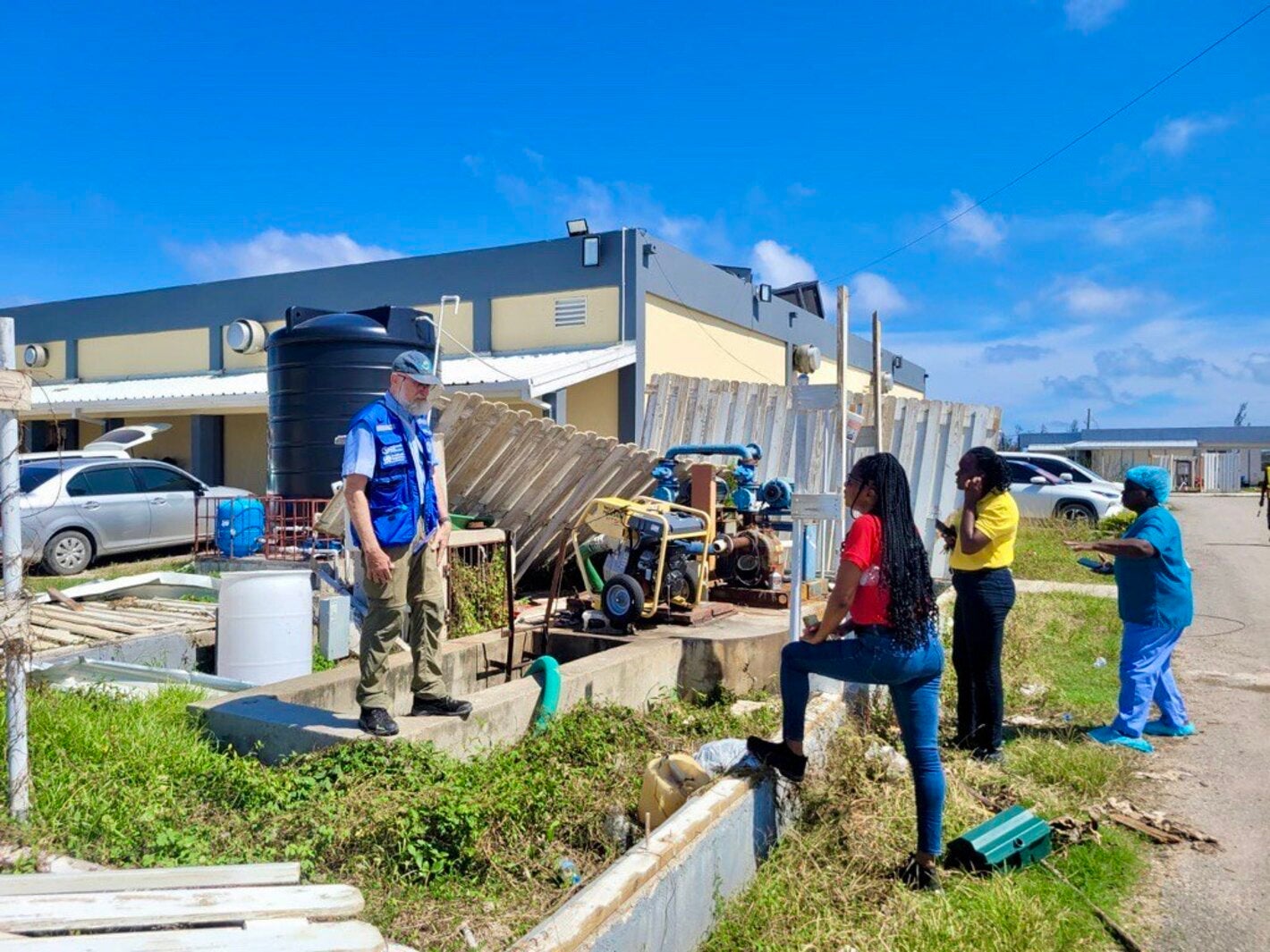
PAHO deployed 12 international specialists to Jamaica for damage assessments, environmental health, mental health and psychosocial support, and humanitarian coordination.
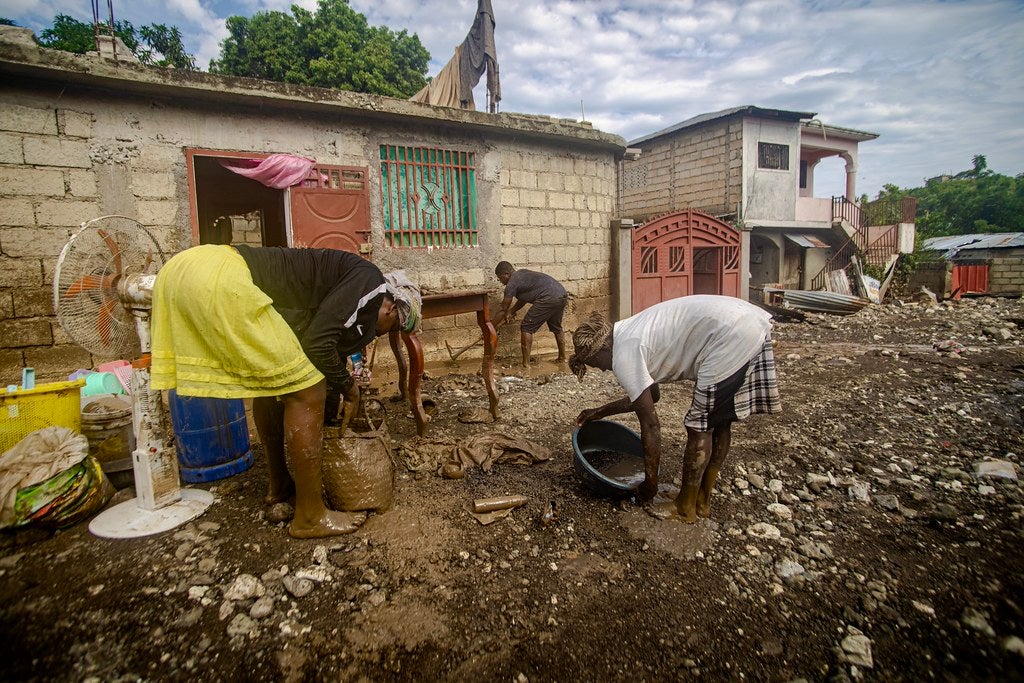
In a country where more than one million people were already displaced by violence, PAHO teams assessed displacement sites, delivered supplies, and disseminated cholera prevention messages after flooding affected 15 000 additional people.
The Santa Cruz Health Centre in southwest Jamaica and all the other three smart health facilities remained fully operational throughout the Category 4 hurricane. Retrofitted to smart hospital gold standards under PAHO’s initiative and handed over in January 2024, its performance demonstrated what investing in resilient infrastructure achieves: continuity of care when communities need it most.
Cases of yellow fever increased more than fourfold – from 61 cases and 30 deaths in 2024 to 341 cases and 146 deaths in 2025 – concentrated in Brazil (119, including 47 deaths), Colombia (125, including 51 deaths), Peru (46, including 18 deaths), the Bolivarian Republic of Venezuela (31, including 19 deaths) Ecuador (11, including 8 deaths), the Plurinational State of Bolivia (8, including 2 deaths), and Guyana (1 case, 1 death).
Transmission appeared outside traditional Amazon endemic zones – including São Paulo State, Brazil, and Tolima Department, Colombia. Sylvatic yellow fever near densely populated areas raises the risk of urban outbreaks.
Almost all cases occurred in unvaccinated individuals.
Geographical expansion
Cases reported in Brazil (11 988), Panama (710), Peru (330), Cuba (39), Colombia (21), the Bolivarian Republic of Venezuela (5), and Guyana (1). For the first time, autochthonous transmission was detected in urban settings outside the traditional Amazon endemic zone.
Following the historic 2024 outbreak that recorded over 13 million cases, dengue transmission remained elevated in 2025, with 4.47 million cases reported. Brazil accounted for 85% of regional cases (3.8 million), followed by Mexico (145 000), Colombia (125 000), Guatemala (48 000), and Peru (39 000), with about 300 000 cases corresponding to cases reported by other countries in the Americas.
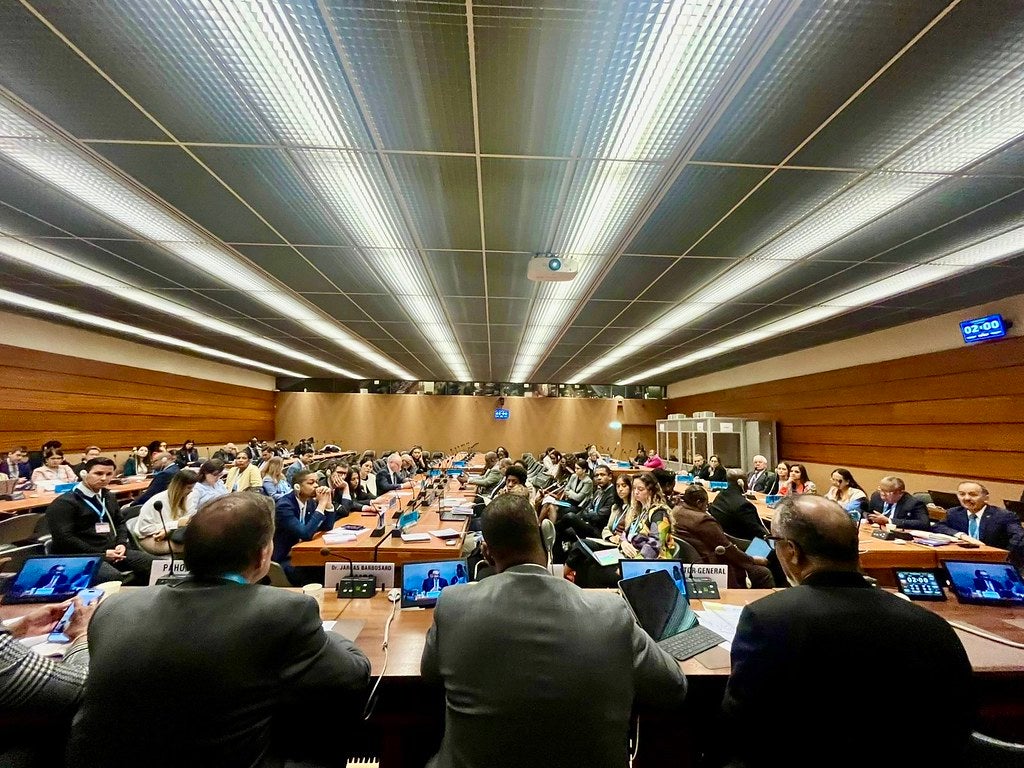
In May 2025, following three years of negotiations, WHO Member States formally adopted by consensus the world’s first Pandemic Agreement – a legally binding accord among 194 countries to strengthen global collaboration on pandemic prevention, preparedness, and response.