© PAHO
The Pan American Health Organization (PAHO) is the world’s oldest international public health organization, founded in 1902 in response to a yellow fever outbreak that originated in Latin America and spread to the United States of America. As the specialized health agency of the inter-American system and the Regional Office for the Americas of the World Health Organization (WHO), PAHO has spent over a century turning regional cooperation into concrete health results – from eradicating smallpox to eliminating measles, rubella, and neonatal tetanus, and reducing child mortality, among its other achievements.
Today, PAHO serves 35 Member States and more than 1 billion people through a unique combination of country presence, regional platforms, and technical expertise that no single nation could sustain alone.
PAHO has its own constitution and individual legal personality, making it a distinct entity within the multilateral system. In 1948, PAHO and WHO signed an agreement under which PAHO serves as the WHO Regional Office for the Americas – without altering its institutional autonomy.
This dual identity gives the Region a powerful advantage
Hover over the cards to see more information
Direct accountability to Member States through PAHO’s own governing bodies.
Access to WHO’s worldwide technical networks, normative guidance, and coordinated response systems.
Ability to set regional priorities, manage resources, and respond to the Americas’ specific health challenges.
PAHO is governed by the Pan American Sanitary Conference (held every five years), the Directing Council (annual), and the Executive Committee. Decisions are made by Member States.
Health Ministers across the Americas share how PAHO's technical cooperation strengthens their national health systems.
Jamaica’s partnership with the Pan American Health Organization has delivered real, measurable impact for our people. In 2025, national emergency preparedness was strengthened through targeted training, improved risk analysis, and a more resilient health system. These investments proved critical when Hurricane Melissa struck.
Dr. Christopher Tufton
Minister of Health and Wellness, Jamaica
We want to thank and recognize the joint work: the progress towards universal health; in the prevention and control of diseases, in mental health and better care for non-communicable diseases, as well as in the elimination of communicable diseases; in the area of emergencies and disasters (...) PAHO has been a fundamental ally. We thank PAHO for its commitment to Chile.
Dr. Ximena Aguilera Sanhueza
Minister of Health, Chile (2022 – 2026)
The collaboration of the Pan American Health Organization has accompanied and strengthened initiatives that the Dominican Republic has defined as fundamental to transforming its health system.
Dr. Víctor Atallah
Minister of Public Health, Dominican Republic
Strengthen regional health security through surveillance, preparedness, and rapid response to emerging threats.
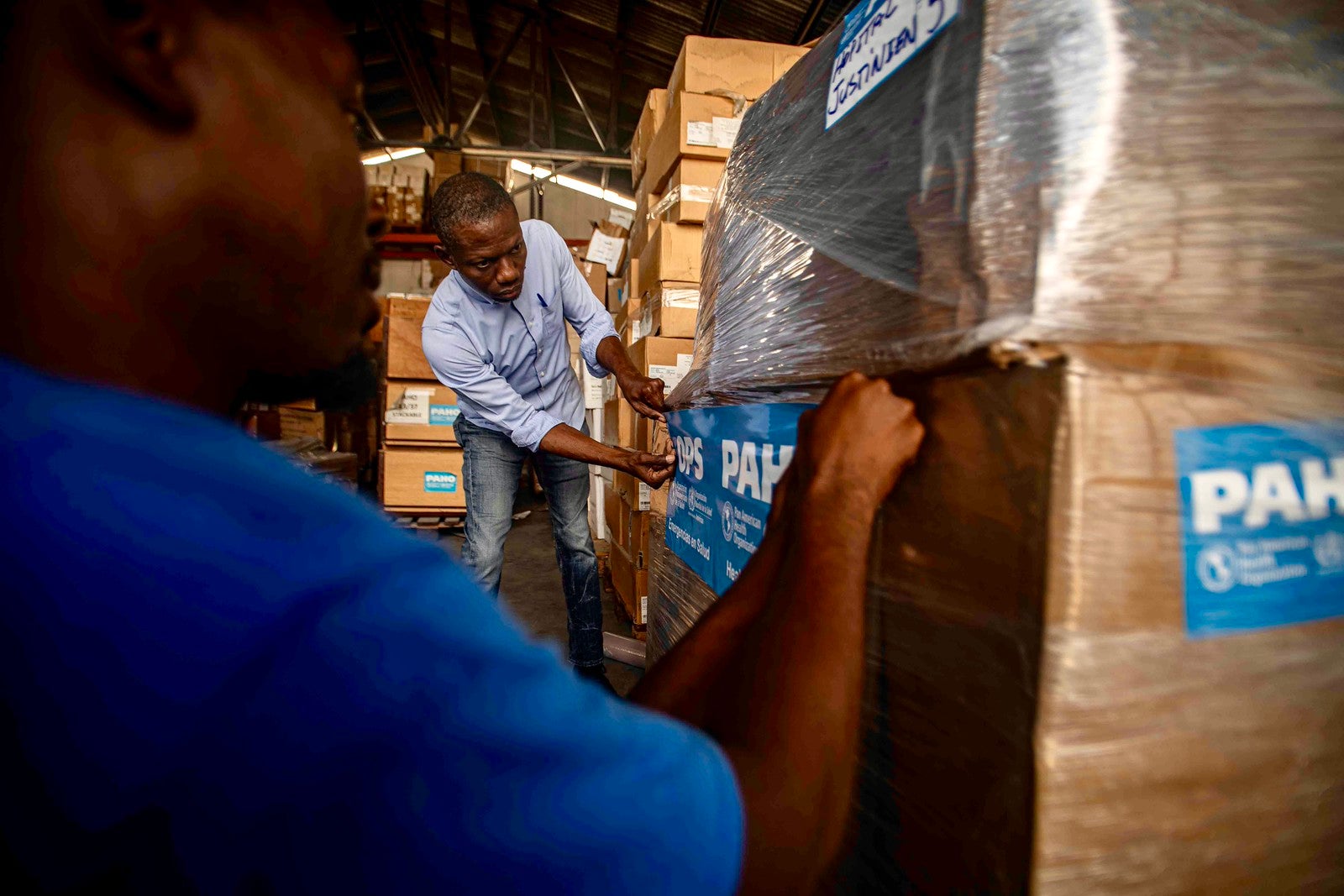
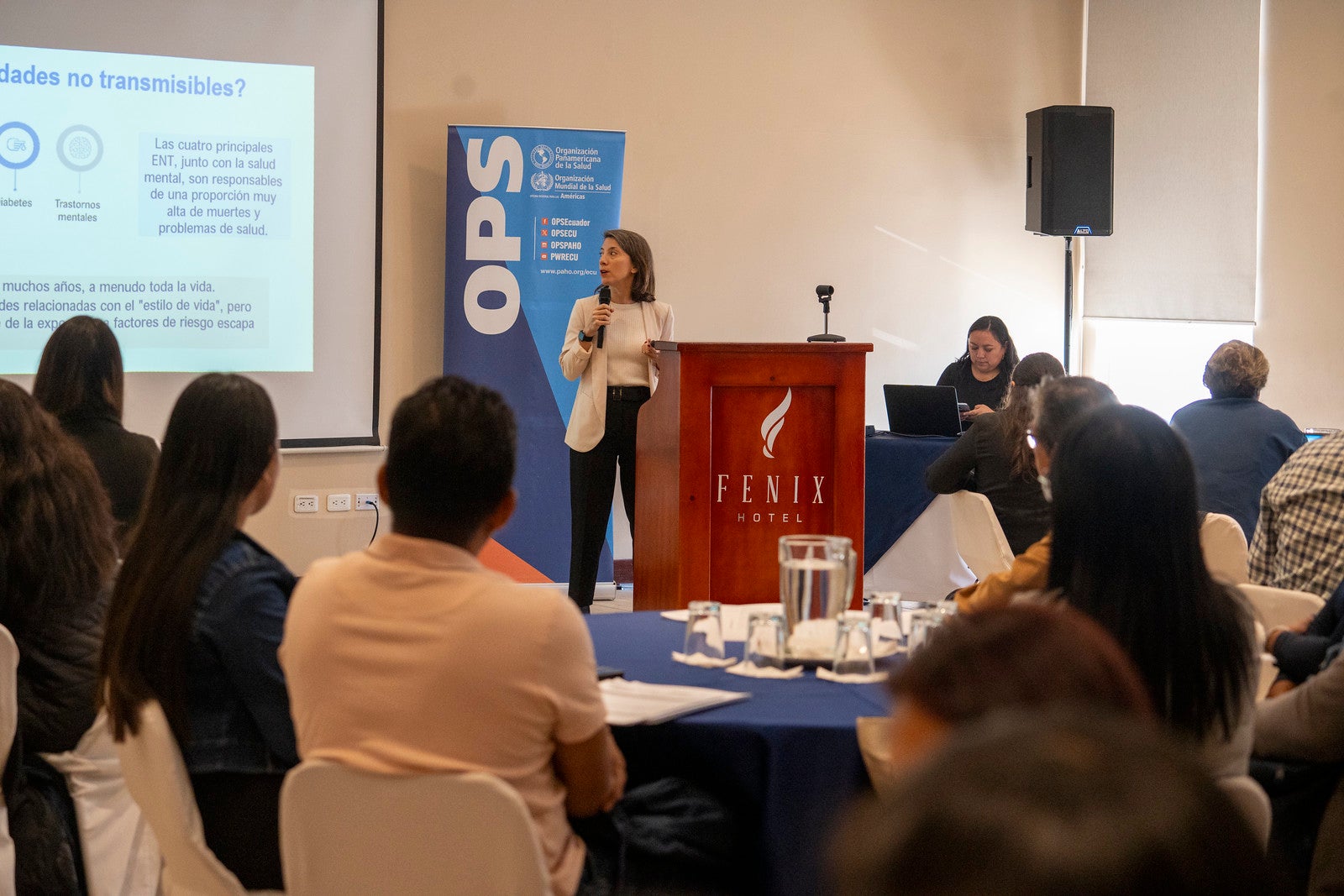
Support Member States in implementing national health policies with technical cooperation tailored to country needs.
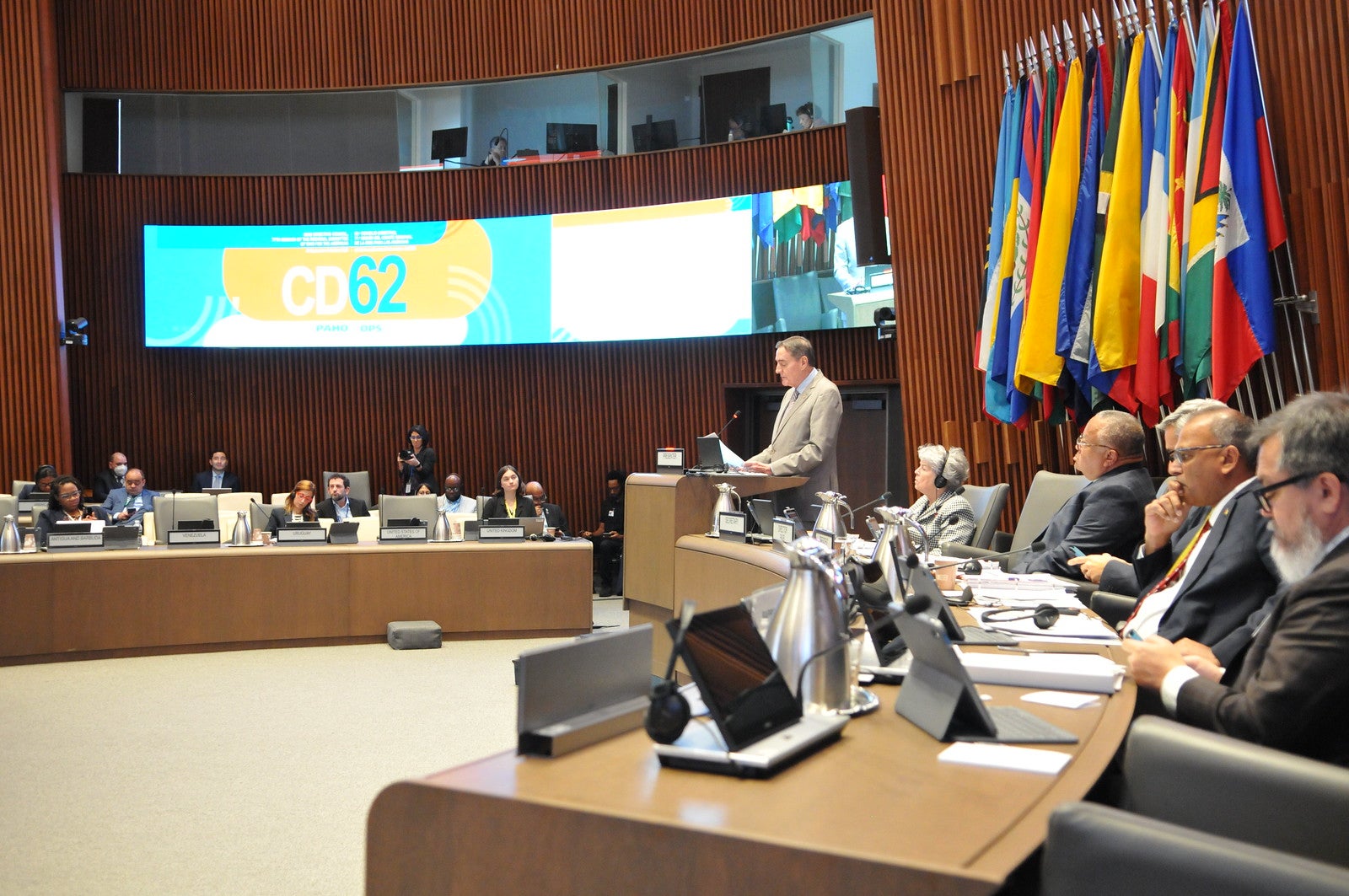
Advance flagship initiatives that address the Region’s most pressing health challenges – from primary health care transformation to disease elimination.
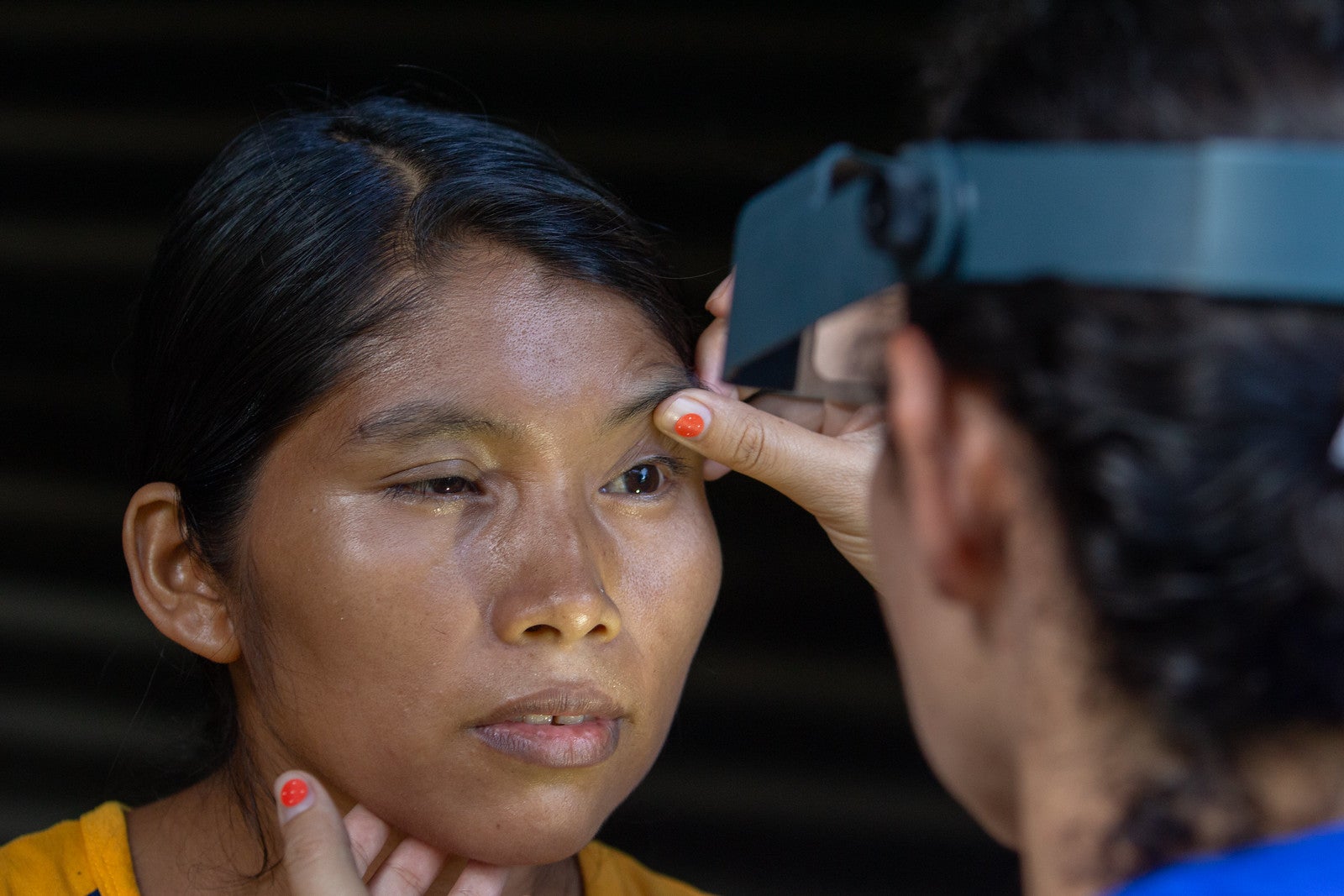
Build resilient health systems capable of maintaining essential functions during crises, failures, and environmental changes.
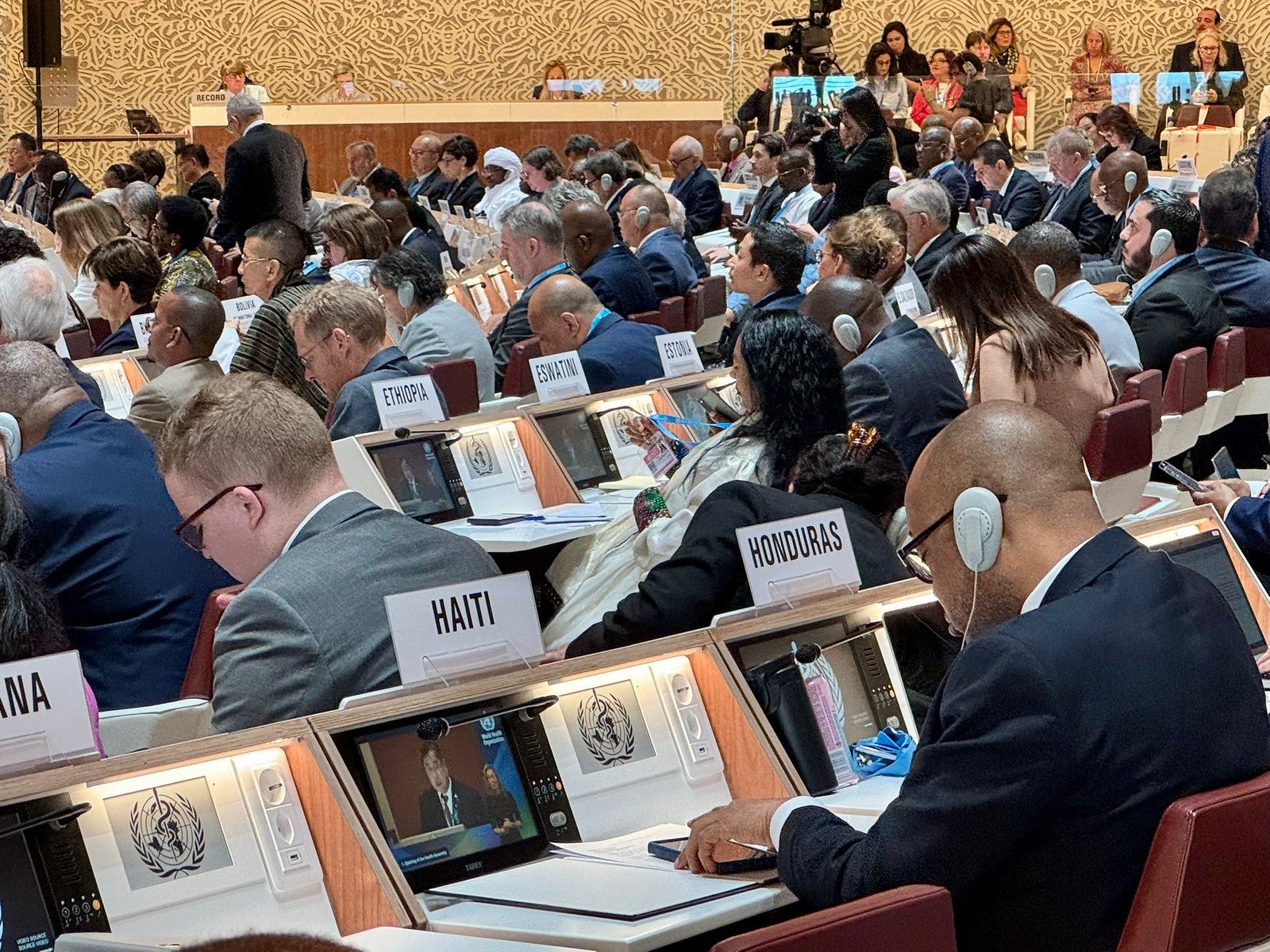
Amplify the Region’s voice in global health forums, ensuring the Americas’ role in shaping international health policy.
Engage the private sector through clear guidelines that align commercial partnerships with public health goals.
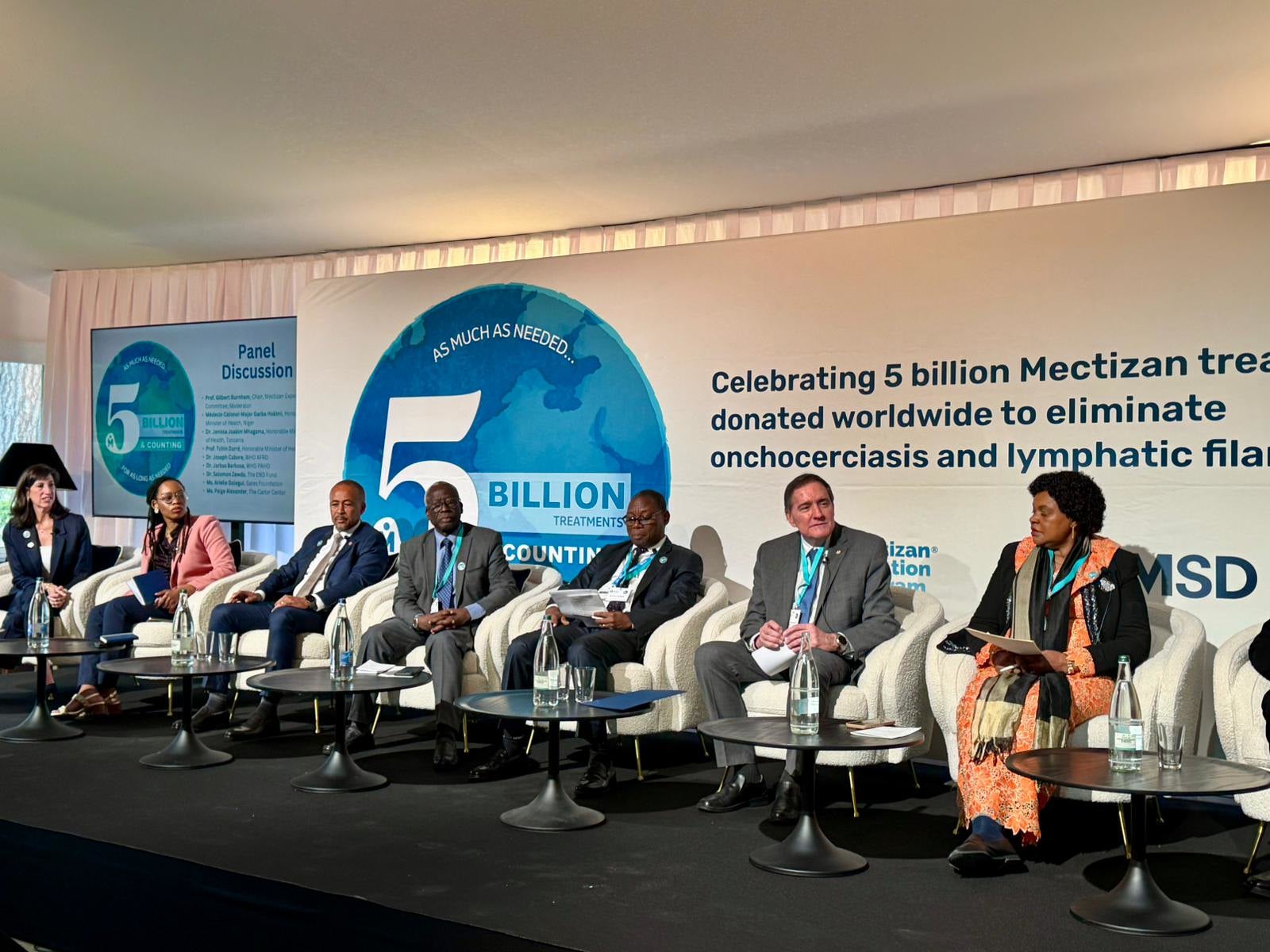
Mobilize partnerships with multilateral institutions, donors, and civil society to maximize resources and technical expertise.
PAHO achieved a major milestone in resource mobilization, reflecting the results of a strengthened partnership strategy, enhanced institutional positioning, and increased visibility across global and regional platforms.
Record level of voluntary contributions strengthens PAHO’s financial resilience and confirms its role as a trusted partner for sustained health impact.
Forward-looking resource mobilization provides greater predictability and stability of funding, enabling PAHO to respond more effectively to health priorities.
Longer-term financing commitments extend beyond immediate implementation, securing continuity across future biennium and protecting hard-won health gains.
0
countries
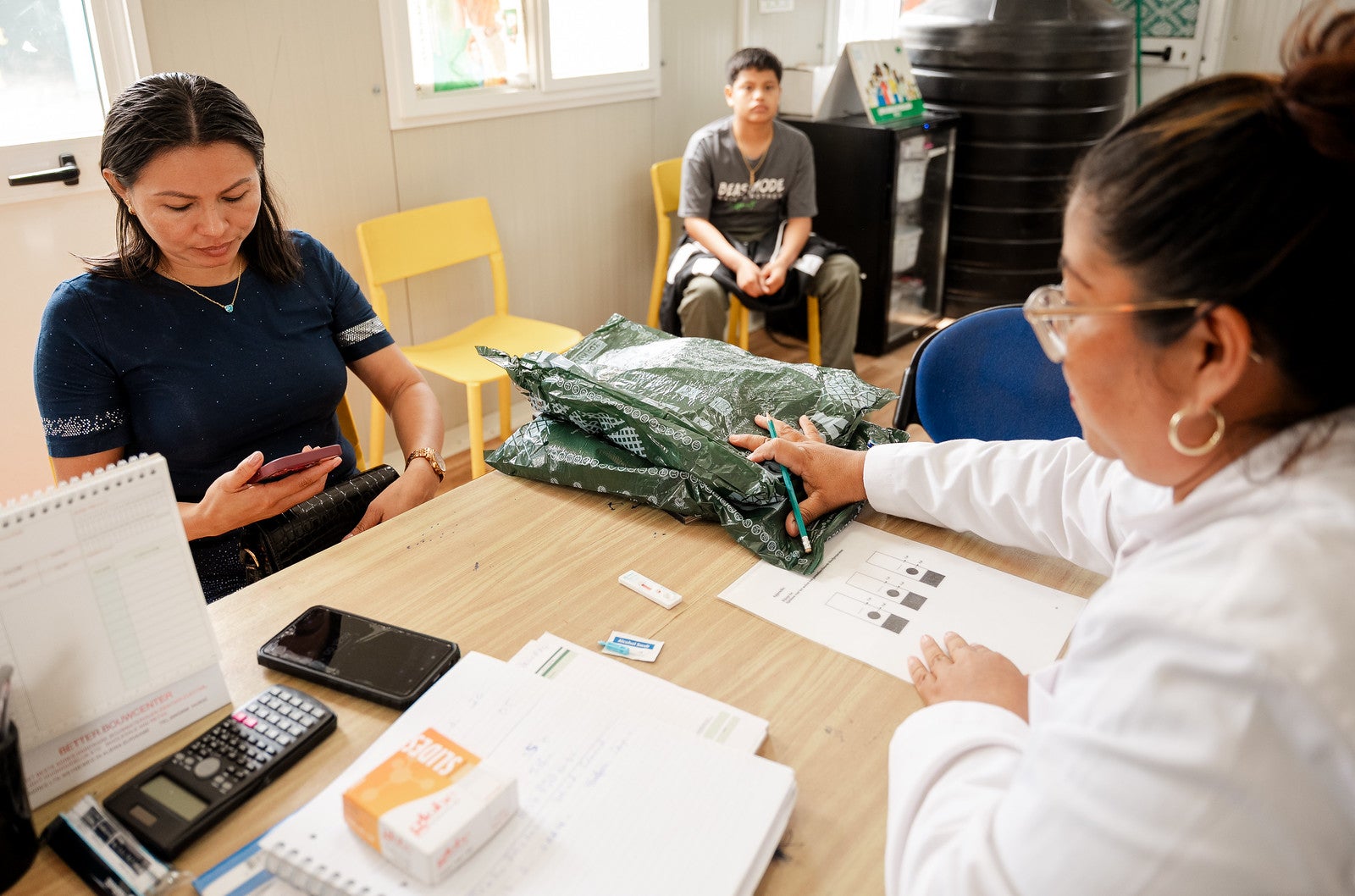
in the Region have eliminated malaria —including Suriname, which in June 2025 became the first country in the Amazon region to achieve this milestone. This achievement reflects decades of sustained investment in surveillance, timely diagnosis, effective treatment, and outreach to remote and hard-to-reach populations in challenging Amazonian settings.
0 children with cancer in Ecuador received essential medicines through the WHO – St. Jude Global Platform on Childhood Cancer Medicines in 2025, which also:

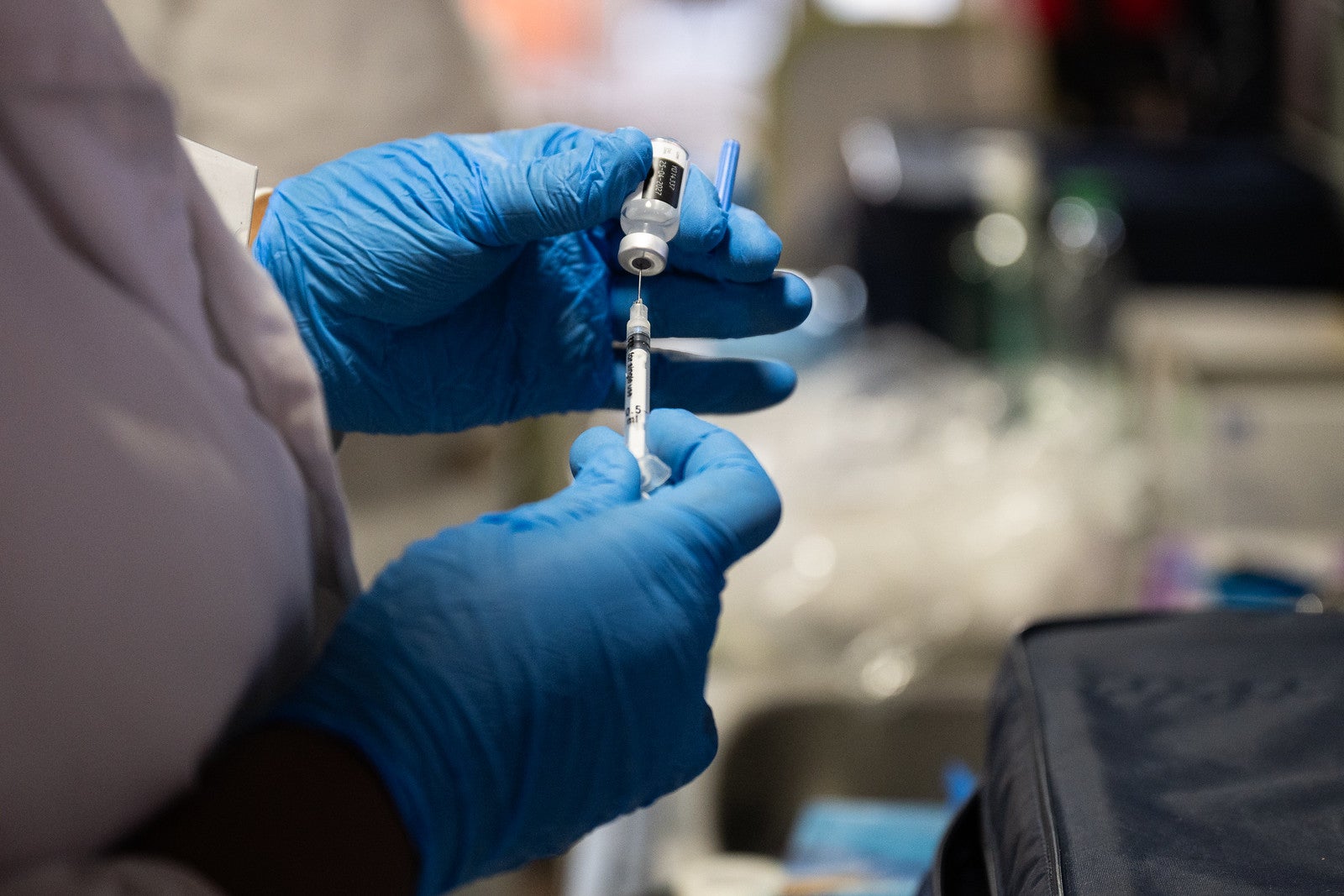
More than USD 0 million million in vaccines, health technologies, and supplies were procured for Member States through the Regional Revolving Funds during 2025, supporting 33 countries’ ministries of health. Vaccine doses increased from 224 million in 2024 to 234 million, diagnostic tests rose by 30%, and malaria tests doubled compared to the previous year – demonstrating the Funds’ critical role in ensuring access to quality health supplies at affordable prices.
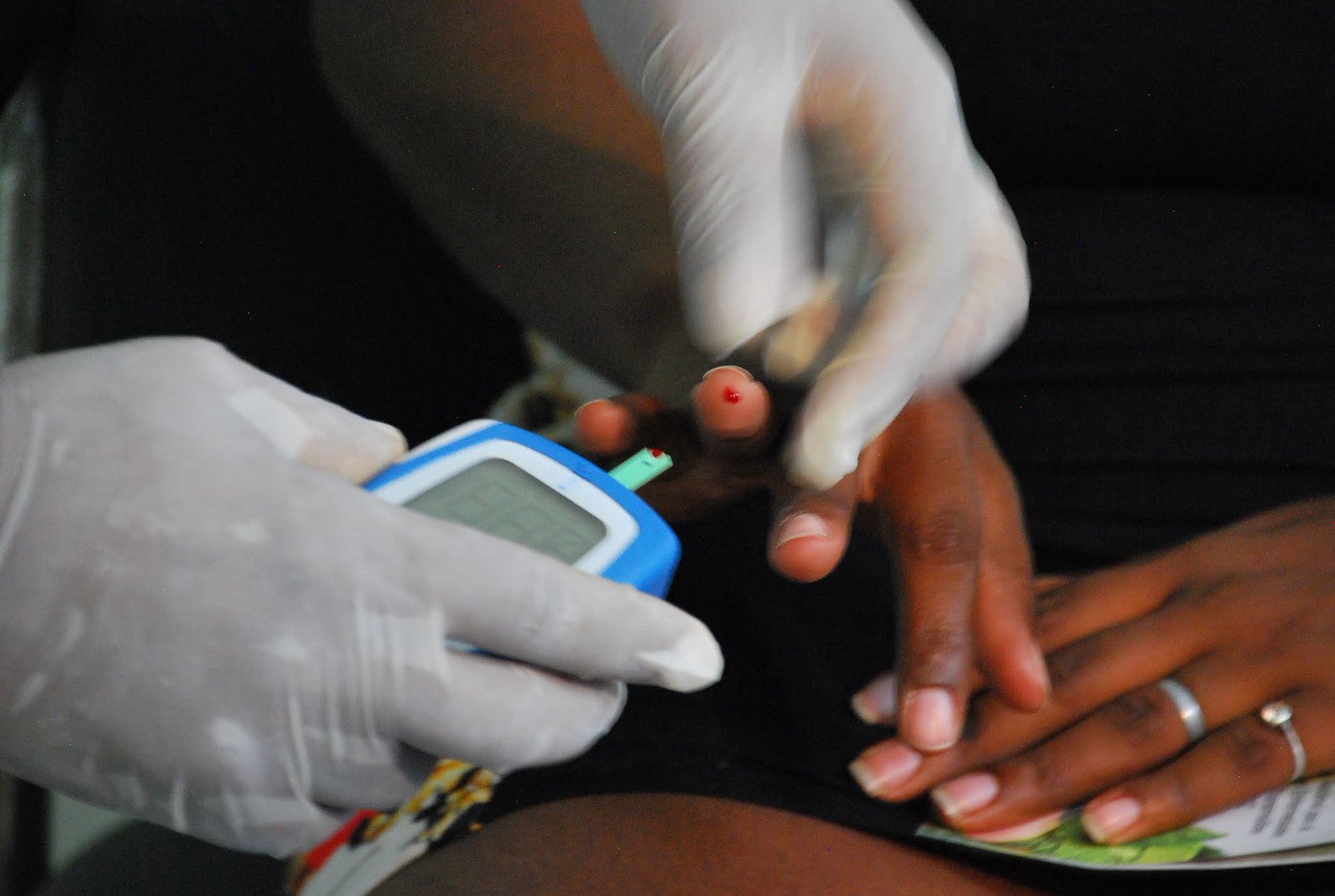
0 countries advanced the integration of noncommunicable disease services into primary health care – including Chile, where 2.2 million people receive hypertension care across 544 clinics, and Mexico, where coverage for hypertension and diabetes management expanded from 3.8% to 33.8%, reaching 34 million people.
0 countries in the Americas now participate in the Global Digital Health Certification Network, enabling secure cross-border interoperability and digital vaccination certificates. After COVID-19, yellow fever digital certificates are being implemented, El Salvador and Costa Rica are the first counties in the world to achieve this landmark. More than 10 000 health workers completed PAHO’s Digital Literacy Program, and 7 countries implemented the PAHO All-in-One Telehealth Platform – expanding access to specialist care in remote and underserved areas.