
Preparación Prepandémica
La transmisión respiratoria es la vía de transmisión que presenta mayor riesgo de pandemia; la contención es muy difícil, lo que resulta en una rápida propagación mundial. Asi, las pandemias anteriores de patógenos respiratorios han demostrado la necesidad de un enfoque de toda la sociedad y de todo el gobierno que sea a la vez multinivel y multisectorial.
*Add description of what is PP
La OMS, los Estados Miembros y sus asociados están trabajando juntos para reforzar la preparación nacional, regional y mundial frente a pandemias y amenazas de enfermedades infecciosas emergentes.
Los países deben actualizar sus esfuerzos de planificación frente a pandemias respiratorias para garantizar que disponen de las capacidades y competencias funcionales necesarias.
Why focus on respiratory pathogen preparedness instead of building IHR core capacities generally?
Planning for imminent threats ensures that the capacities built are embedded and have tangible benefit at any time a new pathogen emerges.
Countries should strive for disease-specific plans in the context to national all-hazard preparedness plans.
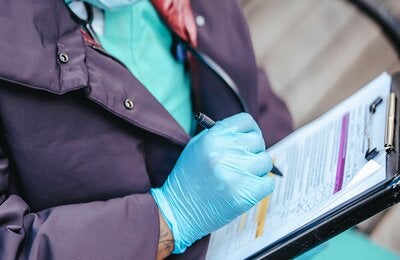
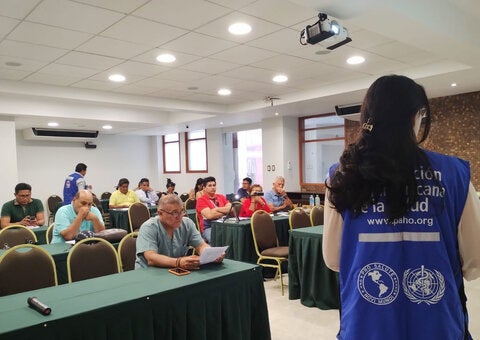
PAHO/WHO is supporting Member States to transform disease specific pandemic preparedness plans to an integrated respiratory pathogen plan, incorporating the lessons learned from recent pandemics. Planning that is multisectoral and multilevel, and focuses on actions that account for the commonalities across known and novel respiratory pathogens will:
Maximize available resources
Build technical coherence
Increase coordination and reduce duplication of efforts
Al igual que las emergencias sanitarias afectan a muchos sectores, nuestros esfuerzos de preparación y respuesta deben abarcar sectores, disciplinas y patógenos. Also, the pandemic preparedness plan should be anchored to the use of the routine systems and capacities during the interpandemic period so that these are operational and ready for use at the time of an emergency.
Our mission is to protect the vulnerable, preparedness is the foundation for response
Different population sub-groups are vulnerable to different diseases and new public health threats. In COVID-19 and the 2009 influenza pandemic, comorbidities increased risk of severe outcomes. Indigenous populations, older adults, and pregnant women were highly affected.
Es fundamental que la participación de la comunidad y la equidad sean el centro de nuestros esfuerzos, especialmente para las poblaciones marginadas y de mayor riesgo.
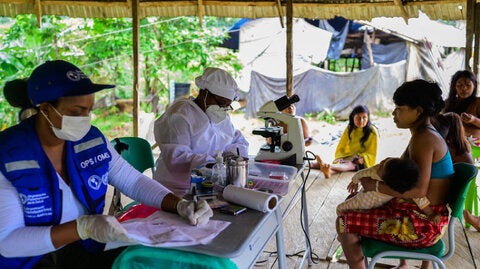
Planos de PP por pais
*Adicionar legal disclaimer por el tema de actualizacion de los planos por parte de cada pais
Adicionar foto para los planos
Recursos
Lecturas recomendadas
Measuring the effectiveness and impact of public health and social measures
Over 60 global experts discussed the evidence and next steps to measure PHSMs during a WHO consultation in September 2021. Read
WHO launches new initiative to improve pandemic preparedness
The new Preparedness and Resilience for Emerging Threats Initiative, or PRET, incorporates the latest tools and approaches for shared learning and collective action established during the COVID-19 pandemic and other recent public health emergencies.
Read
Videos destacados
How do public health and social measures work during health emergencies?
How do public health and social measures work during health emergencies?