
Comissão Regional para a Certificação da Erradicação da Poliomielite na Região das Américas (RCC)
La Comisión Regional para la Certificación realiza un cuidadosa y detallada revisión de la documentación que cada país presenta para evidenciar sus progresos y contribuciones a la erradicación de la poliomielitis. Adicionalmente, cada país de la Región estableció un Comité Nacional de Certificación cuya tarea es recopilar, revisar y validar la información provista por los Ministerios de Salud, y enviar la documentación a la RCC.
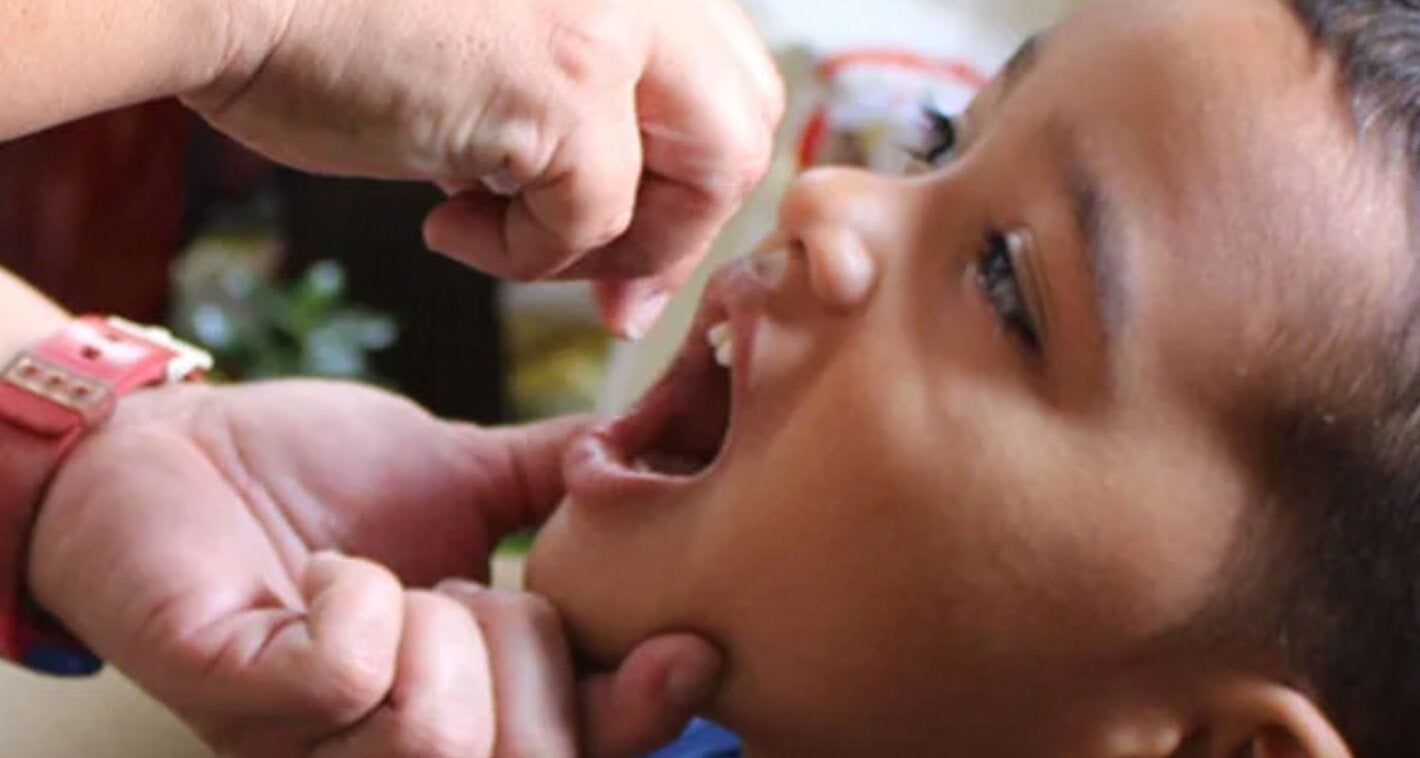
La Comisión está formada por nueve expertos reconocidos en la Región en las áreas de salud pública, epidemiología, pediatría, virología, enfermedades infecciosas e inmunología. Los miembros de la RCC son nombrados por la Directora de la OPS/OMS por un período de 3 años, y pueden ser reelegidos por períodos adicionales, de acuerdo con los requisitos del Plan Estratégico para la Erradicación de la Poliomielitis.

Dr. Arlene King, MD, MHSc, FRCPC, ICD.D
Presidente

Dra. Lourdes García
Membro

Dra. Angela Gentile
Membro

Dra. Beryl Irons
Membro

Dra. Cristina Marino
Membro

Dr. Steve Oberste
Membro

Dra. Cristina Pedreira
Membro

Dra. Elia Sánchez
Membro
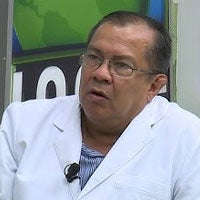
Dr. José Félix Sánchez
Membro

Dra. Olga Torres
Membro
The responsibilities of the RCC are to:
- Assess the fulfillment of polio eradication certification requirements in the Region of the Americas, as defined by the Global Certification Commission (GCC), with particular consideration of immunization coverage, surveillance, containment, risk assessment, risk mitigation, and outbreak preparedness;
- Define, and update as necessary, the documentation required from each country of the Region to demonstrate maintenance of polio-free status;
- Review updated polio eradication documentation from each country of the Region on an annual basis and report those findings and required actions to the PAHO Regional Director and to the National Certification Committee in each country;
- Conduct site visits to countries, as required, to review or verify their polio-free status (including laboratory containment of wild, VDPV, and Sabin polioviruses);
- Work closely with National Certification Committees and provide recommendations to fulfill the requirements for global certification;
- Review and validate national reports and documentation on laboratory containment of all polioviruses in order to assess progress to minimize poliovirus facility associated risk and recommend actions necessary to achieve laboratory containment goals within the Region.
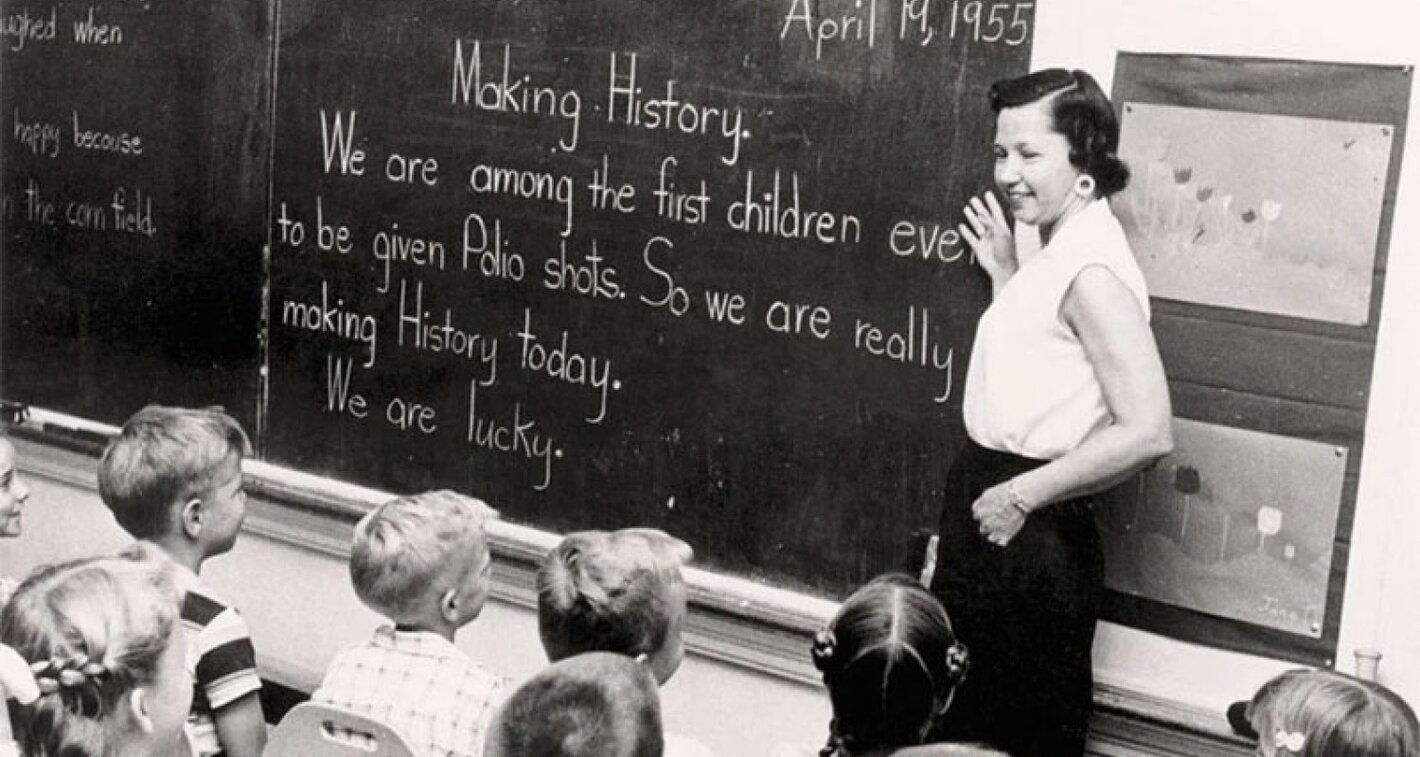
Comitês Nacionais de Certificação (NCC)
National Certification Committees are independent committees made up of leading experts in relevant disciplines (in the fields of public health, immunization, epidemiology, pediatrics, infectious diseases, neurology and virology), appointed by the national government in consultation with the PAHO/WHO Regional Office.
- Assess the fulfillment of polio eradication certification requirements in their country, as defined by the Global Certification Commission (GCC) and the Regional Certification Commission, and respond to the following questions:
- Population Immunity: Is polio vaccination coverage high enough to prevent the circulation of wild poliovirus or emergence of circulating vaccine derived poliovirus (cVDPV)?
- Surveillance: Is polio surveillance sensitive enough to rapidly and reliably detect an imported wild poliovirus or VDPV should it emerge?
- Containment: Has the country minimized the risks of a facility-associated reintroduction of poliovirus for facilities collecting, handling or storing materials infectious or potentially infectious for polioviruses?
- Risk Assessment: Has the country conducted a risk assessment down to the subnational level?
- Risk Mitigation: Has the country developed an appropriate risk mitigation plan?
- Event and Outbreak Preparedness: Is the country adequately prepared to respond to an event or outbreak if one were to occur?
- Polio-free Status Assessment: Is the committee firmly convinced that the country was free of polio during the reporting period?
- Review and approve the polio eradication documentation requested from the RCC on an annual basis and submit the documentation with a signed approval form and letter to the RCC, through the PAHO country office.
- Review and approve the national response plan for an event or outbreak of polio.
- Review and approve the reports and documentation on containment of all polioviruses to assess progress to minimize poliovirus facility associated risk and recommend actions necessary to achieve containment goals.
- Work closely with national authorities on the implementation of RCC recommendations to maintain polio-free status in the country and to fulfill the requirements for global polio eradication certification.
- Review and respond to letters sent by the RCC with country specific recommendations.
- When the time comes, review and approve the final certification report and any other required documentation to the RCC.