• Seguridad de vacunas

Sécurité des vaccins

La priorité stratégique du Programme de vaccination à l’horizon 2030 est l’élaboration de programmes de vaccination pour les soins de santé primaires et la couverture sanitaire universelle.

La réalisation de cet objectif nécessite, entre autres activités, de se concentrer sur la surveillance de la sécurité des vaccins et de la vaccination, afin de garantir une chaîne d’approvisionnement en vaccins et fournitures de haute qualité. Ceci est articulé dans un système de prestation de services basé sur les soins primaires.

Dans la Région des Amériques, les vaccins ont atteint des niveaux élevés d’acceptation et de confiance dans leur efficacité pour réduire la fréquence et l’impact de nombreuses maladies infectieuses, par rapport à d’autres régions du monde. Cependant, le public a exprimé plus de doutes sur la sécurité des vaccins que sur leur efficacité.

Dans le contexte actuel de l’urgence due à la pandémie de COVID-19, dans laquelle le déploiement rapide de nouveaux vaccins a été nécessaire et a dû passer par des régimes d’autorisation d’urgence, l’accent a été mis sur les activités qui garantissent la sécurité des vaccins. Il s’agit notamment de la surveillance des événements supposés attribuables à la vaccination ou à l’immunisation (ESAVI).

Le système de vaccination sécurisé est composé de plusieurs composantes qui doivent interagir en permanence et par des activités menées simultanément par différentes institutions dans tous les pays.

Tous les pays de la Région des Amériques disposent de systèmes nationaux de surveillance ESAVI, avec différents niveaux de maturité qui dépendent d’une variété d’acteurs au sein du système de santé.
Dans 17 pays de la Région (48,6 %), le programme national de vaccination (PIN) est chargé de communiquer les données ESAVI ; Dans neuf pays (25,7 %), les ESAVI font l’objet d’un rapport conjoint entre le PIN et l’Autorité nationale de régulation (ARN) et dans trois pays seulement (8,6 %), la responsabilité incombe exclusivement à l’ARN. Six pays (17,1 %) de la Région ont désigné une institution autre que l’ANR ou le PIN pour communiquer ces données.
 
La surveillance des événements indésirables après l’administration des vaccins génère des informations utiles sur les événements indésirables rares et très rares, ainsi que sur les risques liés à la qualité et à la manipulation des vaccins. Cette information est utilisée pour minimiser sa récurrence et son impact sur la santé de la population.


La production d’informations fiables à partir des ESAVI permet aux pays de formuler des objectifs et de répondre en temps opportun aux questions du public et des autorités nationales sur l’utilisation des vaccins.
 

La sécurité des vaccins : un travail interinstitutionnel

seguridad-vacunas-ops-hoja-informativa

Hoja Informativa

An information system on vaccine safety is an essential tool to support decision-making, as the risks generated by the proposed interventions are being permanently evaluated. 

Building public confidence in vaccines requires having relevant information about their safety and effectiveness that reliably answers questions and concerns. 

Access to innovations in immunization, especially for public health emergencies (for example, caused by SARS-CoV-2), requires that we have information generation platforms that allow us to evaluate the effect that these innovations have on state of health and in mitigating the cause of the emergency. 

It is essential to continue strengthening ESAVI surveillance systems with a strategy that manages to generate technical capacities from the local level to strengthen information systems and the use of technologies to carry out high-quality surveillance work. 

seguridad-vacunas-ops-hace

Lo que la OPS hace

The Immunizations Unit in conjunction with the Medicines and Health Technologies Unit work together for the implementation of the regional system for the surveillance of ESAVI, which aims to monitor the security situation of vaccines in the region, in addition to measuring signal detection and population causality to analyse the relationship between observed adverse events and vaccines. 

This system will serve as a platform for the development of research necessary for decision-making on regional and national immunization plans and policies. It will also indirectly contribute to global knowledge on vaccine safety and vaccination procedures. PAHO develops multi-country work initiatives that support many of the activities related to the safe vaccination cycle. 

Guides, operational manuals, technical guidelines, and references to work networks have been developed among the countries of the region that support the implementation of all PAHO technical recommendations. A regional ESAVI surveillance training strategy is available, which covers the entire surveillance operational cycle and provides knowledge on the proper operation of the surveillance phases. 

Along with training and capacity building, PAHO offers support to monitoring and surveillance activities by working directly with the countries in some of the operational activities. 

seguridad-vacunas-ops-iniciativas-paises

Iniciativas para los países

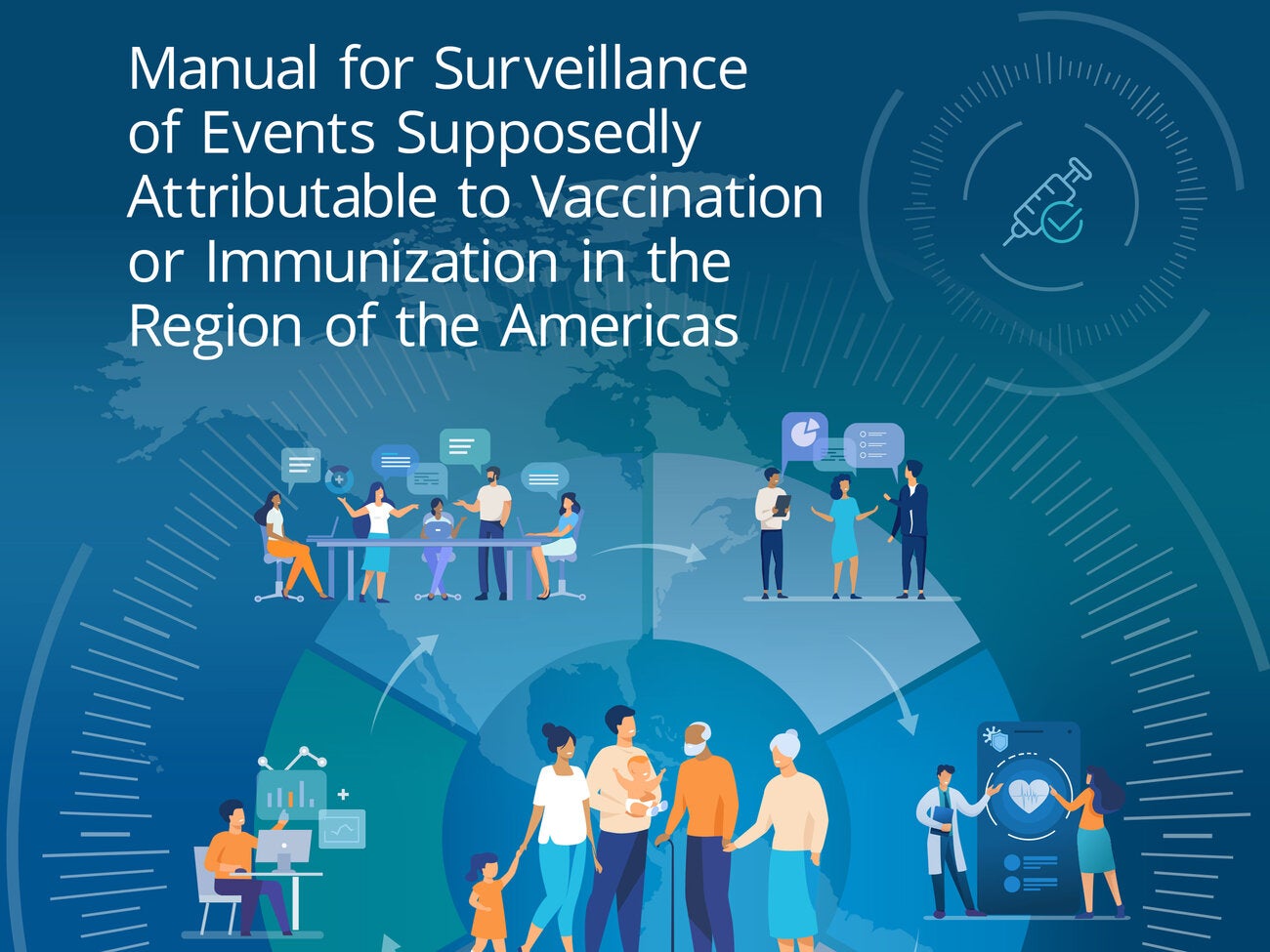
ESAVI Regional Surveillance Manual 
Providing regional surveillance standards is the first step in the application of a regional surveillance system that allows permanent and real-time monitoring of vaccine safety through a multicentre information network. 

Regional Surveillance System 
Guidelines for the implementation of the regional ESAVI / AESI surveillance system in the context of COVID-19. 

Health Personnel Training 
Health personnel training in ESAVI surveillance, risk communication, among others. 

Communication Support 
Support for communication on vaccine safety with specific training and review of communication plans. 

Regional Protocol 
Regional protocol for the surveillance of ESAVI and EVADIE for the regional network of sentinel hospitals. 

VIGILANCIA DE ESAVI

ESAVI surveillance aims at early detection and analysis of adverse events to develop a rapid and appropriate response that minimizes the negative impact on the health of individuals and on the immunization program. 

Event Suspected to be Attributable to Vaccination or Immunization (ESAVI):

Any unfavorable and/or unintended health situation (sign, abnormal laboratory finding, symptom or disease) occurring after vaccination (or immunization) that does not necessarily have a causal relationship with the vaccination process or the vaccine.

They are classified as either non-serious (fever, local redness or pain, irritability, rash) or serious (aseptic meningitis, neurotropic disease, viscerotropic disease, thrombocytopenia, anaphylaxis, febrile convulsions, vaccine-associated poliomyelitis).

The application of a surveillance system varies according to the methods and mechanisms used for each phase of the process. 

Passive Surveillance is based on voluntary and spontaneous notifications of those who identify the adverse event in the health institution or by notification of the vaccinated person. 

Active Surveillance consists of the application of systematic search strategies for specific events in the community or in health institutions through a protocol with detailed instructions, to answer questions about the real frequency of an event and its association with the vaccine. 

The general objective of ESAVI surveillance at the national level is the early detection, notification, and analysis of events presumably attributable to vaccination. As such, a rapid and effective response can be organized to minimize the negative impact on vaccination, the health of individuals and on the immunization program, and prevent the occurrence of additional events or their recurrence. 

An essential component of the system is the communication component. Both crisis communication and risk communication decision makers and the community. With the information available from regulatory activities and from the surveillance vaccine safety, crises in the confidence of the population must be anticipated and managed appropriately, without negatively impacting the acceptability and the financing of the entire system. 

The information generated by the ESAVI surveillance system gives tools to all those responsible for vaccine safety to identify any risks that may arise from the interaction of the biological product with the recipient's immune system. It also helps identify deviations from the process of use of the vaccine or quality problems in the production of the vaccine, as well as discriminating against those erroneously associated with vaccination, among others. 

The principles of ESAVI surveillance will guide the actions of everyone involved, and direct them in situations where there is uncertainty or where there are no specific recommendations on how to proceed.

  1. Humanization of surveillance
  2. A focus on purpose
  3. Quality of information
  4. Confidentiality
  5. Systemic approach
  6. Interprogrammatic and interagency coordination
  7. Optimal risk communication

An information systems development plan should be defined for vaccine safety in coordination with all the institutions involved. It should consider the necessary information technologies, the human, physical and economic resources, and the way to manage those resources. 

It must also establish the flow of notifications and information, analysis procedures, decision-making, and communication.

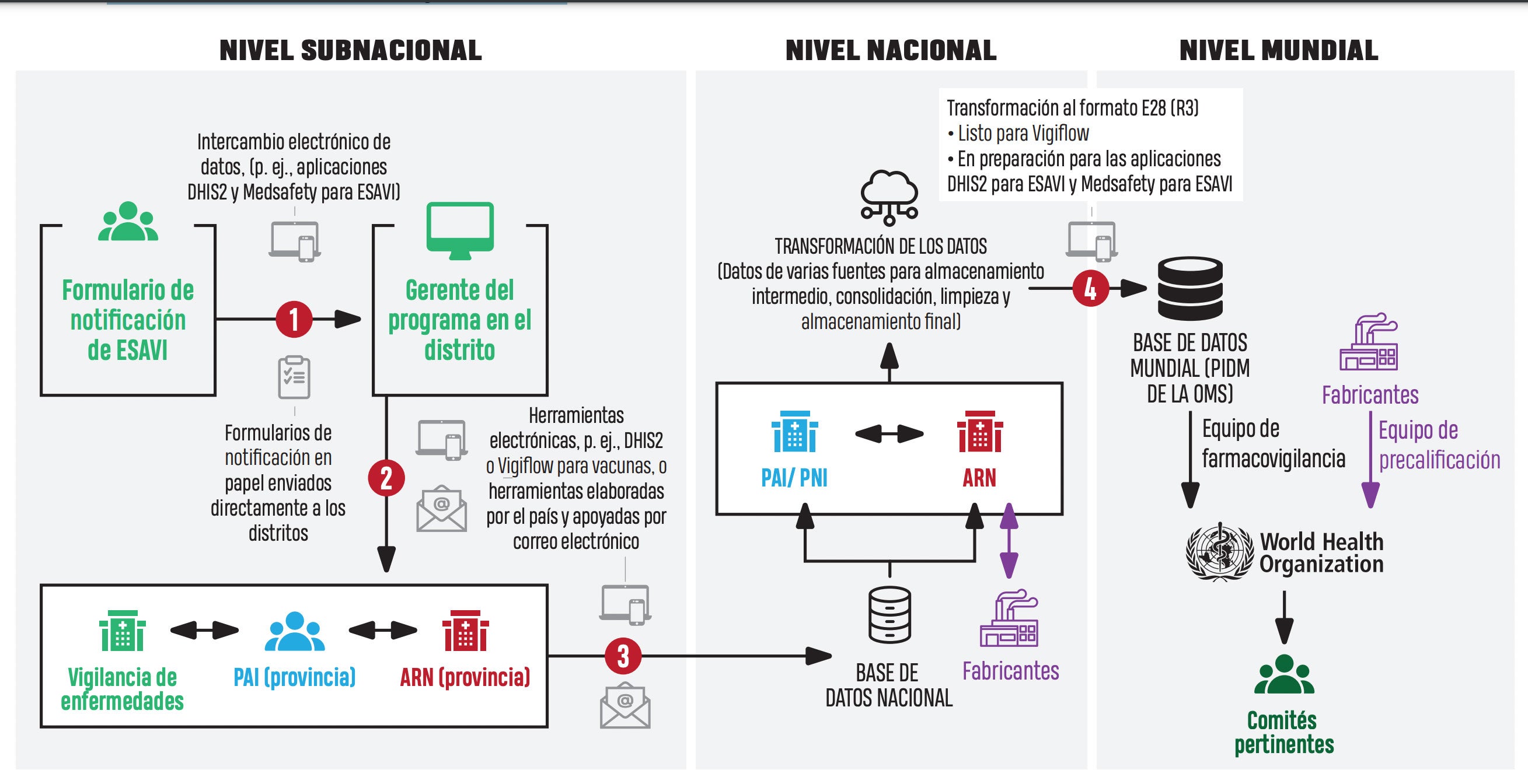
Image labels are in Spanish only

Schematic representation of the structure for data exchange at subnational, national and global levels (spanish only)

Click to expand

Ciclo de Vigilancia de ESAVI

Comité Panamericano para la Vacunación Segura (COPAVASE)


  1. Provide independent, authoritative, scientific advice to PAHO on vaccine safety issues.
  2. Provide science-based recommendations to PAHO Member States to improve technical cooperation on vaccine safety.
  3. Serve as a trusted body that generates and disseminates credible safety evidence to support PAHO's timely response to serious or unexpected ESAVIs.
  1. Rigorously review individual cases of serious and unusual ESAVIs and other ESAVIs-related issues referred by the Secretariat of Health to assess a possible causal relationship between the event and the vaccine.
  2. Provide scientific recommendations intended to assist PAHO in formulating policy regarding vaccine safety issues.
  3. Review other important safety issues and issues of regional concern that may affect national immunization programs.
  • Angela Gentile (Argentina), president
  • Sarah Bennett (United States of America)
  • Jorge Cortés (Colombia)
  • Alejandro Cravioto (Mexico)
  • Tracy Evans-Gilbert (Jamaica)
  • Peter Figueroa (Jamaica)
  • Gloria Giraldo (Colombia)
  • Herminio Hernández (Peru)
  • Noni MacDonald (Canada)
  • Claudio Struchiner (Brazil)
  • María Teresa Valenzuela (Chile)
  • Verónica Vergara (Colombia)
COMUNICACIÓN


seguridaddevacunas-comunicacionriesgo

Las actividades de comunicación y de participación comunitaria sobre la seguridad de las vacunas y la vacunación deben ser un componente esencial para los programas de inmunización. La preocupación por la seguridad de las vacunas está fuertemente asociada con las dudas, la aceptación y la demanda de vacunas y estas preocupaciones y percepciones influyen en la confianza del público, los trabajadores de la salud y los tomadores de decisiones.

Por lo tanto, apoyar a que los países de la Región tengan la capacidad de comunicar los aspectos de la seguridad de las vacunas y la vacunación, los riesgos y beneficios de estas, y las enfermedades que previenen es fundamental para generar confianza y apoyar a mantener coberturas de vacunación óptimas.

Videos

VACUNAS DE CALIDAD

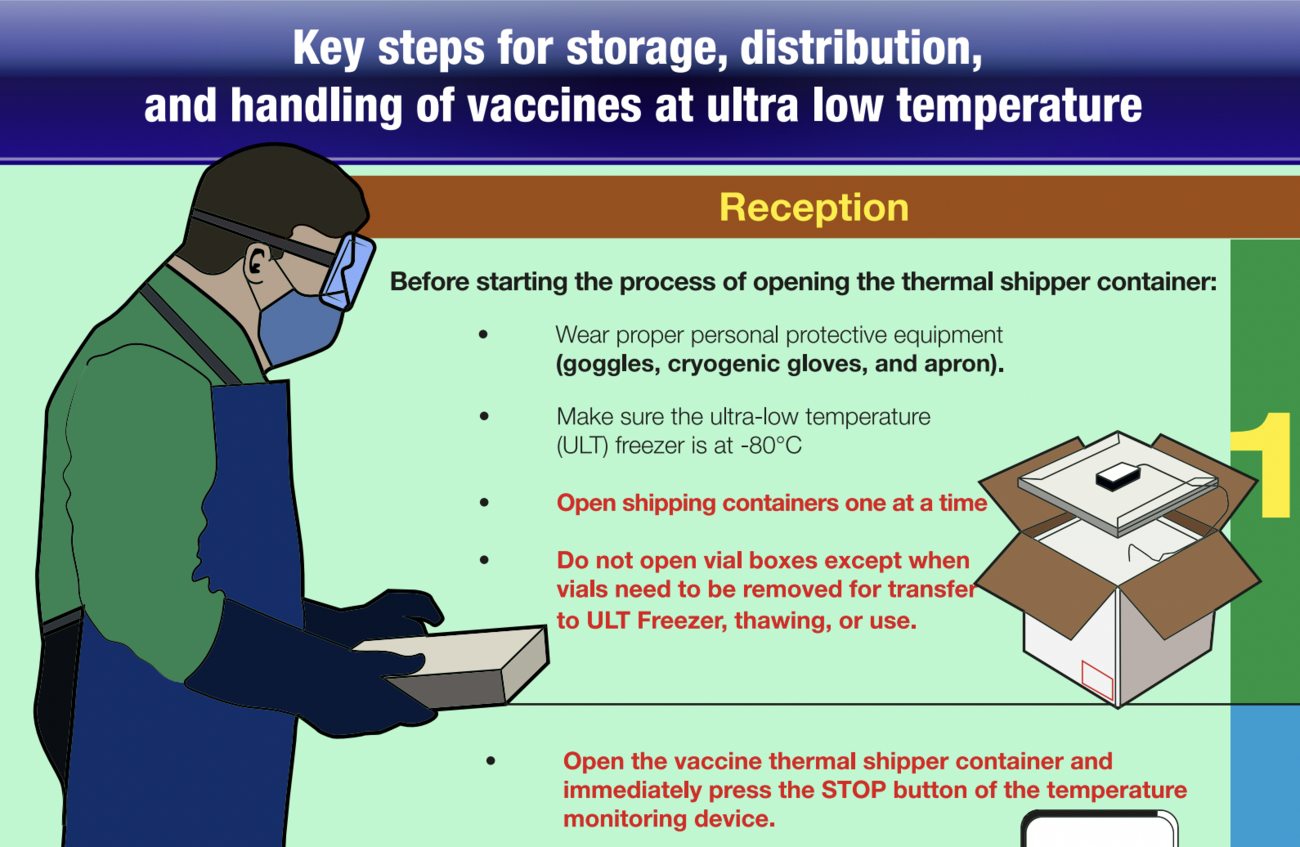
Taking care of the quality and safety of vaccines includes:

Throughout the so-called life cycle of the vaccine, there are different activities planned to verify compliance with clinical research, manufacturing, control, and regulatory practices. 

Regulatory entities are responsible for carrying out said inspection. 
For its part, the World Health Organization (WHO) provides international guidelines and recommendations for the application of these practices. 


COVID-19 Vaccine Pharmacovigilance Dashboard

During the vaccine manufacturing process, there may be situations that lead to non-compliance with the rules of good manufacturing and manufacturing practices or with requirements, specifications and approved standard operating procedures, with the consequent risk for the recipients of the products.

The most common example is microbiological contamination of the vials where the biological product is stored, which can cause local and systemic infections in the recipient.

Functions of the National Regulatory Authority

The NRA must authorize the use of vaccines, define the regulatory and operational frameworks, post-authorization surveillance, evaluate risk management plans, and coordinate with the NIP and entities deemed necessary to create strategies for the management of potential associated risks. The NRA also participates in national committees for safe vaccination, and, in coordination with the NIP, trains all personnel in charge of health surveillance, provides safety data, conducts research, supports the collection of vaccine samples, and analyzes national data, to notify the ESAVI to the WHO collaborating centre, according to regulations. 

One of the functions at the national level of the NRAs is: To evaluate the risk management plans of products presented by the manufacturers during the authorization processes and the periodic safety reports. Based on these inputs, the NRA coordinates with the NIP and the entities deemed necessary, the strategies for the management of potential risks associated with vaccines. 

The regulatory framework of the countries must contain laws or policies that include: 

  • authorizing the emergency use of medicines and other health technologies  

  • a pandemic preparedness plan in which the emergency use is authorized 

  • technical procedures that resort to the decisions of regulatory authorities of other jurisdictions and the recognition of trustworthy or reference authorities for the authorization of emergency use 

  • a monitoring system for products whose sale has been authorized for emergency use. 

Post-authorization Surveillance of Medical Products during a Pandemic Emergency, 21 July 2020
(File PDF / 520.8 KB)

Regulating clinical trials focuses on protecting the safety, well-being and rights of human subjects, ensuring that trials are appropriately designed to achieve sound scientific goals, and preventing fraud and falsification of data.

Considerations for Regulatory Oversight of Clinical Trials in the COVID-19 Pandemic-19
(Spanish Only / File PDF / 364 KB)

The release of batches constitutes one of the basic functions established by the World Health Organization (WHO) to be performed by an NRA and is required for vaccines and other biological drugs as they require special control due to their origin.

This process consists of the review of each batch of a product before giving approval for its release to the market or what is the same, the independent control of each batch ensuring that it has adequate quality and safety.

Lote Release (Spanish Only / File PDF / 825.82 KB)

CADENA DE DISTRIBUCIÓN

INYECCIÓN SEGURA

seguridaddevacunas-desechos

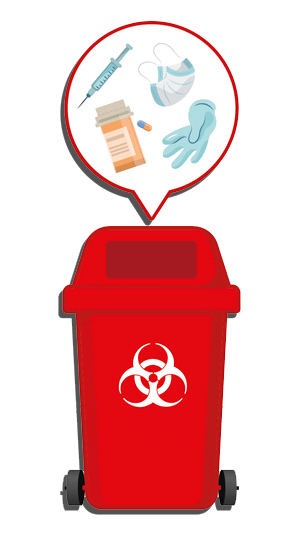
Waste management includes:

Review national regulations on waste management and establish solid waste management guidelines:

  1. Estimation of Waste Volumes
  2. Institutional Management and Elimination Routes
  3. Extramural Management and Elimination Routes
  4. Coordination with Processing Units
  5. Coordination of Local Health Authorities
  6. Waste Disposal Methods.

Related documents

Published on february 12, 2021

Preview / Download

Vaccine administration technique

Dernières nouvelles

Documents

Matériel de communication

Plus d'information