La confiance est le fondement des programmes de vaccination. Lorsque les populations font confiance à leurs prestataires de santé, au système de santé et au ministère de la Santé de leur pays, elles sont plus susceptibles de suivre leurs recommandations en matière de vaccination. Cependant, lorsque cette confiance est érodée ou rompue, l’adoption des vaccins peut faiblir, et exposer ainsi les populations à des maladies évitables par la vaccination.
L’une des mesures les plus importantes que les gouvernements peuvent prendre pour renforcer la confiance dans la vaccination est de suivre les principes de la communication sur les risques et la mobilisation communautaire. En l’absence de communication claire, les rumeurs sur les risques de la vaccination, la méfiance à l’égard des programmes de vaccination, et le refus des vaccins ou la réticence à se faire vacciner peuvent s’intensifier. Le fait de ne pas communiquer efficacement au sujet de la vaccination et de ne pas répondre aux préoccupations de la population peut avoir de graves répercussions sur la réputation des programmes de vaccination et sur le système de santé dans son ensemble, entraîner une chute de l’acceptation et de l’adoption des vaccins et accroître le risque d’éclosions de maladies évitables par la vaccination au sein des groupes de population sous-vaccinés.

Principes de la communication sur les risques et la mobilisation communautaire en faveur de la vaccination
Le respect des principes du Cadre stratégique de communication de l’OMS (en anglais) permet d’améliorer la communication sur les maladies à prévention vaccinale ainsi que sur la vaccination :
Il est essentiel de faire participer les communautés pour comprendre leurs besoins et leurs points de vue concernant la vaccination. De plus, la collaboration avec les communautés permettra aux programmes de vaccination de mettre sur pied des services de vaccination de meilleure qualité et d’améliorer les systèmes et les politiques.
Le document de l’OMS intitulé Programmes de vaccination sur-mesure à l’aide d’un design centré sur l’humain : un guide pratique peut être utilisé pour inciter les communautés à reconnaître les obstacles à la vaccination, à concevoir et mettre en œuvre des interventions pour y remédier, ainsi qu’à les évaluer et les ajuster si nécessaire.
Gestion des fausses informations sur la vaccination
Les fausses informations sur la vaccination ont des répercussions très concrètes sur l’adoption des vaccins. La mésinformation et la désinformation sur les vaccins peuvent ébranler la confiance du public à l’égard des programmes de vaccination systématique et des nouveaux vaccins. Des études ont montré que l’exposition à une mésinformation négative sur les vaccins, même seulement pendant 5 à 10 minutes, augmente la perception des risques vaccinaux et est associée à une probabilité inférieure de se faire vacciner. L’exposition à de fausses informations sur les risques vaccinaux peut amener les gens à percevoir des risques qui n’existent pas (ou qui sont extrêmement faibles).
Le personnel de communication qui soutient les programmes nationaux de vaccination doit investir dans des activités d’écoute sociale sur diverses plateformes afin de comprendre ce que le public pense et dit de la vaccination. Ces informations peuvent ensuite être utilisées pour prendre des mesures visant à corriger les fausses informations par le biais du désamorçage et de la démystification.
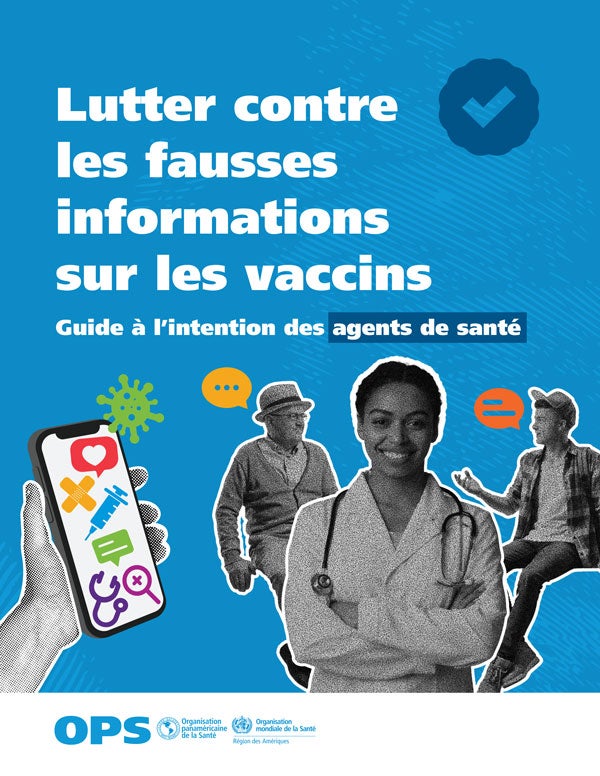
Lutter contre les fausses informations sur les vaccins :
| « Lutter contre les fausses informations sur les vaccins. Guide à l’intention des agents de santé » est conçu pour aider les agents de santé à lutter contre la mésinformation sur les vaccins. Le guide commence par définir la mésinformation et explique pourquoi elle se propage rapidement, souvent en raison de son attrait émotionnel et de ses explications simplistes. Le guide identifie les sources courantes de mésinformation sur les vaccins, y compris les influenceurs qui tirent profit de la diffusion de fausses informations. Il présente des stratégies de lutte contre la mésinformation, en soulignant à quel point les agents de santé sont essentiels en tant que sources dignes de confiance. Il donne des conseils pour identifier les fausses informations en ligne, notamment par la vérification des URL, des dates ainsi que des références des auteurs, et par l’identification de tactiques telles que l’évocation d’émotions fortes ou la mise en avant de théories du complot. Le guide présente deux grandes approches de la lutte contre la désinformation : le désamorçage (prebunking) et la démystification (debunking). Le désamorçage consiste à avertir les personnes d’une éventuelle mésinformation avant qu’elles n’y soient exposées, tandis que la démystification vise à corriger les fausses informations dont une personne a déjà pris connaissance. Le guide fournit des exemples concrets pour les deux méthodes. En outre, le guide souligne le rôle des agents de santé dans le soutien apporté à leurs collègues et à leur patientèle pour qu’ils aient confiance dans la vaccination. Il suggère d’être bienveillant, de ne pas porter de jugement, d’aborder les problèmes en toute transparence, et d’utiliser des techniques d’entretien motivationnel pour comprendre les doutes de la patientèle et y répondre. Dans l’ensemble, le guide souligne le rôle essentiel des agents de santé dans le maintien de la confiance dans les vaccins et fournit des stratégies complètes pour identifier, traiter et prévenir la diffusion de fausses informations sur les vaccins dans les milieux cliniques et communautaires. Ce guide est une ressource précieuse pour les agents de santé, car il leur permet de mieux lutter contre la mésinformation sur les vaccins, et les aide à prendre des décisions éclairées et à promouvoir la confiance dans les vaccins au sein de leurs communautés. Ce sujet essentiel est abordé à travers des solutions pratiques et un soutien aux agents de santé afin qu’ils constituent une source fiable, dans le but ultime de protéger la santé publique grâce à la promotion d’informations exactes et le renforcement de la confiance dans les vaccins. |
| La publication Lutter contre les fausses informations sur les vaccins : Guide à l’intention des responsables du Programme élargi de vaccination vise à aider les responsables du Programme élargi de vaccination (PEV) à lutter contre la mésinformation sur les vaccins. Le guide définit tout d’abord la mésinformation, et explique pourquoi elle se propage rapidement, souvent en raison de son attrait émotionnel et de ses explications simplistes. Le guide identifie les sources courantes de mésinformation sur les vaccins, y compris les personnes influentes qui tirent profit de la diffusion de fausses informations. Il présente aussi des stratégies de lutte contre la mésinformation, en soulignant à quel point les responsables du PEV sont essentiels en tant que sources dignes de confiance. Il fournit des conseils pour identifier les fausses informations en ligne, notamment la vérification des URL, des dates, ainsi que des références des auteurs, et l’identification de tactiques telles que l’évocation d’émotions fortes ou la mise en avant de théories du complot. Le guide présente deux approches principales pour lutter contre la mésinformation : le désamorçage et la démystification. Le désamorçage consiste à avertir les personnes d’une éventuelle mésinformation avant qu’elles n’y soient exposées, tandis que les efforts de démystification visent à réfuter ces fausses informations après leur dissémination. Le guide fournit des exemples concrets pour les deux approches. En outre, le guide souligne le rôle des responsables du PEV dans le soutien apporté aux agents de santé pour qu’ils aient confiance dans la vaccination. Il suggère d’être bienveillant, de ne pas porter de jugement, d’aborder les préoccupations en toute transparence, et d’utiliser des techniques d’entretien motivationnel pour comprendre les doutes des agents de santé et y répondre. Le guide souligne également l’importance de créer un environnement propice pour les agents de santé, de créer des normes qui encouragent la vaccination et d’assurer une formation continue sur les vaccins. Globalement, le guide vise à aider les responsables du PEV à maintenir la confiance dans les vaccins et fournit des stratégies complètes pour identifier, traiter et prévenir la diffusion de fausses informations sur les vaccins en milieu clinique et dans la communauté. Ce guide fournit aux responsables du PEV les connaissances et les outils nécessaires pour lutter contre la mésinformation sur les vaccins, soutenir leurs équipes et promouvoir la confiance dans les vaccins, afin de protéger la santé publique. |
| Les fausses informations sur les vaccins et la vaccination, qu’elles soient diffusées intentionnellement (désinformation) ou non (mésinformation), représentent une menace sérieuse pour la santé publique dans la Région des Amériques. De nombreuses études ont montré que l’exposition à de fausses informations sur les vaccins peut ébranler la confiance de la population dans le Programme élargi de vaccination et avoir des répercussions négatives sur les attitudes et les intentions des personnes vis-à-vis de la vaccination, même si ces personnes ont déjà été vaccinées. Sans surprise, de fausses informations qui laissent entendre que la vaccination nuit à la santé et qui semblent scientifiquement crédibles ont tendance à dissuader davantage les personnes de se faire vacciner. Il est essentiel de lutter contre les négateurs de la science et leurs fausses informations pour maintenir la confiance dans la vaccination et protéger les populations contre diverses maladies évitables par la vaccination. Pour ce faire, il est essentiel de comprendre comment et pourquoi la mésinformation se propage, de connaître les approches qui peuvent être utilisées pour combattre la mésinformation, aussi bien avant que les personnes y aient été exposées qu’après, et de rétablir la confiance dans la vaccination après qu’elle a été ébranlée. Les équipes du ministère de la Santé chargées de la communication sur les risques et de la mobilisation communautaire ont la lourde tâche de se tenir au courant des fausses informations, de façon à pouvoir les surveiller et, le cas échéant, prendre des mesures décisives pour les combattre. En collaborant aux différents échelons (national, district et local) avec divers partenaires, y compris les agents de santé, dont il a été démontré à maintes reprises qu’ils représentent la source d’information la plus fiable sur les vaccins et la vaccination, ces équipes peuvent utiliser des approches différentes pour fournir à leur public cible les outils et les connaissances nécessaires pour résister à la mésinformation. |
| La publication Lutter contre les fausses informations sur les vaccins: Guide à l’intention des enseignants vise à aider les enseignants à lutter contre la mésinformation sur les vaccins. Le guide définit tout d’abord la mésinformation, et explique pourquoi elle se propage rapidement, souvent en raison de son attrait émotionnel et de ses explications simplistes. Le guide identifie les sources courantes de mésinformation sur les vaccins, y compris les personnes influentes qui tirent profit de la diffusion de fausses informations. Il présente aussi des stratégies de lutte contre la mésinformation, en soulignant à quel point les enseignants sont essentiels en tant que sources dignes de confiance. Il fournit des conseils pour identifier les fausses informations en ligne, notamment la vérification des URL, des dates, ainsi que des références des auteurs, et l’identification de tactiques telles que l’évocation d’émotions fortes ou la mise en avant de théories du complot. Le guide présente deux approches principales pour lutter contre la mésinformation : le désamorçage et la démystification. Le désamorçage consiste à avertir les personnes d’une éventuelle mésinformation avant qu’elles n’y soient exposées, tandis que les efforts de démystification visent à réfuter ces fausses informations après leur dissémination. Le guide présente des exemples concrets pour les deux méthodes. En outre, le guide souligne le rôle des enseignants dans le soutien apporté aux élèves et à leurs familles pour qu’ils aient confiance dans la vaccination. Il suggère d’être bienveillant, de ne pas porter de jugement et d’aborder les préoccupations en toute transparence et d’utiliser des techniques d’entretien motivationnel pour comprendre les doutes des élèves et y répondre. Le guide comprend aussi des suggestions pour les plans de cours et des questions pour les discussions concernant les vidéos, avec pour objectif d’aider les enseignants à intégrer ces stratégies dans leurs classes. Dans l’ensemble, le guide souligne le rôle essentiel des enseignants dans le maintien de la confiance dans les vaccins et fournit des stratégies complètes pour identifier, traiter et prévenir la propagation de fausses informations sur les vaccins dans les contextes éducatifs. Il fournit aux enseignants les connaissances et les outils nécessaires pour identifier et combattre efficacement la mésinformation sur les vaccins, ce qui s’avère crucial, car les enseignants représentent des sources d’information fiables et peuvent influencer les élèves et leurs familles de manière positive. |
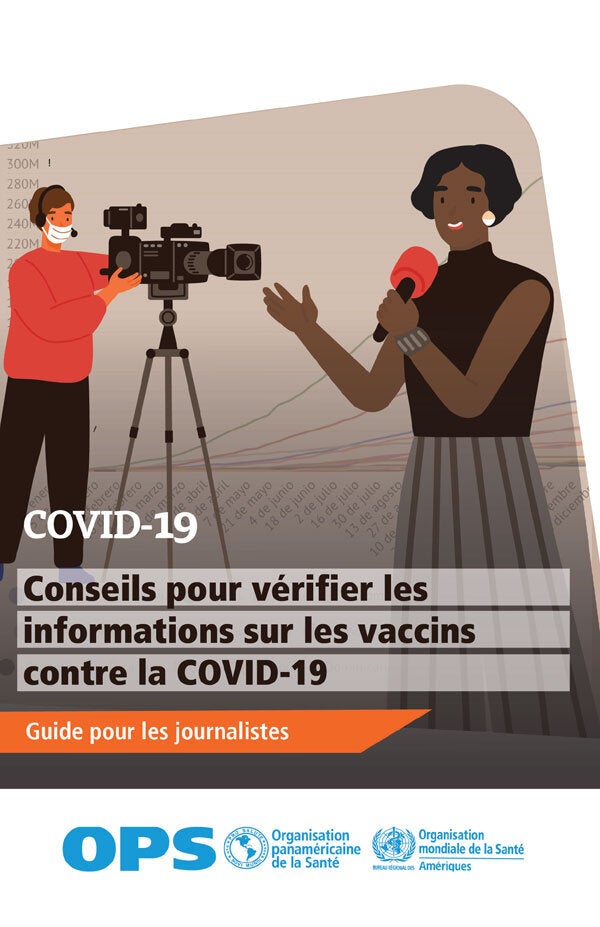
| Les journalistes jouent un rôle essentiel, car ils tiennent le public au courant des informations qu’il doit connaître pour être en bonne santé, notamment la nécessité de se faire vacciner. Avec les agents de santé, les médias sont l’une des sources d’information scientifique auxquelles le public fait le plus confiance : les journalistes contribuent à façonner les perceptions et les attitudes, voire les comportements. Cette publication a pour but d’aider les journalistes, quel que soit leur support de communication, à couvrir de manière exacte les sujets liés aux vaccins et à la vaccination. Si la mésinformation sur la vaccination est aussi ancienne que les vaccins eux-mêmes, son essor récent, en particulier sur les médias sociaux, suscite l’inquiétude des professionnels de la santé et de la communauté scientifique. Des études ont prouvé qu’une exposition, même brève, à des fausses informations sur les vaccins peut avoir une influence défavorable sur les attitudes et les intentions des personnes vis-à-vis de la vaccination, même si ces personnes sont déjà vaccinées. Lorsque les taux de couverture vaccinale diminuent, les populations sont exposées à des maladies mortelles, comme la rougeole, la coqueluche, la poliomyélite et le tétanos, qui peuvent être évitées grâce à la vaccination. Pour que les populations demeurent en bonne santé et qu’elles soient protégées contre les maladies évitables par la vaccination, la collaboration entre différents secteurs est nécessaire, en particulier face à la mésinformation qui circule sur les vaccins. C’est pourquoi l’Organisation panaméricaine de la Santé a créé cette publication à l’intention des journalistes qui couvrent les sujets relatifs à la vaccination. Elle aborde différentes questions telles l’objectivité et l’impartialité, de même que les normes et les perceptions. Elle offre aussi des conseils sur d’autres sujets connexes, ainsi que des ressources supplémentaires pour obtenir de plus amples informations. |
| Avez-vous vu ou entendu, en ligne, quelque chose sur les vaccins qui vous a interpellé ? Les fausses informations sur les vaccins ne manquent pas, qu’il s’agisse de théories du complot ou de brins de vérité déformés ou exagérés. Ce qui est vrai en revanche, c’est que l’immense majorité de la communauté scientifique et des experts médicaux, s’accorde pour affirmer que les vaccins sont sûrs et efficaces, et que le fait de ne pas être vacciné expose la personne qui prend cette décision et ses proches au risque de contracter des maladies mortelles. De plus, certaines maladies qui ont été pratiquement éliminées pourraient resurgir si les personnes ne se font pas vacciner en nombre suffisant. Étant donné qu’une exposition, même brève, à des fausses informations sur les vaccins peut influencer la décision d’une personne de se faire vacciner, il est crucial que nous contribuions toutes et tous à enrayer la propagation de la mésinformation. En tant qu’influenceur sur les médias sociaux, vous pouvez apprendre des trucs et des astuces pour repérer la mésinformation, et en faire part aux personnes qui vous suivent. Ce faisant, vous rendrez le monde plus sain et plus sûr: ça vaut le coup, non ? |
Podcasts
Parlons santé : Vaccins, mythes et réalités avec le Dr Daniel Salas
[En espagnol]
Tout ce que vous devez savoir sur les vaccins avec le Dr Pau Zúñiga
[En espagnol]
Désamorçage
Démystification
Avec le désamorçage comme avec la démystification, l’écoute sociale est essentielle pour comprendre ce que le public dit de la vaccination et les rumeurs qui circulent et pourraient avoir des répercussions sur l’adoption des vaccins.
Pour en savoir plus sur la gestion des fausses informations liées à la vaccination, consulter la publication de l’OPS intitulée Communication sur les risques liés à la vaccination. Elle propose des exemples pratiques et concrets de ce qu’il faut faire ou ne pas faire relativement aux processus et aux principes de communication sur les risques et de mobilisation communautaire, aux messages, à la perception des risques, à la gestion des fausses informations, à la collaboration avec les partenaires et à la pharmacovigilance.
Personnel de santé et vaccination
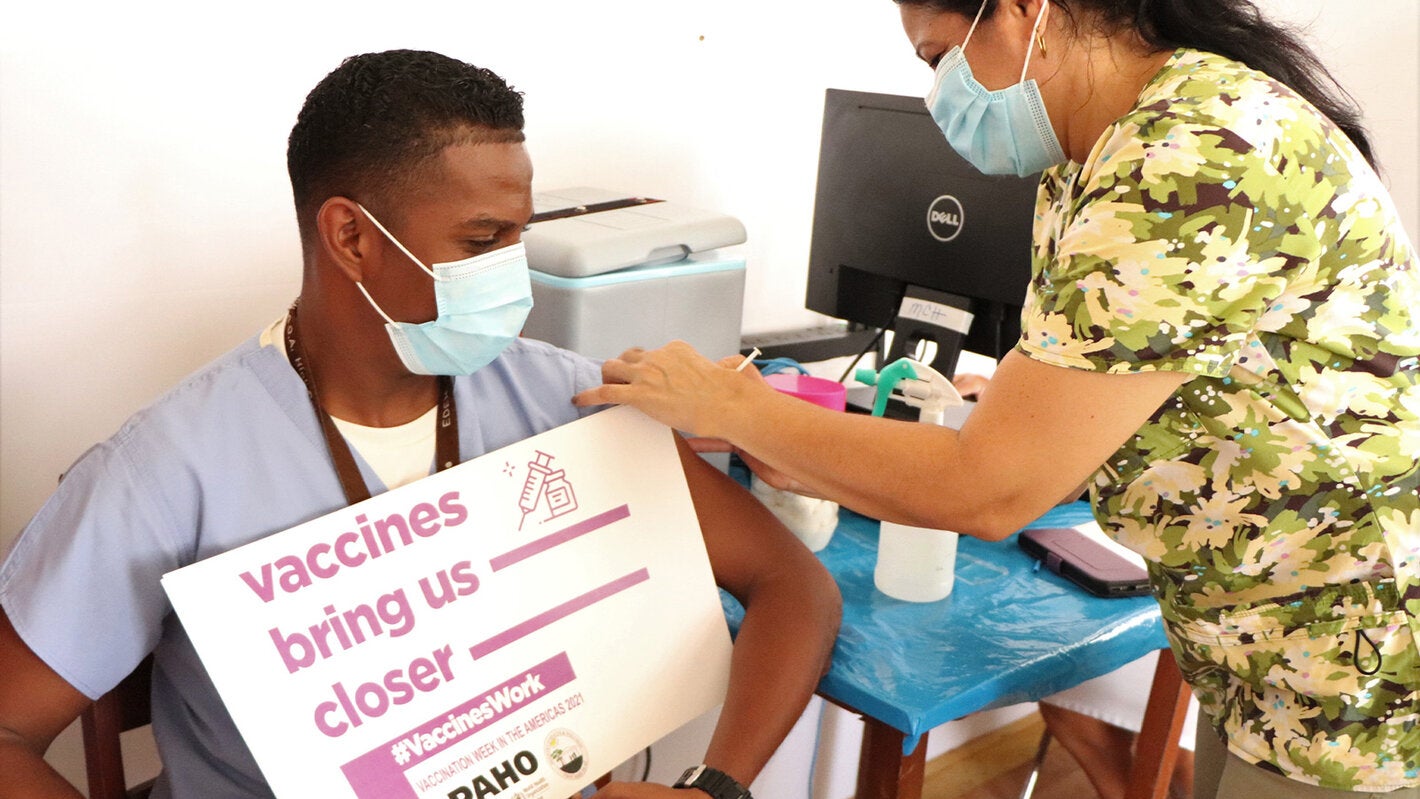

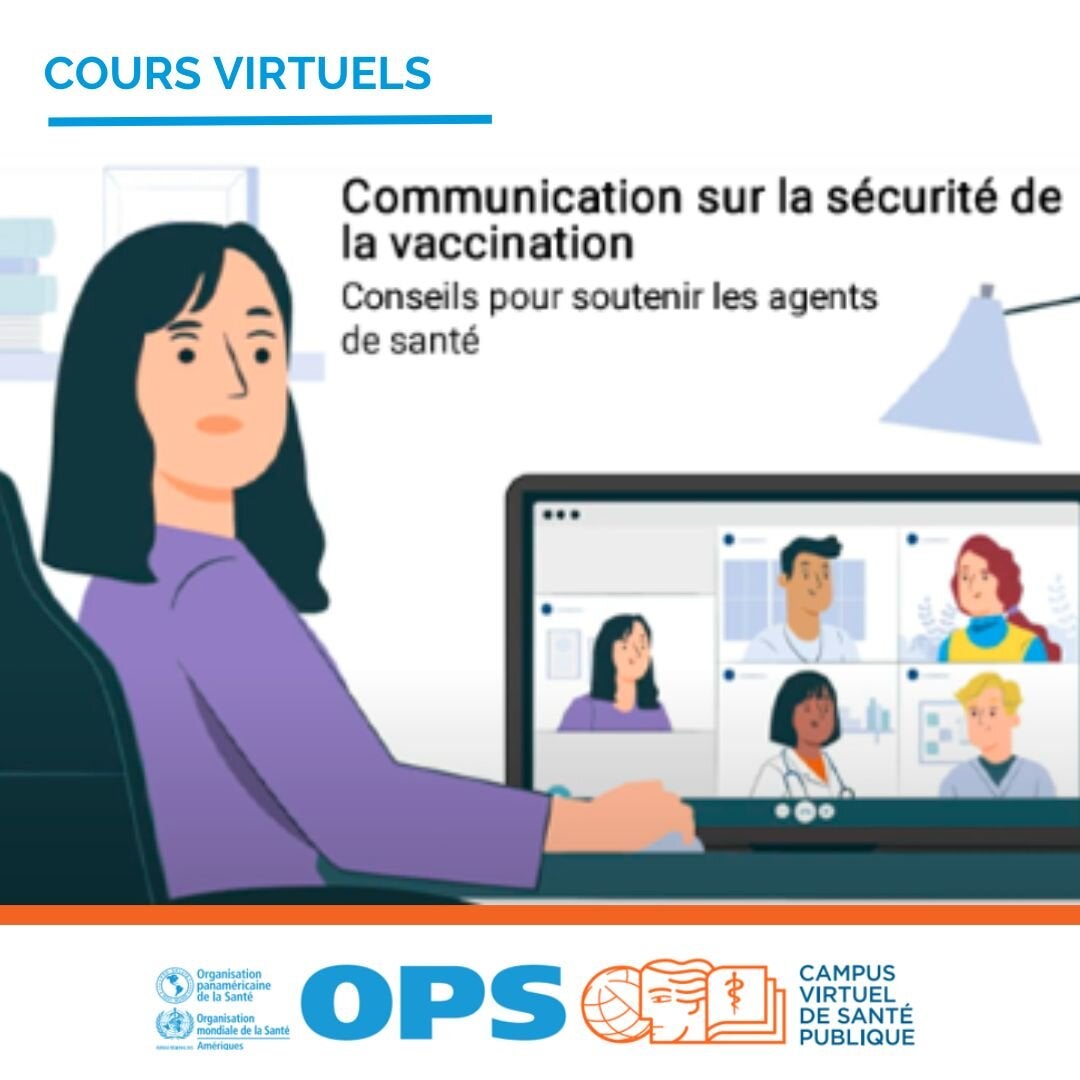
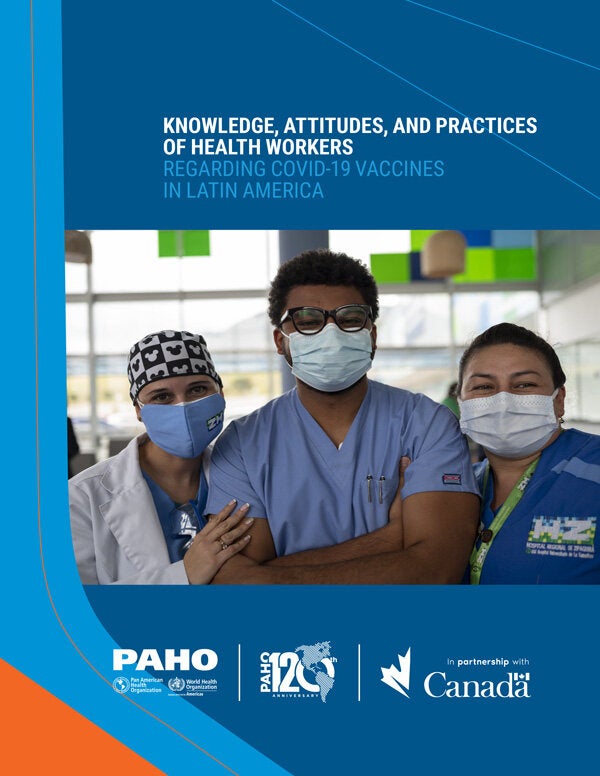
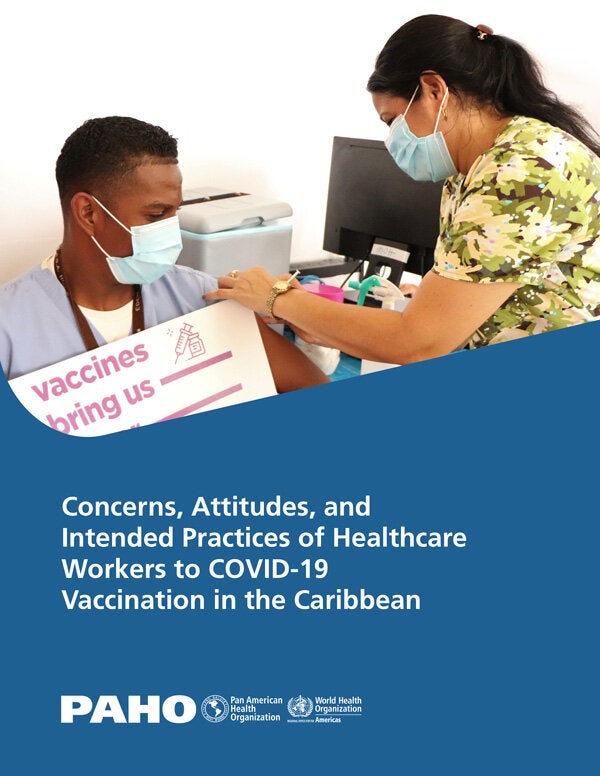
Les agents de santé sont toujours considérés comme les sources d’information les plus fiables sur la vaccination. Les recommandations des agents de santé en faveur de la vaccination peuvent avoir des retombées considérables sur l’adoption des vaccins. Cependant, pour que ces recommandations aient un effet optimal, ils doivent les présenter avec empathie, en délivrant des informations factuelles et en gardant à l’esprit une perspective culturelle et les obstacles potentiels liés à la culture. Pour cette raison, l’OPS encourage fortement les programmes nationaux de vaccination à investir dans leurs agents de santé en les formant à la communication interpersonnelle sur la vaccination. Outre les formations, les programmes nationaux de vaccination devraient élaborer des outils et des aides visuelles pour s’assurer que les agents de santé disposent des connaissances scientifiques nécessaires pour répondre à des demandes de conseils sur la vaccination de la part des clients et des membres de la communauté.
De même, le personnel de communication sur la santé devrait envisager d’élaborer des campagnes, des stratégies et des interventions particulières, ou au moins des messages ciblés ayant fait l’objet de tests auprès du public, à l’attention des agents de santé, afin d’insister sur les points clés qu’ils doivent garder à l’esprit lorsqu’ils doivent communiquer avec les clients et le grand public sur des questions liées à la vaccination.