Trust is the bedrock of immunization programs. When populations trust their health care providers, the health system and their country’s Ministry of Health, they are more likely to follow their vaccination recommendations. However, when this trust is eroded or broken, vaccine uptake can falter, leaving populations at risk for vaccine-preventable diseases (VPD).
One of the most important things governments can do to strengthen trust in vaccination is to follow risk communications and community engagement (RCCE) principles. In the absence of clear communication, rumors about the risks of vaccination, distrust in the immunization program, and refusal or hesitancy to get vaccinated can flourish. Failure to communicate effectively about vaccination can result in serious reputational issues to immunization programs and the health system at large, decreased vaccine acceptance and uptake, and increased risk of outbreaks of VPD among under-immunized population groups.

Principles of Risk Communication and Community Engagement (RCCE) for Vaccination
Following the WHO Strategic Communications Framework’s principles of RCCE improves communication about vaccine-preventable diseases (VPD) and vaccination:
Engaging with communities is essential to understand their needs and perspectives about vaccination. Additionally, collaborating with communities will allow immunization programs to develop better-quality vaccination services and improve systems and policies.
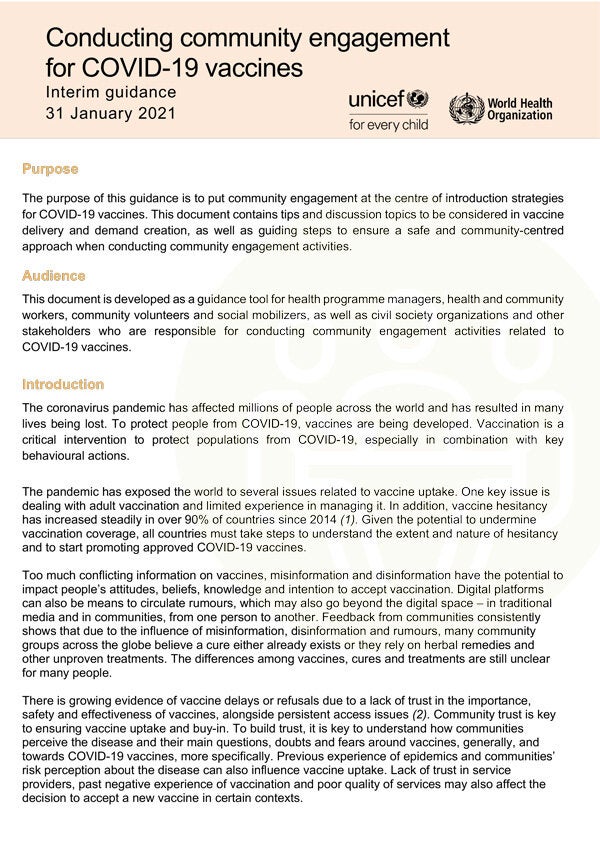
Use the WHO document Human-centred design for tailoring immunization programmes: a practical guide to engage communities to diagnose barriers to vaccination, design and implement interventions to address them, and evaluate and adjust as needed.
Managing false information about vaccination
False information about vaccination has a very real impact on vaccine uptake. Mis- and dis-information about vaccines have the potential to shake public trust in the routine immunization schedule, as well as new vaccines. Studies have shown that exposure to negative misinformation about vaccines—as little as 5–10 minutes—increases the risk perception of vaccination and is associated with a lesser chance of getting vaccinated; exposure to false information about the risk of vaccination can lead people to perceive risks where there are none (or the risks are extremely low).
Communicators supporting national immunization programs should invest in social listening activities across a variety of platforms to understand what their audiences are thinking and saying about vaccination; they can then use this information take steps to correct false information through pre-bunking and debunking.
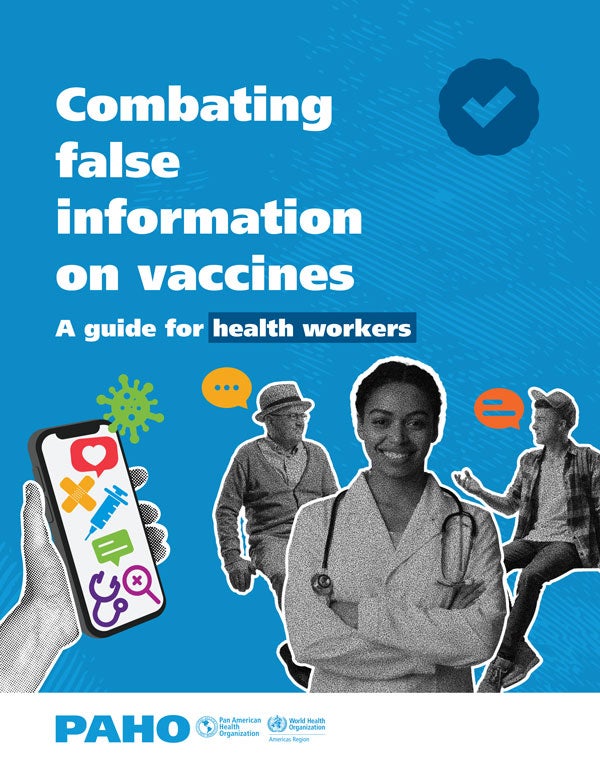
Combating false information on vaccines:
| The document "Combating False Information on Vaccines: A Guide for Health Workers" is designed to help health workers address vaccine misinformation. It begins by defining misinformation and explaining why it spreads rapidly, often due to its emotional appeal and simplistic explanations. The guide identifies common sources of vaccine misinformation, including influential individuals who profit from spreading false information. The document outlines strategies for combating misinformation, emphasizing the importance of health workers as trusted sources. It provides tips for identifying misinformation online, such as checking URLs, dates, and author credentials, and recognizing tactics like evoking strong emotions or pushing conspiracy theories. Two main approaches to fighting misinformation are discussed: prebunking and debunking. Prebunking involves warning individuals about potential misinformation before they encounter it, while debunking aims to correct false information after it has been consumed. The guide offers practical examples for both methods. Additionally, the document highlights the role of health workers in supporting peers and patients to trust immunization. It suggests being kind, nonjudgmental, and transparent when addressing concerns, and using motivational interviewing techniques to understand and respond to patients' doubts. Overall, the guide emphasizes the critical role of health workers in maintaining trust in vaccines and provides comprehensive strategies to identify, address, and prevent the spread of vaccine misinformation in clinical and community settings. The guide is a valuable resource for health workers to enhance their ability to combat vaccine misinformation, support informed decision-making, and promote trust in vaccines within their communities, and it addresses a pressing issue with practical solutions, supports trusted health workers, and ultimately aims to protect public health by promoting accurate information and trust in vaccines. |
| The document "Combating False Information on Vaccines: A Guide for EPI Managers" is designed to help Expanded Program on Immunization (EPI) managers address vaccine misinformation. It begins by defining misinformation and explaining why it spreads rapidly, often due to its emotional appeal and simplistic explanations. The guide identifies common sources of vaccine misinformation, including influential individuals who profit from spreading false information. The document outlines strategies for combating misinformation, emphasizing the importance of EPI managers as trusted sources. It provides tips for identifying misinformation online, such as checking URLs, dates, and author credentials, and recognizing tactics like evoking strong emotions or pushing conspiracy theories. Two main approaches to fighting misinformation are discussed: prebunking and debunking. Prebunking involves warning individuals about potential misinformation before they encounter it, while debunking aims to correct false information after it has been consumed. The guide offers practical examples for both methods. Additionally, the document highlights the role of EPI managers in supporting health workers to trust immunization. It suggests being kind, nonjudgmental, and transparent when addressing concerns, and using motivational interviewing techniques to understand and respond to health workers' doubts. The guide also emphasizes the importance of creating a supportive environment for health workers, promoting pro-vaccine norms, and providing continuing education on vaccines. Overall, the guide aims to help EPI managers maintain trust in vaccines and provides comprehensive strategies to identify, address, and prevent the spread of vaccine misinformation in clinical and community settings. This document is necessary to equip EPI managers with the knowledge and tools to combat vaccine misinformation, support their teams, and promote trust in vaccines, ultimately protecting public health. |
| False information about vaccines and vaccination – whether it is spread intentionally (known as disinformation) or not (known as misinformation) – poses a serious threat to public health in the Americas. Multiple studies have shown that exposure to vaccine-related misinformation can shake population trust in the Expanded Program on Immunization (EPI) and negatively impact individuals’ attitudes and intentions toward vaccination, even among individuals who have previously been vaccinated. Unsurprisingly, misinformation that implies vaccination causes harm and that sounds scientifically credible has shown to be more likely to deter individuals from intending to get vaccinated. Fighting back against science deniers and their misinformation is a critical part of maintaining trust in immunization and protecting populations from a variety of vaccine-preventable diseases (VPDs). Critical in this fight are understanding how and why misinformation spreads; which approaches can be employed to combat it, both before and after people have been exposed; and rebuilding trust in immunization after it has been shaken. Ministry of Health risk communication and community engagement (RCCE) teams face a daunting task in staying abreast of misinformation, so they are able to monitor it and take decisive action to combat it when needed. By collaborating at the national, district, and local levels with a variety of partners – including health workers (HW), who have been repeatedly shown to be the most trusted source of information on vaccines and vaccination – RCCE teams can use several different approaches to equip their audiences with the tools and knowledge to resist misinformation. |
| The document "Combating False Information on Vaccines: A Guide for Educators" aims to help educators address vaccine misinformation. It begins by defining misinformation and explaining why it spreads rapidly, often due to its emotional appeal and simplistic explanations. The guide identifies common sources of vaccine misinformation, including influential individuals who profit from spreading false information. The document outlines strategies for combating misinformation, emphasizing the importance of educators as trusted sources. It provides tips for identifying misinformation online, such as checking URLs, dates, and author credentials, and recognizing tactics like evoking strong emotions or pushing conspiracy theories. Two main approaches to fighting misinformation are discussed: prebunking and debunking. Prebunking involves warning individuals about potential misinformation before they encounter it, while debunking aims to correct false information after it has been consumed. The guide offers practical examples for both methods. Additionally, the document highlights the role of educators in supporting students and their families to trust immunization. It suggests being kind, nonjudgmental, and transparent when addressing concerns, and using motivational interviewing techniques to understand and respond to students' doubts. The guide also includes lesson plan ideas and video discussion questions to help educators integrate these strategies into their classrooms. Overall, the guide emphasizes the critical role of educators in maintaining trust in vaccines and provides comprehensive strategies to identify, address, and prevent the spread of vaccine misinformation in educational settings. It provides educators with the knowledge and tools to identify and combat vaccine misinformation effectively. This is crucial as educators are trusted sources of information and can influence students and their families positively. |
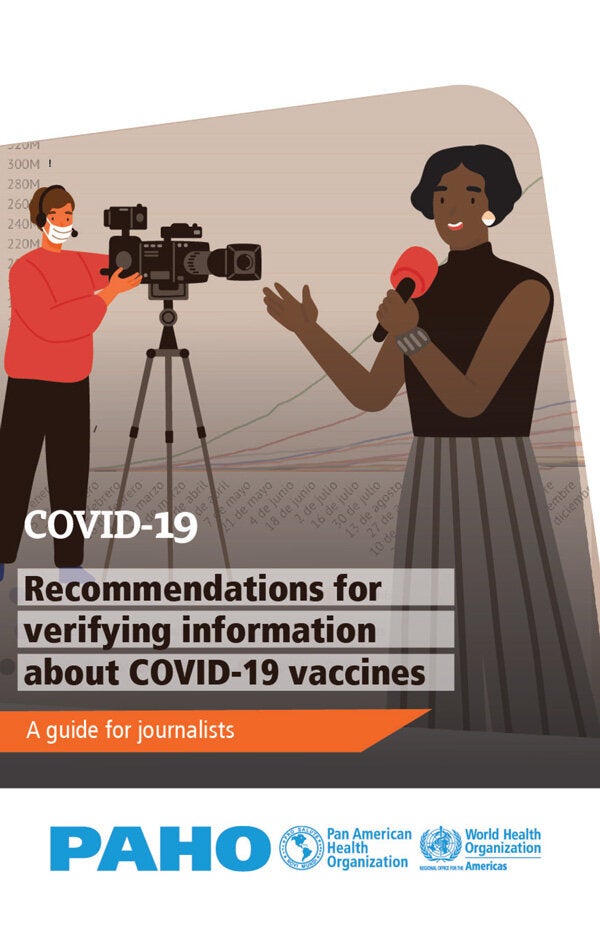
| Journalists play a critical role in keeping the public up to date on information they need to be healthy, including staying current on their vaccines. Along with health workers, the media is one of the most trusted sources the public have for scientific information; journalists help shape perceptions, attitudes, and even behaviors. This document aims to support journalists, regardless of their medium, to accurately cover stories related to vaccines and vaccination. Journalists play a critical role in keeping the public up to date on information they need to be healthy, including staying current on their vaccines. Along with health workers, the media is one of the most trusted sources the public have for scientific information; journalists help shape perceptions, attitudes, and even behaviors. While misinformation about vaccination is as old as vaccines themselves, its more recent explosion, especially on social media, has caused concern for health professionals and scientists. Studies have demonstrated that even brief exposure to vaccine misinformation can negatively impact individuals’ attitudes and intentions toward vaccination, even among people who have previously been vaccinated. As vaccination coverage rates fall, populations are left exposed to deadly vaccine-preventable diseases (VPDs) like measles, pertussis (whooping cough), polio, tetanus, and others. Keeping people healthy and protected from VPDs requires collaboration across sectors, especially in the face of vaccine misinformation. For this reason, PAHO has created this document for media professionals covering vaccination, which covers bias and balance, norms and perceptions, and tips on other related topics, as well as additional resources for further information. |
| Have you seen or heard something about vaccines online that has made you do a double take? There is no shortage of vaccine misinformation out there, from wild conspiracy theories to small pieces of the truth that have been distorted or blown out of proportion. What is true though, is that the overwhelming majority of scientists and medical experts agree that vaccines are safe and effective, and that not being vaccinated puts you and your loved ones at risk of deadly diseases that could start to make an appearance again if not enough people are vaccinated. Because even a brief exposure to misinformation about vaccines can impact a person’s decision to get vaccinated, it is important that we all do our part to stop its spread. As a content creator on social media, you can learn tips and tricks on how to spot misinformation and share them with your followers. By doing so, you will be making the world a healthier and safer place – and who does not want that? |
Podcasts
Let’s Talk About Health: Vaccines, myths and facts with Dr Daniel Salas
[In spanish]
Everything You Need to Know About Vaccines with Dr. Pau Zúñiga
[In Spanish]
Pre-bunking
Debunking
For both pre-bunking and debunking, social listening is critical to understand what audiences are saying about vaccination and what rumors that might impact uptake are circulating.
For more information about handling false information related to vaccination, see the PAHO publication Communicating about Vaccination-related Risks. The document also includes practical dos and don’ts regarding risk communication and community engagement processes and principles, messaging, risk perceptions, handling false information, collaborating with partners, and pharmacovigilance, as well as real-world examples.
Health workers and vaccination
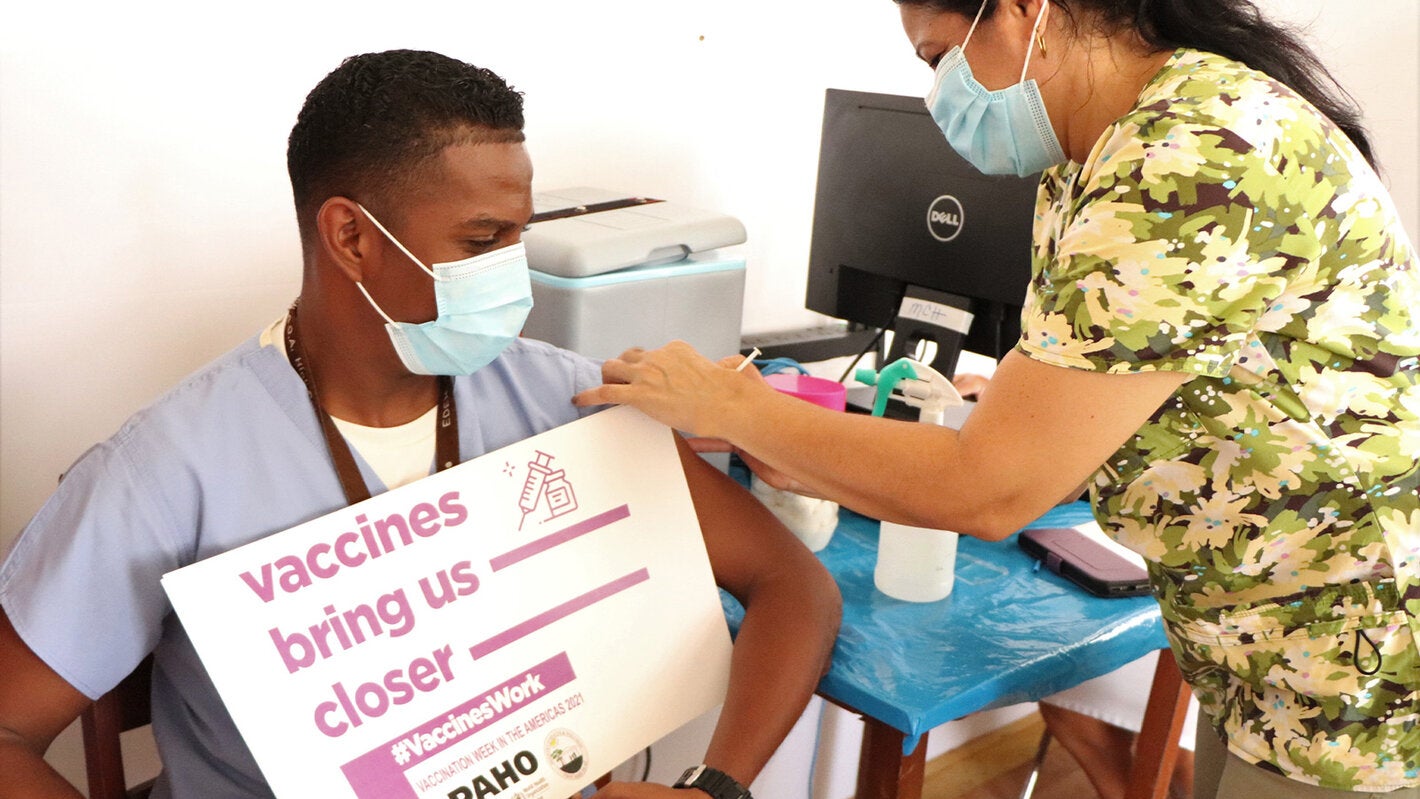

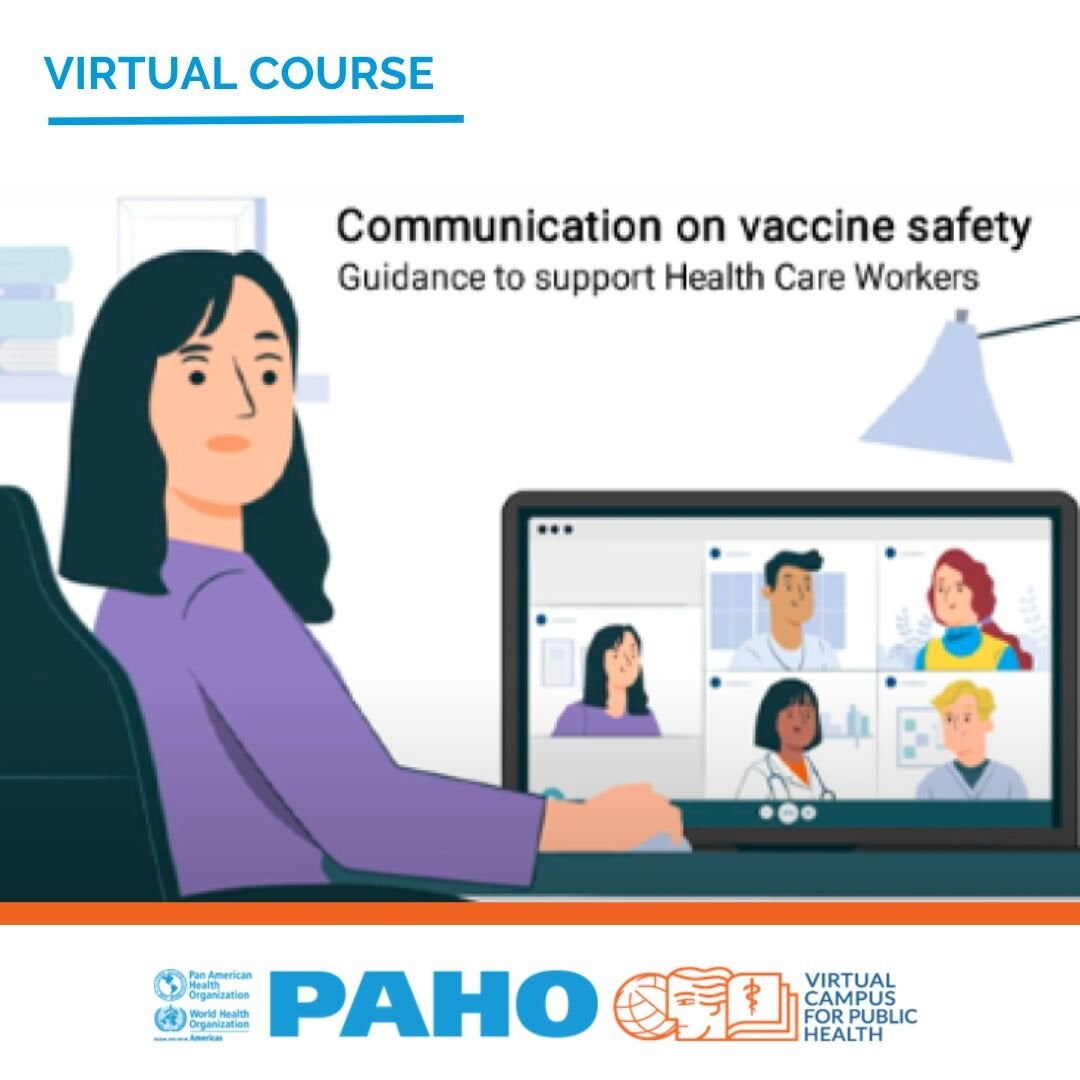
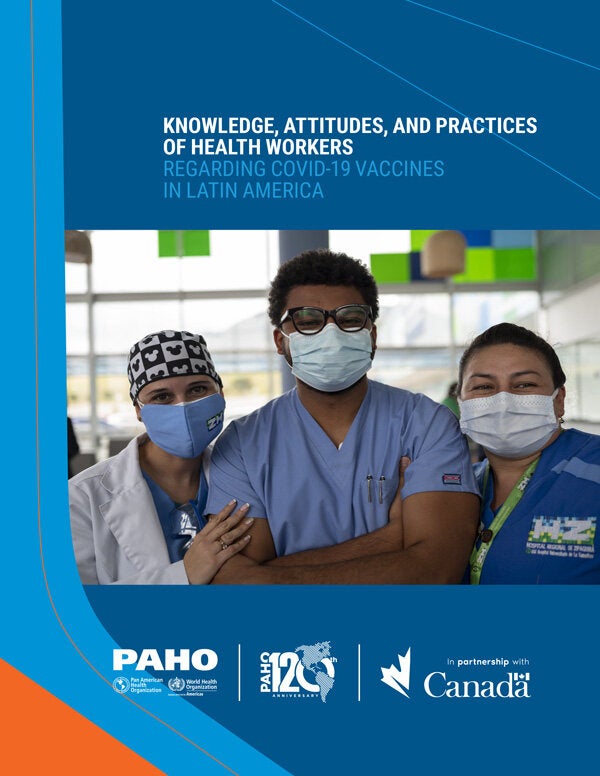
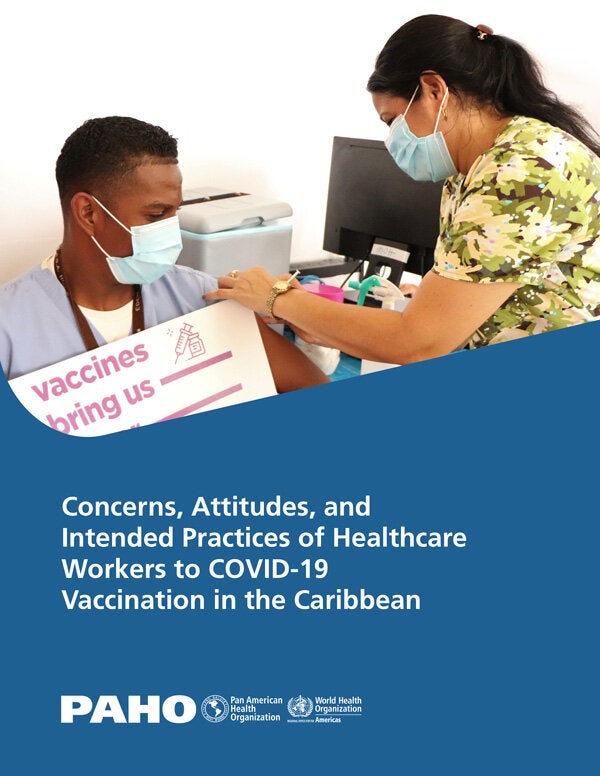
Health workers (HW) are consistently ranked as among the most trusted sources of information on vaccination. A HW’s recommendation in favor of vaccination can be incredibly impactful in terms of vaccine uptake. However, for these recommendations to have the maximum effect, HWs must deliver them empathetically and with fact-based information, keeping in mind cultural considerations and possible barriers. For this reason, PAHO strongly encourages national immunization programs (NIP) to invest in their HWs by training them in two-way interpersonal communication about vaccination. In addition to trainings, NIPs should develop tools, trainings and visual aids to ensure HW have the scientific knowledge they need on hand when conversing with clients and community members who may come to them seeking advice on vaccination.
Likewise, health communications professionals should consider developing specific campaigns, strategies and interventions—or at least targeted messaging that has been pretested with the audience—geared at HW to help reinforce key points they should keep in mind when it comes to communicating with clients and the general public about vaccination.