
 15 March 2016 | Geneva — An estimated 12.6 million people died as a result of living or working in an unhealthy environment in 2012 — nearly one in four of total global deaths, according to new estimates from the World Health…
 15 March 2016 | Geneva — An estimated 12.6 million people died as a result of living or working in an unhealthy environment in 2012 — nearly one in four of total global deaths, according to new estimates from the World Health…
The Pan American Health Organization (PAHO) and the Organization of American States (OAS) are partnering with the University of Miami's Collaborative Institutional Training Initiative (CITI Program) to offer a series of online courses on research practices and standards, designed to promote high-quality, ethical, and high-impact research.
Courses…
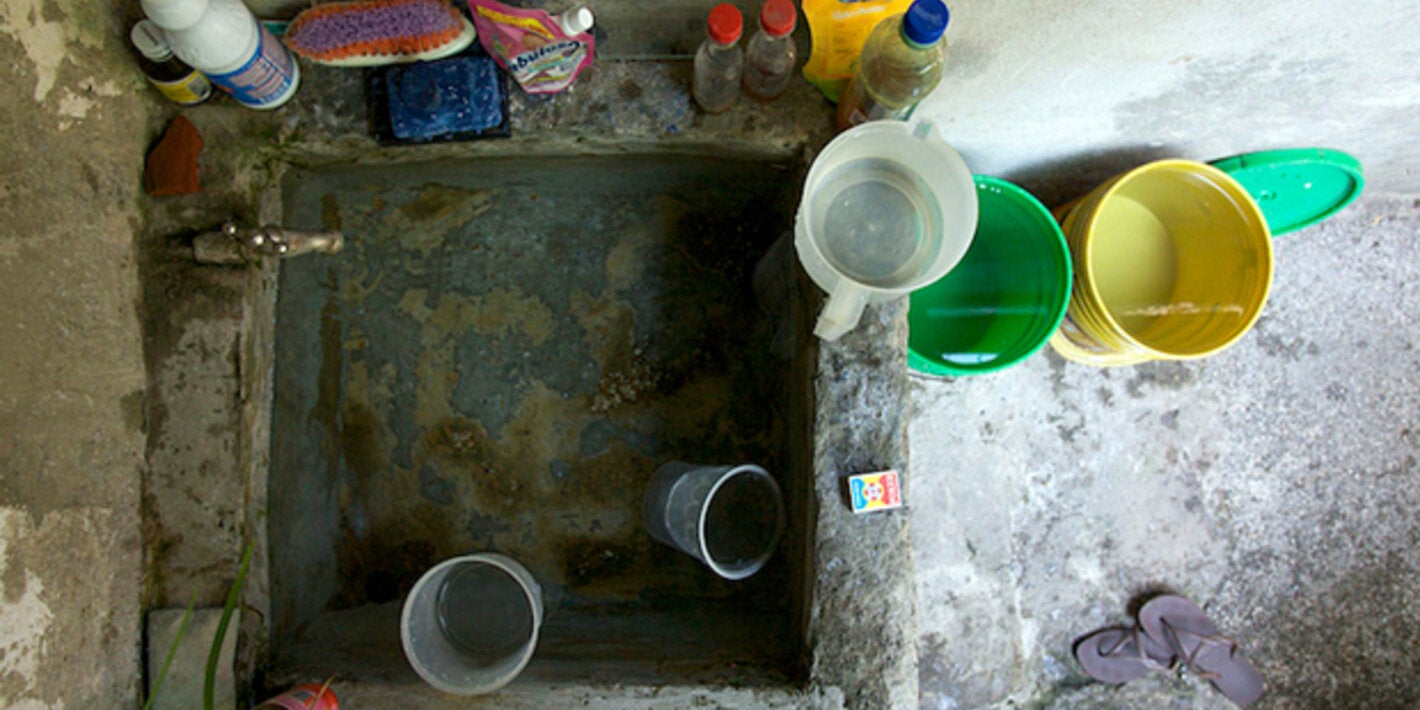
Washington, March 11, 2016 (PAHO/WHO)—Control of mosquitoes that transmit Zika, dengue and chikungunya viruses must be ramped up in the Americas, experts have urged after a three-day meeting at the Pan American Health Organization/World Health Organization (PAHO/WHO).
The new Technical Advisory Group on Public Health Entomology is looking at ways…

8 March 2016 - The second meeting of the Emergency Committee (EC) convened by the Director-General under the International Health Regulations (2005) (IHR 2005) regarding clusters of microcephaly cases and other neurological disorders in some areas affected by Zika virus was held by teleconference on 8 March 2016, from 13:00 to 16:45 Central…

Health is a key component of sustainable development; likewise, achieving many Sustainable Development Goals will impact the health of the world's population. Therefore, aligned with this global agenda and other ongoing commitments, PAHO joins this year's commemoration of International Women's Day by drawing attention to the urgent need to achieve…
Research efforts must be ramped up to explore the unknown factors in microcephaly and congenital malformations that may be linked to infection with the Zika virus, international researchers concluded, after a two-day meeting at the Pan American Health Organization/World Health Organization (PAHO/WHO).…
Washington, D.C., March 3, 2016 (PAHO/WHO) —Strengthening surveillance for birth defects will help countries obtain more accurate estimates of the prevalence of microcephaly and other congenital anomalies in newborns, say experts from the Pan American Health Organization/World Health Organization (PAHO/WHO). PAHO/WHO is urging countries to invest…
Puerto Rico, 29 February 2016 (PAHO/WHO) — At the Humacao cemetery on Puerto Rico's east coast, an elderly woman arranges artificial flowers at a gravestone, talking to herself or perhaps to a departed loved one. Though colorful, the plastic flowers are a pale imitation of the real thing. Yet they're the only flowers authorities allow in the…
Puerto Rico, February 26, 2016 (PAHO / WHO) — The Pan American Health Organization/World Health Organization (PAHO/WHO) and the Arbovirus Laboratory Network (RELDA) have agreed on new guidelines to improve lab confirmation of suspected Zika cases, even as more accurate tests are developed.
"With dengue and chikungunya circulating in the region,…