From communities to laboratories, the PROTECT project is strengthening early detection and cross-border cooperation to address health threats in the Amazon.
—November 2026 —

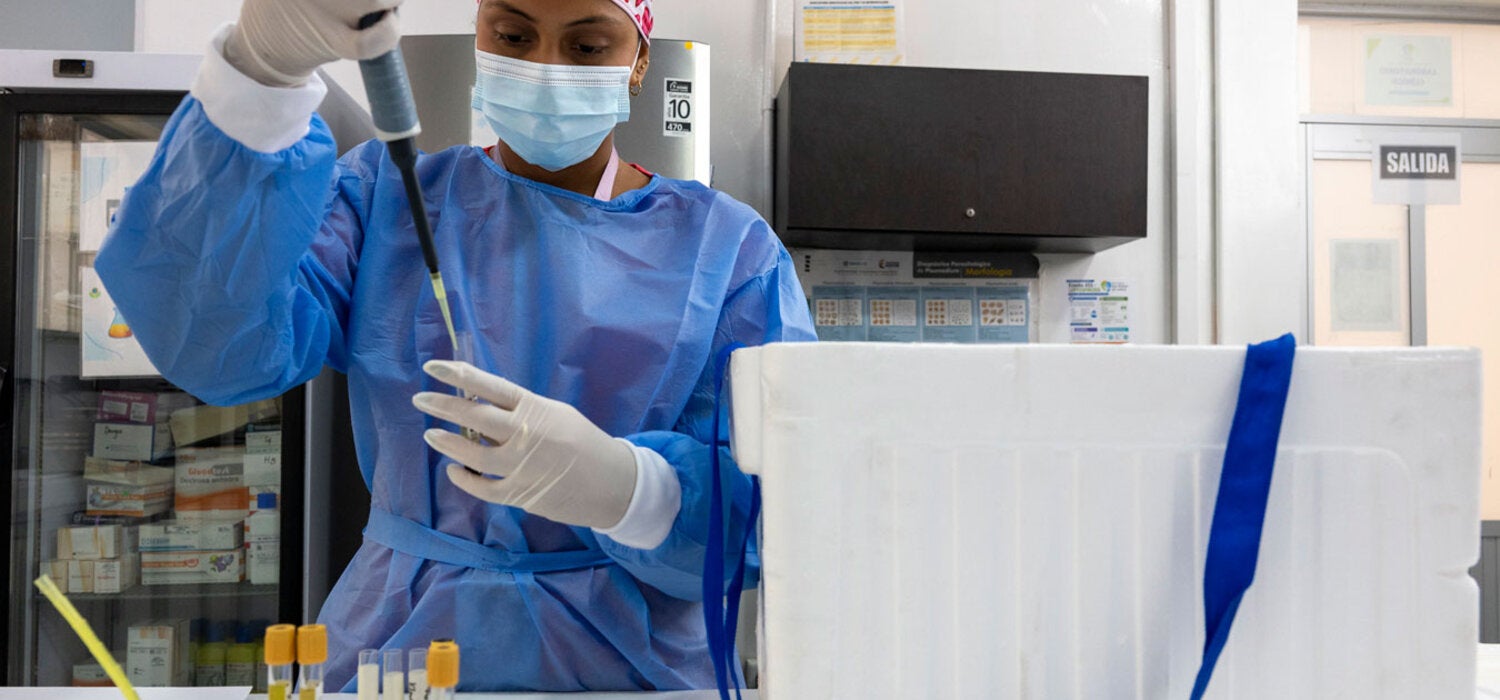
Alicia Margarita Carrillo examines a blood sample from a girl with malaria at Puerto Nariño Hospital in the Colombian Amazon, a two-and-a-half-hour boat ride from Leticia. The bacteriologist places the sample in a hematology analyzer while medical staff await the results to determine the next steps.
Within minutes, the results show that the girl's hemoglobin level has dropped from 8.8 to 7.3 and that her platelet count has also declined. The findings indicate significant anemia and the need to refer her to a hospital with more specialized care. “Once we validate the results, doctors can access them through the system and make decisions about each patient's care,” Alicia explains.
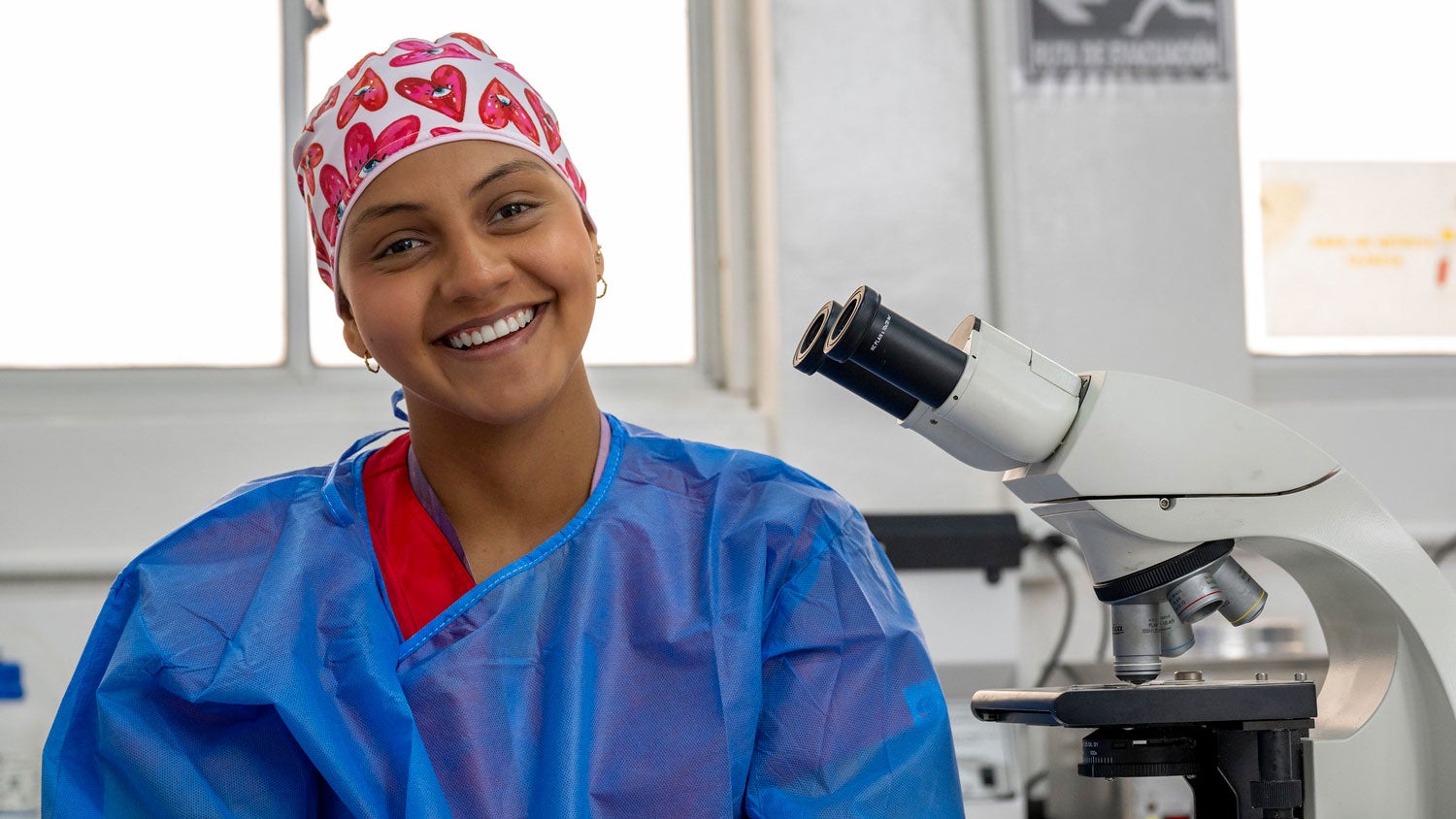
In the Amazon, malaria and dengue remain persistent public health challenges, while diseases such as pertussis (whooping cough) and measles pose risks of outbreaks. Early detection is particularly challenging in a region where communities are separated by vast distances and people frequently cross the borders between Colombia, Peru, and Brazil.
At the hospital in Puerto Nariño, Alicia can perform malaria tests, complete blood counts, and other basic laboratory tests, but more complex tests require sending samples to Leticia, more than two hours away by river. Depending on the boat schedule, results may be available the same day or the following day.
Samples must be kept at the appropriate temperature and protected from damage during transport. In August 2026, Alicia joined laboratory professionals from Colombia, Peru, and Brazil in a simulation exercise organized by the Pan American Health Organization (PAHO/WHO) through the Optimizing Pandemic Response through Engaged Communities and Territories in South America project, known as PROTECT. Participants strengthened their skills in handling and transporting samples and explored new ways to cooperate across the three countries.
“One thing I learned during the workshop was that when we sent samples, we were leaving out certain patient information,” Alicia recalls. She now takes greater care to protect samples and their accompanying documentation, helping prevent losses or damage that could delay results.
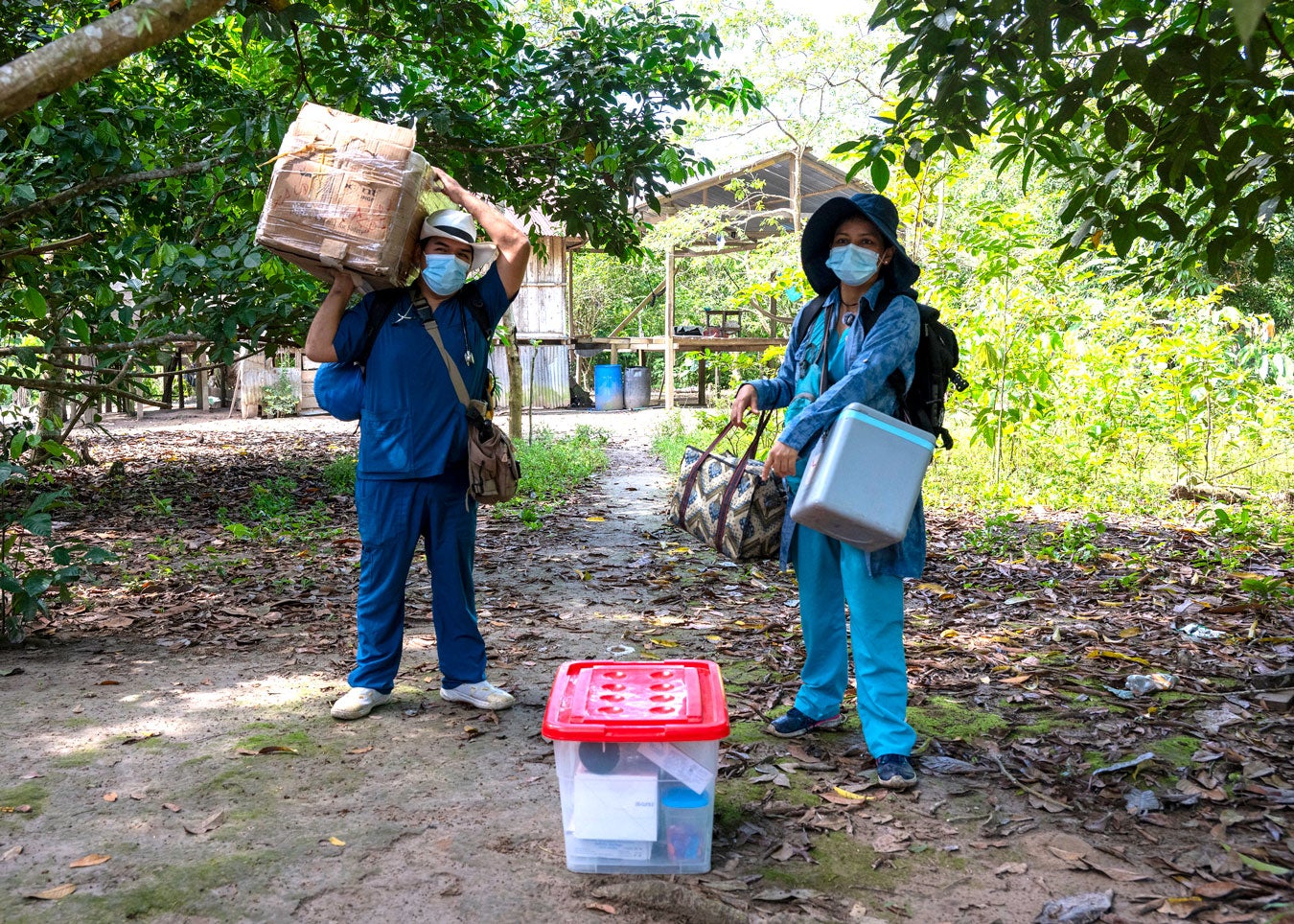
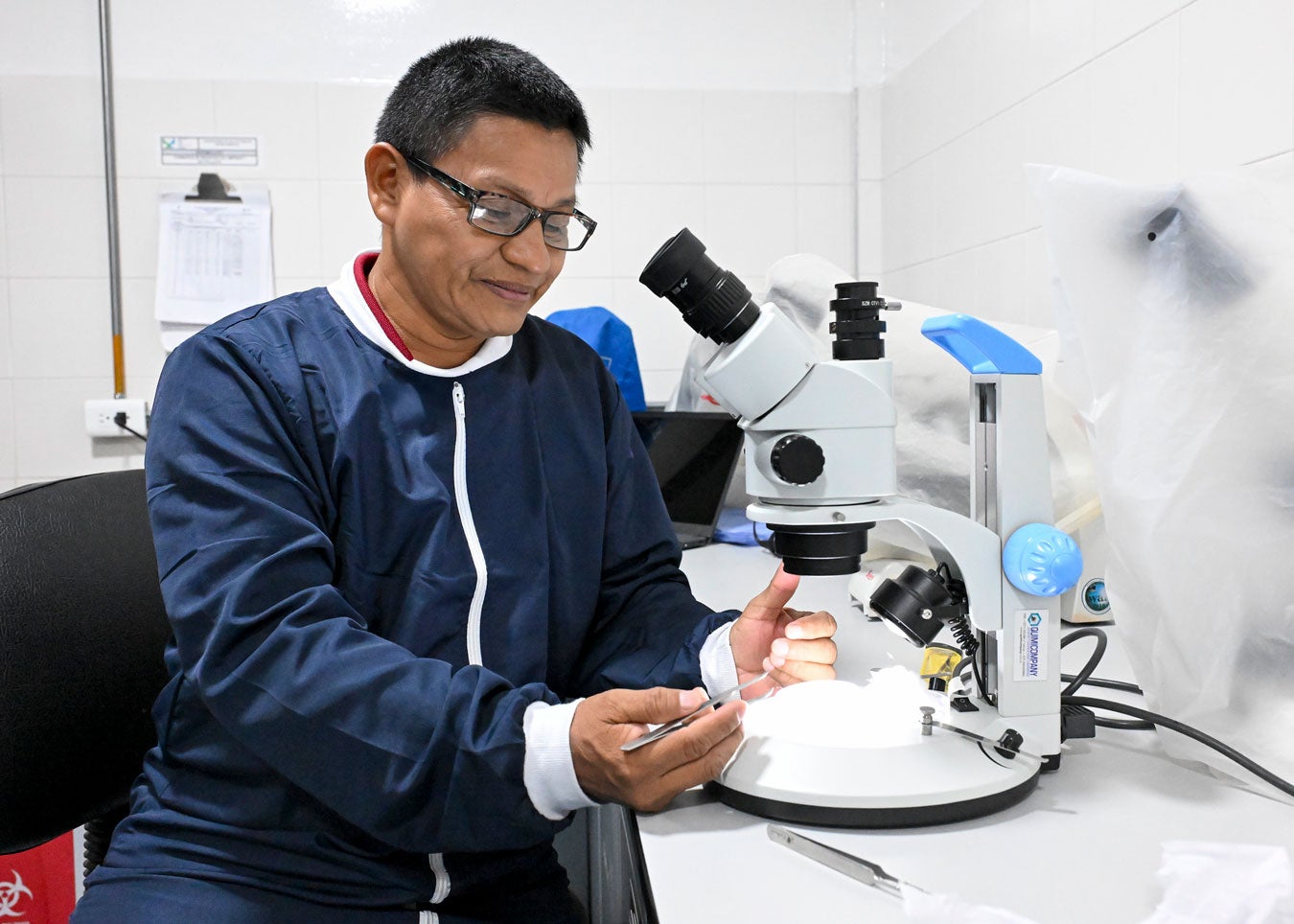
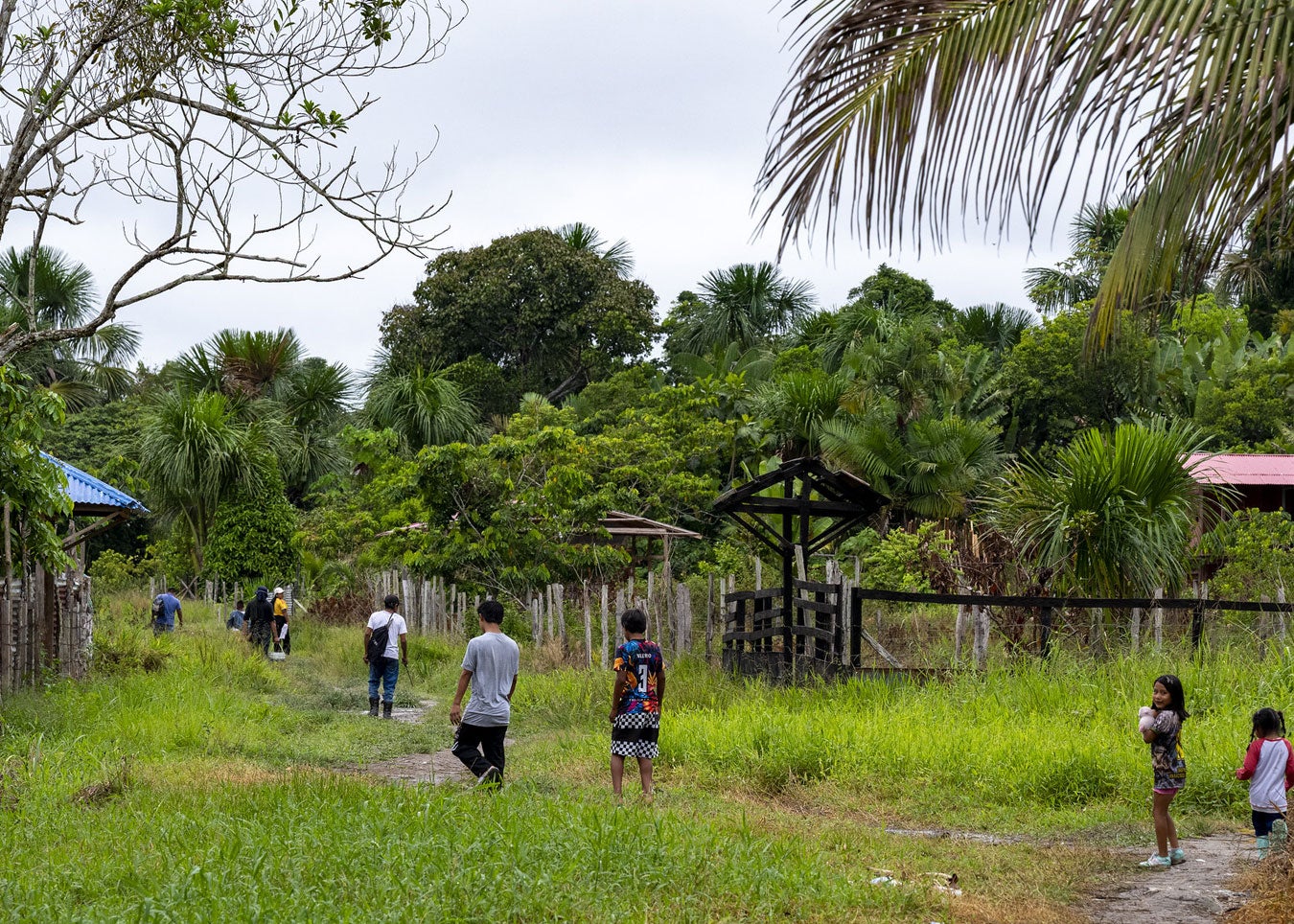
Through the PROTECT project, PAHO is strengthening laboratory capacities in the Amazon to improve the early detection of infectious diseases and support faster responses to public health threats.
Improving early detection and response to health threats like these is one of PROTECT's objectives. Launched in 2024 with funding from the Pandemic Fund, the project operates in priority areas of seven Latin American countries. It is jointly implemented by PAHO and the World Bank, in coordination with participating countries. PAHO leads technical cooperation on epidemiological surveillance, laboratory systems, workforce training, and coordination across countries and sectors.
Under the One Health approach, which recognizes the connections between human, animal, and environmental health, the project also promotes surveillance of diseases transmitted from animals to humans, the use of advanced diagnostic technologies, and risk assessments to anticipate potential outbreaks.
“In regions like the Amazon, detecting a health threat in time requires every link in the chain to work, from an alert raised in a community to sample collection and transport, diagnosis, and information sharing. Through PROTECT, we aim to strengthen each of these links so countries can detect threats earlier and respond more quickly,” said Dr. Ana Rivière Cinnamond, PAHO/WHO Representative in Colombia.
To achieve these goals, PROTECT has provided equipment, trained laboratory personnel, and supported improvements in laboratory procedures. Activities include the delivery of two freezers for preserving biological samples in Amazonas and Caquetá, as well as training and simulation exercises on sample collection, preservation, and safe transport involving professionals from Colombia, Peru, and Brazil.
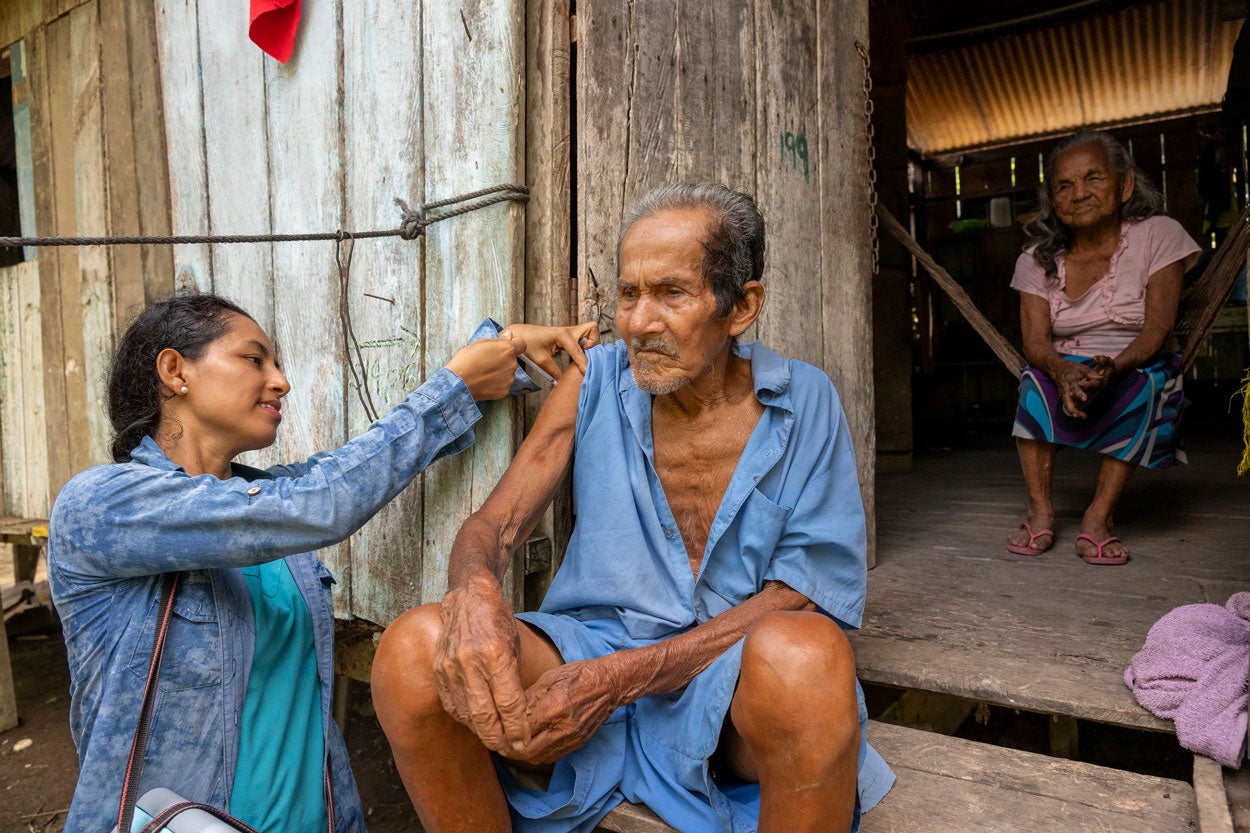
Through PROTECT, PAHO and Colombia's National Institute of Health, with support from the Amazonas Departmental Health Secretariat, also helped establish the first community-based surveillance networks in Leticia and Puerto Nariño. As part of the initiative, 15 community health sentinels were trained to recognize and report signs of potential public health threats, strengthening early detection in remote communities where alerts can take time to reach health services.
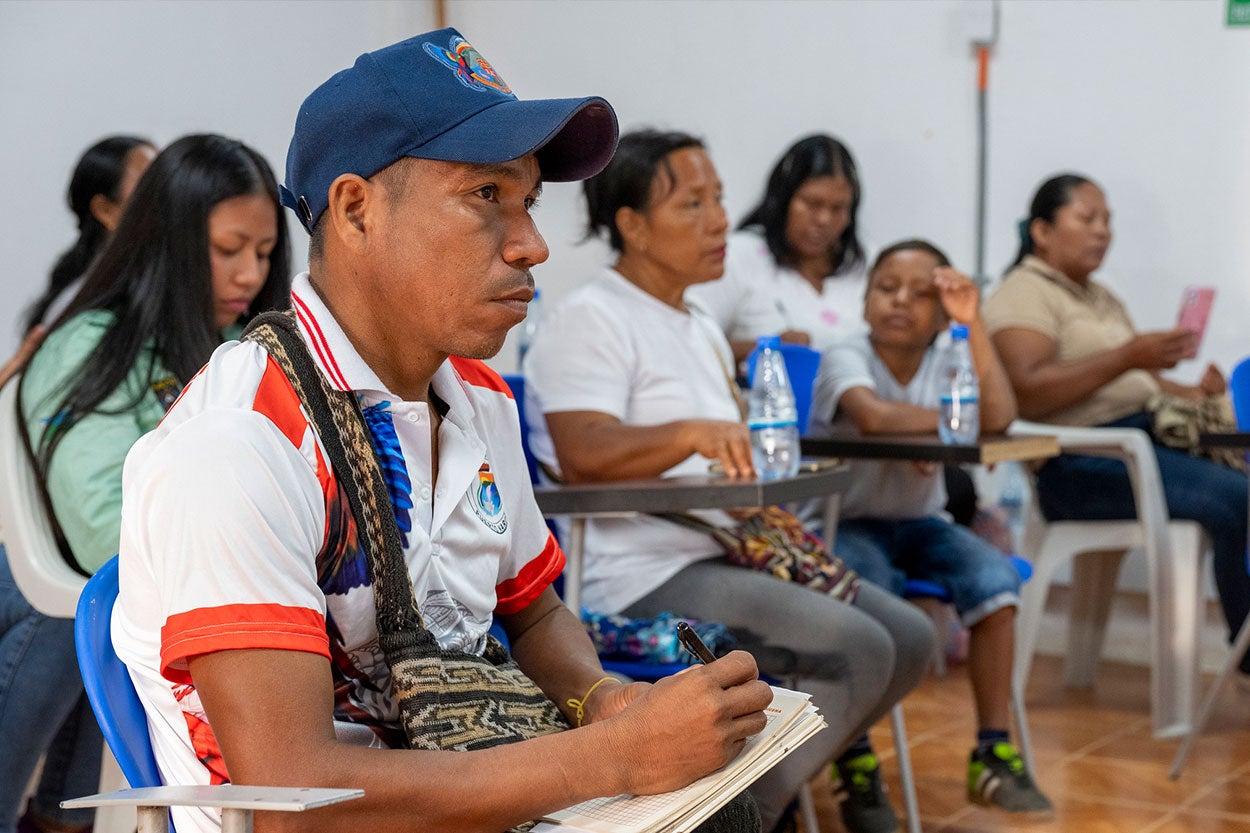
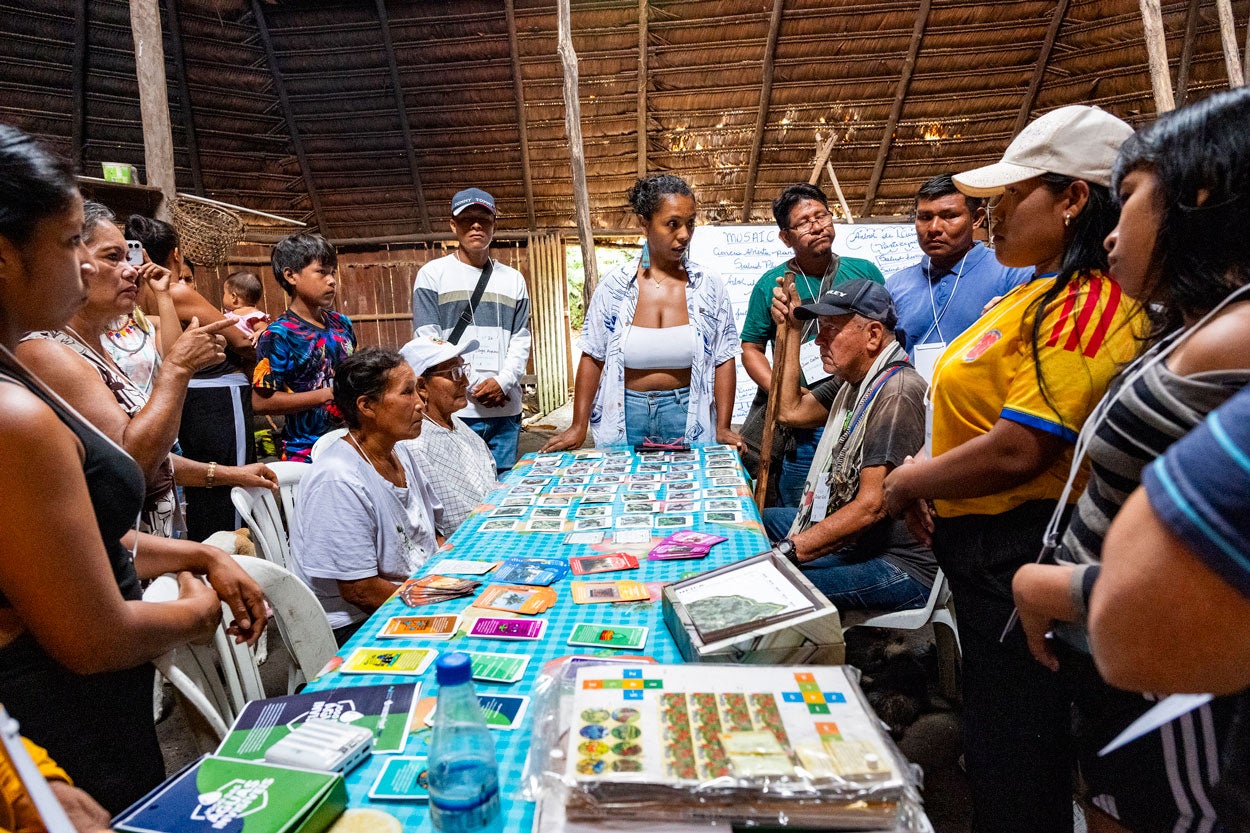
Community health sentinels receive training in Leticia and Puerto Nariño, Colombia, through the PROTECT project to recognize and report potential public health threats, strengthening early detection in remote Amazonian communities.
In August 2026, the deaths of two children in a remote community in the Peruvian Amazon prompted a team from the Santa Rosa Health Center to investigate a suspected pertussis outbreak. Ezequiel Vázquez, a laboratory technician at the center, traveled to the community to collect samples from suspected cases.
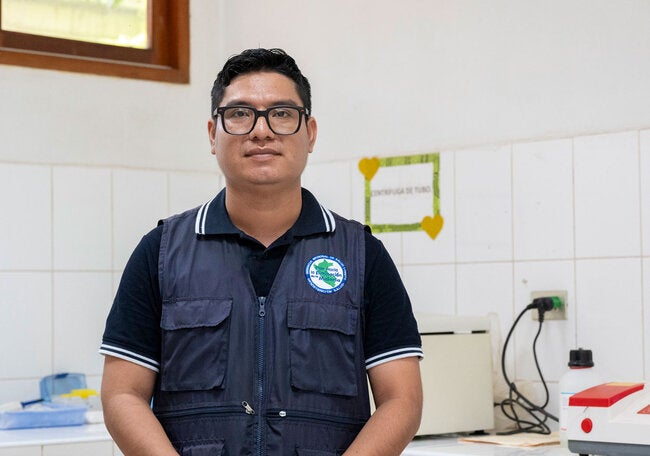
“We had to interrupt the chain of transmission and carry out contact tracing and containment measures as quickly as possible,” Vázquez recalls.
Normally, samples are sent to Iquitos, a process that can take between three and six days. This time, however, thanks to existing contacts between health professionals in Peru and Colombia, the samples were analyzed using molecular tests at the Amazonas Departmental Public Health Laboratory in Leticia, just a ten-minute boat ride from Santa Rosa.
The experience demonstrates how cooperation between laboratories can accelerate diagnosis and help health teams respond more quickly. It also highlights the need to formalize these arrangements so they do not depend solely on personal contacts.
“Diseases know no borders. They don't speak languages,” Vázquez says. “We share the same space.”
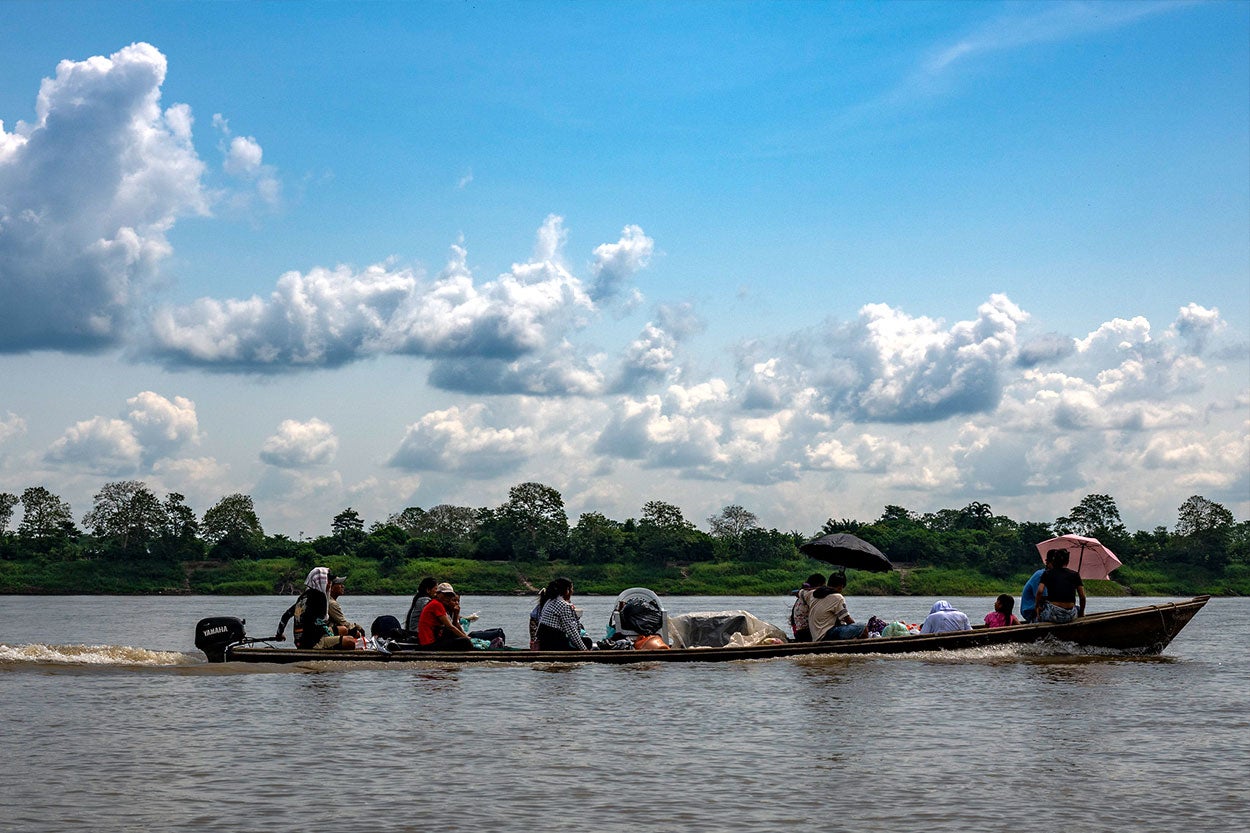
Health professionals from Colombia, Peru, and Brazil are strengthening cooperation on disease surveillance, laboratory diagnostics, and sample transport to improve preparedness and response in the Amazon triple border region.