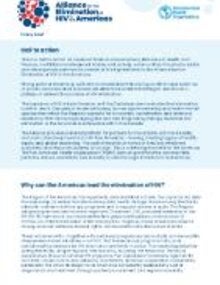
The Alliance for the Elimination of HIV in the Americas is a strategic platform that drives political leadership and fosters collaboration among countries and key partners, accelerating progress toward ending HIV as a public health issue.
Through its convening power and high-level political dialogue, the Alliance creates a shared space where governments, international organizations, academia, and communities come together to drive national and regional initiatives with lasting impact.
The Alliance does not directly implement technical or programmatic interventions. Instead, it plays a catalytic role in shaping the political, institutional, and social conditions needed to enable the scale-up and sustainability of these interventions. It promotes awareness and strengthens capacities around the conceptual, scientific, and programmatic foundations of elimination, building a shared vision of priorities and opportunities to accelerate progress across the Americas.
Our purpose is clear: to move faster, act with greater boldness, and work together to build an Americas free of HIV—leaving a lasting legacy of health for all and demonstrating global leadership.
Join the Alliance
Focus of the Alliance
Political consensus and strategic decision-making
Coordination and strengthening of technical cooperation
Resource mobilization, strategic alliances, and accountability
Regional monitoring, evaluation, and accountability
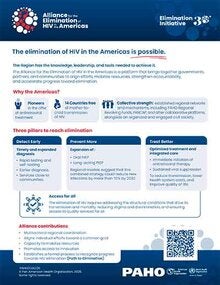
Why the Americas?

Pioneers in the offer of antiretroviral treatment

14 Countries free of mother-to-child transmission of HIV

Collective strength: partners, donors and allies from all sectors alongside and organized civil society and empowered communities
Pillars
The Alliance is built on three biomedical pillars that, together, represent the most transformative opportunity in the history of the HIV response:

Timely and expanded diagnosis
Diagnosis is the gateway to elimination.
- The strategy: to scale up HIV self-testing, index testing and social network approaches, and rapid testing at the point of care.
- The impact: bringing testing into everyday settings reduces stigma, improves confidentiality, and dramatically shortens the time from exposure to treatment initiation.

Expansion of long-acting PrEP
The combination of:
- Oral PrEP
- Long-acting PrEP
Regional models suggest that this combined strategy could reduce new infections by more than 70% by 2030.

Optimized and integrated treatment (U=U)
Undetectable = Untransmittable
- The priority: immediate initiation of antiretroviral treatment upon diagnosis.
- The benefit: early diagnosis and treatment can reduce care costs by up to 20 times compared to advanced HIV disease.

Access
Tools only work if they are accessible to everyone. The Alliance addresses the structural and economic barriers that continue to slow progress toward elimination.
Strategic market management Access to new technologies such as lenacapavir at affordable prices is essential to achieving elimination.
- Our action: to promote regional demand consolidation, facilitate voluntary licensing, and support the expansion of generic manufacturing.
- PAHO’s role: to negotiate through the Strategic Fund to secure affordable pricing and enable pooled procurement, building on the success of oral PrEP.
Social enablers Ending HIV requires inclusive environments.
- Integration: transitioning HIV services from parallel systems into primary health care.
- Human rights: addressing stigma, discrimination, and punitive laws that keep key populations away from health services.
Roadmap to 2030
Our roadmap is a results-driven framework with defined timelines to translate this vision into coordinated action.

2026 (Initial momentum):
- Establishment of the Coordinating Committee.
- Creation of a high-level political moment.
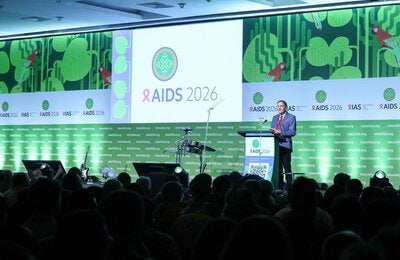
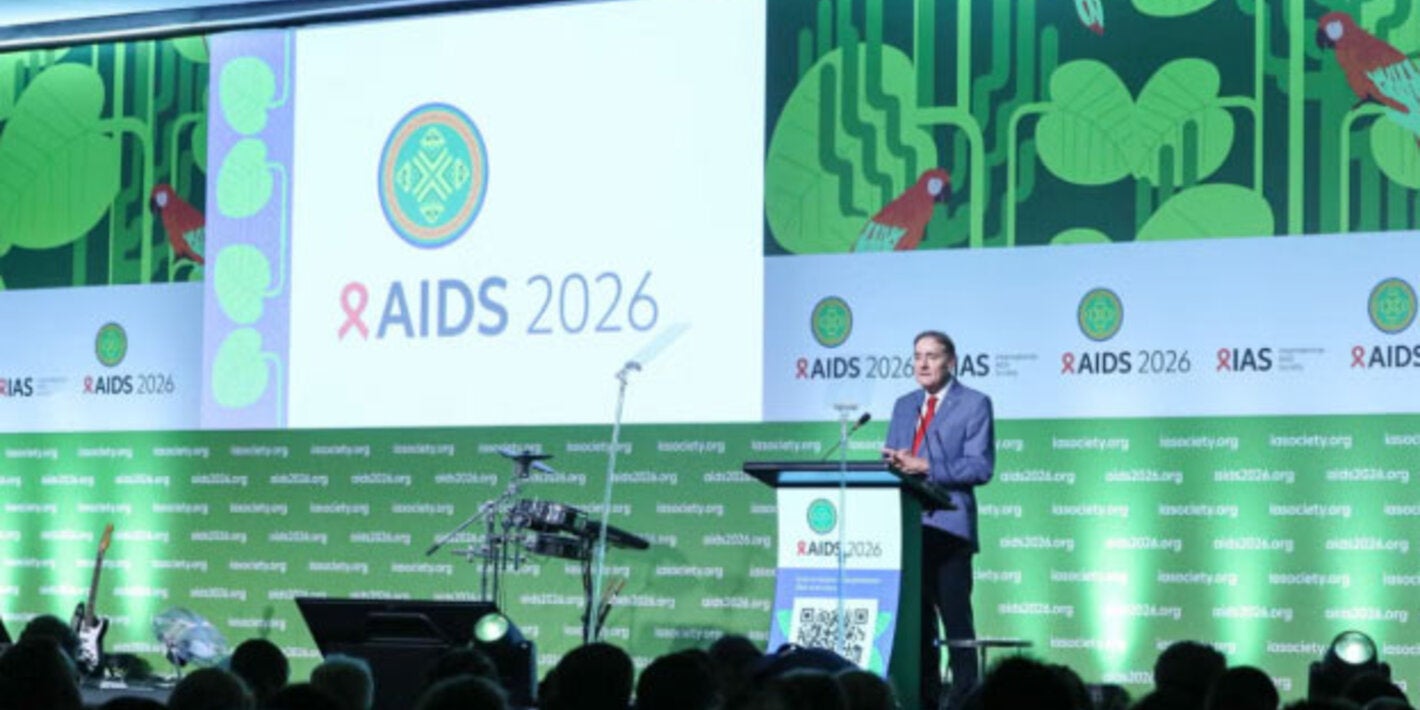
- High-level political moment linked to the 2026 International AIDS Conference.
- Establishment of a regional monitoring framework for HIV elimination in the Americas, with pilot implementation in selected countries.
- Country-level monitoring based on disaggregated data and predictive modeling.

2027–2030 (Scaling and adoption of innovations):
- Rapid adoption of regulatory innovations.
- Mobilization of domestic and catalytic financing.

2030 – HIV eliminated as a public health issue
- 95% of people living with HIV know their status
- 95% of those diagnosed receive antiretroviral treatment
- 95% of people on treatment achieve viral suppression
Governance
A collaborative, participatory, and transparent model designed to accelerate implementation at the country level.
Secretariat: PAHO
The Pan American Health Organization serves as the Secretariat, convening partners, coordinating technical cooperation, and facilitating support through the Strategic Fund.
Partners





Links of Interest

This is one of the +30 diseases and conditions included in the Elimination Initiative and targeted for elimination in the Region of the Americas by 2030.