Noncommunicable Diseases in Emergencies

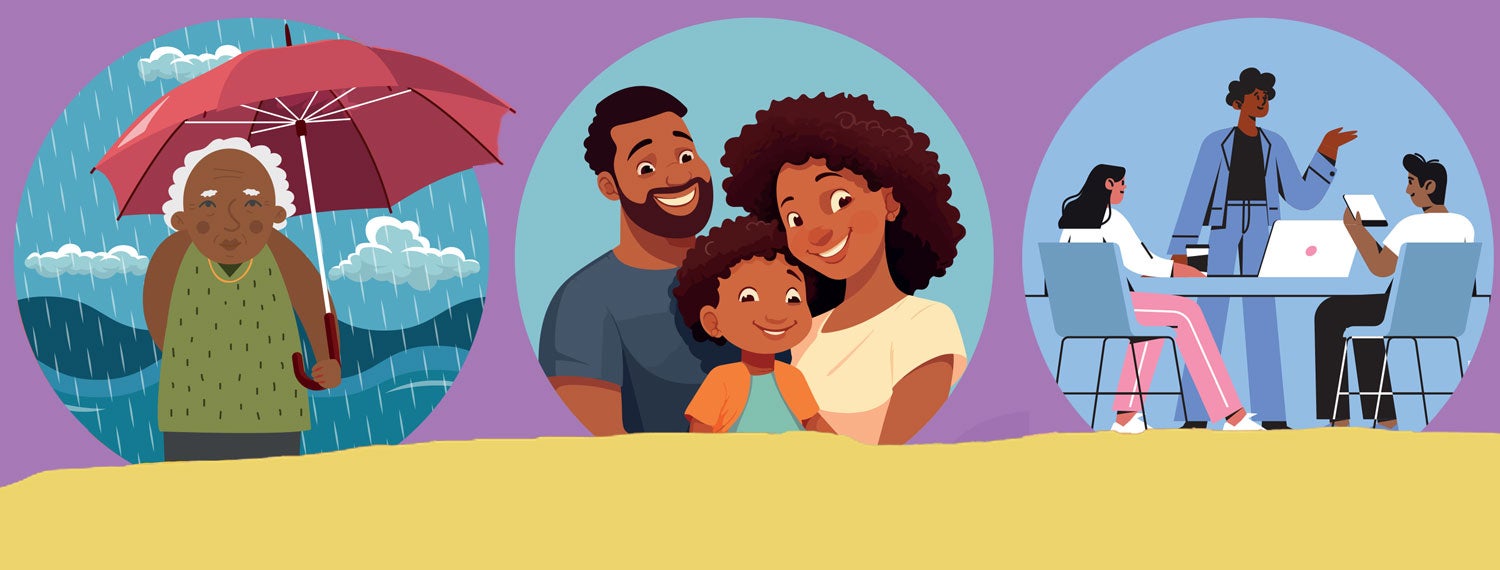
Banner with images of familias, elderly, and office settings

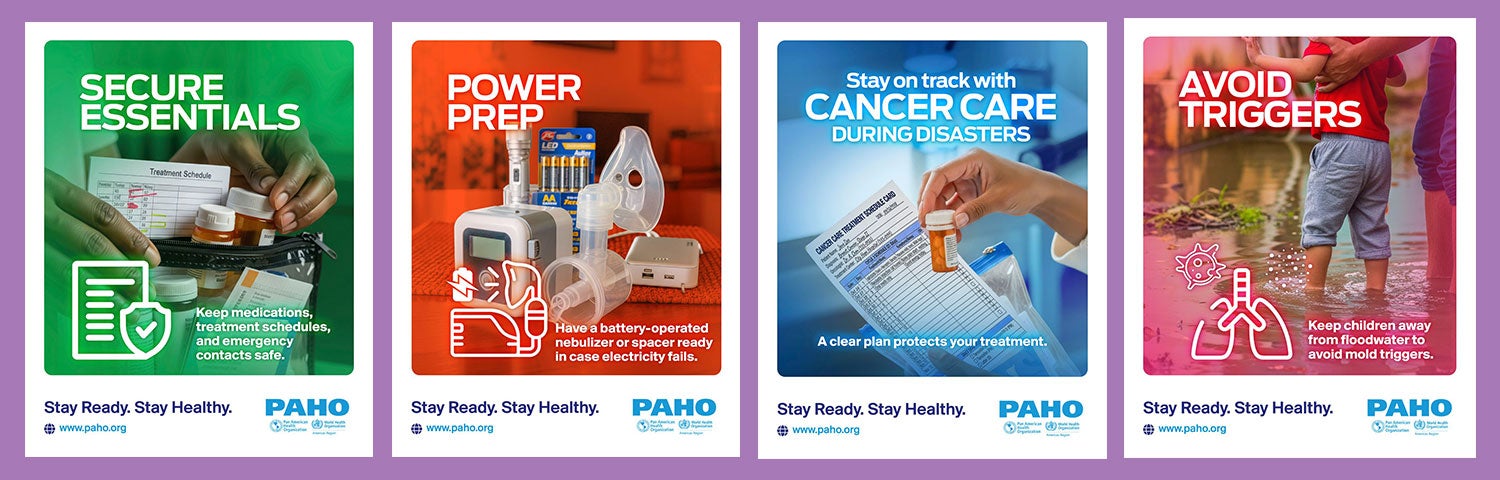
This campaign was developed to support people who are living with noncommunicable diseases (NCDs) such as asthma, diabetes, hypertension, mental health conditions, and cancer, in preparing for and managing their health during natural disasters. The campaign includes social media cards, posters, and radio spots on the various topics.

Evidence from the Pan American Health Organization shows that emergencies often disrupt access to care, medications, medical devices, and follow-up services - factors that can significantly increase the risk of complications and hospitalization for people with NCDs.

This campaign is the product of partnership and we therefore wish to acknowledge the contributions of the Healthy Caribbean Coalition, the Caribbean Public Health Agency, the Eastern Caribbean Health Outcomes Research Network (ECHORN) and EarthMedic EarthNurse. 

The materials provide condition-specific guidance, including practical steps such as assembling medication and equipment kits, keeping treatment plans and medical records accessible, planning for safe evacuation and shelter, and safeguarding emotional wellbeing. They also feature user-friendly checklists and local resource contacts to help patients, families, and caregivers take action. They focus on civil society organizations, offering tools to plan for continuity of services, manage supply chains, prioritize vulnerable clients, and coordinate effectively with health authorities.
Key messages on Mental Health and Psychosocial Wellbeing


1. You’re Not Alone

After a disaster, it’s normal to feel worried, sad, afraid or confused. You are not alone- we all react in different ways. Take a breath, and reach out to someone you trust. Talking helps.

These reactions and emotions do not mean a mental health condition, but rather are normal or expected responses to abnormal situations.

2. Take a Pause

When stress feels too heavy, pause for a moment. Feel your feet on the ground, take a slow breath in, and let it out gently. Repeat for few times. Small pauses can help calm the mind.

3. Stay Connected

Stay close to your family, friends, and neighbors. Connection brings strength - share how you feel, listen to others, and support one another.

4. Caring for Each Other

Everyone can help someone. Check on the elderly, the children, and those living alone. Even a small act of kindness can lift someone’s heart.

5. Keep Routines When You Can

Try to keep daily routines - eating, sleeping, praying, or gathering. Familiar habits give comfort and a sense of safety.

6. Limit overwhelming news

It’s good to stay informed - but too much bad news can increase fear. Choose one or two trusted sources and take breaks from the media.

7. Look After Your Body

Move your body, eat what you can, and rest when possible. Caring for your body also cares for your mind.

8. Reach out for Help

If your sadness or fear lasts too long or feels too strong, seek help from a health center or local support line. Help is available, and reaching out is a sign of strength.

9. Care for Children

Children watch how we react. Comfort them, listen to their questions, and tell them they are safe. Routine and affection help them heal.

10. Hope and Recovery

Even after great loss, communities recover when people come together. There is always hope - every small act of care helps rebuild life.