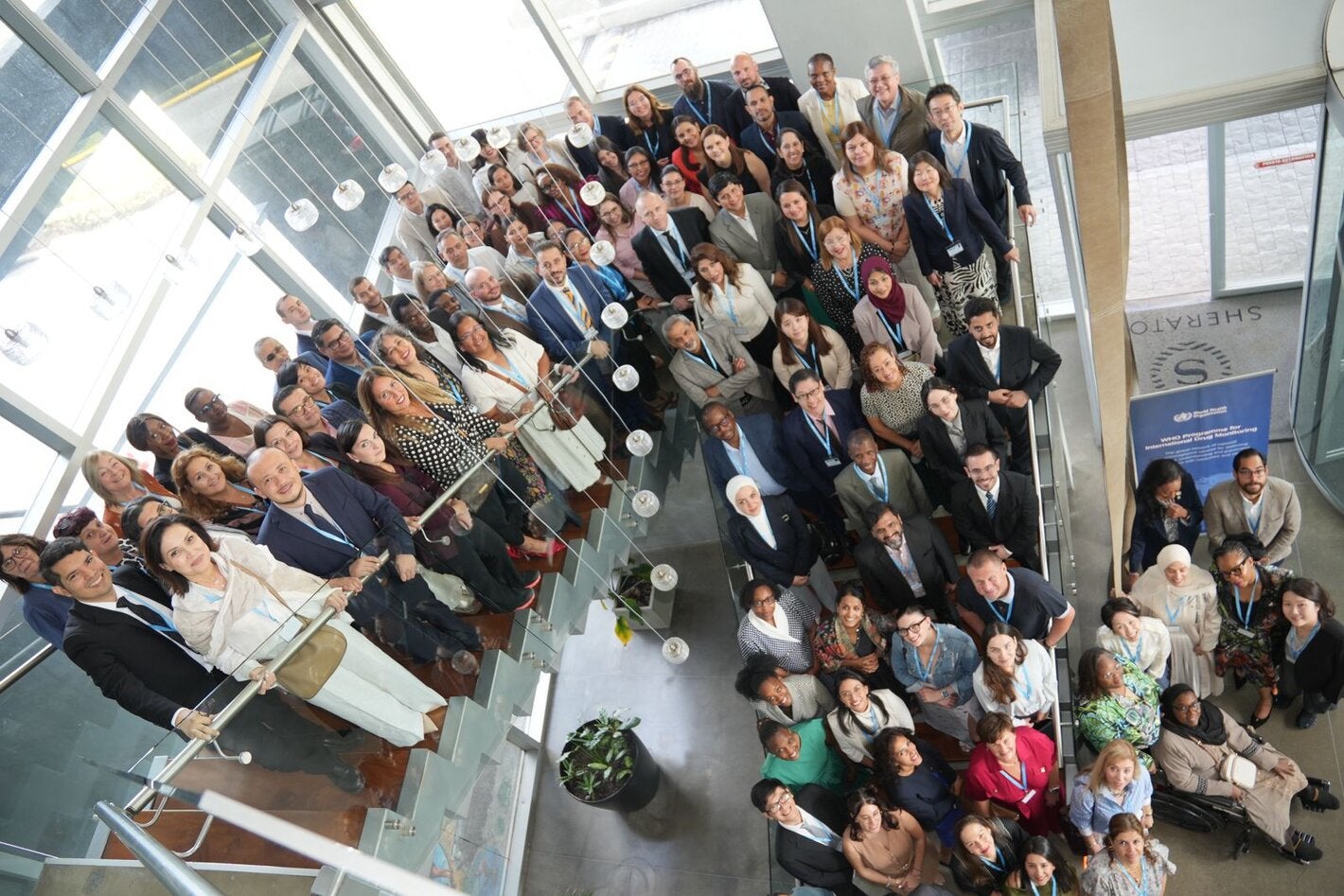
San José, Costa Rica, September 29, 2026.- Members of the WHO Program for International Drug Monitoring (PIDM) met in Costa Rica for its 44th Annual Meeting under the theme "Communication as an essential tool in pharmacovigilance." The event was organized by the World Health Organization (WHO), in coordination with PAHO offices in Washington and Costa Rica and with local support from the Ministry of Health of the host country.
Established in 1968, the PIDM now brings together 182 Member States, territories, and areas, and constitutes the world's leading network for detecting adverse events to medicines and vaccines. This year's meeting carried added significance following the adoption, in May 2026, of World Health Assembly resolution WHA79.11, in which Member States agreed to promote smart and efficient pharmacovigilance as a pillar of strong and resilient health systems.
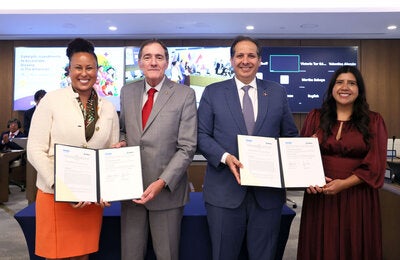
The opening session included the participation of Dr. Allan Mora, Vice Minister of Health of Costa Rica; Dr. Alfonso Tenorio, PAHO representative to Costa Rica and Dr. Shanthi Pal, WHO Pharmacovigilance Team Lead; who in their remarks, highlighted the importance of building bridges between health and pharmacovigilance systems across the region and the world, as a way to strengthen the timely exchange of information and joint responses to risks associated with medicines and vaccines.
The agenda addressed the main challenges of risk communication: information overload, adapting messages to different cultural contexts, translating complex scientific data into useful information, and combating misinformation about medicine and vaccine safety. The plenary sessions covered communicating risk and building trust, the use of artificial intelligence in pharmacovigilance communication, and countries' plans to implement WHO's Global Smart Pharmacovigilance Strategy.
As a central part of the meeting, participants worked in four thematic breakout groups focused on different dimensions of risk communication: international and regional collaboration, the use of artificial intelligence, combating misinformation through the PIDM and Vaccine Safety Net networks, and communication as a risk-minimization tool. Recommendations for members of the Program included developing guidance for the responsible use of AI in pharmacovigilance while always maintaining human oversight, advancing toward an internationally agreed definition of risk communication, and strengthening countries' training and resources to communicate clearly, promptly, and in a culturally relevant way.
The meeting's closing session was led by Dr. Pal, who noted that this year's meeting marked important milestones: the consistent inclusion of medicines and vaccines safety focal points in the program's meetings, and a clearer structure of plenaries and working sessions that directly feeds into WHO's and countries' work plans: "We are forward-looking, embracing change, but ensuring continuity," she said.
As the regional office of WHO for the Americas, PAHO plays an active role in supporting countries’ participation in the WHO Programme for International Drug Monitoring (PIDM) and in strengthening national pharmacovigilance systems across the Region. Through technical cooperation, capacity-building activities, regional networks, and the promotion of best practices for the monitoring and reporting of adverse events related to medicines and vaccines, PAHO works with health authorities to enhance patient safety, improve the detection and management of risks, and foster the effective use of pharmacovigilance data for public health decision-making. This collaboration contributes to more resilient regulatory and health systems and supports countries in addressing emerging safety challenges in an increasingly complex health landscape.