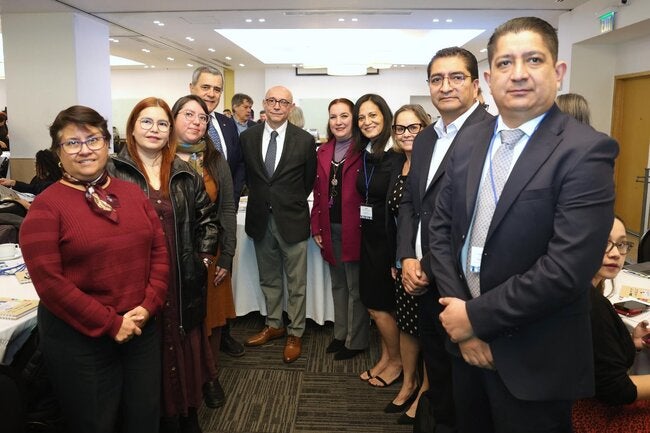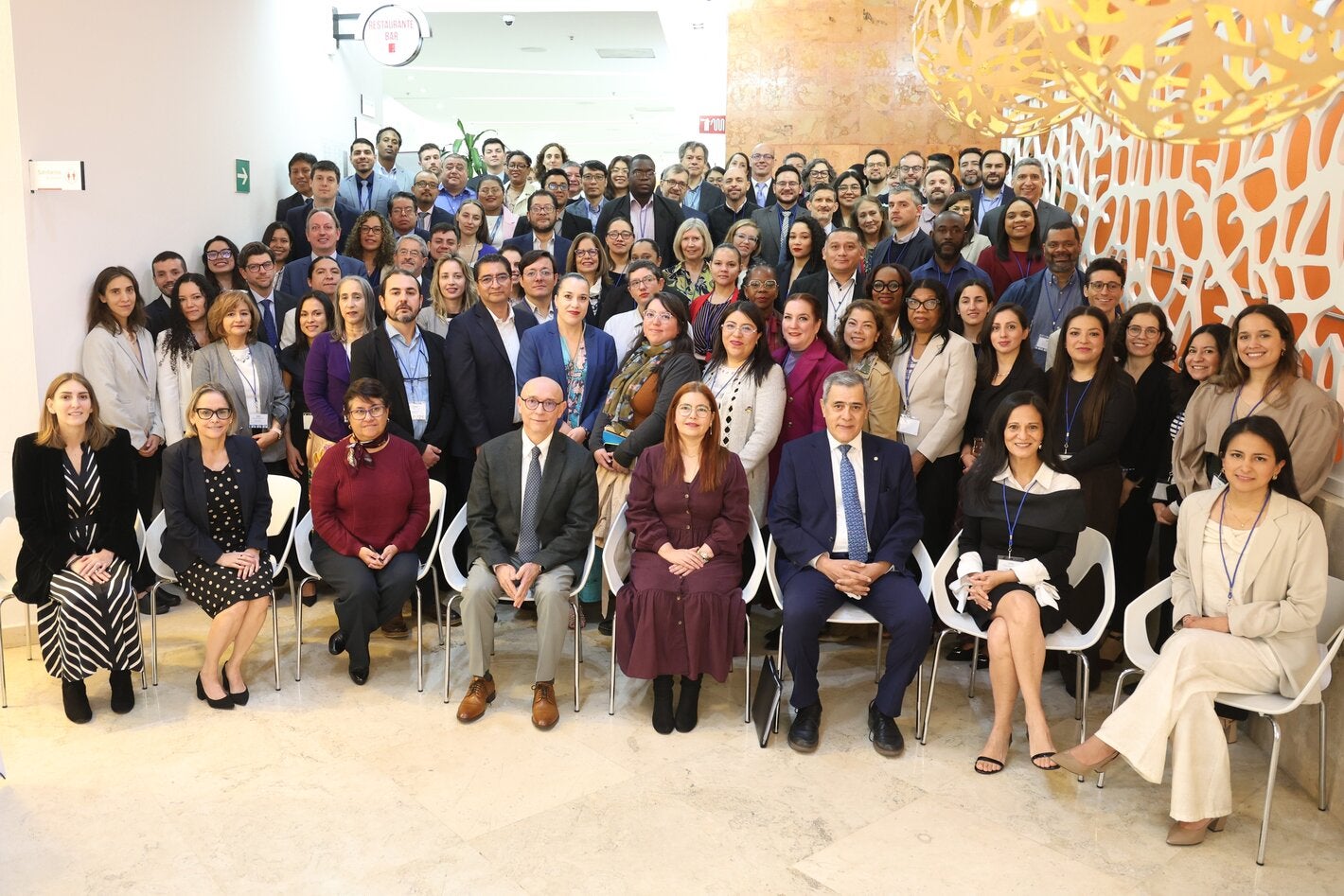
The workshop, held from 20 to 22 October in Mexico City, promoted the exchange of evidence, experiences, and tools to strengthen tobacco tax policies in the Region and contribute to health objectives.
Mexico City, 22 October 2026. – From 20 to 22 October, the Tobacco Taxation in Latin America workshop was held in Mexico City, bringing together health and finance authorities from 19 Member States, as well as representatives of international organizations, academia, and civil society organizations.
The workshop, organized by the Pan American Health Organization (PAHO) in collaboration with Economics for Health and the Institute for Global Tobacco Control at Johns Hopkins University, the World Bank, and Tabaconomía at Adolfo Ibáñez University, aimed to strengthen the design and implementation of tobacco taxes as an effective tool for achieving health objectives. Despite being one of the most cost-effective measures for reducing tobacco consumption and, consequently, contributing to the prevention of noncommunicable diseases, tobacco taxation remains underused in the Region of the Americas.
The workshop is part of PAHO’s work to strengthen dialogue among different government sectors, promoting a multisectoral and interdisciplinary approach to the prevention and control of noncommunicable diseases, in strategic partnership with academia and civil society.
While there is considerable room for progress in the Region in using this fiscal tool to achieve health objectives, advances are also being made. Over the past two years, five countries (Brazil, Dominica, Jamaica, Mexico, and Trinidad and Tobago) have increased their taxes, while the Dominican Republic has expanded the range of products subject to taxation.
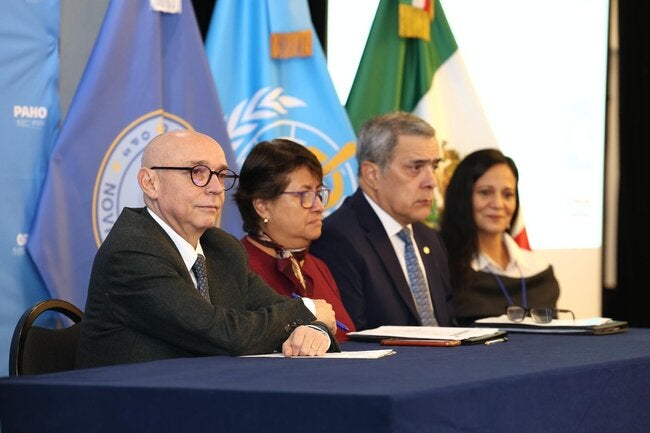
“These are different experiences that offer us an opportunity to learn from the progress made, the obstacles encountered, and the solutions adopted in different contexts. We have the evidence, we have experiences in our Region, and we have a regional commitment. Now we need to turn them into action,” said Dr. José Moya, PAHO Representative in Mexico.
“Every country undoubtedly has something to teach us: from how it designed its taxes and built consensus, to how it responded to obstacles and strengthened its institutions. Sharing this knowledge allows us to identify solutions, anticipate difficulties, and adapt best practices to our own realities,” said Dr. Rafael Valdez, Undersecretary for Health Policy and Population Well-being at Mexico’s Ministry of Health.
He added: “Mexico comes to this workshop with that conviction, as an ally willing to share what it has learned, but also to listen and learn from others. Our aspiration is to consolidate a shared regional agenda on tobacco taxation, a community of countries that strengthens its capacities, exchanges experiences and data, and sustains policies consistent with the protection of public health.”

Potenciar el impacto en salud de los impuestos al tabaco
Maximizing the health impact of tobacco taxes
The workshop, which has been held every two years since 2014, provided an opportunity to analyze recent progress in tobacco taxation and identify the main opportunities and existing barriers. In many countries, these policies are not yet aligned with the provisions of the WHO Framework Convention on Tobacco Control in ways that maximize their impact on health.
To achieve a positive impact on health, PAHO emphasizes the following evidence-based recommendations: apply taxes that account for at least 75% of the final retail price; substantially increase tobacco taxes to reduce the affordability of products; rely more heavily on specific taxes rather than ad valorem taxes to have a greater impact on prices; automatically adjust the specific component of the tax for inflation; and tax new and emerging tobacco and nicotine products. Priority issues such as the illicit trade in tobacco products, new and emerging tobacco and nicotine products, and tax administration were also addressed.
Through the exchange of evidence, experiences, and tools, the workshop provided a space for dialogue where health and finance authorities from across the Region could identify opportunities, challenges, and needs to advance the tobacco taxation agenda in Latin America in ways that promote sustainable improvements in public health.
“The challenge is significant, but so is the opportunity. At PAHO, we will continue to support you in this effort by strengthening capacities, bringing evidence closer to public policy decision-making, and facilitating the exchange of experiences among countries and across sectors,” Dr. Moya concluded.