Mabaruma, Guyana – 24 August 2026 — Following the ferry tragedy in the North-West District on 19 July 2026, families were confronted with unimaginable grief, survivors faced the emotional effects of trauma, and communities across Region One began the difficult journey towards healing.
In the weeks that followed, recovery became a shared effort. Families supported one another, faith leaders comforted those who were grieving, health professionals travelled across the region to provide mental health and psychosocial care, and community leaders began looking beyond the immediate crisis towards building stronger and more resilient communities.
Supporting Mental Health After Disaster
Recognizing that recovery involves both physical and emotional wellbeing, the Ministries of Health (MoH), Education (MoE), and Human Services and Social Security (MoHSS) mobilized personnel to Region One to support affected individuals, families and communities. As the response transitioned toward recovery, the Pan American Health Organization/World Health Organization (PAHO/WHO) provided technical support through the engagement of a Mental Health and Psychosocial Support (MHPSS) Policy Consultant, two consultant clinical psychologists and a risk communication and community engagement (RCCE) consultant. This support complemented the Ministry of Health's multidisciplinary MHPSS response, which included psychiatrists, psychologists and mental health counsellors, as well as the Ministry of Human Services Social Workers.
The Mental Health Unit provided MHPSS services across 16 locations in Region One, including communities in the Mabaruma and Matarkai sub-districts, Mabaruma Regional Hospital, funerals and designated family support activities. Services included Psychological First Aid, crisis counselling, grief and bereavement support, psychoeducation, risk assessment, psychiatric referral and follow-up care.
The teams encountered a range of reactions among affected people, including acute stress, grief, survivor's guilt, anxiety, sleep disturbances, emotional numbness, anger, intrusive thoughts, flashbacks, feelings of helplessness and fear of water and boats. At the same time, many affected people demonstrated resilience through strong family relationships, community solidarity, religious faith and access to psychological support.
Each Family's Journey Is Different
During PAHO’s engagement in Region One, clinical psychology and RCCE advisers supported the Ministry of Health team in its work with affected families and engaged community and faith leaders to better understand their experiences and concerns, The team also worked to determine the RCCE needs.
Each family's journey was different. One family was caring for a minor who survived the tragedy after losing both parents and a sibling. Another was grieving the loss of a loved one while supporting his widow and another family member who survived the incident. A third family continued to receive psychological and psychiatric care following the loss of their daughter. Their experiences remind us that healing after traumatic loss requires compassion, continued care and time.
Listening to Communities
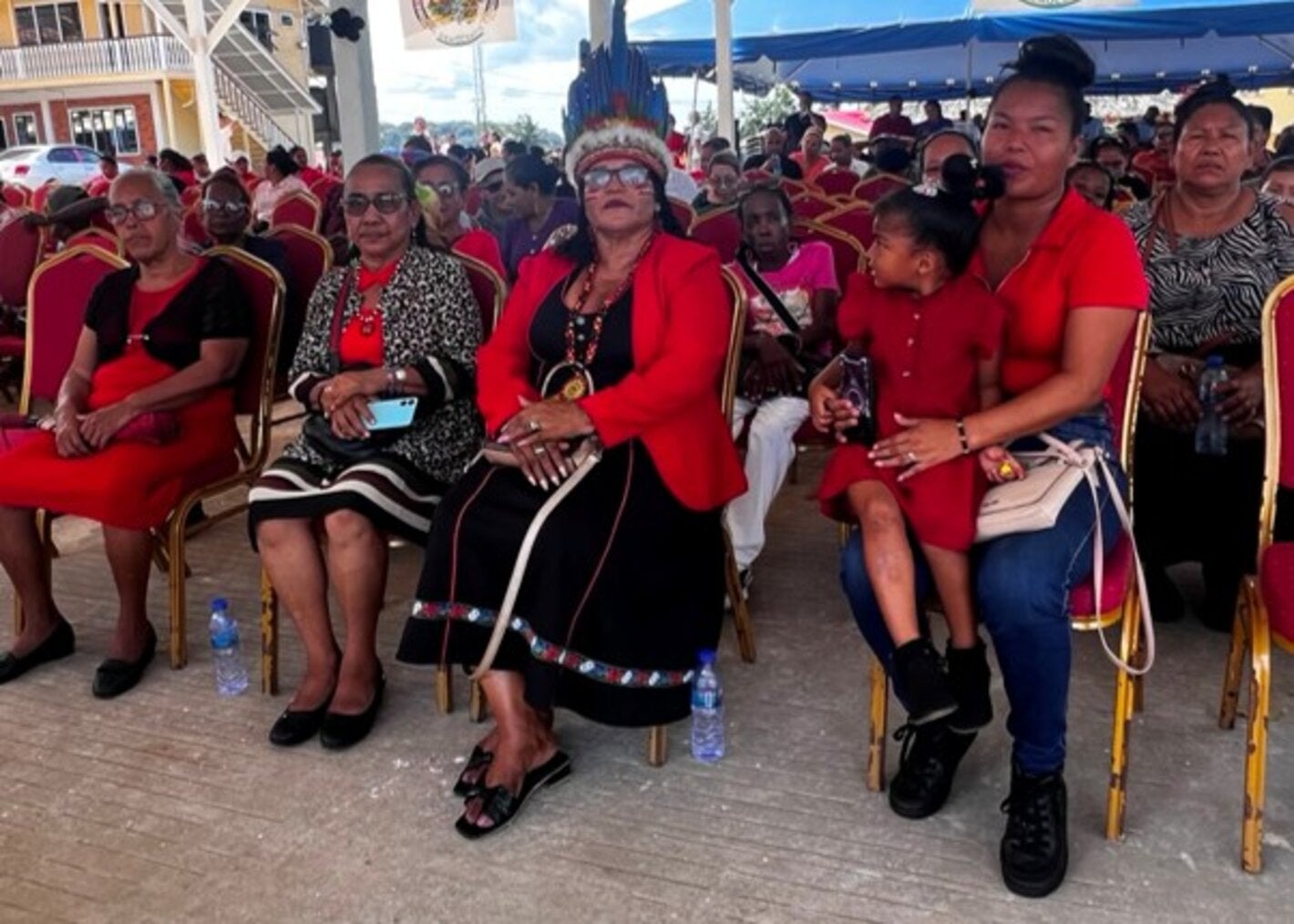
As residents gathered for the President's scheduled community outreach in Mabaruma, PAHO/WHO took the opportunity to listen to community perspectives on the tragedy and priorities for recovery.
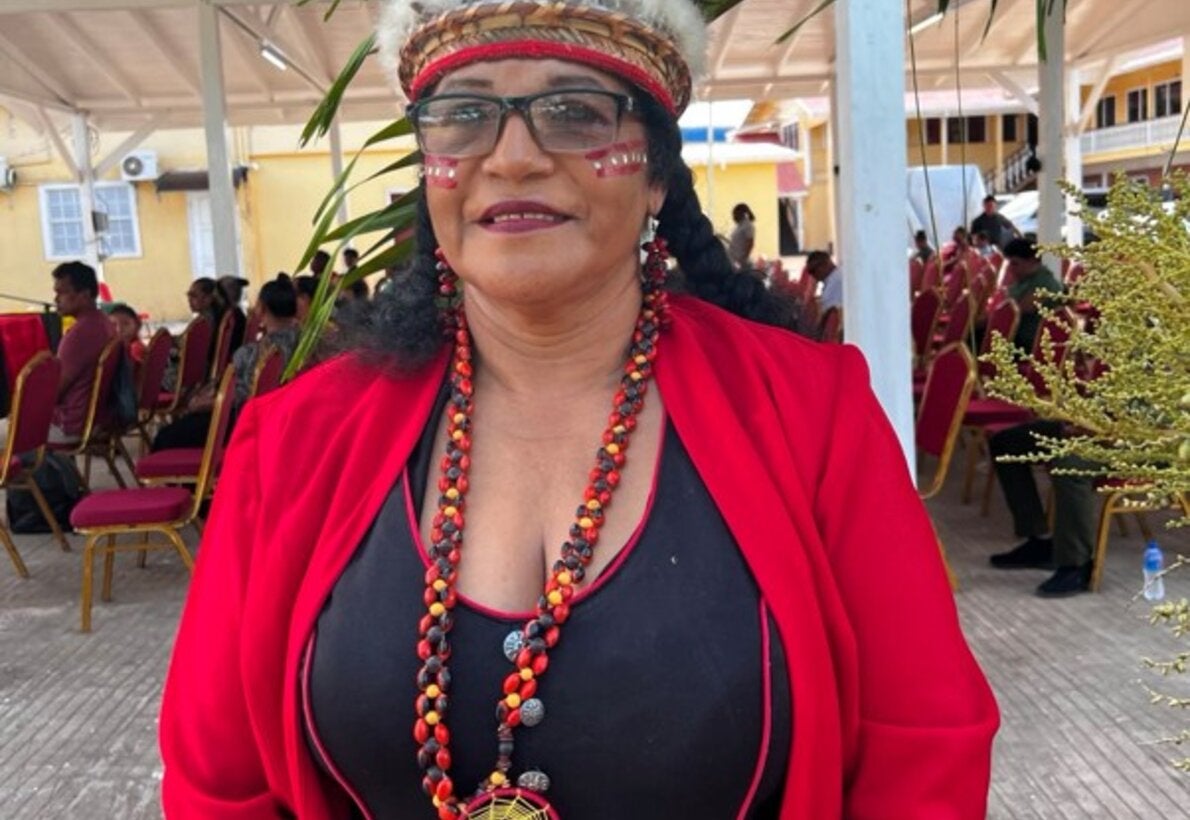
While awaiting the start of the meeting, PAHO/WHO interviewed Ms. Leomie Willis, Chairperson of the Mabaruma Compound Development Group. Drawing on her visits with grieving families, Ms. Willis spoke about the emotional impact of the tragedy and the importance of continued counselling, practical support and simply listening.
Ms. Willis also highlighted the strengths within her community. She described knowledgeable and committed residents who are ready to work alongside government and development partners to address local priorities, including water security, and prepare for future challenges such as the potential impacts of El Niño. She also expressed a desire to strengthen her own skills in psychosocial support, reflecting the community's interest in building local capacity for future emergencies.
Her reflections highlighted an important message: communities are not simply recipients of assistance. They have the willingness, knowledge, skills and leadership that can contribute to their own preparedness, response and recovery.
Faith Leaders supporting Families
Faith leaders have also become an important source of comfort for families. During a meeting convened by PAHO/WHO, pastors from across Region One shared their experiences supporting survivors and bereaved families, while some were themselves grieving the loss of loved ones and members of their congregations.
The discussions focused on strengthening collaboration among churches, expanding training in Psychological First Aid and psychosocial support and RCCE, and preparing faith communities to respond more effectively to future emergencies. Their commitment highlights the important role faith leaders can play in promoting hope, emotional wellbeing and resilience.
For many families, churches and faith leaders are trusted sources of comfort and guidance. Strengthening their knowledge and skills can therefore help extend psychosocial support into communities and complement formal health services.
Building Strength for the Future
Across conversations with families, community leaders, faith leaders, health professionals and government representatives, a common message emerged: healing is a shared responsibility.
The tragedy has underscored the importance of investing in people and communities before disasters occur—strengthening mental health services, p, improving disaster preparedness and ensuring that communities have a voice in decisions that affect their lives.
As part of the response and broader technical support, PAHO/WHO also conducted a Psychological First Aid (PFA) workshop for social workers and MoH staff in Georgetown, strengthening their skills to provide compassionate and practical support to people experiencing distress following the tragedy.
For PAHO/WHO, being on the ground in Mabaruma provided valuable insight into the experiences and needs of affected communities, informing the development of targeted RCCE materials for survivors, bereaved families, caregivers, children, responders and other affected groups. This work will continue as part of the Pandemic Fund project with funds provided to PAHO by the Ministry of Health to strengthen recovery and preparedness for future emergencies and disasters.
As Region One continues its journey forward, its greatest strength lies not only in the services being provided, but in the compassion, solidarity and determination demonstrated by its people.
Recovery begins by listening. Healing grows through compassion. Lasting resilience is built by working together.