Washington, DC, May 5, 2026 (PAHO) — For the International Day of the Midwife on May 5, the Pan American Health Organization (PAHO) is calling on countries of the Americas to invest in midwifery as a cornerstone of resilient, equitable, and people centered health systems.
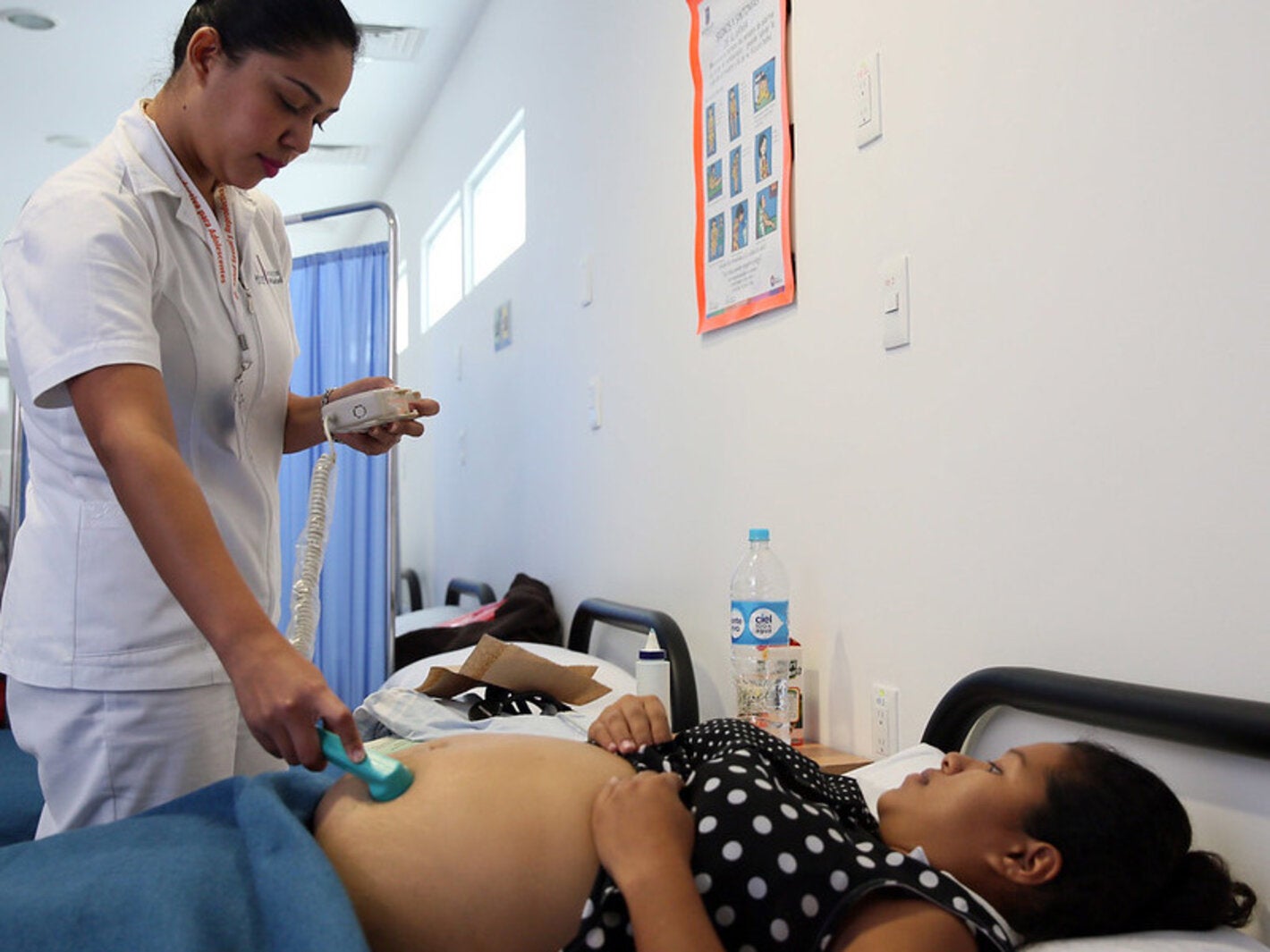
Midwives play a critical role in delivering comprehensive, essential care to women, newborns, families, and communities across the life course. When adequately trained, supported, and integrated into health systems, midwifery personnel can provide up to 90% of essential sexual, reproductive, maternal, newborn, and adolescent health interventions.
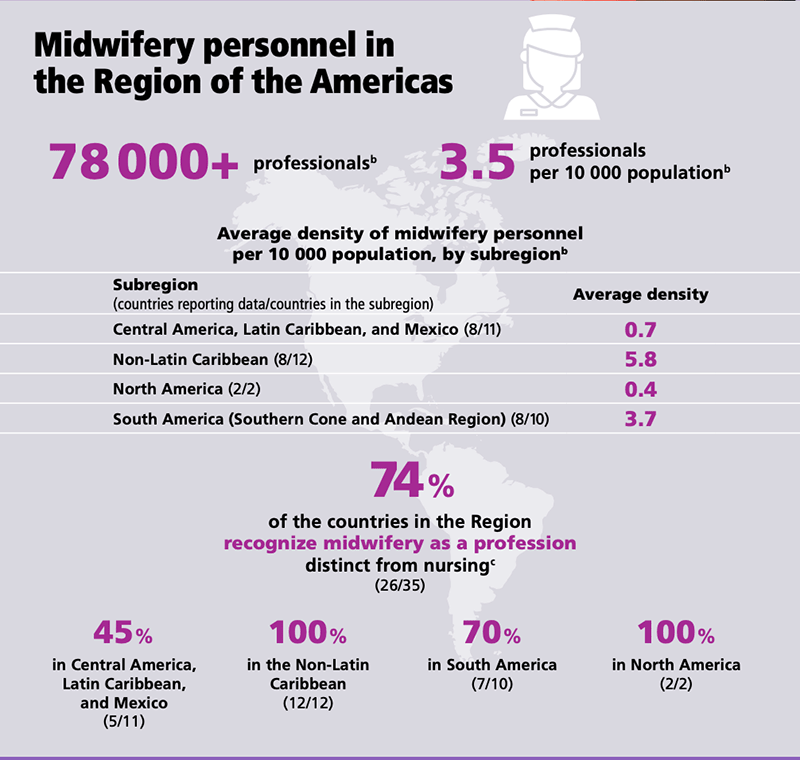
Data from the National Health Workforce Accounts (NHWA) platform show that there are more than 78,000 midwifery professionals in the Region, with an average density of 3.5 per 10,000 population. Subregions such as Central America and parts of the Caribbean report critically low densities, ranging from as few as 0.1 to 13.5 per 10,000 population. These inequities underscore the need to scale up the production, equitable distribution, and retention of midwives where they are most needed.
“Strengthening the health workforce is a strategic priority for the Region,” said Benjamín Puertas, Unit Chief, Human Resources for Health at PAHO. “Midwives are essential to expanding access to care, particularly in rural and underserved areas, and to ensuring continuity of high-quality services for women and newborns.”
Midwives play a vital role within interprofessional health teams, particularly in primary health care. Their practice is grounded in respectful, culturally sensitive care that recognizes the social, cultural, and community contexts in which women and families live. Through continuity of care and close links with communities, midwives contribute to improved health outcomes, social equity, and community trust in health services.
In the Americas, three out of every four countries formally recognize midwifery as a profession distinct from nursing—a key step toward advancing specialized education, professional autonomy, and regulatory frameworks that enable midwives to practice to the full scope of their competencies. Where midwifery is well integrated, midwives contribute not only to safer pregnancies and births, but also to sexual and reproductive health, newborn care, adolescent health, disease prevention, and health promotion.
Yet significant challenges remain. Only 60% of countries in the Region have a regulatory authority that clearly defines the scope of midwifery practice, and just half have systems in place for periodic license renewal and quality assurance. These gaps limit the ability of health systems to fully harness the contribution of midwives and ensure high-quality, safe, and respectful care.
PAHO works closely with Member States to strengthen midwifery and the broader health workforce. The Organization supports workforce planning using national data, the development and modernization of education and training programs, and the advancement of regulation and professional recognition. PAHO also promotes the integration of midwives into interprofessional teams and supports the use of evidence‑based guidelines to improve quality of care, including respectful maternity care.
Currently, the Region has 160 professional midwifery training programs, many incorporating digital tools, interprofessional education, and diverse clinical training settings. Encouragingly, 88% of graduates achieve core midwifery competencies, preparing them to deliver comprehensive care from sexual and reproductive health through pregnancy, childbirth, and the postnatal period.
On this International Day of the Midwife, PAHO reaffirms its commitment to supporting countries in investing in midwifery education, employment, leadership, and regulation—four essential pillars for building stronger health systems and ensuring that no woman or newborn is left without quality care.