
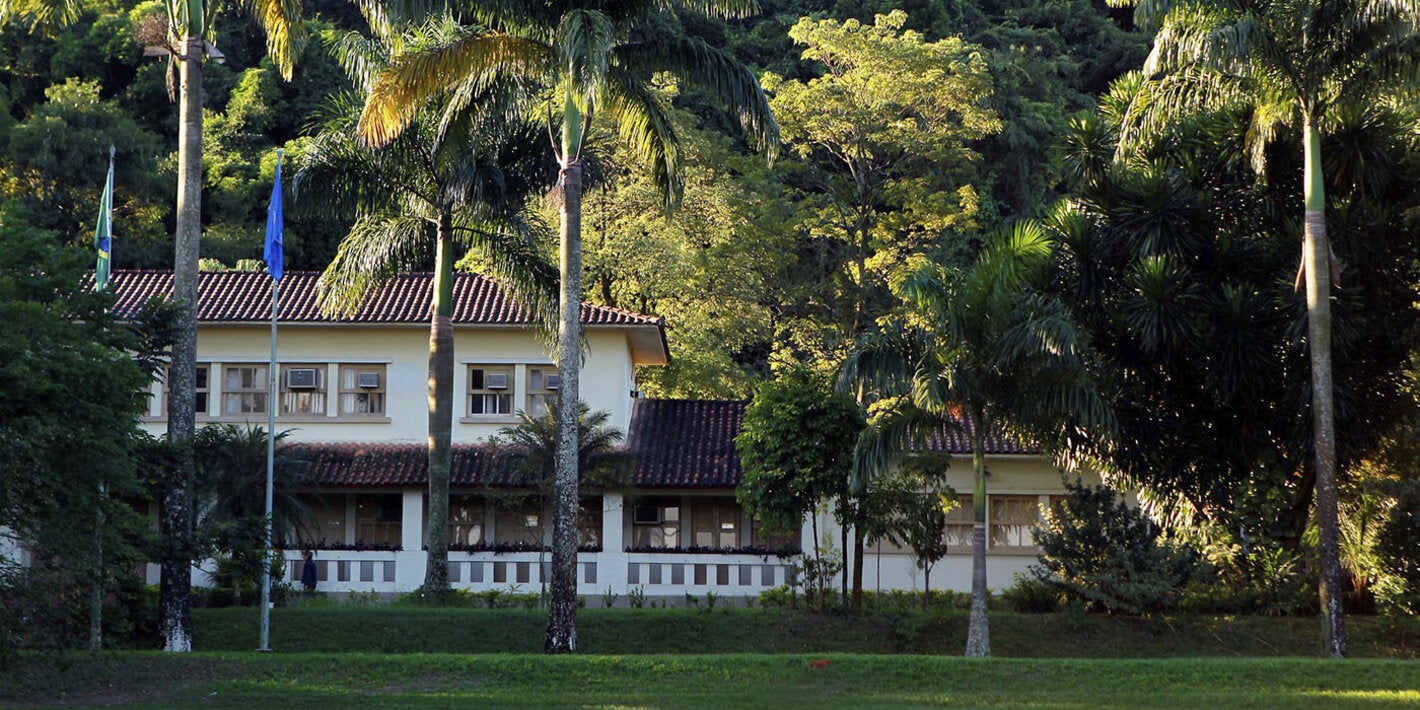
The Pan American Foot-and-Mouth Disease and Veterinary Public Health Center (PANAFTOSA/VPH) is a specialized center of the Pan American Health Organization/World Health Organization (PAHO/WHO), linked to the Department of Prevention, Control, and Elimination of Communicable Diseases (CDE).
PANAFTOSA/SPV is responsible for coordinating PAHO’s Veterinary Public Health Program, providing technical cooperation in:
a) the prevention, surveillance, control, and elimination of zoonoses and envenomation incidents caused by venomous animals;
b) strengthening food safety systems, as well as the prevention and surveillance of foodborne diseases and antimicrobial resistance in animal production;
c) the prevention and eradication of foot-and-mouth disease and preparedness for health emergencies, with the aim of promoting public health, welfare, and socioeconomic development across the populations of the Americas.
PANAFTOSA’s mission is:
- To promote the hemispheric prevention and eradication of foot-and-mouth disease, with the objective of enabling Venezuela to achieve disease-free status and of supporting South American countries/territories that currently hold the status of foot-and-mouth disease–free with vaccination to progress toward foot-and-mouth disease–free status without vaccination.
- To support countries free of foot-and-mouth disease in the implementation and maintenance of disease prevention programs in order to eliminate the risk of its reintroduction.
- To cooperate with countries across the continent in the development and strengthening of programs for the control of zoonoses that impact public health and animal health, establishing partnerships and increasingly strengthening efforts to combat these diseases.
To promote the elimination of dog-mediated human rabies in countries of the region and to provide support for the prevention and control of wildlife rabies caused by hematophagous bats in Indigenous populations of the Amazon region.
To promote intersectoral actions, plans, and policies based on PAHO’s One Health approach to mitigate the impacts of zoonoses, foodborne diseases (FBDs), and antimicrobial resistance in animal-source food value chains.
To promote the analysis of health information (epidemiological data) and the use of other tools for the effective management of health emergencies, such as avian influenza (H5N1).
Promote the availability and access to antivenoms for populations, ensuring the timely treatment of envenomation incidents caused by venomous animals, such as snakebites and arthropod stings.
Provide countries with products and services through its Foot-and-Mouth Disease and Vesicular Stomatitis Reference Laboratory, recognized by the World Organisation for Animal Health (WOAH).
Support countries in the development of plans and the management of tools for the rapid and efficient handling of foot-and-mouth disease and emerging zoonosis health emergencies.
- To contribute to reducing the risk of diseases in human populations caused by zoonoses and foodborne illnesses.
Relationship with PAHO/WHO
PANAFTOSA is the Pan American Health Organization’s (PAHO) specialized center for veterinary public health, linked to the Department of Prevention, Control, and Elimination of Communicable Diseases (CDE).
The Pan American Health Organization (PAHO) is the specialized international public health agency for the Americas. It works daily with countries across the region to improve and protect the health of their populations. PAHO provides technical health cooperation to its Member States, combats communicable diseases, addresses chronic conditions and their causes, strengthens health systems, and responds to emergencies and disasters.
PAHO is committed to ensuring that every person has access to the health care they need, of good quality, without falling into poverty. Through its work, it promotes and supports the right of all people to health.
To achieve these goals, PAHO fosters cooperation among countries and works collaboratively with Ministries of Health and other government agencies, civil society organizations, international agencies, universities, social security institutions, community groups, and other partners. PAHO ensures that health is included in all policies and that all sectors contribute to enabling people to live longer and healthier lives, recognizing that health is our most valuable resource.
PAHO has 35 Member States and four Associate Members in the region. Under its leadership, regional health priorities are established to jointly address common challenges that cross borders and, in many cases, may threaten the sustainability of health systems.
PAHO fulfills two institutional roles: it is the specialized health agency of the Inter-American System and serves as the WHO Regional Office for the Americas.
From its regional headquarters in Washington, DC, its 27 country offices, and its two specialized centers, PAHO promotes evidence-based decision-making to improve health and positions health as a driver of sustainable development.
History
In the 1950s, the impact of foot‑and‑mouth disease in countries such as Brazil, Colombia, Mexico, and Venezuela prompted the Organization of American States (OAS) to recognize the importance of creating an international center for technical‑scientific support to control this disease in the countries of the Americas.
PANAFTOSA was established in 1951 as a technical project to support countries affected by foot‑and‑mouth disease and was incorporated in 1968 as a regular technical cooperation program of the Veterinary Public Health Program of the Pan American Health Organization (PAHO). The work carried out by PANAFTOSA over the years has contributed to significant outcomes for both populations and the continent’s economy. PANAFTOSA became synonymous with quality and is internationally regarded as a center of excellence—a credibility earned through dedication, integrity, and professionalism. Its history of achievements paves the way for future accomplishments.
Foot‑and‑mouth disease is responsible for reduced productivity in livestock and impacts food security by decreasing the supply of animal‑source proteins. In addition, it limits the economic development of the livestock industry and undermines domestic and international trade in animals and livestock products.
Before PANAFTOSA’s actions, the disease caused substantial harm to both health and the economy. PANAFTOSA has acted successfully in the fight against the disease in South America.
Today, as a result of the Center’s technical cooperation activities, foot‑and‑mouth disease has been eradicated in the countries of the Southern Cone. Its eradication has paved the way for progress, enabling greater availability of high‑quality proteins for national consumption and increased export volumes.
The Pan American Foot‑and‑Mouth Disease and Veterinary Public Health Center is headquartered in São Bento, Duque de Caxias, Rio de Janeiro, Brazil. Situated on a 46‑hectare site with 12,000 m² of built‑up area, it features laboratories for diagnosis, research and reference activities, vaccine quality control, as well as facilities for epidemiological studies, statistics, and computing. It also includes classrooms, an auditorium, and a library.
PANAFTOSA’s laboratories perform reference tests for the diagnosis of vesicular diseases, vaccine quality control, biomolecular analyses, virus sequencing, and other techniques related to its role as a reference center.
Its field services department includes epidemiology, program support, training, and outreach. Since 2007, zoonoses and food safety have also been part of its mandate.
PANAFTOSA receives support from the Veterinary Public Health Program consultants of PAHO in countries across the region, as well as field consultants in the Río de la Plata Basin project.
Directors´s Gallery

Manuel J. Sánchez Vázquez
2026 - present
Dr. Manuel J. Sánchez Vázquez, Director of PANAFTOSA-VPH, is a veterinarian and epidemiologist with more than 25 years of professional experience across the private sector, academia, and international organizations, with a career spanning work and collaboration in Europe, Africa, Asia, and the Americas.
He earned his degree in Veterinary Medicine from the Complutense University of Madrid, Spain, in 1999. He holds a PhD in Quantitative Epidemiology from Utrecht University, the Netherlands, as well as a Master’s degree in Veterinary Epidemiology from the Royal Veterinary College and the London School of Hygiene & Tropical Medicine, University of London, United Kingdom, and a Master’s degree in Public Policy and Management from the University of York, United Kingdom.
Before joining PAHO, he served as Deputy Head of the Information Department at the World Organisation for Animal Health (WOAH), in Paris, from 2011 to 2013. Prior to that, he conducted research and epidemiological work at Scotland’s Rural College (SRUC), United Kingdom. Throughout his professional career in Spain and the United Kingdom, he worked in veterinary diagnostic laboratories, served as an official veterinarian, and practiced small animal clinical medicine.
He joined PANAFTOSA-VPH in 2013 as an epidemiologist and specialist in Epidemiology and Information Systems. From 2014 onward, he coordinated the Center’s Epidemiology Unit, leading and supporting regional initiatives for the surveillance, prevention, and control of animal and zoonotic diseases, as well as efforts to strengthen animal health information systems and epidemiological capacities across countries in the Americas.
He is the author or co-author of more than 50 scientific and technical publications and has led and participated in multidisciplinary teams focused on strengthening epidemiological surveillance, veterinary public health, and technical cooperation in the Americas. He is a member of the WOAH ad hoc Group for the Evaluation of Foot-and-Mouth Disease Status.
As Director of PANAFTOSA-VPH, leads technical cooperation efforts aimed at strengthening the capacities of countries in the Region for the prevention, surveillance, control, and elimination of diseases and events of public and animal health significance. Priority areas of work include foot-and-mouth disease, zoonoses, food safety, antimicrobial resistance, and other health challenges addressed through the One Health approach.
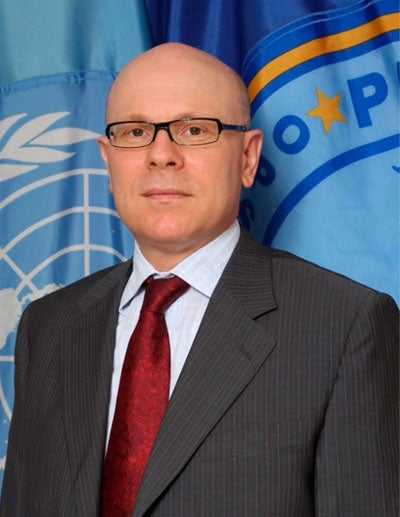
Ottorino Cosivi
2009 - 2025
Dr. Ottorino Cosivi served as Director of PANAFTOSA from June 1st, 2009 to December 31st, 2025. An Italian citizen, he graduated as a veterinarian from the University of Parma, Italy, in 1987. In 1990, he earned a Master’s degree in Epidemiology, Infectious Diseases, and Preventive Medicine from the Centre for Tropical Veterinary Medicine at the University of Edinburgh, Scotland. He later pursued studies in health emergency management and community health at the University of Geneva, Switzerland.
Dr. Cosivi began his professional career in 1987 as a veterinary surgeon specializing in preventive medicine in Parma, Italy. From 1988 to 1989, he served as a scientific advisor at FATRO SpA, an Italian pharmaceutical company. From 1991 to 1992, he worked as a veterinary surgeon in preventive medicine in York, United Kingdom.
Dr. Cosivi started working with WHO in 1993 as an Associate Professional Officer in the Veterinary Public Health Unit of the Division of Communicable Diseases in Geneva. From 1996 to 1999, he served as a Senior Scientist in Zoonoses in the Department of Surveillance and Response to Communicable Diseases. Following a departmental restructuring, in 2000 he was appointed Project Leader for the Epidemic Preparedness Program for Deliberate Events. From 2006 to 2007, he served as Interim Director of the WHO Mediterranean Centre for Vulnerability Reduction (WMC) in Tunisia. In 2008, he was assigned to the Department of Food Safety, Zoonoses, and Foodborne Diseases, overseeing zoonoses and supervising the WHO Mediterranean Zoonoses Control Program, a role he held until May 30, 2009.
As Director of PANAFTOSA, Dr. Cosivi led the Center in its mission to support countries in the Americas in the prevention, control, and eradication of foot‑and‑mouth disease, zoonoses, and foodborne diseases, strengthening veterinary public health and food safety systems throughout the region. Under his leadership, PANAFTOSA reinforced its status as an international center of excellence in veterinary public health and disease control.
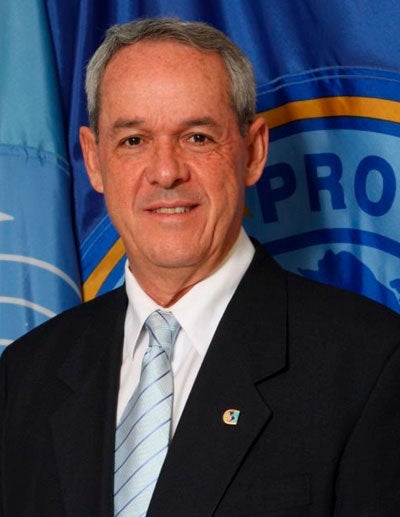
Albino José Belotto
2007 - 2009
Graduated in 1973 from the Federal Fluminense University (UFF), Albino Belotto earned a Master’s degree in Veterinary Public Health from the School of Public Health at the University of São Paulo and the London School of Hygiene & Tropical Medicine, University of London.
He began his career in 1973 at the São Paulo Department of Agriculture as Head of the Foot-and-Mouth Disease Unit. In 1976, he was appointed Head of the Zoonoses Unit, overseeing the official rabies vaccination program, laboratory diagnostics, and coordinating the National Rabies Prophylaxis Program. He is a member of several scientific and professional organizations.
Belotto began his collaboration with the Pan American Health Organization (PAHO) in 1988, and the following year served as a PAHO/WHO advisor in Mexico. In 1992, he was transferred to Bolivia and in 1995 to Paraguay. In 1997, he became Head of Technical Assistance at the Pan American Institute for Food Protection and Zoonoses (INPPAZ) in Argentina.
In 1999, he worked at PAHO headquarters in Washington, D.C., as Regional Advisor for Veterinary Public Health, a unit he later directed. In 2007, the unit was transferred to Brazil, where he was also appointed Director of PANAFTOSA, while retaining his position as Unit Head.
Among his management priorities was the commitment to achieving the eradication of foot-and-mouth disease across the continent through a participatory approach involving all sectors of society. According to his own account, significant progress has been made in recent years toward eradicating foot-and-mouth disease in the Americas. Very few regions in Latin America remain where the disease is enzootic. For the final phase of eradication, it will be necessary to reaffirm the political commitments of the countries in the region and unite the efforts of both the public and private sectors.
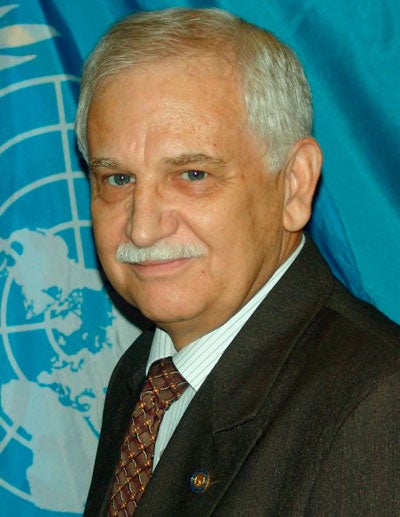
Miguel Angel Genovese Linares
2006 - 2007
Dr. Miguel Ángel Genovese Linares was appointed Director of the Pan American Foot-and-Mouth Disease Center (PANAFTOSA) on April 24, 2006.
A Paraguayan national, Dr. Genovese Linares earned his Doctor of Veterinary Medicine degree from the National University of Asunción, Paraguay, in 1967. From 1969 to 1972, he served as a field veterinarian at the National Foot-and-Mouth Disease Control Service (SENALFA). In 1975, he obtained a Master’s degree in Veterinary Sciences from the National Veterinary School of Alfort, France. During his time in France, he also studied Epidemiology at the Pasteur Institute in Paris, with a special focus on contagious diseases.
From 1976 to 1993, he served as Head of the Epidemiology Division at the National Animal Health Service (SENACSA), while also working as an Assistant Professor in the Departments of Epidemiology, Preventive Medicine, and Public Health at the Faculty of Veterinary Sciences of San Lorenzo, Paraguay.
Dr. Genovese Linares began collaborating with PAHO in 1983 as a short-term consultant in Haiti and worked between 1984 and 1985 in Panama. In 1988, he was appointed National Consultant in Veterinary Public Health in Paraguay, a position he held until 1994. From May 1994, he served as a Veterinary Public Health Consultant in Brazil, and in 2000, he assumed the role of Country Program Analyst in Washington, D.C.
In 2004, he joined PANAFTOSA as Regional Advisor for Planning and Local Development, serving as the technical lead for the Regional Foot-and-Mouth Disease Control System Program in the Expanded Mercosur, under the PANAFTOSA/Inter-American Development Bank Regional Technical Cooperation.
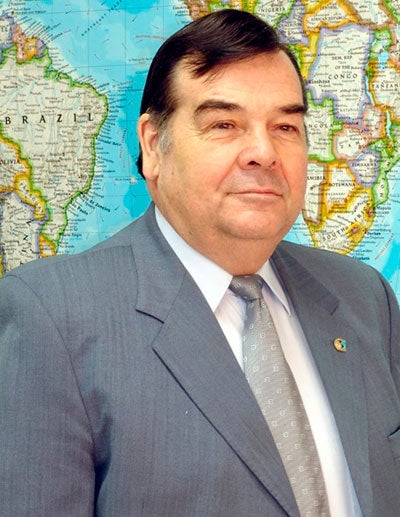
Eduardo Enrique Ernesto Correa Melo
2000 - 2005
Dr. Eduardo Correa, a Chilean national, joined the Pan American Health Organization (PAHO) in 2000 as Director of the Pan American Foot-and-Mouth Disease Center (PANAFTOSA).
Dr. Correa Melo is a veterinarian with a degree in livestock sciences and a specialization in animal health. Prior to directing PANAFTOSA, he served as Director of the Livestock Protection Department at the Agricultural and Livestock Service of Chile (SAG). He also held the positions of Head of the Central Department of Programs and Studies at SAG and Head of the Programs Office in the Division of Livestock Protection.
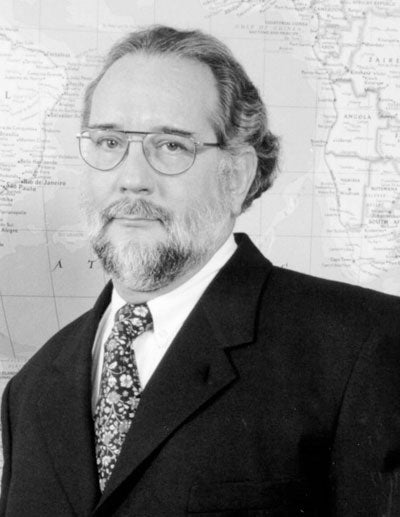
José German Rodriguez Torres
1998 - 2000
Dr. Torres, a Venezuelan national, was appointed Director of the Pan American Foot-and-Mouth Disease Center (PANAFTOSA) on April 1, 1998. He holds a Doctorate in Veterinary Medicine and a Master’s degree in Veterinary Epidemiology, Preventive Veterinary Medicine, Veterinary Public Health and Animal Health, Planning, and Management.
With extensive experience in animal disease control, epidemiology, foot-and-mouth disease surveillance, virology, and applied immunology, Dr. Torres also has expertise in planning, implementing, and evaluating animal health programs, including coordination between the public and private sectors in animal health services. He has also served as a consultant in international animal disease control and in the prevention and eradication of foot-and-mouth disease.
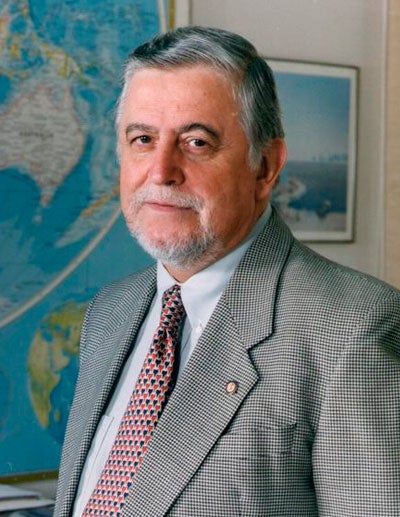
Vicente Mateo Astudillo Caldes
1991 - 1998
Dr. Vicente Astudillo joined the Pan American Health Organization (PAHO) in 1970 as a statistician at the Pan American Foot-and-Mouth Disease Center (PANAFTOSA) in Rio de Janeiro, where he also served as Head of Technical Assistance. In 1991, he was appointed Director of the Center.
A Chilean national, Dr. Astudillo earned his degree in Veterinary Medicine from the University of Chile and pursued postgraduate studies in mathematics, statistics, and operational research. He began his professional career as a researcher at the Institute of Hygiene and Animal Production Development at the University of Chile, where he was later appointed Head of the Section of Statistics and Experimental Design. He also served as a full professor of biostatistics at the University’s School of Veterinary Medicine. Throughout his career, Dr. Astudillo has conducted numerous consultancy projects and research studies and is the author of many publications.
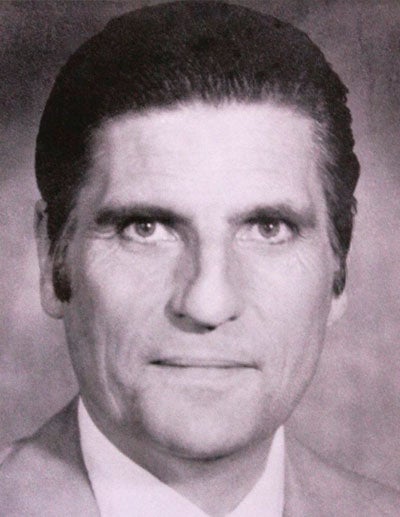
Raúl Casas Olascoaga
1976 - 1991
Dr. Raúl Casas, a Uruguayan national, joined the Pan American Health Organization (PAHO) in 1973 as a scientist, initially at CEPANZO and later at the Pan American Foot-and-Mouth Disease Center (PANAFTOSA).
In 1976, he was appointed Director of PANAFTOSA. He earned his Doctor of Veterinary Medicine degree from the University of Uruguay and pursued postgraduate studies in microbiology and infectious diseases. Prior to joining PAHO, he held various positions in the public and private sectors in the field of animal health in Uruguay and the United States.
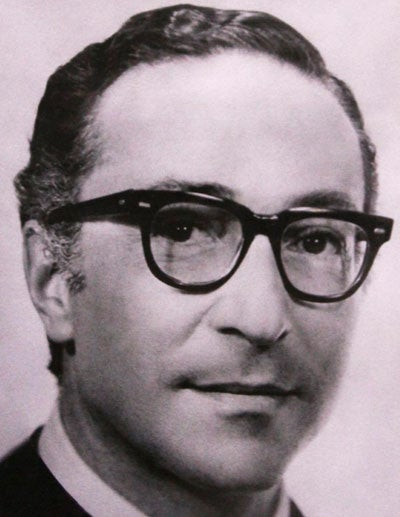
Mario Vasco Fernandes
1970 - 1976
Dr. Vasco, an Angolan national, was appointed Director of the Pan American Foot-and-Mouth Disease Center (PANAFTOSA) of the Pan American Health Organization (PAHO) in 1970.
He began his studies at the University of Lisbon, where he earned a Doctorate in Veterinary Medicine. His training included experiences at several renowned institutions, including the Bacteriology Laboratory of the Portuguese Military Health Service; the Virus Department of the Pasteur Institute in Paris; the Virus and Tissue Culture Department of the National Institute of Veterinary Research in Lisbon, Portugal; the Tissue Culture Laboratory at the University of Medicine in Galveston, Texas; and the Wistar Institute of Anatomy and Biology in Philadelphia, where he served as a visiting scientist.
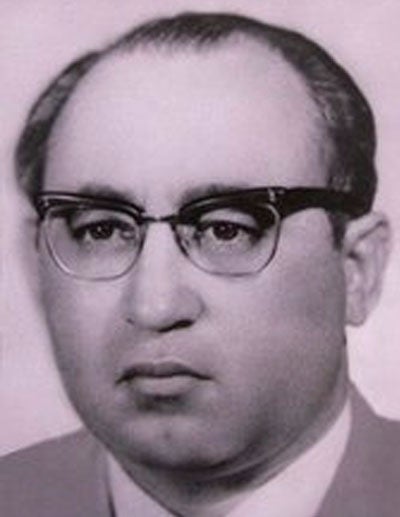
Carlos Antonio Palacios García
1966 - 1969
Dr. Palacios García, a Venezuelan national, was appointed Director of the Pan American Foot‑and‑Mouth Disease Center (PANAFTOSA) of the Pan American Health Organization (PAHO/WHO) in 1966.
He began his studies at the Faculty of Veterinary Medicine at the Central University of Venezuela, where he earned his Doctor of Veterinary Medicine degree. In 1950, he joined the Diagnostic Service of the Veterinary Research Institute as an assistant, and in 1951 he was sent to the State Veterinary Research Institute in Amsterdam, the Netherlands, where he completed studies in virology focused on foot‑and‑mouth disease—a field to which he dedicated 40 years of fruitful work.
Dr. Palacios García served as Director of the Veterinary Research Center; Director of the National Institute of Hygiene “Rafael Rangel” of the Ministry of Health and Social Assistance; and Director of the National Center for Veterinary Research (CENIAP‑FONAIAP). His extensive career as a microbiologist has been recognized with numerous distinctions.
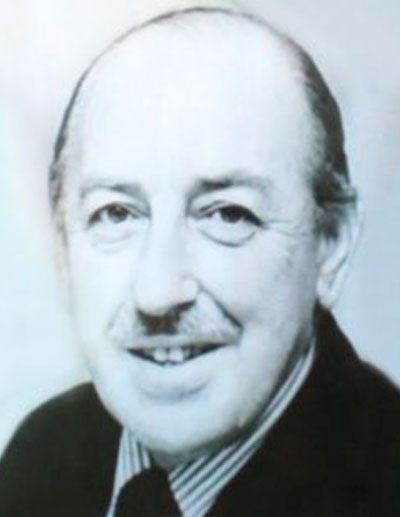
William M. Henderson
1956 - 1965
Sir William Henderson, a Scottish national, was a distinguished veterinary surgeon, scientific researcher, and administrator with a celebrated career as a global expert on foot-and-mouth disease. When he began his career in 1939, foot-and-mouth disease was the leading cause of economic losses in Europe, South America, Asia, and Africa.
Sir Henderson served as Director of the FMD Research Institute in Pirbright, Surrey, England, and later as Director of the Pan American Foot-and-Mouth Disease Center (PANAFTOSA) of the Pan American Health Organization (PAHO) in Rio de Janeiro. At PANAFTOSA, he was responsible for disease diagnosis and vaccine control across Latin America. During his tenure, he learned Portuguese and Spanish and promoted significant improvements in international collaboration, earning long-lasting influence and recognition from professional associations and governments.
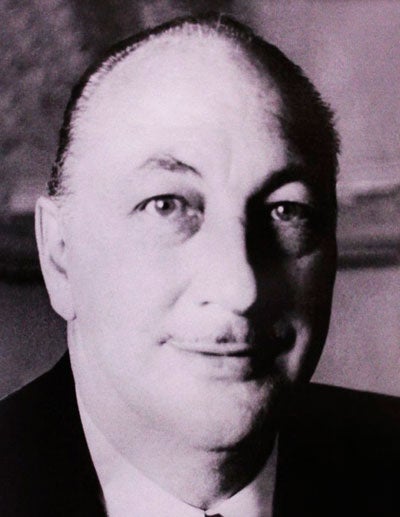
Ervin A. Eichhorn
1951 - 1956
Dr. Ervin A. Eichhorn, an American national, was appointed Director of the Pan American Foot-and-Mouth Disease Center (PANAFTOSA) in 1951. He completed his academic training in Veterinary Medicine and Microbiology at the University of Pennsylvania and the Pasteur Institute in France.
In 1937, Dr. Eichhorn joined the Bureau of Animal Industry, where he began working on brucellosis at the Animal Disease Station in Beltsville. In 1941, he was called to work at the Laboratory of the Army Veterinary School, focusing on serological diagnosis and the production of vaccines against equine encephalitis.
In 1948, he was sent to Europe to study the methods used for foot-and-mouth disease diagnosis and vaccine production. In August 1949, he was appointed Head of the Division of Vaccine Production and Research with the Mexican-American Commission for the Eradication of Foot-and-Mouth Disease.
Awards and Honors


2015
Produz Brasil Award
2014
OIE Collaborating Center for Veterinary Public Health
2013
Technical Cooperation
2009
Institutional Merit
2002
Colombian Agricultural Institute
1999
National Commission for the Eradication of Foot-and-Mouth Disease of Ecuador
1998
16th Pan American Congress of Veterinary Sciences
Pichincha Veterinary Association
1997
Veterinary Society of Rio Grande do Sul
Brazilian Association of Pork Exporters
1996
National Federation of Livestock Producers of Venezuela
1995
Presidency of the Republic of Uruguay
1994
National Service for the Control of Foot-and-Mouth Disease, Rabies, and Brucellosis of Bolivia
1988
Board of Directors of the Federation of Veterinary Doctors of Venezuela
1983
Regional International Organization for Agricultural Health (OIRSA)
1976
Unidos de Vila Isabel Samba School
Veterinary Journal
World Society for the Protection of the Animals - ??
Team
DIRECTORATE GENERAL
Director: Manuel J. Sánchez Vázquez
Assistant: Ana Cristina Silva
Administration
Cleuber Fortes
Information Technology
Pietro Paolo Nunziangeli de Souza
Finance
Fernanda Fischer
Human Resources
Ivina Couto
Maintenance and General Services
Fernando Silva
Communication
Ana Peralta
- Felipe Peixoto
- Magno Pereira
Knowledge Management
Ana Peralta
Quality Mannagment
Alessandra do Altissimo Nogueira
Quality Control
Jaqueline Santos
TECHNICAL AREAS
Foot-and-mouth disease
Coordination: -Diego Viali
- Guilherme Marques
- Assistant: Glaucia Silva
Food Safety and Antimicrobial Resistance
Coordination: André Luis De Souza Dos Santos
- Margarita Corrales
- Jonathas Vieira
- Marcos Paulo Vieira
- Assistant: Rosana Silva
Zoonosis
Coordination: Marco Antonio Natal Vigilato
- Baldomero Molina Flores
- Felipe Rocha
- Renato Vieira Alves
- Assistants: Veronica Costa y Alexandre Leite
Epidemiology/Information Systems
Coordination: Manuel José Sanchez Vazquez
- Lia Buzanovsky
- Daniel Lima
- Assistant: Lohan do Nascimento
Technical Cooperation
Coordination: Marco Vigilato
- Raphael Vianna
- Assistants: Raquel Oliveira y Aline Soares
Reference Laboratory
Coordination: Euclides Torres
- Maristela Edviges Pituco
- Assistant: Michele Sanches
Production Laboratory
Coordination: Euclides Torres
- Anna Paula Alvim
- Assistant: Michele Sanches
Leishmaniosis*
Coordination: Ana Nilce Silveira Elkhoury
* The regional leishmaniasis program is linked to the Technical Unit for Neglected, Tropical, and Vector-Borne Diseases within the Department of Communicable Diseases and Environmental Health Determinants.
Communication and Press

Team
Ana Peralta
Coordinator of Communication and Knowledge Management
E-mail: peraltaana@paho.org
Tel +55 21 3661-9088 VOIP 49065 / Cel: +55 21 980300202
Felipe Peixoto
Designer and Communication Technician
E-mail: limapefel@paho.org
Tel +55 21 3661-9046 VOIP 49046 / Cel: +55 21 990438632
Magno Pereira
Designer
E-mail: pereiramag@paho.org
Tel +55 21 3661-9057 VOIP 49057
PANAFTOSA Newsletter
Subscribe and receive the bimonthly newsletter, a publication of the Pan American Foot-and-Mouth Disease and Veterinary Public Health Center (PANAFTOSA), designed as a communication channel between our institution, its counterparts, and the general public — all of whom are the ultimate beneficiaries of public health policies in the Americas..
Follow us on our social media



Knowledge Management Center
The Knowledge Management Center (KMC) of the Pan American Foot-and-Mouth Disease Center (PANAFTOSA), part of the Pan American Health Organization (PAHO) and the World Health Organization (WHO) – PANAFTOSA-PAHO/WHO – collects, compiles, organizes, preserves, facilitates access to, and disseminates scientific and technical knowledge produced at the regional level to support the professional and technical work of the Organization in the field of health, with a special focus on topics related to Veterinary Public Health (VPH), highlighting zoonoses, foot-and-mouth disease, vesicular diseases, and food safety.
By establishing links with reference centers in the field of VPH, the KMC accesses and shares up-to-date scientific information, while also preserving in its physical and digital collection essential research sources and bibliographic references for the scientific community, such as the Foot-and-Mouth Disease Control Program Situation Reports in South America, the South American Commission for the Control of Foot-and-Mouth Disease (COSALFA) Reports, the Hemispheric Committee for the Eradication of Foot-and-Mouth Disease (COHEFA) Reports, and others

Servicios
El personal del CGC está disponible para ayudar a los usuarios en la ubicación y utilización de las fuentes de información; registra, realiza búsquedas y disemina las publicaciones institucionales en el Repositorio Institucional PAHO-IRIS, orienta la utilización de las bases de datos científicas disponibles en línea. Ofrece servicio de normalización bibliográfica para los trabajos técnico-científicos institucionales, provee la obtención de documentos (originales o reproducidos: artículos científicos, informes, tesis, disertaciones, etc.), digitaliza e indexa documentos y publicaciones producidos por el Centro; prepara y distribuye el Catálogo de Publicaciones de PANAFTOSA, los Boletines técnico-científicos de Inocuidad de los Alimentos (FOS), de la Red Interamericana de Laboratorios de Análisis de Alimentos (RILAA), además de realizar actividades de cooperación técnica en el campo de la Gestión del Conocimiento y Preservación física y digital de obras históricas.
Colecciones
La colección de PANAFTOSA, preserva en medio digital a más de 1000 publicaciones institucionales en texto completo en el Repositorio Institucional de la OPS PAHO-IRIS, desde su creación en 1951 hasta la actualidad. Además de mantener su colección institucional, el CGC también es responsable por mantener y difundir las colecciones del INPPAZ y del CEPANZO, dos centros de la OPS que si bien pararon sus actividades, el CGC mantiene sus publicaciones.
Publicaciones
- Colección de PANAFTOSA en el PAHO-IRIS
- Catálogo de Publicaciones del Centro de Gestión del Conocimiento de PANAFTOSA
- Boletines Institucionales
- Subscríbase en los Boletines de PANAFTOSA
Contacto
Centro Panamericano de Fiebre Aftosa y Salud Pública Veterinaria – OPS/OMS
Av. Governador Leonel de Moura Brizola, 7778
25045-002 – Duque de Caxias - RJ - Brasil
panaftosa@paho.org
Centro de Gestión del Conocimiento (CGC)
Tel.: 55 21 3661-9079
Lunes–Viernes: 8:15–16:15h
Bibliotecaria: Dayse Carias Bersot
Employment and Internship Opportunities
Welcome to the Employment and Internship Opportunities page at the Pan American Foot-and-Mouth Disease and Veterinary Public Health Center – PANAFTOSA, PAHO/WHO
A History of Prestige and Distinction
The Pan American Foot-and-Mouth Disease and Veterinary Public Health Center (PANAFTOSA/VPH) is a specialized center of the Pan American Health Organization/World Health Organization (PAHO/WHO), linked to the Department of Prevention, Control, and Elimination of Communicable Diseases (CDE). It began its operations in 1951 in the city of Duque de Caxias, Rio de Janeiro, Brazil.
PANAFTOSA is responsible for coordinating PAHO’s Veterinary Public Health Program and provides technical cooperation to countries in the Americas for the prevention, surveillance, and control of zoonoses, the promotion of initiatives to strengthen food safety systems, and the eradication of foot-and-mouth disease, with the aim of advancing public health and regional socio-economic development
Human Resources
To fulfill its mission at the national and local levels, PANAFTOSA continuously strives to strengthen its human capital. The Center welcomes applications from candidates who, in addition to holding the required degrees and technical skills for each position, are able to work in a multicultural environment and uphold the values of equity, excellence, solidarity, respect, and integrity that define PANAFTOSA
Requirements and Qualifications
The nature of the work at PANAFTOSA – as well as at PAHO – means that preference is given to candidates who are proficient in Portuguese and Spanish. The other official languages of the Organization are French and English.
To apply for any professional position, a university degree is required, and for managerial positions, a postgraduate degree from a recognized university is necessary. For support staff positions, a high school diploma is required, and ideally, training in a field relevant to the position.
Vacancies for administrative and support positions must be filled by local candidates, that is, those residing in the Rio de Janeiro metropolitan area and legally authorized to work in Brazil.
Employment Conditions
PANAFTOSA offers a competitive salary within the Rio de Janeiro labor market and a benefits package. Employment conditions at PANAFTOSA—whether at the professional or managerial level, or in general services under United Nations contracts—are aligned with those established by the International Civil Service Commission for employment in the United Nations and its specialized agencies. Some of the benefits include 30 working days of paid annual leave, health insurance coverage, and full participation in the United Nations Pension Fund. Local hires are governed by Brazilian national labor laws (CLT). Even when employment is not governed by national laws, the conditions promote gender equality, a work schedule of 7.5 hours per day for United Nations staff and 8 hours per day for CLT category employees, and a supportive work environment.
Recruitment
PANAFTOSA and PAHO place special emphasis on recruiting women for professional positions. Women are represented at all levels of the Organization, from Headquarters in Washington, D.C., to the 28 country offices and the eight Pan American centers. Likewise, the Organization seeks broad representation of nationals from Member States and other countries. Staff selection is carried out through competitive recruitment to uphold the highest standards of efficiency, competence, and integrity.
In addition, applicants must indicate in their curriculum vitae whether they have a family member working at PANAFTOSA. If so, they must include the relative’s name and degree of relationship. Applicants are also asked to state in their CV whether they are smokers, as PANAFTOSA is a smoke-free environment.
Internship Program
PAHO interns and volunteers join administrative or technical programs based on their skills and personal interests.
Participants in the program may be interns or volunteers, and it is important to understand the distinction between the two.
Intern:
An intern is a person who is at least 20 years old, completing the final year of an undergraduate program, or enrolled in a course of study relevant to PAHO’s work at the undergraduate or graduate level, and agrees to provide assistance to PAHO/WHO without compensation. Interns do not have staff status within PAHO/WHO and cannot represent the Organization in any official capacity.
An internship is an agreement between PAHO/WHO and an intern (student) designed to enhance the educational experience of the individual through practical tasks and exposure to the Organization’s work. Internships do not cover work of an operational and/or ongoing nature, nor tasks typically performed by staff members. Internships are approved for a specific period and traditionally range from two to six months.
Participants include students and young professionals from diverse cultural, academic, and geographic backgrounds with a common interest: motivation to pursue a career supporting veterinary public health.
Many people working in the Organization are bilingual, typically Spanish and English, Portuguese and English, or Spanish and Portuguese. Although not a requirement for a successful internship, having one of these language combinations is very useful. In general, it is advantageous for the individual to be fluent in the working language of the host country.
Volunteer:
A volunteer is a person who is at least 20 years old, with professional experience and background that allow them to make a valuable contribution to the Organization’s work. They are expected to have completed their studies and should have the possibility of taking a sabbatical from their government or employing institution, and be available for a clearly defined period. Volunteers do not have staff status within PAHO/WHO and cannot represent the Organization in any official capacity.
A voluntary assignment is an agreement between PAHO/WHO and a person (volunteer) whose experience and professional background would allow them to contribute to the work of a technical program and who may be authorized to carry out specific activities voluntarily under the supervision of a staff member. Voluntary assignments last from two months to one year.
Compensation, Liability, Insurance
According to PAHO regulations, there is no provision for remuneration for interns or volunteers. Therefore, all expenses related to the internship are the responsibility of the intern or their sponsoring institution or government. This includes travel, living, and accommodation expenses (housing is the responsibility of the intern). The following provisions regarding insurance coverage should be noted:
PAHO assumes no responsibility or obligation for costs arising from injury, travel, accidents, and/or illness incurred during the internship.
Interns are therefore required to provide proof of coverage under a valid health insurance plan for the locations where the internship will take place, as they are not covered under PAHO’s Insurance Plan.
Future Employment at PAHO
Upon completion of the internship, no employment is guaranteed for interns or volunteers. Interns/volunteers are not eligible to apply for a position at PAHO—including a Work Assignment Agreement, Special Services Agreement, Work Assignment Employee (WAE), or consultancy—during the internship period and for three months immediately following the internship’s completion.
Visa
Although obtaining a visa is the responsibility of the applicant, the Human Resources Management area will provide the applicant with a support letter if needed for visa documentation.
VACANCIES
- Laboratory Facilities and Equipment Specialist
1 vacancy - Work location: Duque de Caxias, Rio de Janeiro – Brazil
- Application deadline: February 16, 2026
- More information about the vacancy is available through this link.
Location and Contacts
Train
Take the train on the Gramacho/Saracuruna branch and get off at Gramacho station. The trip from Central Station to Gramacho takes about 40 minutes. After leaving the train, you need to take a bus, which takes approximately 5 minutes to reach the headquarters.
Municipal bus (Duque de Caxias)
The buses of the Viação Santo Antonio lines heading to Wona, Vale do Ipê, Amapá, and São Bento have stops near the headquarters.
Intercity Bus (Rio de Janeiro – Duque de Caxias)
Some neighborhoods of Rio de Janeiro are on the route of buses traveling from Rio de Janeiro to Duque de Caxias, with stops near the PANAFTOSA office.
The line departing from the "Terminal Rodoviário da Central do Brasil" is: Central x São Vicente – 556C (Viação União).
Car
From the city of Rio de Janeiro, it can take 40–90 minutes to reach the office, depending on the starting point. The two main routes are Avenida Brasil or Linha Vermelha. It is recommended to enter the address in the Waze app or a similar GPS system.
Location
Avenida Governador Leonel de Moura Brizola, 7778
São Bento, Duque de Caxias - RJ - CEP: 25045-002
email: panaftosa@paho.org
Fone: +55 21 3661-9000