• in the field

Chile’s long path to eliminating leprosy

With strong surveillance, political commitment, and support from PAHO, Chile has become the first country in the Americas to achieve elimination status.

— March 2026 —

In Chile’s health system, leprosy has been out of sight, but it has not been out of mind.

There have been no autochthonous cases for over 30 years, and unlike many diseases that fade from view as cases decline, leprosy was never allowed to disappear from Chile’s health system. It remained notifiable, meaning health professionals and laboratories are legally required to report confirmed and suspected cases to public health authorities. Due to this, it remained monitored and a part of institutional memory—even as most clinicians would never encounter a case in their careers.

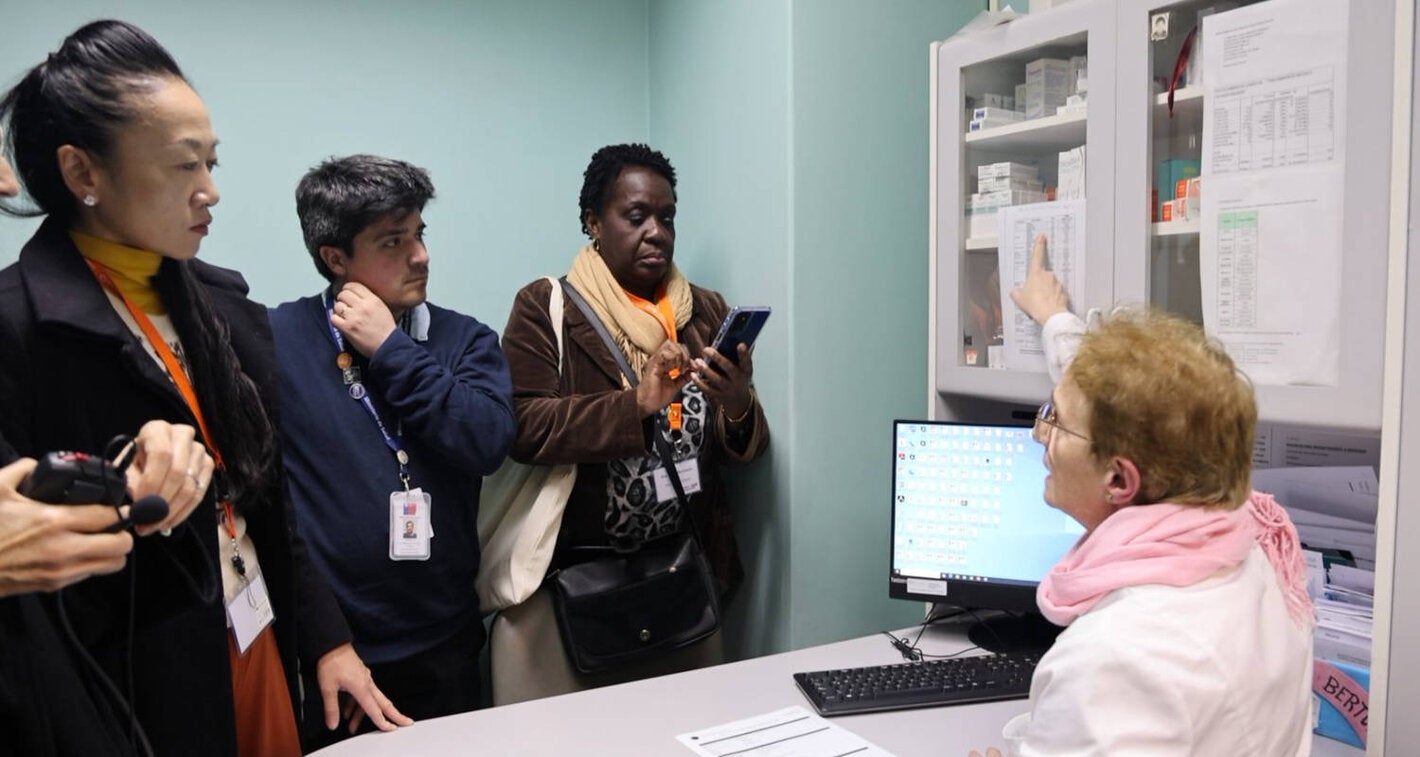
“A major challenge, when you reach this level of elimination, is maintaining awareness of neglected diseases like leprosy,” explains Patricia Contreras, Head of Chile’s Department of Communicable Diseases at the Ministry of Health. “Even if we see very few cases—or none at all—we must be prepared to recognize, remember, and identify a case, and have the capacity needed to respond and provide holistic care.”

Leprosy, also known as Hansen’s disease, is one of the world’s oldest neglected tropical diseases (NTDs)—a group of preventable and treatable conditions that continue to affect millions of people, particularly those living in poverty and with limited access to health services.

Globally, there are leprosy cases in more than 120 countries, and around 200,000 new cases reported every year. The region of the Americas accounts for approximately 13% of all reported cases worldwide. The elimination of leprosy is defined as: zero new autochthonous cases for at least three consecutive years after having interrupted transmission for at least five years.

Every case of leprosy in Chile triggers surveillance, investigation, treatment, and follow-up, reinforcing a system designed not for volume, but for vigilance. Surveillance data show that between 2012 and 2023, a total of 47 cases were reported nationwide, all of them imported. Most occurred in men and were concentrated in the Metropolitan Region of Santiago.
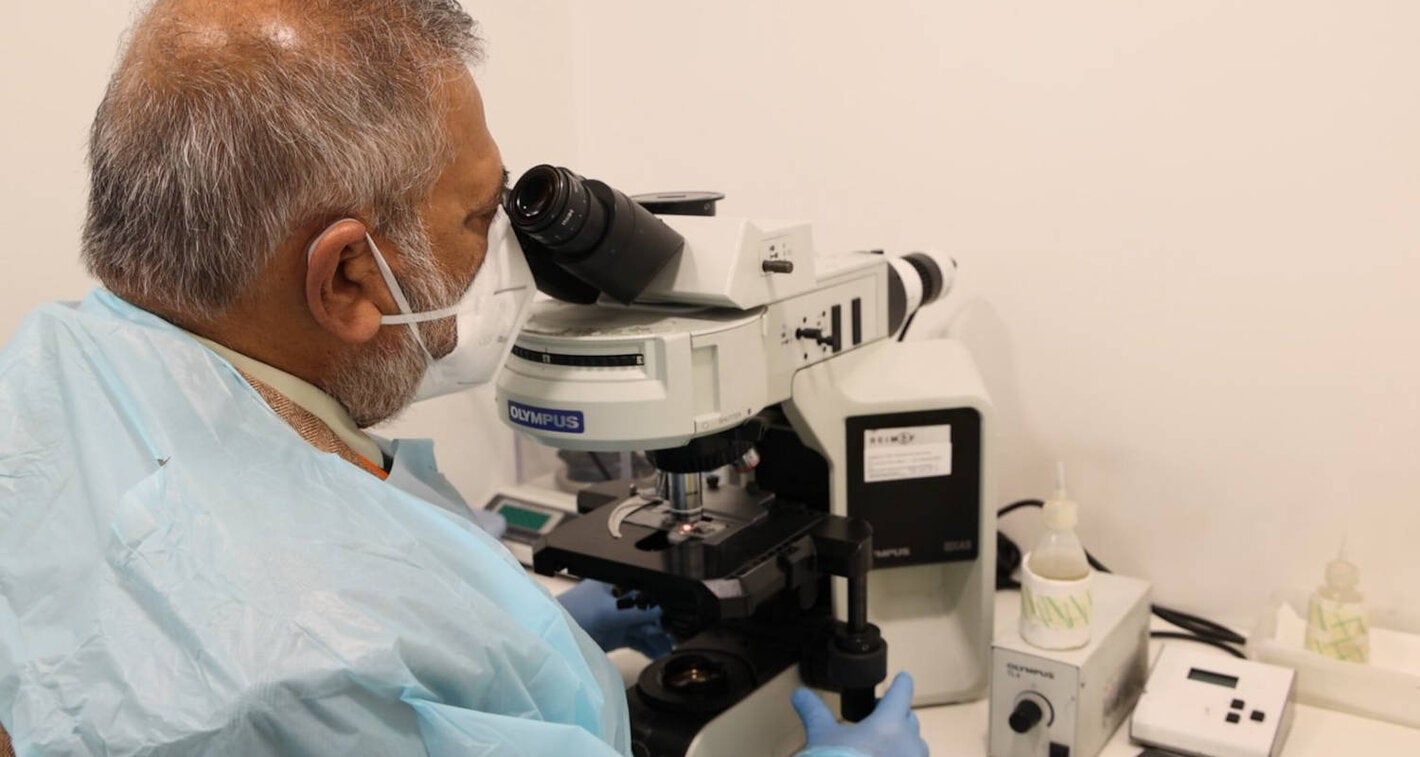
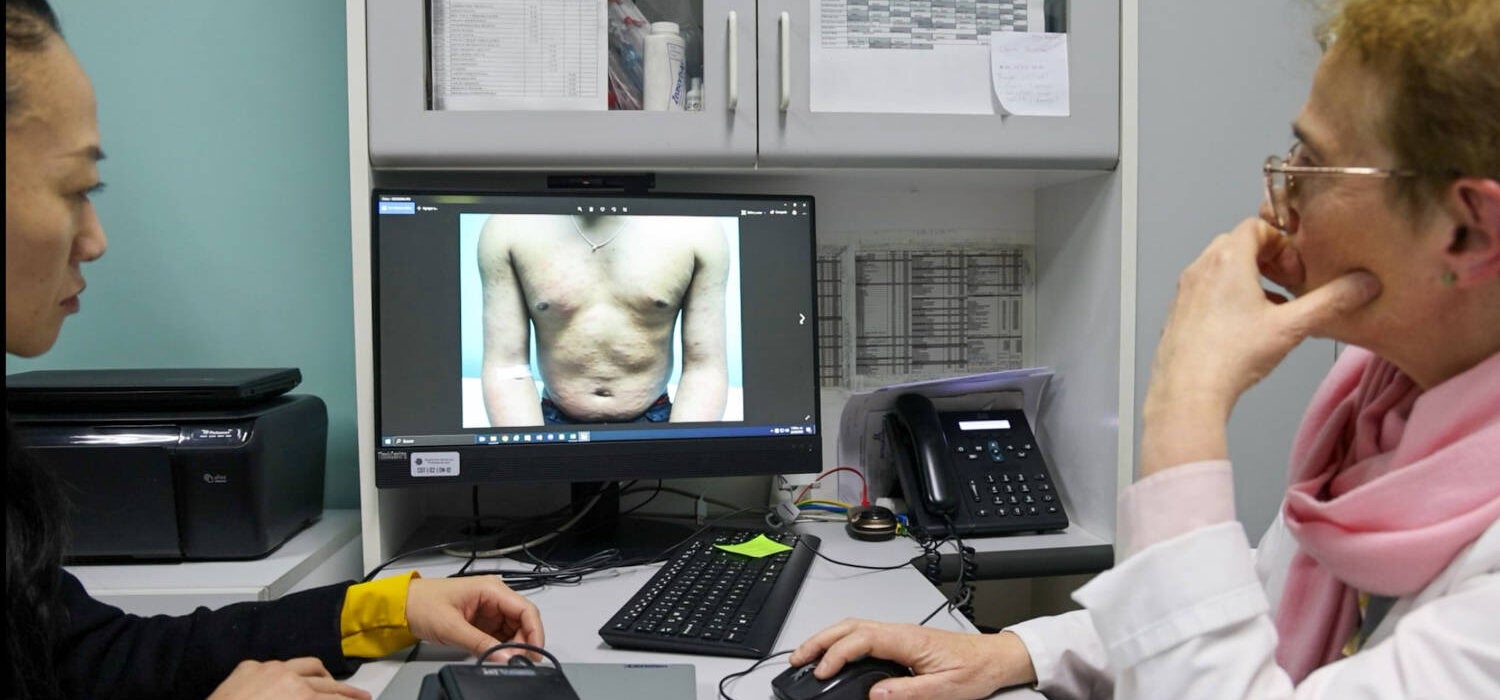
“Imported cases do not represent a risk for the population because they are detected and treated,” explains Dr. José Antonio Vergara, a physician working in public health services in southern Chile. “What matters is staying alert and making an early diagnosis to interrupt any possible chain of transmission.”

Leprosy spreads through prolonged, close contact with a person who has not been treated. Transmission occurs mainly via respiratory droplets released when an infected person coughs or sneezes, and not through casual contact such as shaking hands, sharing food, or sitting nearby.

Leprosy is curable, and for decades patients worldwide have been treated with multidrug therapy (MDT). Since 1995, the Pan American Health Organization (PAHO), in coordination with the World Health Organization (WHO), has provided MDT free of charge to Member States in the Americas, including Chile. This sustained access to treatment has been critical to curing the disease, preventing disability, and interrupting transmission.

The elimination milestone

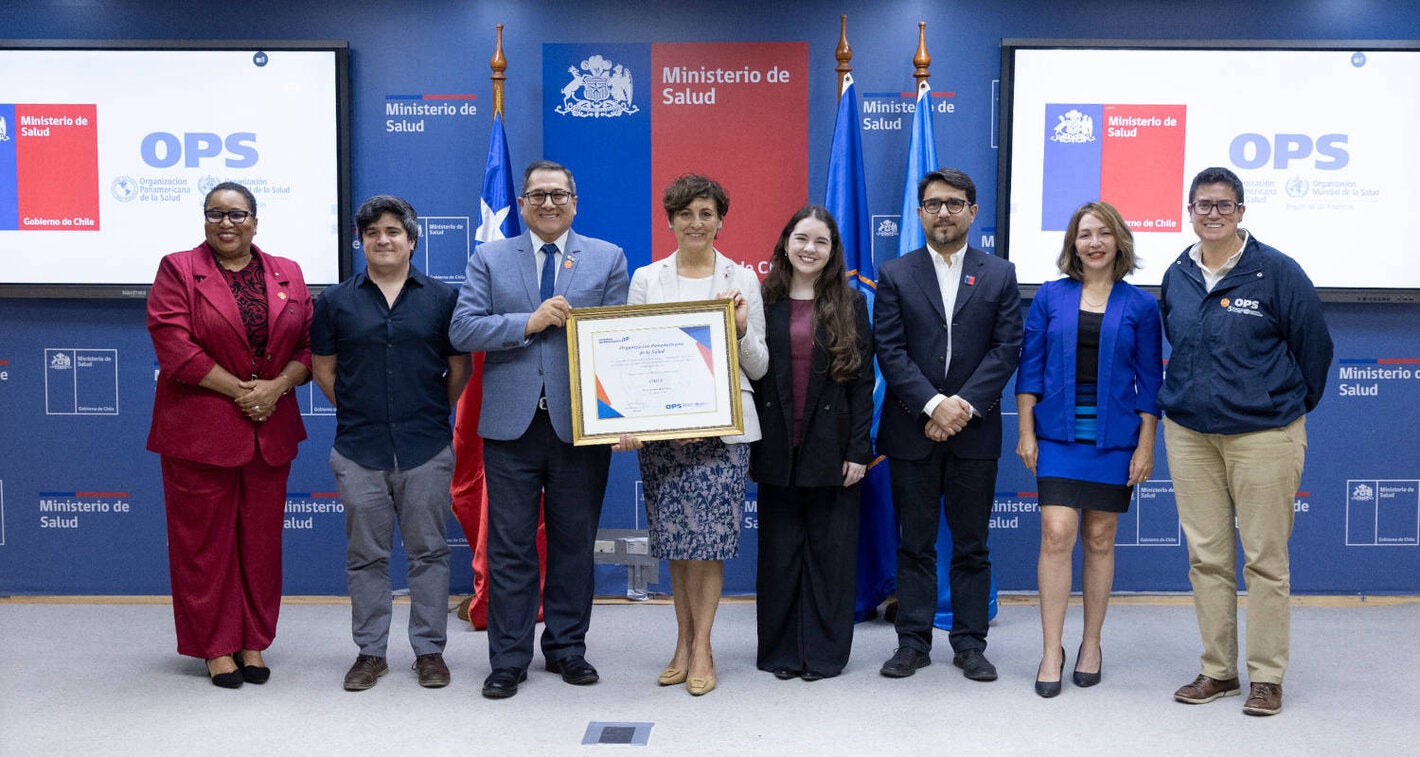
This year, Chile reached a milestone that, worldwide, only the country of Jordan has achieved. After decades of sustained effort, Chile passed the final stage of verification for the elimination of leprosy, becoming the first country in the Region of the Americas to do so.

That final step came when PAHO, in partnership with WHO, convened an independent expert panel to review Chile’s epidemiological data, surveillance systems, and case management processes. After assessing whether these mechanisms could be sustained in a low-incidence setting, the panel confirmed that elimination had been achieved—and that Chile has the capacity to maintain it.

Chile’s elimination of leprosy has taken place within a broader legal and social framework that guarantees equal access to health care, social protection, and disability services, ensuring that all people, including migrants, receive treatment without stigma or exclusion, a system that prioritizes confidentiality, respectful care, and inclusion.

“Chile is committed to ensuring that any diagnosed cases receive long-term follow-up, that potential sequelae are treated, and, of course, that no one is left with a disability we could prevent,” says Contreras, Head of Chile’s Department of Communicable Diseases at the Ministry of Health.

The role of PAHO

Beyond the provision of multidrug therapy, PAHO has supported Chile in strengthening surveillance systems that are central to elimination and verification. PAHO has also contributed to building and maintaining clinical capacity over time, recognizing that elimination depends on people as much as policies. Through training, technical guidance, and alignment with global strategies such as WHO’s Towards Zero Leprosy framework and PAHO’s Disease Elimination Initiative, the Organization has helped Chile transition from disease control to sustained elimination readiness.

“Consistent surveillance and case management are two of Chile’s strengths,” says Ana Lucianez Perez, PAHO advisor in Neglected Infectious Diseases. “Even in a low-incidence setting, the country maintained standardized notification, laboratory confirmation, contact tracing, and follow-up.”

“One of the pillars of the Ministry of Health is training technicians and professionals—especially at the primary care level—to carry out early detection and timely referral,” Contreras explains. “Primary health care is the point of entry to our system, with nearly universal coverage across the country.”

In a world where leprosy still affects thousands each year, Chile’s experience demonstrates that sustained vigilance, strong primary health care, and unwavering commitment to surveillance can transform even one of the world’s oldest diseases into a manageable—and preventable—threat. 

Echoes from the Pacific: Leprosy on Rapa Nui

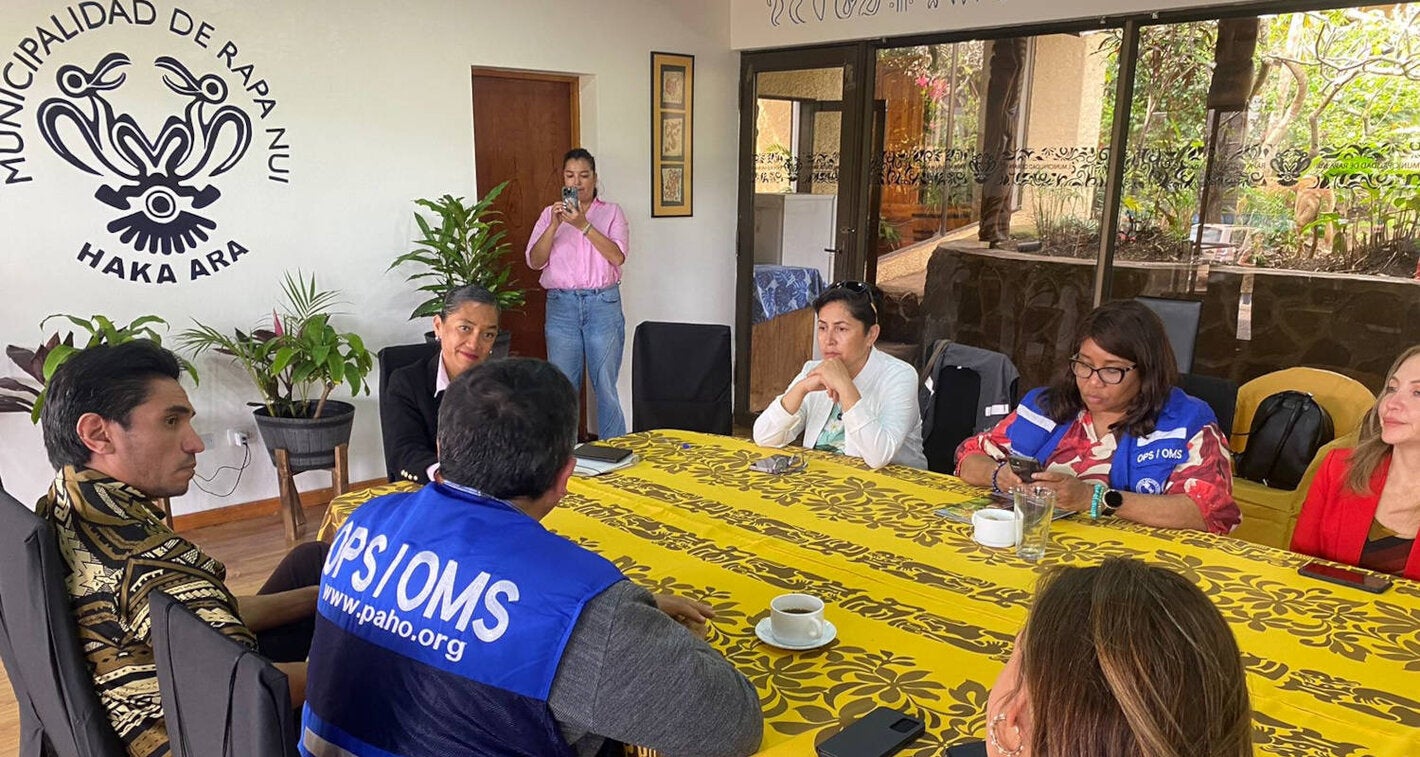
While mainland Chile recorded only sporadic, imported cases, Rapa Nui —also known as Easter Island, a Chilean territory in the southeastern Pacific— bore the deepest imprint of leprosy in the country’s history.

The disease reached the Polynesian island in 1889, likely introduced from Tahiti during a period of profound social disruption and increased contact with the outside world. Overcrowding, poor sanitation, and food insecurity facilitated its spread. By the early 20th century, isolation became state policy, and a leprosarium was established. For those diagnosed, the disease meant separation from family and, often, decades of confinement.

In 1976, a full population screening revealed the scale of the crisis. “At that time, 2,800 people lived there, and we detected leprosy in 460 people,” recalls Dr. Carlos de la Barrera, who directed the island’s facility in the late 1970s. “Over 15% of the population was infected.”

Advances in treatment and a shift away from segregation gradually transformed care. A modern sanatorium replaced the old leprosarium, and patients who completed treatment were reintegrated into the community. By 1995, the last known case on Rapa Nui had been identified and treated—closing a chapter that had shaped Chile’s experience with leprosy for nearly a century.

“I believe the major factors for success in prevention and control are directly related to the capacity of the medical teams and their ability to not demoralize patients,” explains Dr. De la Barrera. “It has taken Chile a long time to learn this.”