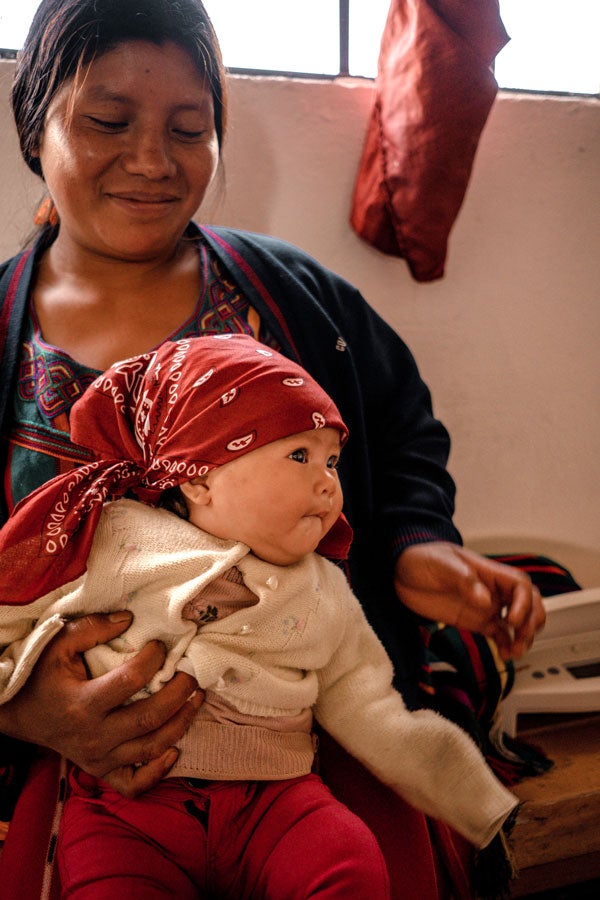
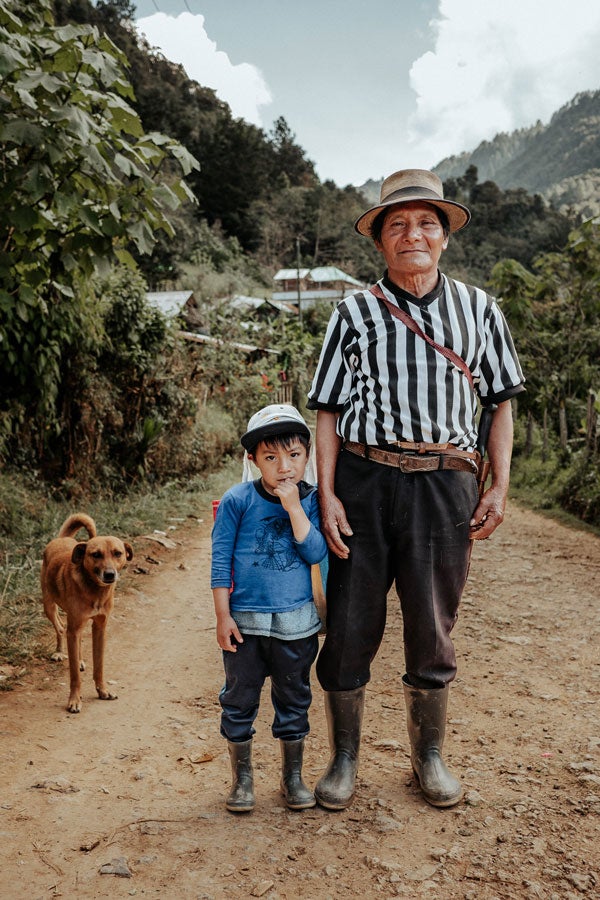
A PAHO project funded by the European Union has strengthened early detection and treatment of malnutrition in Alta Verapaz, where nearly half of all children under five suffer from chronic malnutrition
— April 2026 —

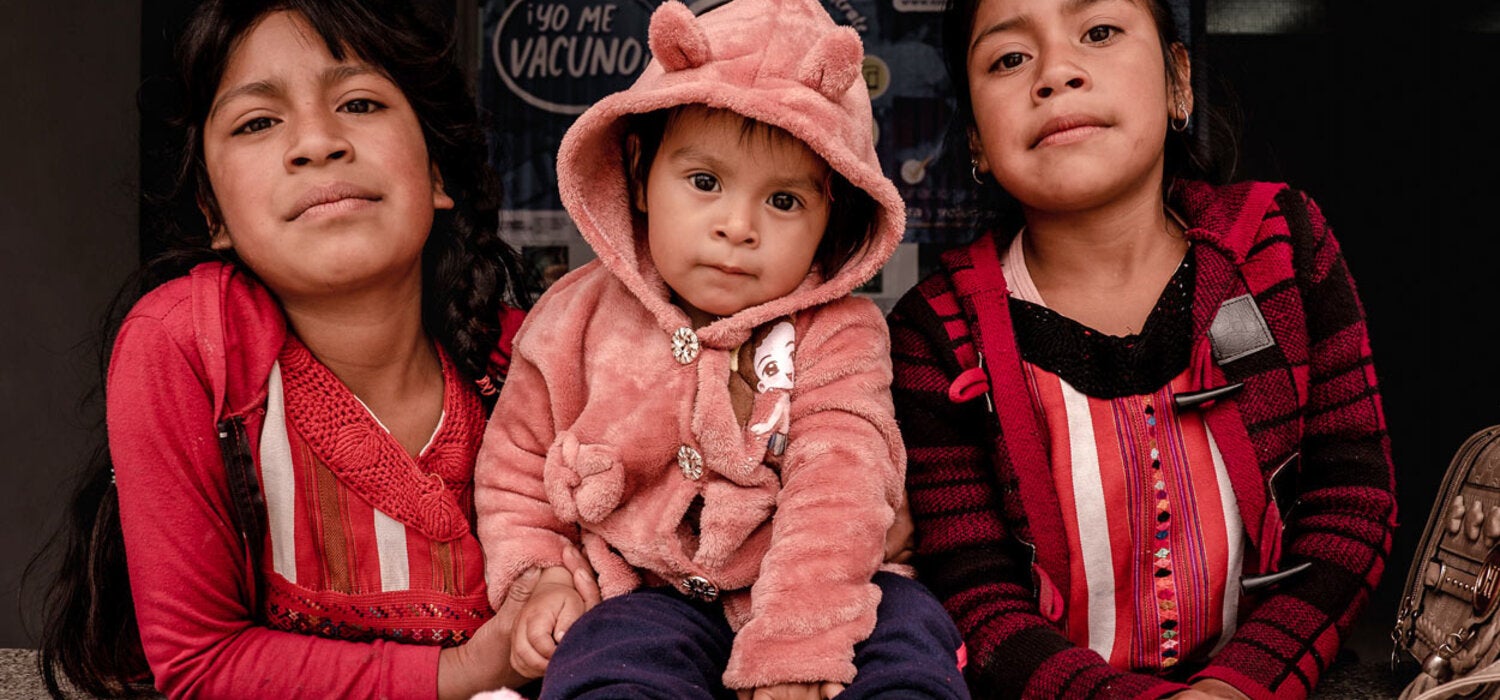
Over the past 20 years Guatemala has faced a series of food insecurity crises, exposing the vulnerability of rural communities who depend on subsistence agriculture. The combination of erratic weather patterns, limited access to health services, and poverty has left hundreds of thousands of families struggling to secure enough food.
The most recent crisis, between 2023 and 2024, affected 160 municipalities after El Niño damaged more than 54,000 hectares of crops. According to government reports, over 25,000 cases of acute malnutrition were reported in children under five, with at least 50 associated deaths. Behind these numbers lies a persistent reality: nearly half of all Guatemalan children under five suffer from chronic malnutrition — the highest rate in the Americas and among the highest in the world.
While drought-driven food crises have hit what is known as Guatemala’s Corredor Seco (dry corridor) in the east, departments like Alta Verapaz face a different but equally severe challenge: widespread poverty, isolation, and structural inequality that continue to drive high rates of child malnutrition.
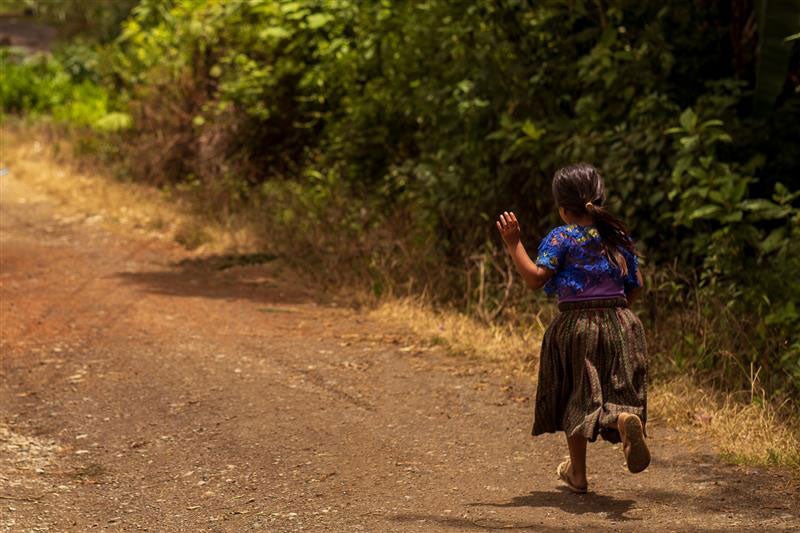
In municipalities like Cobán, health services face the daily challenge of detecting and treating cases of malnourished children in dispersed communities that are often difficult to reach.
“Alta Verapaz, and particularly the municipality of Cobán, has one of the highest numbers of malnourished children in the country,” explains Julio Rosales, coordinator of the Alta Verapaz health district.
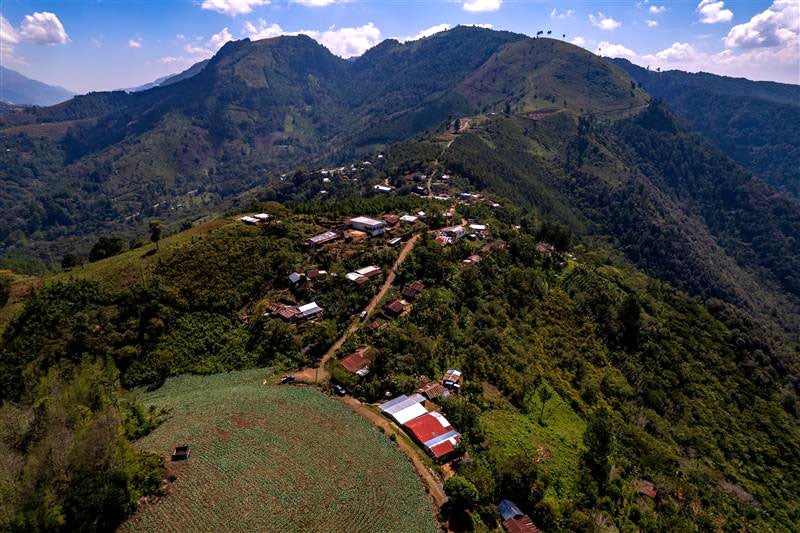
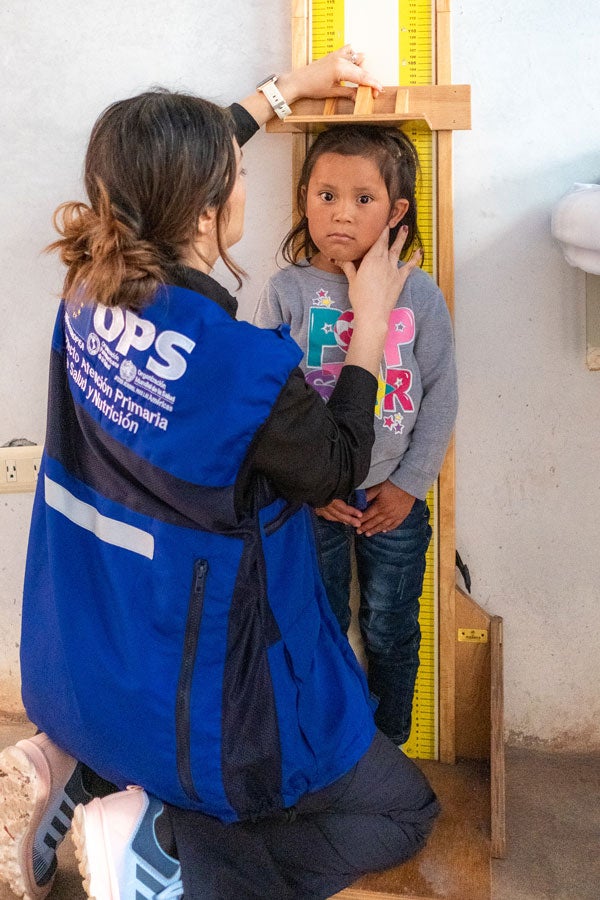
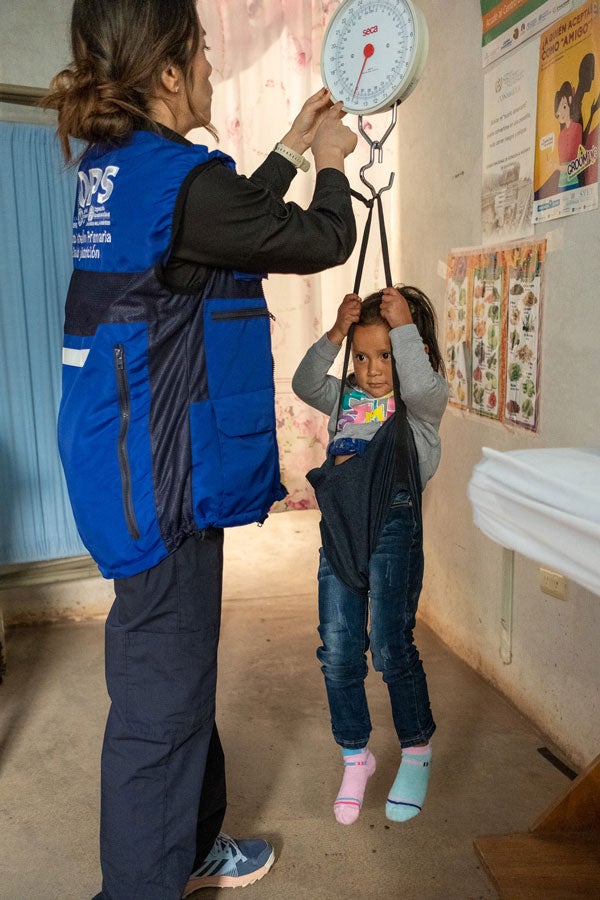
Improving the ability of health workers to identify and treat malnutrition has been one of the most immediate impacts of the Primary Health Care and Nutrition Project, implemented by the Pan American Health Organization (PAHO) with funding from the European Union. In four departments, including Alta Verapaz, the initiative focused on improving the skills of frontline health professionals through training, technical support, and strengthened coordination at the municipal level.
For nurses and health staff working in rural districts, these efforts have made it easier to detect cases of malnutrition earlier and improved follow-up, particularly in remote communities where access to care is limited.
“The training has benefited us by improving staff competencies, and we were able to increase the identification of child malnutrition cases in rural areas,” explains Mayra León, district nursing chief in Santa Cruz Verapaz. “As the capacity was strengthened, we nurses saw an increase in the detection of malnutrition cases.”
The project also supported health workers with equipment, technical guidance, and policies to strengthen coordination between communities and health services to address malnutrition.
“In working with midwives, for a long time they did not have the necessary equipment,” León adds. “Another important aspect was strengthening the technical and managerial capacities to run programs, especially PROSAN,” a national program focused on improving nutrition among vulnerable populations such as pregnant women and children.
PROSAN (Programa de Seguridad Alimentaria y Nutricional) also helped local authorities and health teams identify priorities and define strategies to address malnutrition. “The needs and the plan to address them are outlined in the municipal strategic plan,” León says.
The improvements seen in Alta Verapaz are part of a broader effort to strengthen primary health care and nutrition services across Guatemala. Implemented between 2019 and 2025 with €20 million in funding from the European Union, the Primary Health Care and Nutrition Project supported Guatemala’s Ministry of Health in expanding access to services and improving the quality of care in some of the country’s most vulnerable regions.
As Johanna Karanko, Ambassador of the European Union to Guatemala, noted during the closing of the project:
“Over five years, the project has shown that investing in public health is also investing in dignity and in the future. It leaves a strong legacy and is a clear example of how to turn challenges into opportunities. When health is built in partnership, it becomes a force for social cohesion and comprehensive development.”
The initiative reached 1.5 million people across 22 priority municipalities, including more than 265,000 children under five, with actions focused on improving nutrition, strengthening local health systems, and promoting community participation.
More than 7,300 health workers and local officials were trained in primary health care, nutrition, and health management, contributing to the technical capacity needed to detect and respond to malnutrition.
The project also strengthened planning and governance at the local level. Nineteen Municipal Health Plans for 2025–2030 were developed through participatory processes, aligning health priorities with municipal development plans and increasing local ownership of nutrition initiatives. Furthermore, the development of Integrated Health Service Networks and Master Investment Plans will help define how health services are organized and delivered across territories.
As Dr. Joaquín Barnoya, Minister of Public Health and Social Assistance of Guatemala, highlighted:
“Joint efforts, along with financial and technical support, have helped the Ministry strengthen the Integrated Health Services Network. This also has a direct impact on the Government’s priorities: tackling chronic malnutrition head-on and advancing the right to health, particularly for early childhood.”
One of the most transformative innovations was the strengthening of intercultural dialogue. More than 3,000 traditional midwives were trained and received equipment for childbirth care. Catalogues of medicinal plants were also developed together with ancestral authorities and Mayan healers, integrating traditional knowledge with biomedical practices.
“The community is at the center of action,” said Dr. Alma Morales, PAHO/WHO Representative in Guatemala. “This project has helped bring health services closer to people, giving an important role to social participation, traditional midwives and Indigenous leaders. It leaves us with a tangible difference in primary health care.”
For PAHO, the project also demonstrated how primary health care can serve as a platform for broader social transformation. An external evaluation conducted at the end of the project found that 90 percent of indicators showed progress, highlighting the role of community participation, institutional strengthening and intercultural approaches in improving health and nutrition outcomes.
“When people, governments, and partners work together, health becomes a driver of social transformation,” said Dr. Jarbas Barbosa, Director of PAHO. “Primary health care must continue to be at the heart of a more equitable, resilient, and people-centered system.”
In Alta Verapaz, improved detection, stronger follow-up of cases, and closer coordination between communities and health services are helping more children receive timely care. While much work remains to address the root causes of malnutrition, the project offers hope that sustained investment in primary health care, community participation, and local leadership can gradually change the trajectory for children growing up in one of Guatemala’s most vulnerable regions.