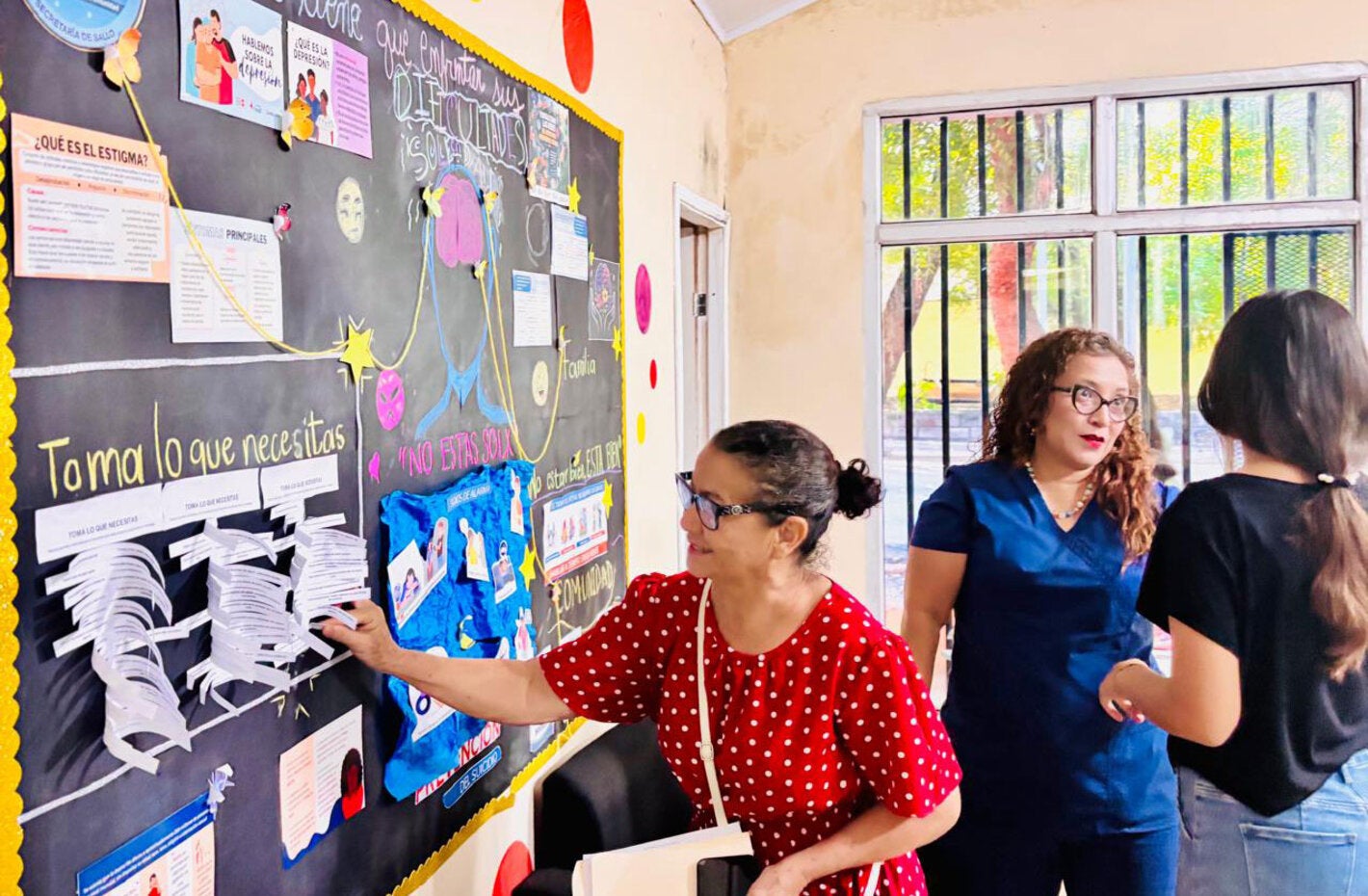
With support from PAHO/WHO, Honduras is training primary health care workers to identify and manage mental health conditions, expand access to treatment and provide follow-up care close to home.
—November 2026 —

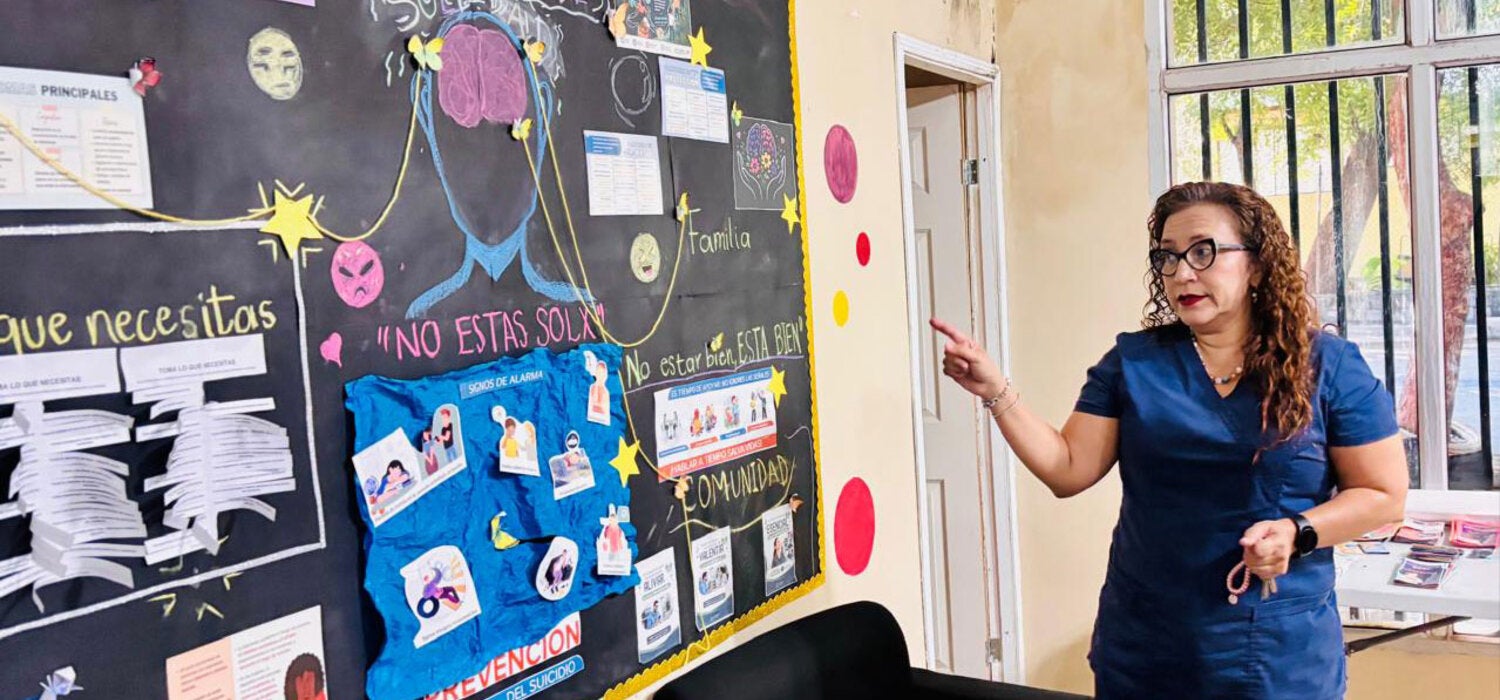
Today, Daniel* is 19 years old and studies psychology at the National Autonomous University of Honduras in Tegucigalpa. In 2025, following a mental health crisis that included a suicide attempt, he was hospitalized for three months.
After receiving specialized care in Tegucigalpa, Daniel returned to Choluteca. There, Yasmina Fuentes, a psychologist at the Adolescent Health Service of Hospital del Sur, provided eight months of psychological follow-up to help him regain emotional stability and resume his studies.
“The community-based follow-up and the support he received were essential in helping him get his life back on track,” says Yasmina.
His follow-up care was guided by the World Health Organization’s Mental Health Gap Action Programme (mhGAP), which provides recommendations for identifying and managing mental health conditions and ensuring continuity of care.
Daniel’s recovery also influenced other families. “The community saw the change in this young man,” explains Yasmina. “This positive experience has encouraged more adolescents and young people, together with their parents, to seek professional support early on, gradually reducing the stigma that has surrounded mental health conditions for years.”
Daniel’s experience illustrates how community-based care can help people continue their recovery closer to home. It also reflects a broader effort in Honduras, with support from the Pan American Health Organization (PAHO/WHO), to make mental health services more accessible.
This work is part of a broader regional effort to integrate mental health into primary health care, which PAHO has supported in 24 countries and territories across the Americas in 2025.
With support from PAHO/WHO, Honduras is training frontline health workers to identify and manage mental health conditions such as depression, psychosis and problems related to substance use, strengthening their capacity to provide treatment and follow-up care.
In Choluteca, as in other parts of the country, shortages of specialists, limited access to medicines and gaps in staff training have made it difficult for people to receive timely diagnosis and treatment.
With support from PAHO/WHO, Honduras is strengthening the implementation of mhGAP, an initiative that equips doctors, nurses and other primary health care workers to identify and manage common mental health, neurological and substance use conditions, even where specialist services are limited.
“When we began implementing mhGAP in Choluteca, as in other parts of the country, we had neither specialized personnel nor access to psychotropic medicines at the primary care level,” says Delia Fuentes, mental health focal point for the Choluteca Health Region.
In 2024, 22 health professionals from Choluteca participated in an mhGAP 2.0 workshop. The training helps frontline health workers recognize and manage conditions such as depression, psychosis, as well as problems related to alcohol and other substance use, reducing reliance on specialist services.
In practice, this means that someone experiencing symptoms of depression can be assessed at a health center close to home. If specialized care is needed, they can be referred to another facility while continuing to receive support in their community, as Daniel did.
“Previously, we lacked clear evidence of many of these conditions because they simply went undetected. Now we have trained personnel who can assess and manage them and provide follow-up care,” explains Delia. “This allows us to better understand the mental health needs of the population and respond more effectively.”
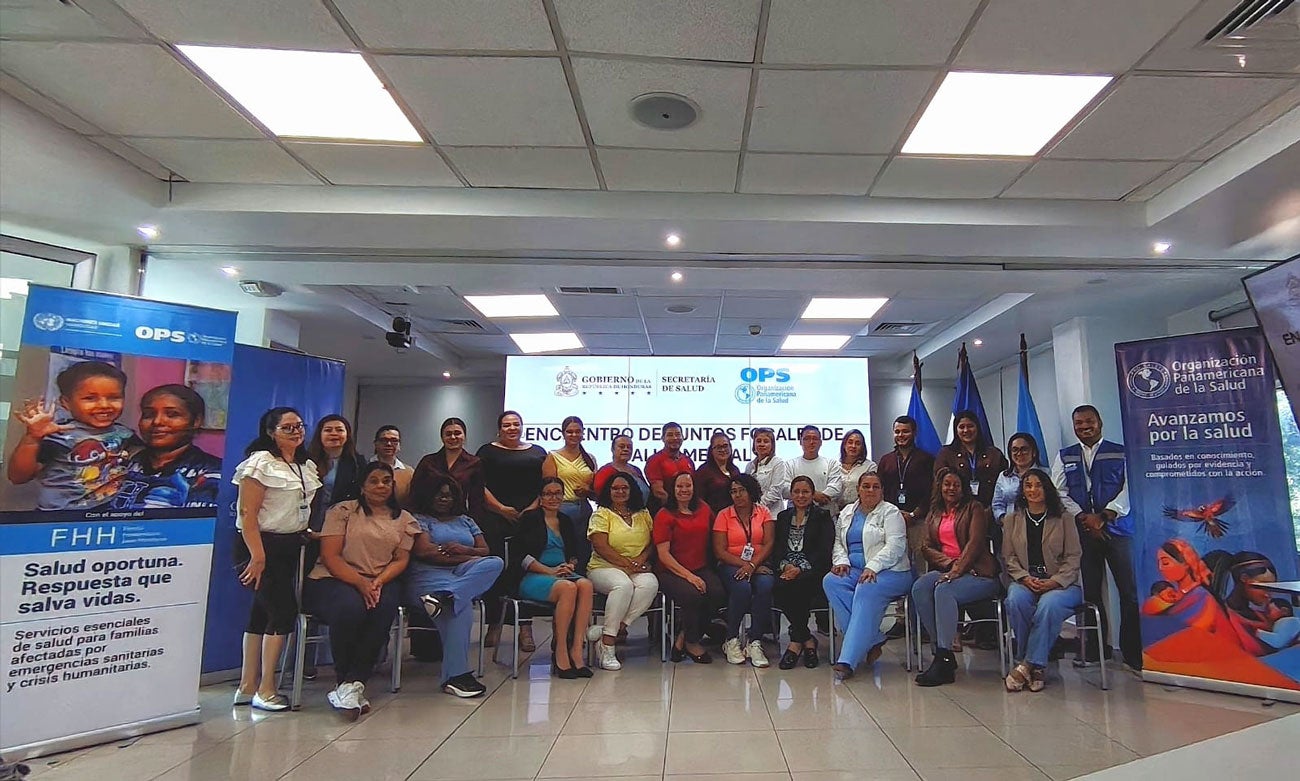
Between 2024 and 2025, with technical cooperation from PAHO/WHO, the Ministry of Health strengthened the capacity of 34 primary health care facilities in Choluteca to identify and manage mental health conditions. A total of 164 health professionals participated in eight mhGAP workshops, while 27 facilitators were trained to share the knowledge and tools with other health teams.
PAHO/WHO has also supported the adaptation of mhGAP to the Honduran context and the strengthening of care pathways. The Ministry of Health is moving forward with the implementation of a comprehensive mental health care manual, with plans to extend its use across all 20 health regions.
“Trained staff now provide follow-up care and coordinate effectively with referral services,” explains Carolina Padilla, head of Honduras’ National Mental Health Program.
The initiative has extended to health services in all 16 municipalities of Choluteca and Hospital del Sur. The hospital has also added a psychiatrist to its staff and expanded its list of psychotropic medicines in line with mhGAP recommendations.
Health workers are also helping patients and their families understand treatment plans, including how to use medicines appropriately and the importance of continuing follow-up care.
“Through mhGAP, we aim to bring mental health services closer to people so they can receive care near their homes, from early detection to treatment and follow-up, without relying exclusively on specialized services,” said Diogo Alves, PAHO/WHO Advisor on Noncommunicable Diseases in Honduras.
By strengthening the role of primary health care, Honduras is working to make mental health support more accessible and reduce the stigma that can prevent people from seeking help. Daniel’s experience shows why that matters: with appropriate treatment and continued support, recovery can open the way to new opportunities.
*Name changed to protect his identity.