Mental health is a state of well-being that enables individuals to cope with the stresses of life, realize their abilities, learn, work, and contribute to their community. It is a fundamental human right and is essential for personal and socioeconomic development.
Mental health is more than the absence of mental disorders. Mental health conditions encompass mental disorders, psychosocial disabilities, and other states associated with distress, functional impairment, or a risk of self-harm.
The Challenge in the Americas
Mental and substance use disorders have a high prevalence and are major causes of disability and premature mortality. However, allocated resources are insufficient and inequitably distributed, resulting in a treatment gap that exceeds 70% in many countries. Stigma and discrimination exacerbate this situation.
Median spending on mental health in the Region is just 2.1% of the total health budget (Mental Health Atlas 2024), with 42% of these funds allocated to psychiatric hospitals rather than community-based services.
- More than 100,760 people died by suicide in the Americas in 2021 (a rate of 9.2 per 100,000 inhabitants). It is the only WHO region where rates are rising (+17% since 2000).
- The treatment gap for mental disorders exceeds 77.9% in Latin America and the Caribbean. More than three out of four people do not receive care.
- Only 2.1% of the health budget is allocated to mental health in the Region (Mental Health Atlas 2024), and 42% of that spending goes to psychiatric hospitals.
- Depression is the most prevalent mental disorder, affecting women twice as often as men.
- More than 10 million people in the Americas live with dementia. It was the third leading cause of death in the Region in 2019, and is projected to double every 20 years.
- Mental, neurological, and substance use disorders account for more than one-third of the years lived with disability in the Region.
The Burden of Mental Disorders in the Region of the Americas
The report The Burden of Mental Disorders in the Region of the Americas, 2018, aims to improve the assessment of mental health needs in the Americas.
(Acknowledgments: Daniel Vigo and Laura Jones (Mental Health Systems Laboratory, Department of Psychiatry, University of British Columbia; Department of Global Health and Social Medicine, Harvard Medical School) were responsible for collecting and analyzing the data and are the lead authors of the reports by country.)
Explore the data interactively in the ENLACE portal
Burden of Neurological conditions
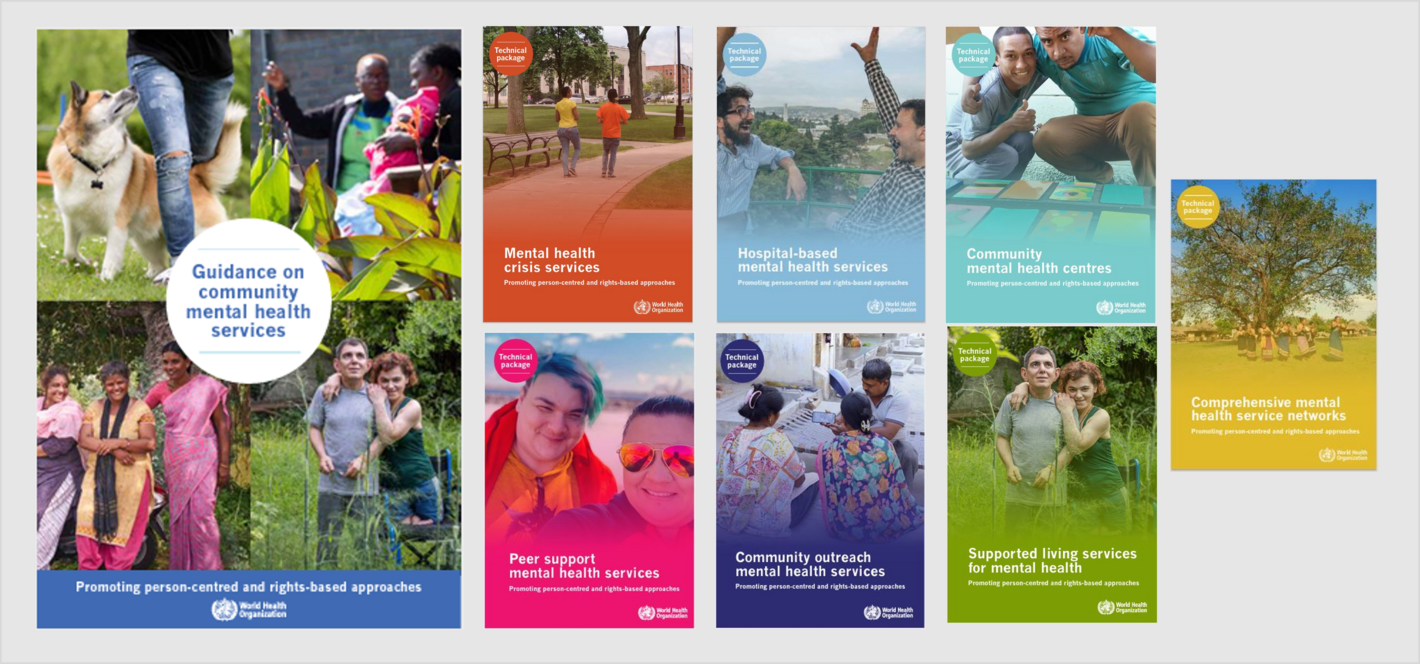
The PAHO/WHO Mental Health Program works with countries in the Americas to strengthen mental health policies, services, and systems based on human rights, scientific evidence, and community-based care.
Current Regional Strategy:
- Strategy to Improve Mental Health and Suicide Prevention 2024–2030 (CD60.R12, 2023) — guiding framework for all Member States
Active Priority Initiatives:
- Regional Suicide Prevention Initiative (2025–2030): Implementation of the LIVE LIFE framework in priority countries to reduce suicide rates
- Implementation of mhGAP: integration of mental health into primary care in more than 20 countries
- Quality Rights: transformation of mental health services with a human rights approach and reduction of institutionalization
Technical Cooperation Areas:
- National mental health policies and plans
- Integration into primary health care
- Mental Health and Psychosocial Support in Emergencies (MHPSS)
- Suicide prevention
- Community-based care and deinstitutionalization
- Mental health of specific populations (children, adolescents, older adults, indigenous peoples)