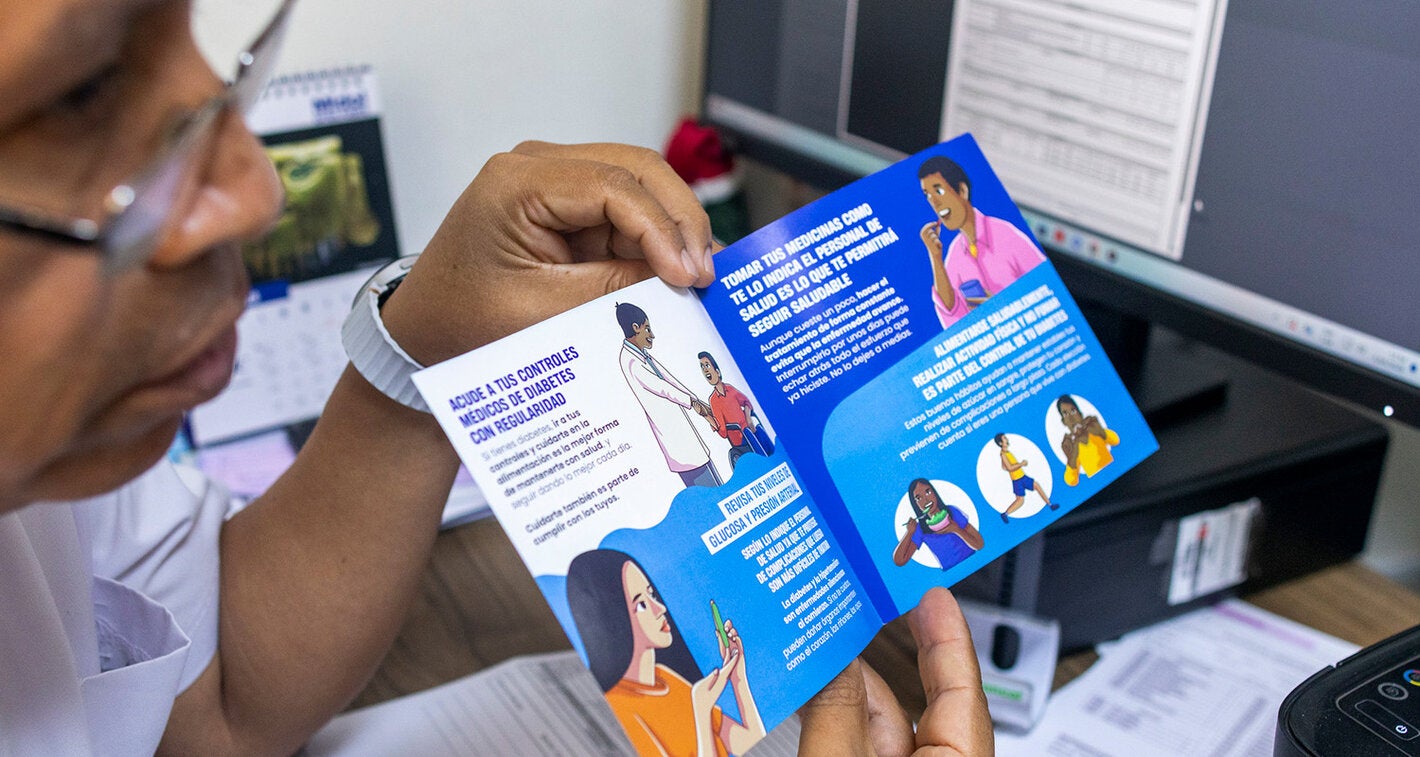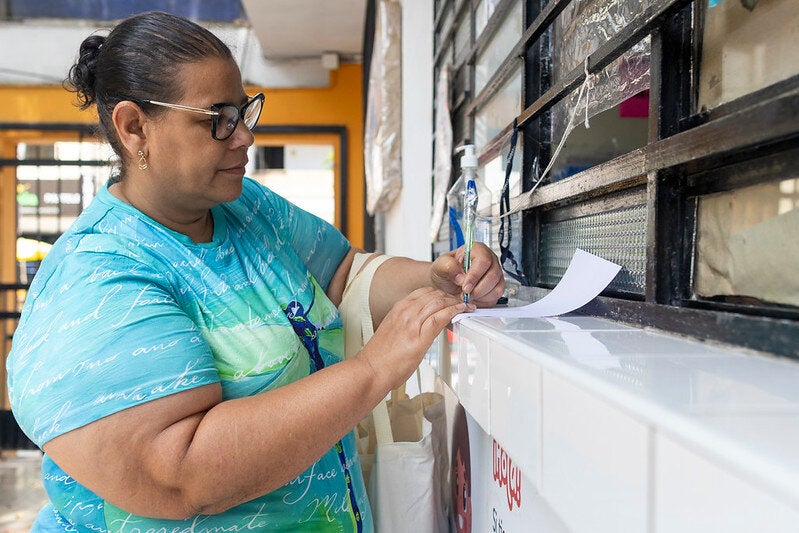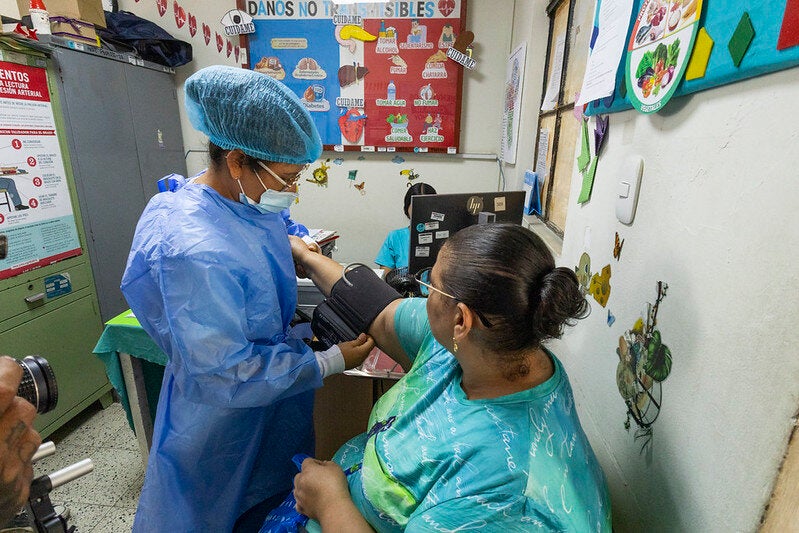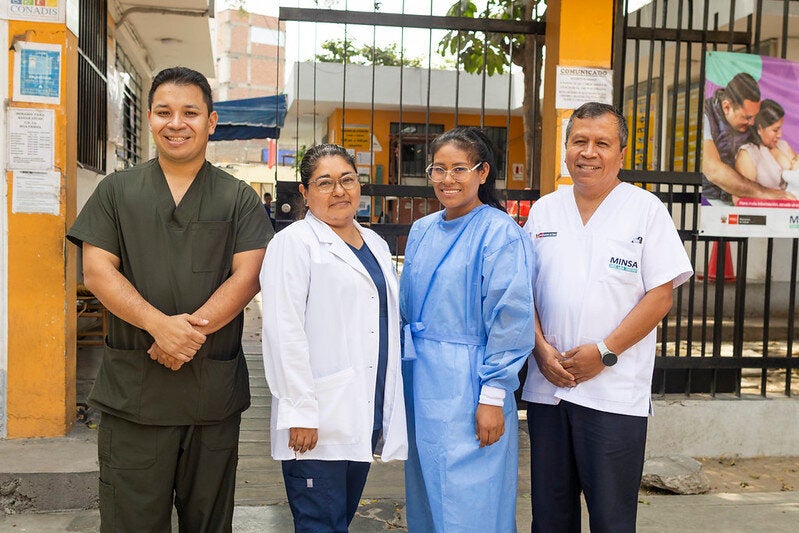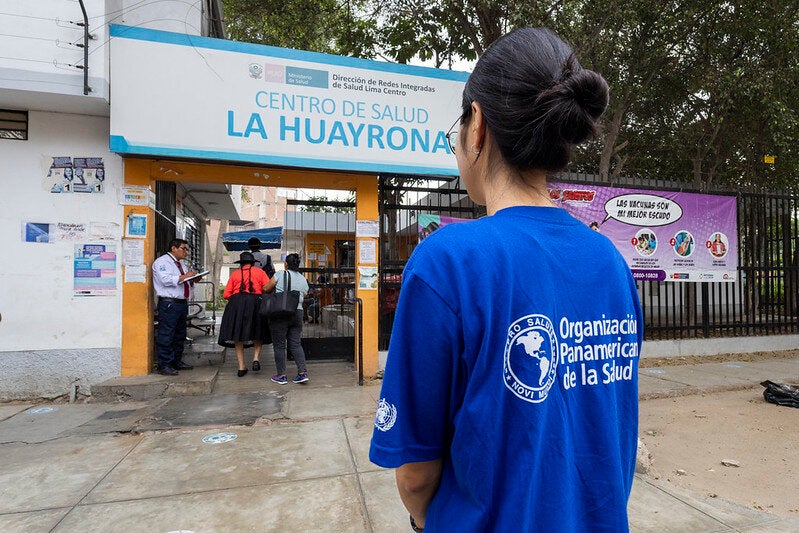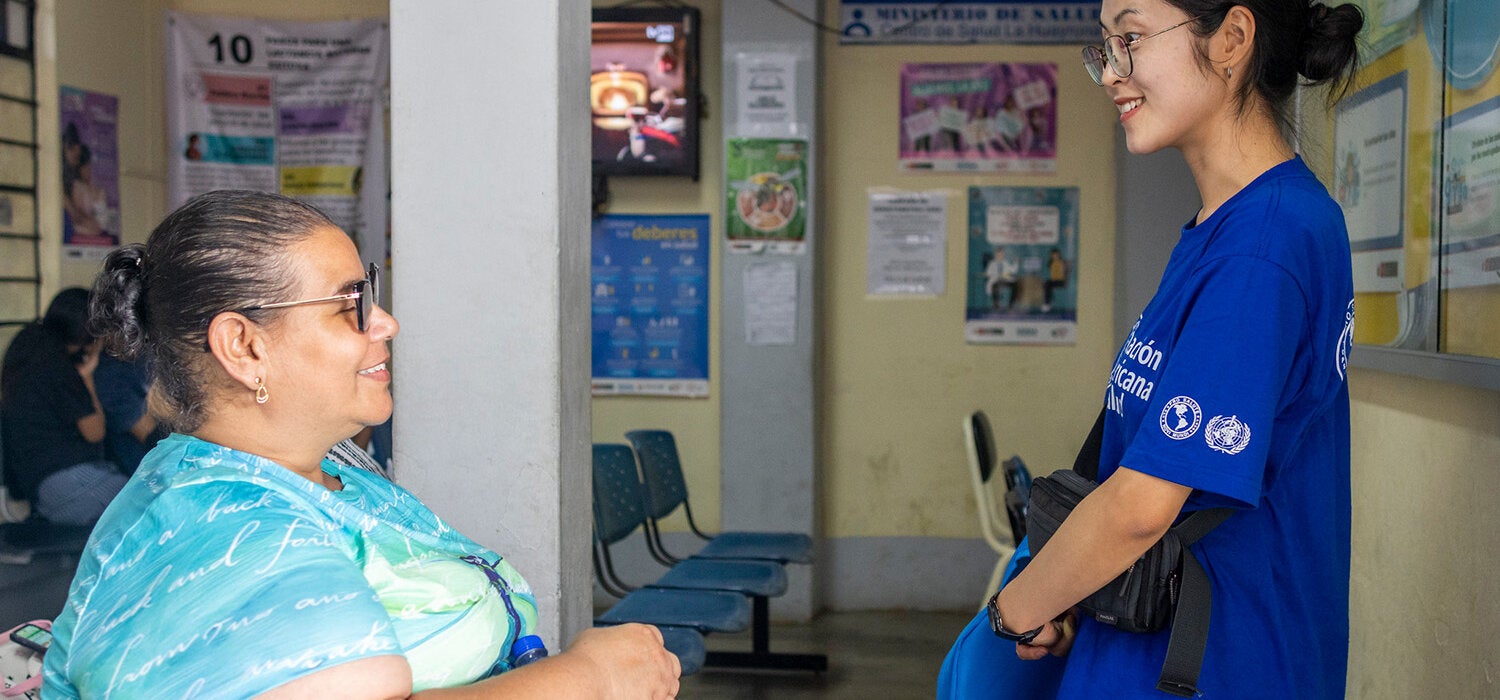
With funding from the Korea International Cooperation Agency (KOICA), a project led by Peru's Ministry of Health and PAHO/WHO aims to strengthen health services to provide timely, inclusive care for migrants and refugees.
— October 2026 —
Five years after leaving Venezuela, Sorelys Chávez still remembers the uncertainty she felt when she arrived in Peru.
She knew no one. She had left behind her home, part of her family, and a health system where it had become increasingly difficult to find medications to treat an autoimmune disease she had been diagnosed with years earlier.
"I decided to leave because medications and specialists were unavailable. So health is also one of the reasons I'm here in Peru," Sorelys says.
But as a migrant, she also worried about whether she would be able to access medical care when she needed it.
"Arriving in another country where you don't know anyone, where you don't know how people will treat you, what your fate will be, or how you will deal with so many things. It's a complete shock," she recalls.
According to the latest official estimates, more than 1.5 million Venezuelan migrants and refugees live in Peru, making it the second-largest destination for this population in the Americas, after Colombia.
"Migrants and refugees face multiple obstacles to accessing health care, from financial and administrative difficulties to fear of discrimination or rejection. When someone delays seeking care for these reasons, a chronic disease can worsen unnecessarily. Reducing these barriers is essential to ensuring timely care and continuity of treatment," says Ivy Lorena Talavera, PAHO/WHO's International Advisor on Health Systems across the Life Course in Peru and project manager.