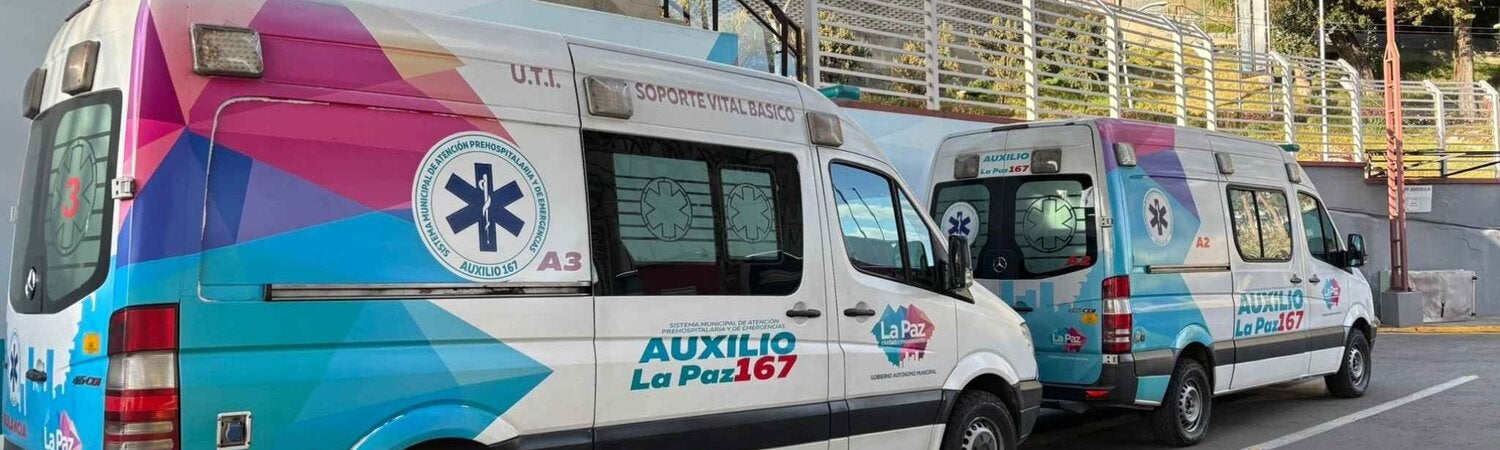
• two ambulances on the street

Post-crash response

Timely and quality emergency care can make the difference between life and death. In the Region of the Americas, thousands of people face life-threatening situations every day that require better prepared and coordinated Emergency Care Systems. 

An Emergency Care System is an organized network of resources, services, and health professionals that work in an integrated manner to effectively respond to life-threatening situations. It includes prehospital care (on-scene care, transport, and transfer), care at health facilities (from the first level to specialized hospitals providing critical and surgical care), as well as preparedness and safety mechanisms for emergencies. Its objective is to ensure that every person receives the right care, at the right place, and at the right time—integrating organization, governance, financing, information systems, and continuous quality improvement. 

With support from the United Nations Road Safety Fund (UNRSF) and multiple strategic partners, the Pan American Health Organization (PAHO) promotes a regional agenda to strengthen emergency care based on the essential components of the Emergency Care System Framework. 

  • Six countries (Belize, Bolivia, Costa Rica, Jamaica, Paraguay, and Trinidad and Tobago) conducted the Emergency Care System and Critical Care Assessment (ECCSA).

  • Thirteen countries report having a single national emergency access number.

  • Fifteen countries reported including a response time target in their road safety strategies. 

  • Only two countries included a response time target expressed in minutes in their road safety strategies. 

  • Seven countries (Argentina, Bolivia, Colombia, Costa Rica, Jamaica, Mexico y Paraguay) have implemented the cascade training model for the Basic Emergency Care (BEC) course. 

  • Belize has implemented the Basic Critical Care Course. 

  • Costa Rica has piloted the Community First Aid Response Course. 

International commitment to integrating emergency, critical, and surgical care has strengthened in recent years. The World Health Assembly resolution WHA76.2 (2023) underscored the need to integrate emergency, critical, and surgical care services within health systems as key components of universal health coverage and emergency preparedness. That same year, the United Nations General Assembly resolution A/RES/78/4 reaffirmed countries’ commitment to ensuring equitable access to essential health services. 

In 2024, resolution WHA77.8 called for the development of a Global Strategy 2026–2035 for the integration of surgical, critical, and emergency care. In the Region of the Americas, these mandates are reflected in PAHO Directing Council resolution CD61.R11 (2024), which approved the Integration Strategy 2025–2030, aimed at strengthening Emergency Care Systems at all levels of care. This strategy guides joint work with countries to build more resilient, equitable, and emergency-ready health systems. 

PAHO works alongside countries in the Region of the Americas to strengthen emergency response capacity, promoting coordinated actions that save lives. This includes the deployment of technical cooperation, training of health professionals, generation of evidence to inform decision-making, and promotion of reforms that enhance the preparedness and safety of Emergency Care Systems. 
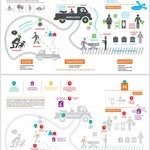
The essential components of an emergency care system

Areas of work

PAHO supports countries in integrating emergency care into national health plans and consolidating integrated primary health care models. It also promotes the establishment of institutional structures and sustainable mechanisms to ensure the training and retention of specialized professionals. 

This work is aligned with intersectoral policies that engage ministries of health, finance, transport, and security, ensuring the necessary coordination for an effective response. Additionally, PAHO advocates for the adoption of international standards, the allocation of dedicated funding, and the establishment of clear regulatory frameworks to strengthen governance and reduce fragmentation. 

Recommended strategies: 

  • Ensure sustainable financing for the Emergency Care System (ECS). 

  • Integrate emergency care as a key component within national health plans or primary health care models. 

  • Designate an office or unit responsible for emergency care within the Ministry of Health. 

  • Create mechanisms to guarantee the sustainable training and retention of specialized professionals. 

To strengthen ECSs, it is essential to have national assessments that provide an objective understanding of system response capacity. Tools such as the Emergency and Critical Care System Assessment (ECCSA) offer a structured framework to evaluate essential system components, identify strengths, weaknesses, and critical gaps, and prioritize areas for improvement. 

The situational analysis becomes a key instrument to translate findings into concrete actions that enhance coverage, accessibility, and quality of emergency care across the Region of the Americas. 

Recommended strategies: 

  • Conduct a standardized national assessment of emergency care, including legal and regulatory frameworks, to identify areas for improvement. 

PAHO provides technical cooperation to countries to review, update, and harmonize laws, regulations, and protocols governing emergency care. This support aims not only to modernize legal frameworks but also to ensure alignment with international standards and national health priorities. 

Strengthening regulatory frameworks improves institutional capacity to manage critical resources, such as prehospital transport, supply chains for medicines and equipment, critical and surgical care, workforce certification, and referral and counter-referral protocols. These actions promote legal certainty, accountability, and service sustainability, consolidating emergency care as a national health priority. 

Recommended strategies: 

  • Explicitly include emergency care (prehospital, hospital, critical, and surgical) within national health plans or strategies. 

  • Review and, where necessary, improve "Good Samaritan" protection laws for bystanders providing first aid. 

  • Review and improve regulations for standardized clinical documentation in prehospital and emergency unit settings. 

  • Review and establish triage systems, clinical protocols, and referral/counter-referral pathways, including "no-refusal" policies. 

  • Review and establish a single national emergency number for ECS activation. 

  • Develop national standards for ambulance types, equipment, medicines, and personnel. 

  • Develop national standards for emergency units, including staffing, equipment, and essential medicines. 

Timely access to organized and efficient prehospital services is critical to saving lives and reducing complications in emergencies. PAHO promotes the Prehospital Toolkit, designed to standardize on-scene care protocols and optimize the work of first responders. This practical resource supports hands-on training and ensures that initial procedures are performed consistently, in alignment with international standards. 

The approach also promotes integrated coordination systems, including dispatch centers, transport protocols, and referral mechanisms, ensuring continuity of care from the site of the event to hospital-based services. 

Recommended strategies: 

  • Ensure access to organized prehospital emergency care, including a single emergency number and a coordination center with real-time mapping of available resources.

  • Establish community-based first response training programs. 

PAHO promotes the consolidation of 24/7 emergency units, ensuring continuous operation and strengthening both clinical and management capacities. These units are essential to guarantee immediate, safe, and effective care for emergency cases. 

Support includes the implementation of training tools such as the Emergency Unit Management (EUM) course, which optimizes organization and management of emergency services, and the Basic Critical Care (BCC) course, which provides essential competencies for managing critically ill patients. Both initiatives contribute to standardizing clinical practice, improving the quality of care, and ensuring continuity. 

PAHO also fosters the strengthening of infrastructure, strategic supplies, and evidence-based protocols, improving the responsiveness of emergency units. This includes patient flow management, referral system coordination, and linkage with prehospital networks for timely and safe transfers. 

Recommended strategies: 

  • Ensure that all hospitals have emergency units or areas available at all times.

Developing professional competencies is a cornerstone for ensuring the delivery of quality emergency care. In this regard, the Pan American Health Organization (PAHO) promotes the regular updating and certification of emergency care providers to maintain up-to-date clinical and management competencies. 

This process includes the implementation of standardized and internationally validated courses, such as the Basic Emergency Care (BEC) course, the Basic Critical Care (BCC) course, and the Community First Aid Response (CFAR) course, among others. These trainings not only strengthen technical knowledge but also foster teamwork and inter-institutional coordination. 

Professional capacity strengthening is further complemented by the establishment of accreditation mechanisms and networks of local and regional instructors, which ensure the sustainability of installed capacities. This approach helps ensure that knowledge and skills are institutionalized within national health systems, rather than relying exclusively on external actors. Through these efforts, PAHO supports countries in developing a skilled and up-to-date health workforce, capable of providing effective and safe emergency and critical care. 

Recommended strategies: 

  • Integrate specific training on emergency and trauma care into medical and nursing curricula. 

  • Implement ongoing training and periodic refresher programs for all frontline providers. 

  • Establish pathways for regular certification of prehospital and hospital emergency care personnel. 

PAHO promotes the strengthening of reliable and standardized information systems that enable the monitoring of the performance of emergency and critical care services. To this end, PAHO advocates for the use of harmonized registries, facilitating data comparability across institutions and supporting evidence-based decision-making. 

A central component of this effort is the consolidation of key indicators, such as response times, quality of care, and health outcomes, which inform planning processes and resource allocation. These indicators help identify gaps in service delivery and form the foundation for continuous quality improvement programs, including clinical audits, accreditation processes, and ongoing training of health personnel. 

PAHO encourages the integration of data collection and analysis into the strategic management of health systems, ensuring a dynamic process of institutional learning. In this way, data are used not only to evaluate performance but also to optimize processes, strengthen governance, and continuously improve the quality and safety of emergency care. 

Recommended strategies: 

  • Develop standardized protocols and ensure their consistent implementation. 

  • Establish information systems that integrate essential emergency care data. 

  • Analyze health system performance in key areas of emergency care delivery (e.g., response times). 

  • Promote continuous quality improvement programs, using available data and international guidance to strengthen emergency and trauma care. 

  • Document and disseminate successful experiences. 

Latest news

Documents

All

Communication Materials

All

More information