
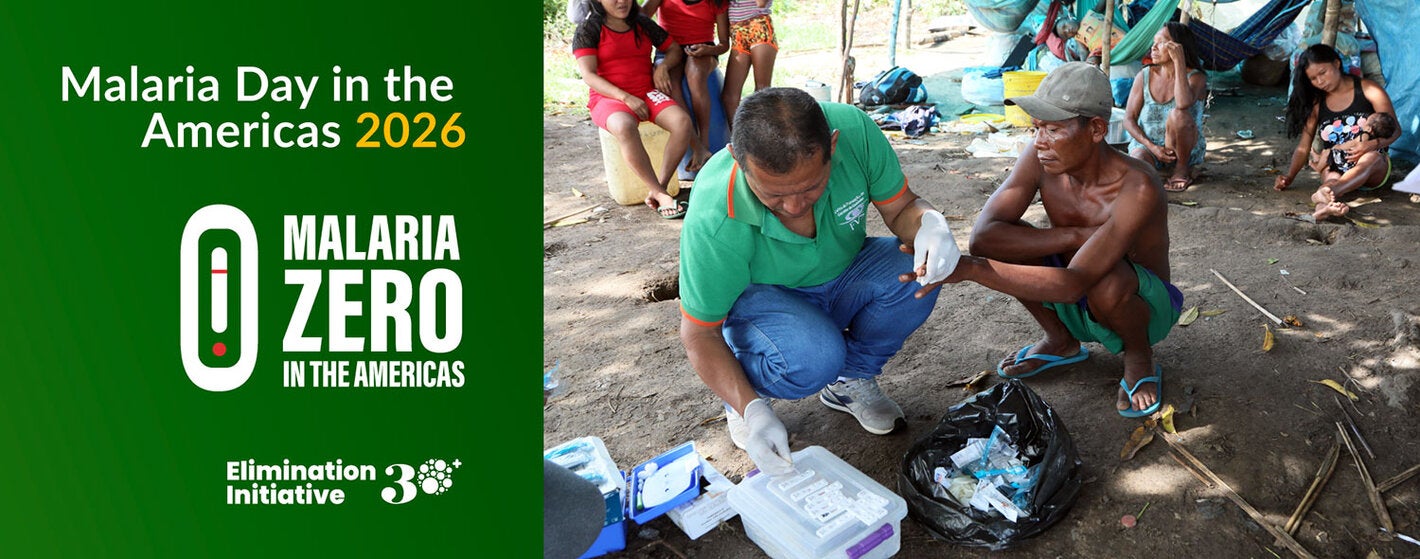
Malaria Day in the Americas, observed annually on November 6, serves as an opportunity to recognize the progress made by countries and to renew the regional commitment to eliminating this disease.
Advancing Toward a Malaria-Free Region
In recent years, the Americas have achieved significant milestones: Paraguay (2018), Argentina (2019), El Salvador (2021), Belize (2023), and Suriname (2025) were certified by the World Health Organization (WHO) as malaria-free countries, demonstrating that elimination is possible.
However, malaria remains a public health challenge. In 2025, the Region reported approximately 455,000 cases, concentrated mainly in South America, particularly in the Amazon Basin and along Colombia’s Pacific coast. Indigenous populations, communities in mining areas, and people living in remote territories continue to face significant barriers to accessing diagnosis and treatment.
Innovation for Elimination: New Actions Toward 2030
This year, PAHO is launching the Plan of Action for Malaria Elimination in the Americas 2026–2030 (available in Spanish), which proposes a renewed strategic framework to accelerate regional progress.
The Action Plan prioritizes expanding access to diagnosis and treatment, strengthening surveillance, incorporating new tools and interventions to interrupt transmission and prevent its re-establishment, and enhancing governance, financing, and partnerships. Community engagement and people-centered approaches are cross-cutting elements essential to achieving these objectives.
Webinar
Malaria Day in the Americas 2026: Zero Malaria in the Américas
November 06, 2025 - 02:00 p.m. - 03:30 p.m. (Standard Eastern Time)
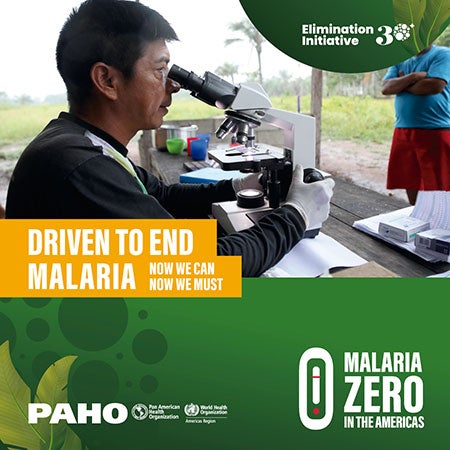
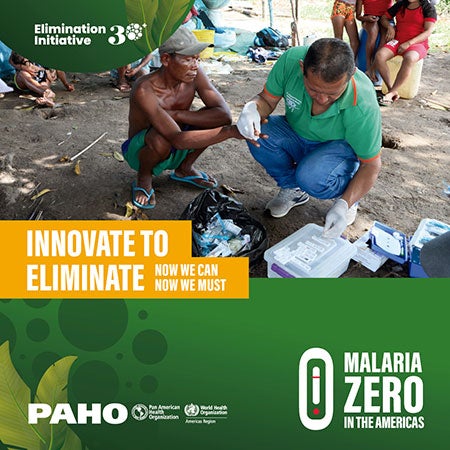
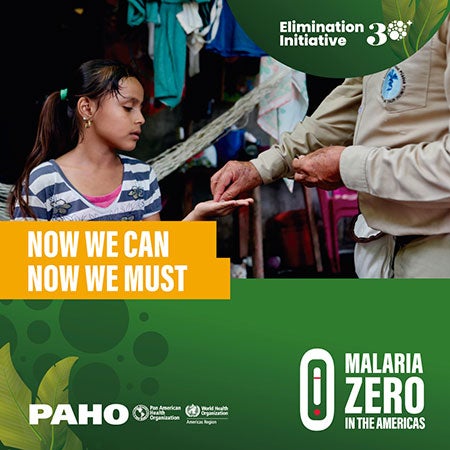
In the context of Malaria Day in the Americas 2026, under the theme “Zero Malaria in the Americas,” the Pan American Health Organization (PAHO) will host a regional event on November 6—broadcast live from Brasília, Brazil—to highlight progress, challenges, and opportunities for accelerating the elimination of malaria in the Region.
Social Media
Related Links
- PAHO's Health Topic: Malaria

PAHO seeks to end more than 30 communicable diseases and related conditions by 2030