

VWA throughout the years
Vaccination Week 2026: Key Results

40M
vaccine doses administered

6M
zero-dose and under-vaccinated children reached

615 mil
total views across social media

288 mil
views of posts in collabs with 15 content creators

6 mil
new followers across PAHO accounts

Canada
First-time and successful participation of one of PAHO's main donors and strategic partners
Events
VWA 2026 Launching Ceremony - Ottawa, Canada
Guyana and Caribbean VWA 2026 Launch
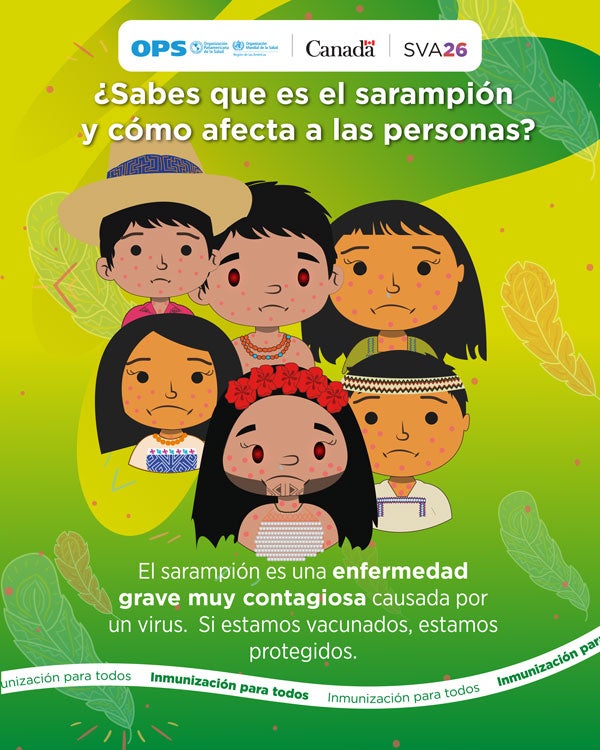
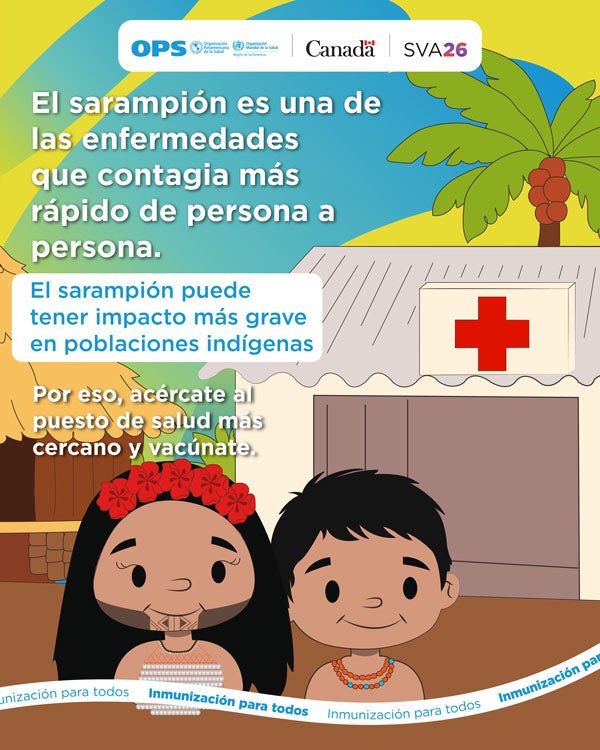
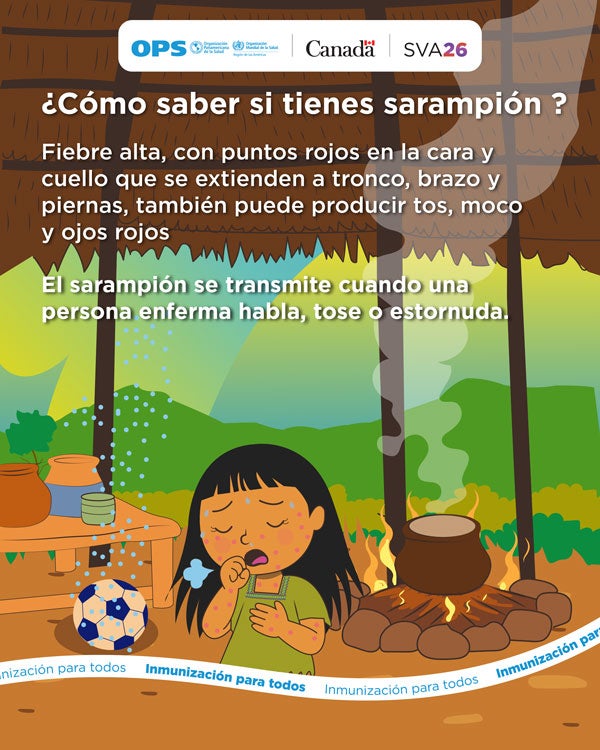
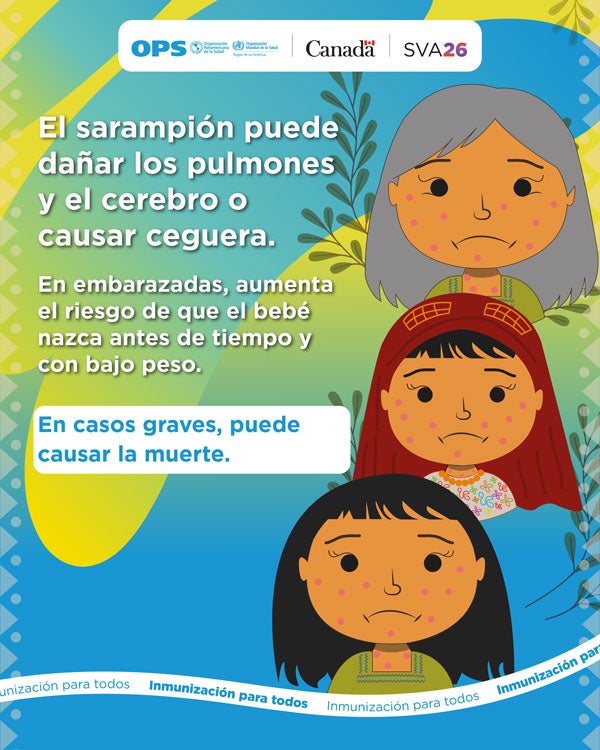
Protecting Our Communities from Measles
The campaign highlighted measles as one of the main current threats to public health in the Region due to accumulated immunity gaps. Vaccination remains the most effective strategy to prevent outbreaks and protect communities.
Social Media Campaign in Panama
[In Spanish]


Immunization Champions
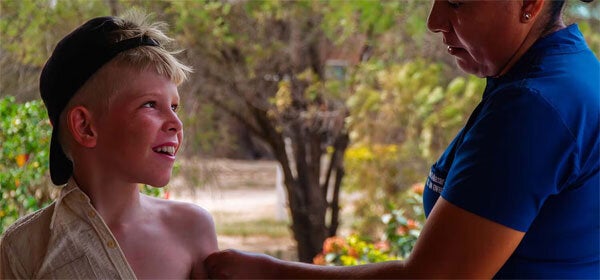
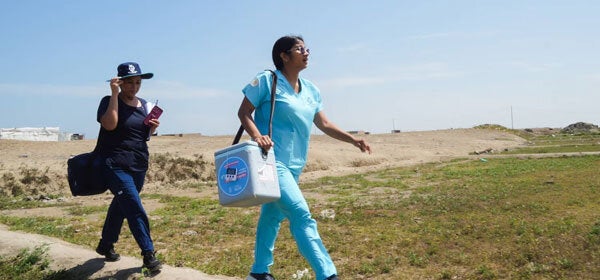
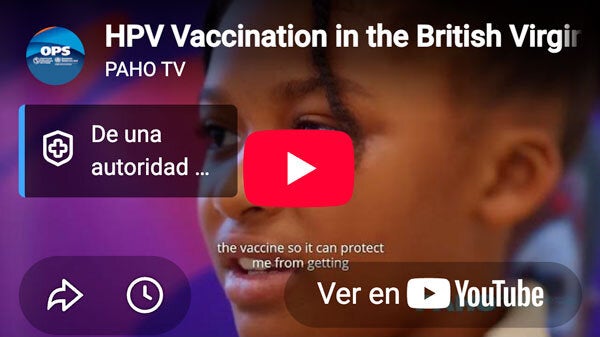
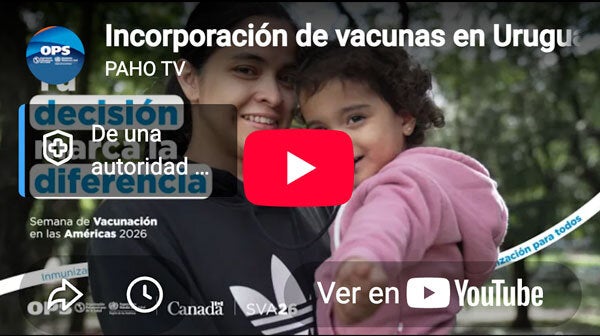
Indigenous Voices
Initiatives that promote equitable access to vaccination among indigenous peoples and historically excluded communities
Lessons Learned

Key Lessons and Areas for Learning and Improvement from VWA26
Intersectoral Coordination
Lesson learned: Early and coordinated participation by ministries of health and education, local governments, civil society, the private sector, and international organizations amplifies the reach of vaccination activities and improves resource mobilization. Joint planning facilitates faster and more efficient responses to operational challenges.
Strategic Communication and Combating Misinformation
Lesson learned: Evidence-based communication campaigns, supported by trusted spokespersons, content creators, and messages tailored to different audiences, are essential to strengthening confidence in vaccines and countering misinformation in digital and community settings.
Integration with the Elimination Initiative
Lesson learned: Linking immunization activities with the Elimination Initiative helped highlight the strategic role of vaccines in preventing multiple diseases, promoting a more integrated public health approach and greater alignment of regional objectives.
Restoring Vaccination Coverage and Closing Gaps
Lesson learned: Identifying and prioritizing communities with low vaccination coverage, together with targeted active case-finding and outreach vaccination strategies, proved essential for catching up on delayed vaccination schedules and reducing inequities in access to vaccination.
Responding to the Risk of Measles Outbreaks
Lesson learned: Strengthened epidemiological surveillance, combined with timely vaccination campaigns and risk communication on measles, confirmed that advance preparedness is key to preventing outbreaks and maintaining the elimination gains achieved by the Region.
Digital Innovation and Data Analysis
Lesson learned: The use of digital tools for monitoring, data visualization, and analysis enabled faster and more accurate decision-making, facilitating the identification of coverage gaps and monitoring the performance of vaccination activities.
Strengthening the Health Workforce
Lesson learned: Continuous training of health workers in immunization, surveillance, risk communication, and the management of new vaccines improves the quality of services and strengthens the capacity to respond to health emergencies and outbreaks.
Community Engagement
Lesson learned: Communities are essential partners in the success of vaccination campaigns. The participation of community leaders, local organizations, and volunteer networks helps increase vaccine acceptance and reach populations that are difficult to access.
Equity for Indigenous and Vulnerable Populations
Lesson learned: Culturally adapted strategies and collaboration with Indigenous and community leaders promote equitable access to vaccination, strengthen confidence in health services, and help reduce geographic, cultural, and linguistic barriers.
Financial Sustainability and Strategic Partnerships
Lesson learned: Partnerships with donors, international organizations, and private-sector stakeholders expand financing and visibility opportunities, contributing to the sustainability of immunization activities beyond the annual campaign.
The Value of Regional Launches in Host Countries
Lesson learned: Regional launches generate media attention, strengthen high-level political commitment, and create opportunities to position immunization as a public health priority, while also highlighting good practices and successful experiences from the host country.