November 14
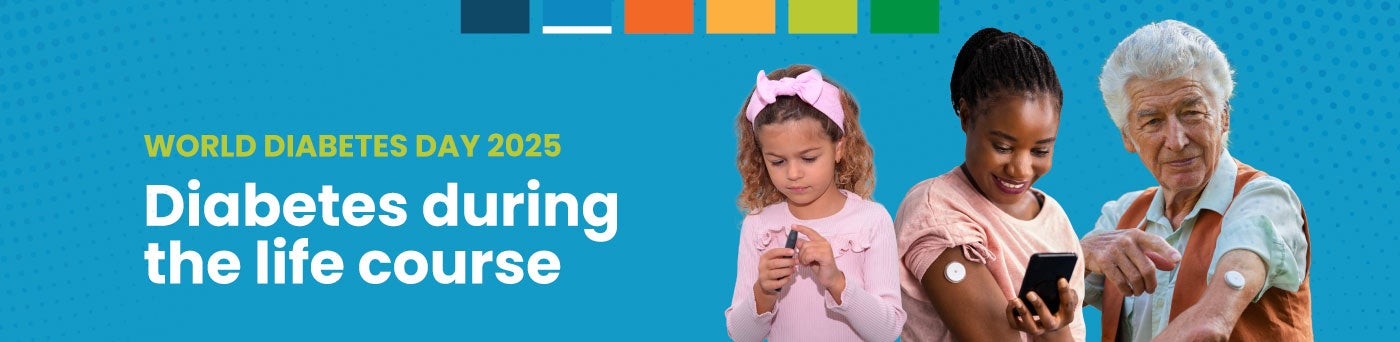
Every November 14, World Diabetes Day is commemorated. This is an opportunity to raise awareness about the impact of diabetes on people's health and to highlight the opportunities to strengthen the prevention, diagnosis, and treatment of diabetes.
This year’s theme, “Diabetes during the life course” reinforces our commitment to reducing the risk of diabetes and ensuring that everyone diagnosed has access to comprehensive, equitable, and high-quality care.
Join us to raise awareness, share information, spread knowledge, and create lasting change that improves the quality of life for people living with diabetes.
Key facts about diabetes
Prevention
- Type 1 diabetes is not preventable.
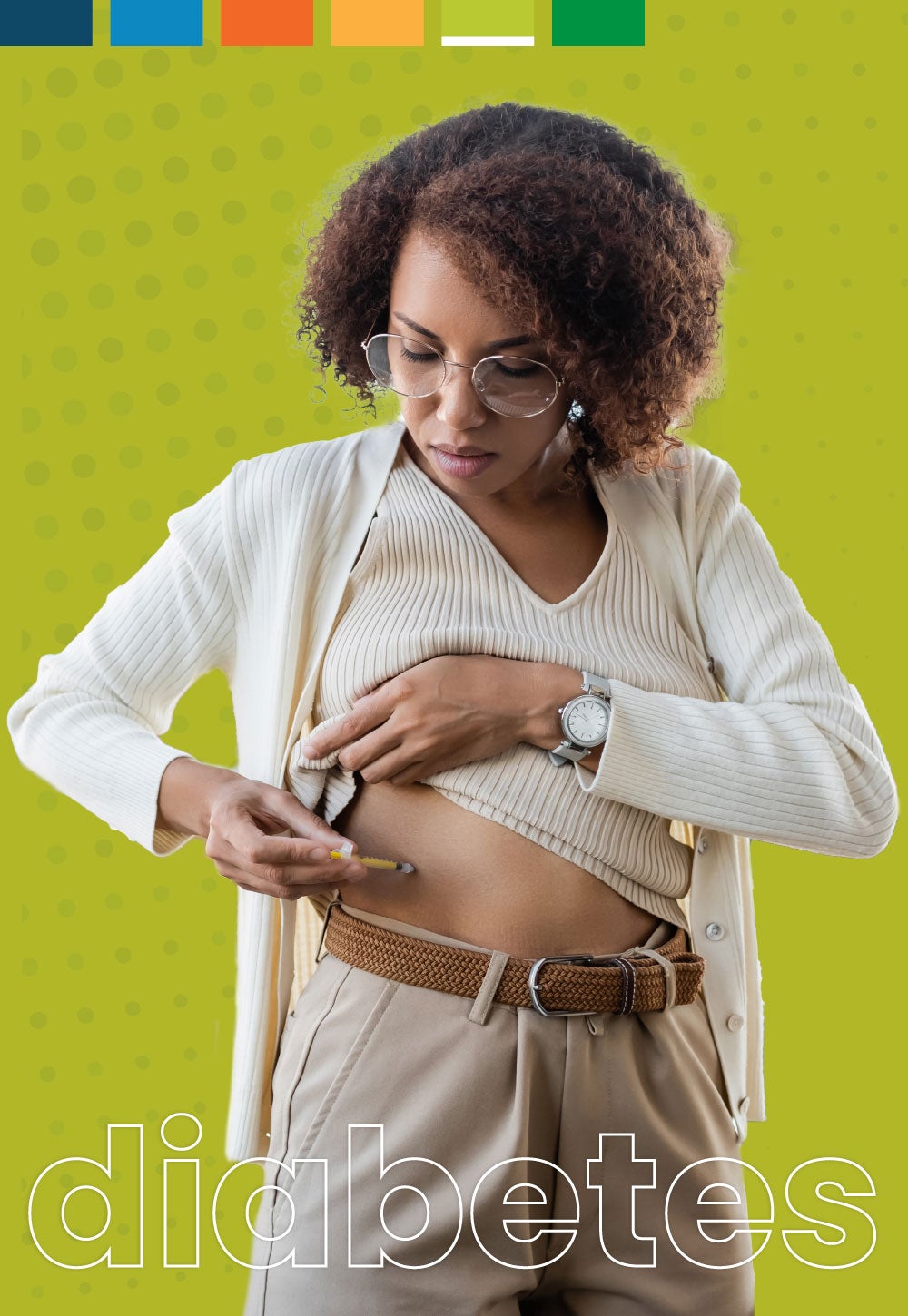
- Type 2 diabetes is often preventable through a healthy diet, regular physical activity, maintaining normal body weight, and avoiding tobacco use.
- Quitting smoking reduces the risk of developing type 2 diabetes by 30-40%.
Complications
- Diabetes is a major cause of blindness, kidney failure, heart attacks, stroke, and lower limb amputation.
- Diabetes is associated with about twice the risk of tuberculosis (TB) disease and a higher risk of multidrug-resistant TB.
- People with both TB and diabetes are twice as likely to die during TB treatment and have twice the risk of TB relapse after treatment completion.
Treatment and control
- Diabetes can be treated, and its complications avoided or delayed with regular screening and treatment.
- People with diabetes should seek regular screening for complications to aid in early detection. This includes screening for kidney disease, regular eye exams, and foot assessment.
- Only about 50% of people with type 2 diabetes get the insulin they need, often because their country’s health systems cannot afford it.
- The number of people aged 18 and over living with diabetes worldwide increased from 197 million in 1990 to 828 million in 2022.
- In the Region of the Americas, the number of people aged 18 and over with diabetes reaches 112 million. Of these, 105 million are 30 years of age or older. These numbers could be even higher, as approximately 40% of people with this disease are unaware of their condition.
- Treatment coverage for people with diabetes remains a significant gap. In the Region of the Americas, treatment coverage for people aged 30 and over with diabetes reaches 58%. That is, only 58 out of every 100 people with the disease receive the treatment they require.
- The burden of disease associated with diabetes is enormous and growing: in just 20 years, diabetes mortality has increased by over 50% globally. In the Region of the Americas, diabetes is the sixth leading cause of death and the fifth leading cause of years of life lost prematurely.
- In the Region, diabetes (including diabetes-related kidney disease) causes the loss of approximately eight million years of life due to premature death each year. Currently, diabetes is the fourth leading cause of disability and the third leading cause of disability-adjusted life years (DALYs), preceded only by ischemic heart disease and COVID-19.
“Stopping the progression of diabetes requires prevention, early detection, and timely treatment. Early action saves lives.”
Why is it difficult to control diabetes? +
Diabetes management is becoming increasingly complex due to multiple factors, the main one being the increase in risk factors.
1. Increasing Risk Factors
The Americas is the region with the highest rate of overweight/obesity in the world and is among the top three regions with the highest rates of physical inactivity:
- 68 out of every 100 adults are overweight or obese.
- 36 out of every 100 people have insufficient physical activity.
2. Increasingly Affected Children and Adolescents
The increase in risk factors for diabetes is also growing at younger ages:
- 19 out of every 100 children and 16 out of every 100 adolescents were living with obesity in 2022.
- 81 out of every 100 adolescents aged 11 to 17 did not get enough physical activity in 2019.
3. Barriers to Accessing Care and Treatment
- Treatment for diabetes and its complications can be expensive and often requires significant out-of-pocket expenses.
- Insulin is crucial for sustaining the lives of people with type 1 diabetes and many with type 2 diabetes, but it is not always available.
- In many countries, diabetes care is not included in universal health coverage; there are gaps in primary health care services and also in access to other levels of care.
Overcoming these barriers requires strengthening health systems, promoting healthy lifestyles, and ensuring equitable access to essential treatments and technologies.
PAHO's work to tackle diabetes +
The Pan American Health Organization (PAHO/WHO) collaborates with countries in the Americas to reduce barriers to the prevention, diagnosis, and treatment of diabetes, promoting equitable access to care.
Main actions and technical tools:
- The HEARTS-D technical package: Diagnosis and management of type 2 diabetes in primary care.
- Guidelines for Diabetes Self-Care:
- Module 1: Foot Care
- Module 2: Physical Activity
- WHO-PEN Essential Interventions Package for Noncommunicable Diseases in Primary Health Care.
- Manual for Improving Integrated Management of Chronic Diseases: a tool to strengthen care at the primary health care level.
- Passport to a Healthy Life: an educational tool that promotes self-care and healthy habits.
- Better Investments for the Prevention and Control of Noncommunicable Diseases: a document highlighting cost-effective public policies.
Furthermore, through the Strategic Fund, PAHO can help countries increase access to and availability of essential medicines, including insulin, as well as other medicines and technologies for diabetes.
Regional Revolving Funds
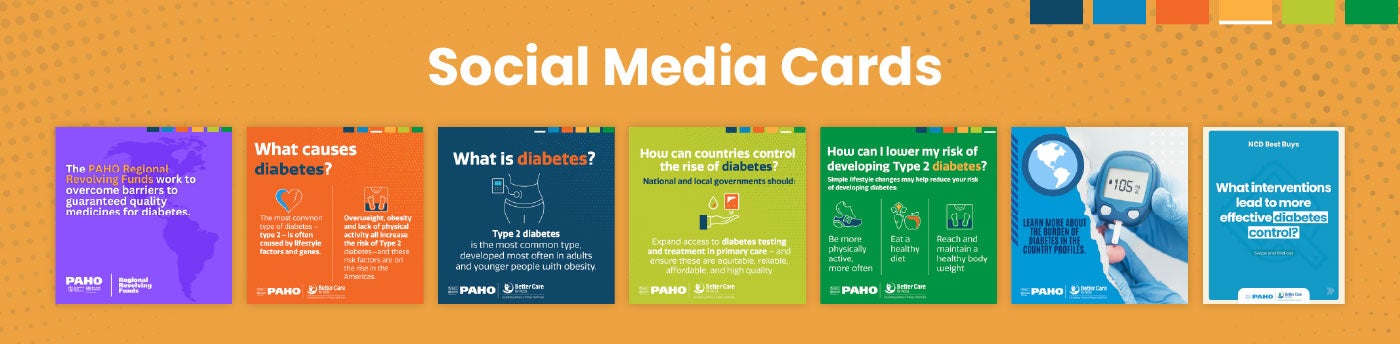
The PAHO Regional Revolving Funds (RRFs) are technical cooperation mechanisms that enable countries in the Americas to access quality medicines, vaccines, and public health supplies at affordable prices in a timely and transparent manner.
Their main objective is to reduce economic and logistical barriers that impede access to essential treatments, including quality medicines and technologies for diabetes care.
Through the Regional Revolving Funds, PAHO:
- Advises countries on the joint procurement of essential supplies, including medicines and technologies.
- Promotes transparency, efficiency, and quality in procurement processes.
- Strengthens national capacities to ensure a continuous and equitable supply.
Since their inception, the Regional Revolving Funds have been a vital instrument for guaranteeing access to health supplies in the Americas. They have been key in the fight against HIV/AIDS, malaria, and tuberculosis, and have directly contributed to improving immunization, reducing maternal and infant mortality, and eradicating polio, among other advances.
The PAHO Regional Revolving Funds are an essential tool for improving health and well-being in the Americas. They help countries ensure that everyone has access to the health supplies they need.
Events
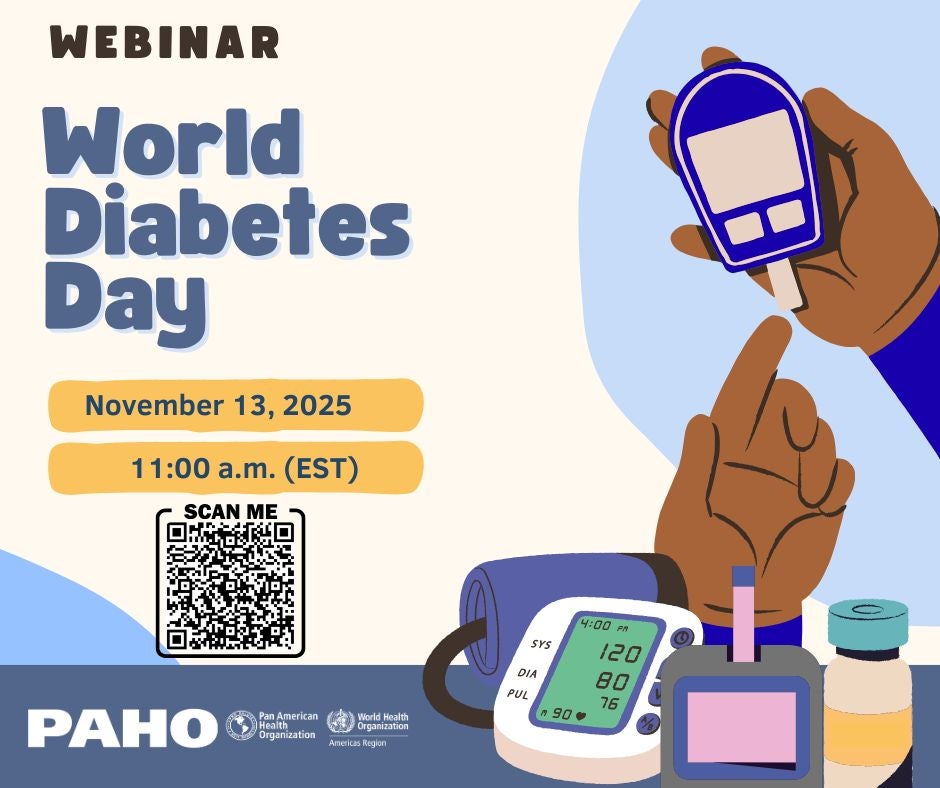
WORLD DIABETES DAY WEBINAR
- Date: Thursday, November 13
- Time: 11:00 am (Washington, D.C./EST)
- Format: Online – Free Event
Join the Pan American Health Organization (PAHO) for this webinar commemorating World Diabetes Day, dedicated to highlighting the burden of diabetes as a public health problem, as well as exploring the challenges and opportunities to improve its management in the Region.
During the event, PAHO will present new technical resources on diabetes, including information on the availability of essential medicines and technologies for diabetes through the PAHO Strategic Fund.
Participate and be part of the commitment to a healthier and more equitable future for all people with diabetes.
Resources
Just published!
Curso virtual