In this exercise, the entity’s vision, mission, general and specific objectives, functions, and work processes will be reviewed and revised as necessary to reflect its key role in:
Ensuring that Country and Subregional Cooperation Strategies of high-quality form the basis for the Organization’s work with countries and subregions.
Acting as a bridge between Country Offices (COs) and the Regional Office (RO) where necessary.
Contributing to efficient and effective country and subregional presence, including human resources.
Monitoring and evaluating the Organization’s performance at country and subregional levels.
Analyzing country and subregional data to provide strategic information and add value to the interactions among the Organization’s Departments and Units for integrated country-focused TC, to address countries individually and in their various groupings.
Highlighting and sharing country and subregional achievements and lessons learned and promoting country cooperation for health development.
Contributing to the WHO Country Support Unit Network (CSUN), to influence WHO Reform at Country Level and foster consideration of PAHO/AMRO specificities.
The ultimate goal of the Country Focused Approach is to increase the impact of PAHO's technical cooperation by ensuring that the Organization's work is relevant to all countries at different stages of development and by strengthening institutional effectiveness and performance at the country level.
SUBREGIONAL TECHNICAL COOPERATION
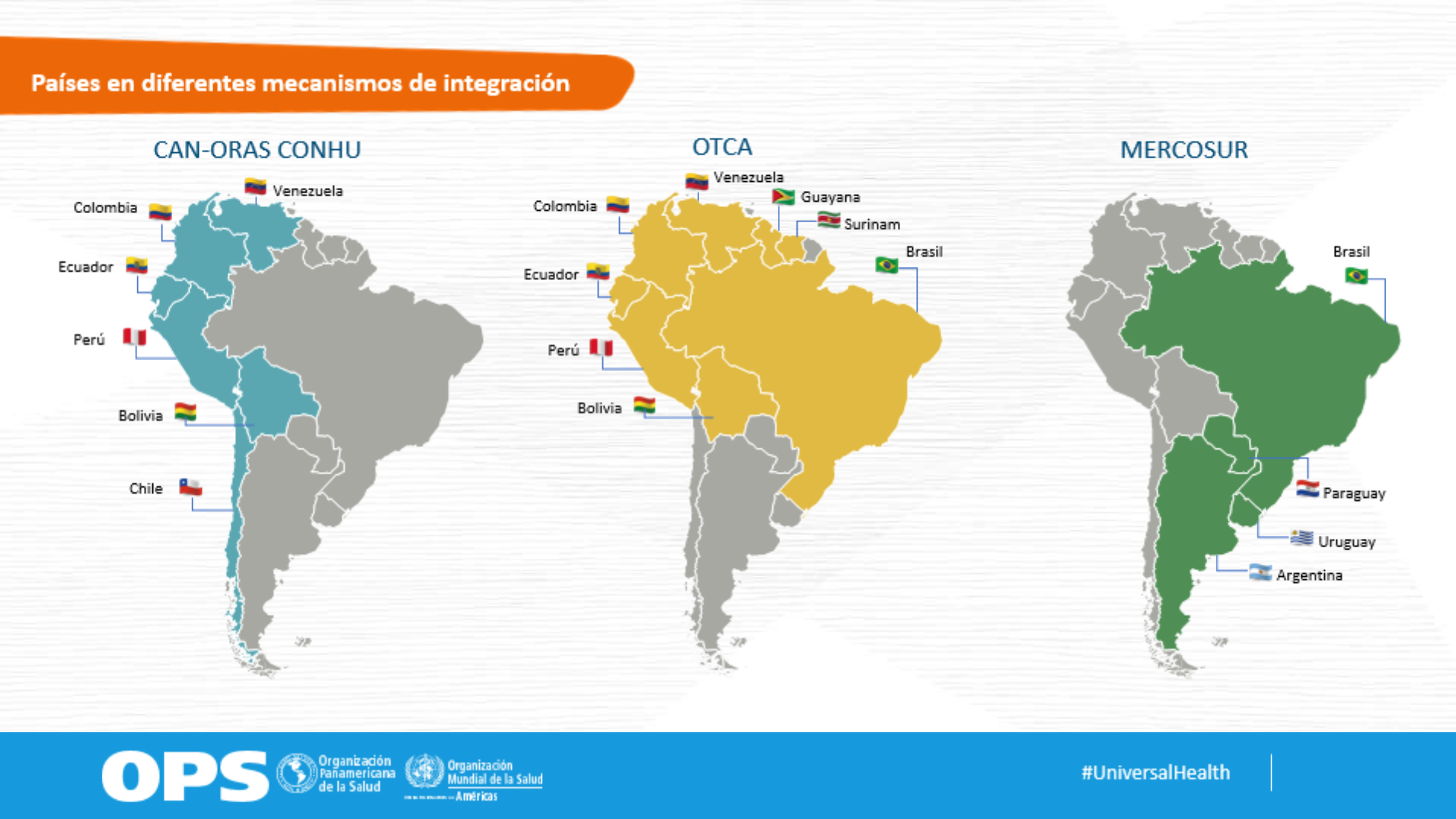
Cooperation in the subregions is supported by resolutions approved by the Organization's Governing Bodies and is provided through two subregional initiatives managed by the Office of Country and Subregional Coordination (CSC) and a Subregional Program:
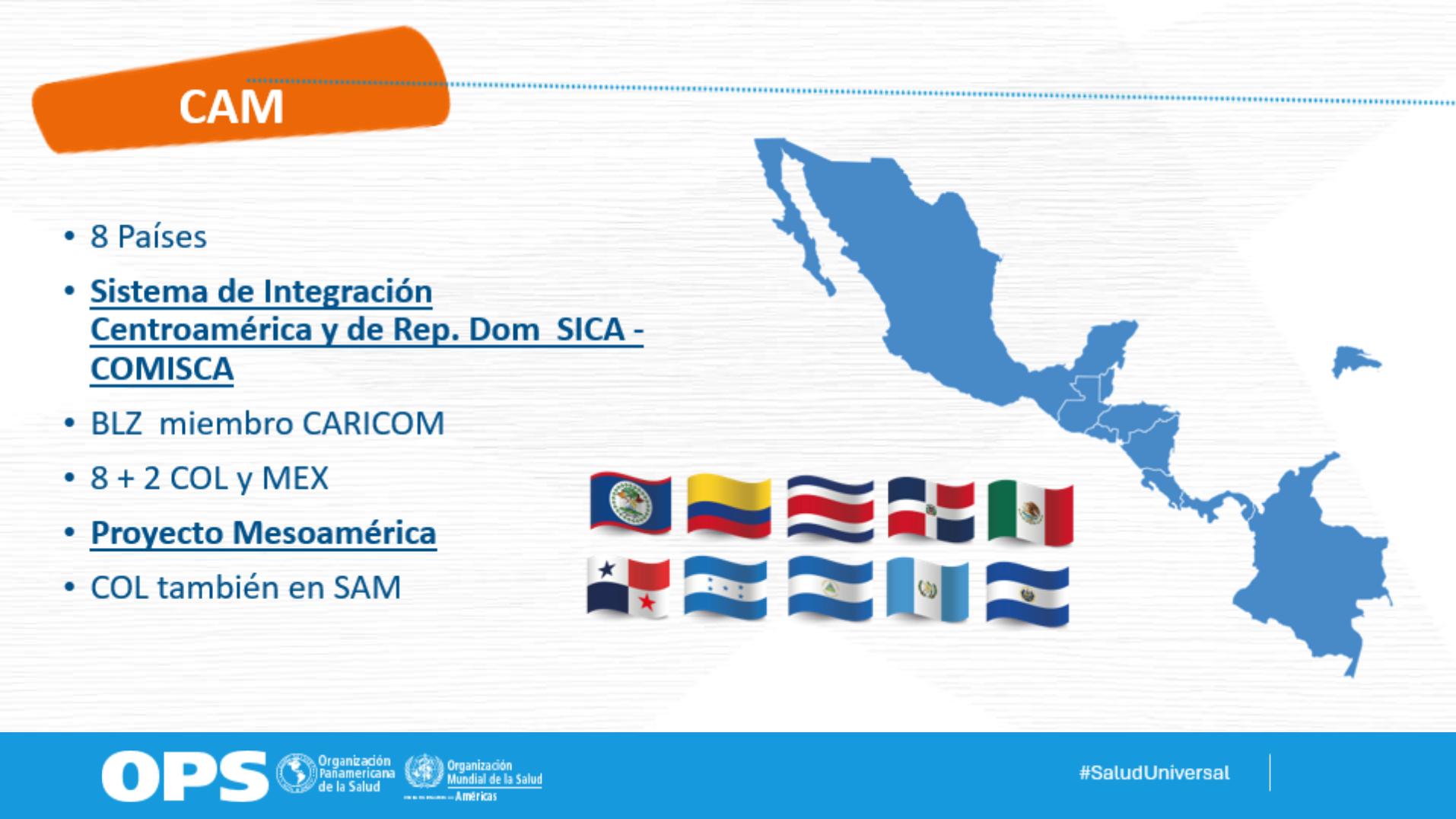
- Initiative for Central America subregion (CAM)
- Initiative for South America subregion (SAM)
- Program for Caribbean region (CRB)
The activities and exchange of experiences between the countries of Central and South America strengthen the South-South cooperation strategy and are responsible for following up on PAHO's resolutions in each subregion. To this end, synergy and complementarity of the agendas of each country are promoted, as well as the participation of the representatives of the various parties involved in the meetings of the Organization's governing bodies.
The subregional initiatives implement the Organization's mandates through the promotion and establishment of agreements that make technical cooperation feasible, supported by the integration mechanisms and their specialized health bodies. All of this is aimed at leading strategic collaborative efforts to promote equity in health, combat disease and improve the quality of life and extend the duration of people's lives.
CAM Initiative
SAM Initiative