
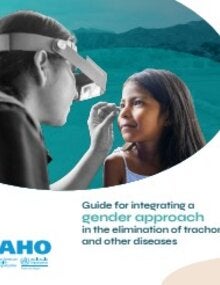
Guide for integrating a gender approach in the elimination of trachoma and other diseases
|
The risk of blindness due to trachoma is up to four times higher in women than in men. Gender roles—such as the disproportionate burden of family caregiving, limited autonomy in making health-related decisions, mobility restrictions, unequal access to education, exclusionary cultural norms, limited availability of information, and a lack of basic services (including limited and delayed access to medical care)—render women particularly vulnerable to this and other neglected tropical diseases. Unfortunately, indigenous peoples face historical and structural barriers that hinder their access to medical care as defined from a Western, biomedical perspective. The health sector promotes behavioral changes related to facial hygiene and environmental management, as well as the prescription of treatments involving the mass administration of antibiotics and, in some cases, recourse to surgery performed from a Western, biomedical standpoint. The Pan American Health Organization recommends the SAFE strategy as a comprehensive approach to eliminating trachoma as a public health problem, and the 'dialogue of knowledges' methodology as a tool for engaging with communities. This document serves as a practical, step-by-step guide for integrating a gender perspective—grounded in an intercultural approach—into the application of the aforementioned methodology. Its purpose is to strengthen both the supply of and demand for SAFE strategy interventions within indigenous communities affected by trachoma, thereby facilitating the successful elimination of this and other diseases. |