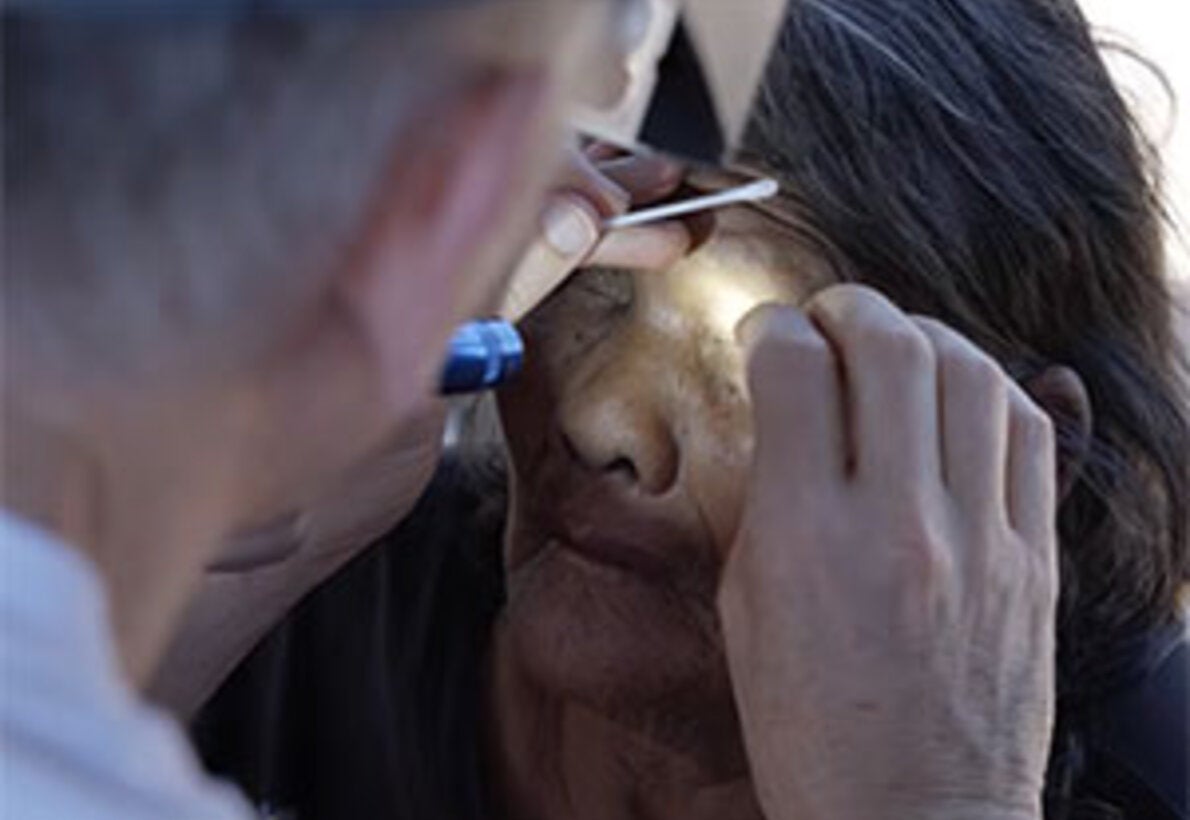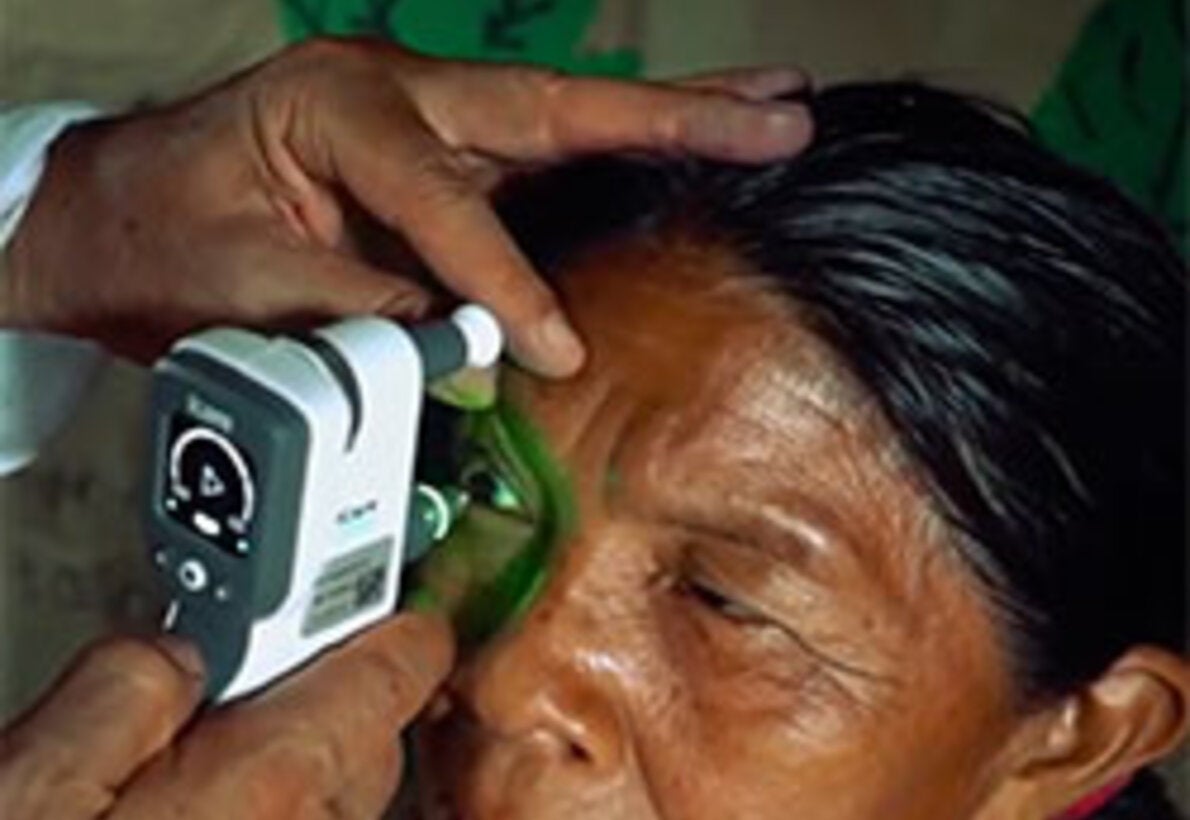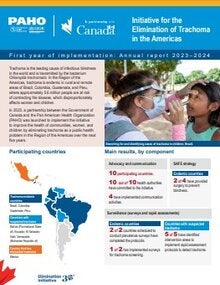
The Initiative for the Elimination of Trachoma in the Americas, led by the Pan American Health Organization (PAHO) and funded by the Government of Canada, was launched in 2023. With implementation scheduled to continue through 2028 and a contribution of 15 million Canadian dollars, the initiative has accelerated the elimination of trachoma as a public health problem in the Region and brought comprehensive health care to vulnerable populations, especially in rural and remote communities across the 12 participating countries.
The epidemiological situation varies among participating countries. Mexico eliminated the disease as a public health problem in 2017, followed by El Salvador in July 2026. Guatemala and Paraguay are the countries closest to validating the elimination of the disease, which remains a public health problem in Brazil, Colombia, and Peru. Other countries, such as Bolivia and Venezuela, have communities that may require interventions. Meanwhile, the disease is suspected to be present in Ecuador, Guyana, and Panama. It is important to implement surveillance measures in these countries to confirm whether or not the condition is a public health problem.
See the fact sheets and know more details of each country.
Fact sheets from participating countries

Bolivia contributes to the elimination of trachoma in the Americas
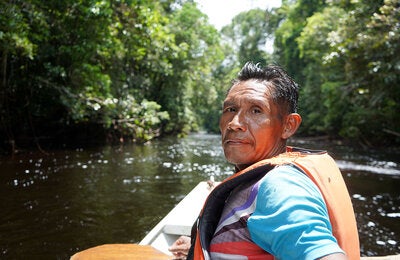
Bolivia actively participates in regional efforts to eliminate trachoma as a public health problem. In the department of Cochabamba, epidemiological surveys have been conducted in 30 priority communities to assess the presence of the disease. These communities are remote and hard-to-reach Indigenous populations located in the Amazon basin, a region characterized by an extensive river network whose geographical conditions make travel and the provision of basic and healthcare services difficult.

Brazil contributes to the elimination of trachoma in the Americas
Brazil is moving toward the elimination of trachoma as a public health problem. Epidemiological surveys conducted in recent years show that transmission of the dis ease has been interrupted in the areas evaluated. These results reflect decades of interventions aimed at the prevention, control, and elimination of this disease in the country.
Colombia contribuye a la eliminación del tracoma en las Américas
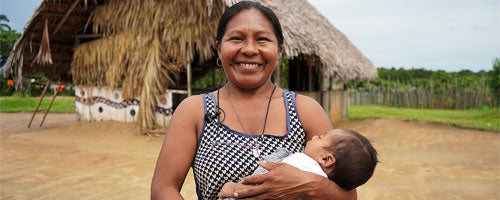
En Colombia, más de 200 mil personas aún requieren intervenciones para eliminar el tracoma como problema de salud pública, principalmente en las zonas de la Amazonía y la Orinoquía. Estos territorios concentran poblaciones mayoritariamente indígenas y rurales, con alta dispersión geográfica y limitado acceso a agua, saneamiento e higiene, en los que persisten condiciones que pueden favorecer la transmisión de la enfermedad y en donde convergen las acciones del sistema de salud con los saberes ancestrales.

Ecuador participates in the Initiative for the Elimination of Trachoma in the Americas
Ecuador participates in regional efforts to eliminate trachoma as a public health problem. As part of the Initiative for the Elimination of Trachoma in the Americas, nearly 1800 people in Taisha and Shushufindi – cantons in the provinces of Morona Santiago and Sucumbíos in the Ecuadorian Amazon – have been assessed to determine whether the disease is a public health problem. Most of the populations involved are remote and difficult to access; in some cases, the only means of access is by air.

El Salvador has become the first country in Central America to eliminate trachoma
El Salvador has achieved WHO validation of the elimination trachoma – the world’s leading infectious cause of blindness – as a public health problem, becoming the first country in Central America and the second in the Americas to do so. The validation, granted in July 2026, recognizes the sustained efforts of the Ministry of Health (MINSAL) of El Salvador, with technical support from the Pan American Health Organization (PAHO) and financial backing from the Government of Canada, to document the country’s epidemiological situation, strengthen surveillance systems, and promote comprehensive eye health initiatives, as well as interventions aimed at addressing the social and environmental determinants of health.
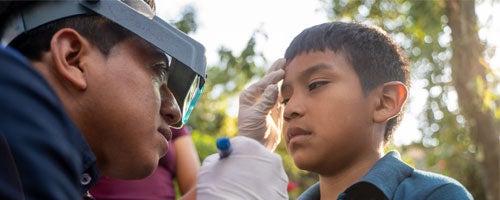
Guatemala is close to eliminating trachoma as a public health problem
Guatemala is one of the countries closest to eliminating trachoma as a public health problem in the Region of the Americas. To achieve validation by the World Health Organization (WHO) and contribute to the regional elimination goal, Guatemala has updated its epidemiological data, conducted active case finding, identified and treated people with eye damage caused by trachoma, carried out local capacity-building for the implementation of water, sanitation, and hygiene (WASH) interventions and made progress in compiling information for validation of its national elimination dossier, among other actions.

Guyana participates in the Initiative for the Elimination of Trachoma in the Americas
Guyana participates in regional efforts to eliminate trachoma as a public health problem. It has been classified by the World Health Organization (WHO) as a country for which additional information is needed, based on a recommendation derived from serological data collected in the course of lymphatic filariasis surveillance. This is compounded by the conditions of vulnerability in which some of the inhabitants of regions 7, 8, and 9 live, and by the country’s shared border with the state of Roraima in Brazil – an area with a history of trachoma – and with Venezuela, where trachoma is suspected to be present.
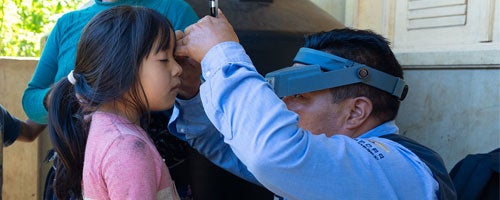
Mexico maintains trachoma elimination and shares the experiences and lessons learned to advance toward regional goals
Mexico was the first country in the Region to eliminate trachoma as a public health problem in 2017. Since then, it has continued surveillance efforts and sustained promotion and prevention activities to maintain its achievement and prevent resurgence of the disease. In recent years, the country has taken steps to improve access to safe water in priority areas and address chronic forms of the disease.

Panama participates in the Initiative for the Elimination of Trachoma in the Americas
Panama joined the Initiative for the elimination of trachoma in the Americas in 2025 with the goal of generating evidence to determine whether or not this disease constitutes a public health problem in the country. It plans to conduct a baseline trachoma survey in the Ngäbe-Buglé region, a mountainous area on the border with Costa Rica, and in the Emberá Wounaan/Darien Province region, on the border with Colombia.
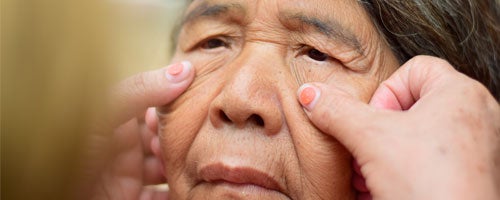
Paraguay contributes to the elimination of trachoma in the Americas
Paraguay is making progress toward validation of the elimination of trachoma as a public health problem. In 2018, the country conducted rapid trachoma assessments (RTAs) in priority areas of the Paraguayan Chaco characterized by social vulnerability and limited access to water and health services – factors that can facilitate transmission of the disease. In 2019, this information was supplemented by serology results from dried blood spot samples collected as part of integrated serological surveillance in the Paraguayan Chaco.
Peru joins regional efforts to eliminate trachoma as a public health problem.
More than 180 000 people in three provinces of the department of Loreto need interventions to eliminate trachoma. Most of them are indigenous populations in areas that border on the Brazilian and Colombian Amazon, where there are people affected by this disease.
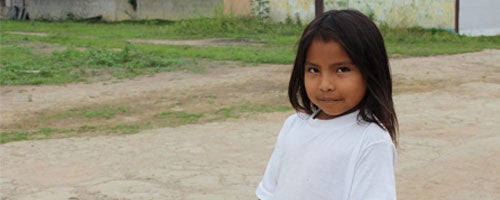
Venezuela participates in the Initiative for the Elimination of Trachoma in the Americas
Venezuela actively participates in regional efforts to eliminate trachoma as a public health problem. In Amazonas State, three priority geographic areas have been targeted through epidemiological surveys to assess the impact of the disease. The initiative’s platform has been leveraged to provide comprehensive health care to people living in situations of vulnerability, especially Indigenous women and children.

Areas of intervention of the Initiative for the elimination of Trachoma in the Americas
Mexico: State of Chiapas
Brazil: State of Tocatins
Bolivia: Departments of Beni, Cochabamba, La Paz, Pando, Santa Cruz and Tarija
Colombia: Departments Amazonas, Guainia, Guaviare, Vaupés and Vichada
Ecuador: Marona, Santiago and Sucumbios Provinces
Peru: Department of Loreto
Venezuela: Amazonas, Apure, Bolivar, Delta Amacuro and Zulia States
Related Links

Elimination Initiative
PAHO seeks to end more than 30 communicable diseases and related conditions by 2030.