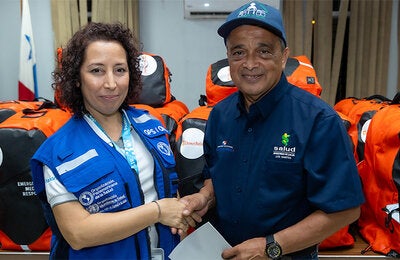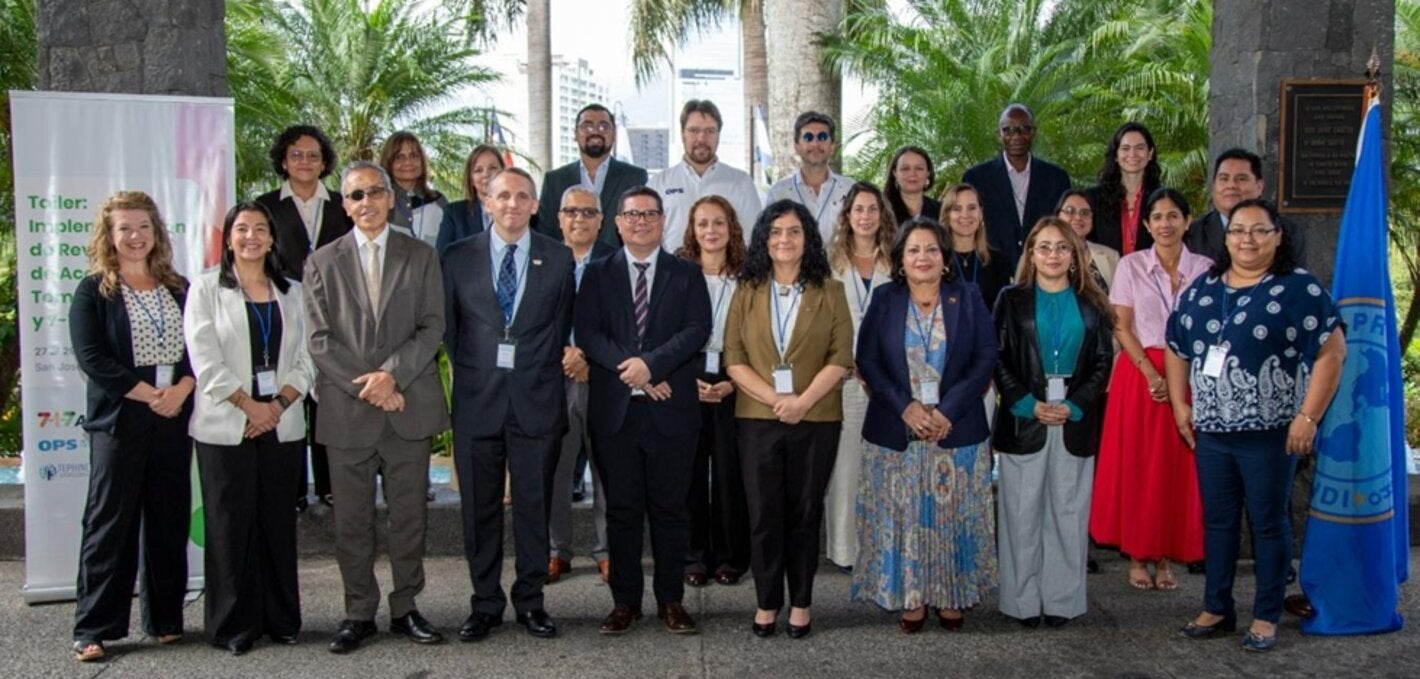
Two workshops held in San José, Costa Rica, brought together national institutions and strategic partners to advance the institutionalization of Early Action Reviews and the 7-1-7 methodology.
San José, Costa Rica, August 11, 2026 (PAHO) – Rapidly detecting an outbreak, reporting it in a timely manner, and implementing initial response measures to a public health threat are critical elements of an effective response. From July 27 to 31, 2026, Costa Rica hosted two events aimed at advancing the adoption of the 7-1-7 methodology and the institutionalization of Early Action Reviews (EARs), tools that help assess the performance of these processes and identify opportunities for improvement.
The workshops were organized by the Pan American Health Organization (PAHO) in coordination with Resolve to Save Lives (RTSL), through the 7-1-7 Alliance and the United States Centers for Disease Control and Prevention (CDC), as well as national authorities and institutions. The events helped connect regional capacity-building efforts with the practical implementation of the methodology in Costa Rica.
From July 27 to 29, PAHO country office focal points and experts from regional teams participated in the first workshop to deepen their knowledge of EARs and the 7-1-7 methodology, review progress toward their institutionalization across the Americas, and identify needs and opportunities for their implementation. The approach enables participants to analyze the timeliness of detection, notification, and response, while identifying bottlenecks that can inform improvement actions.
Among the key conclusions of the meeting was the importance of interprogrammatic collaboration and the continued integration of these tools into existing surveillance systems and coordination mechanisms. Participants also identified opportunities to expand their application to zoonotic diseases, food safety threats, and antimicrobial resistance.
On July 30 and 31, at the request of Costa Rica’s Ministry of Health, a second workshop was held to advance the adoption of EARs and the 7-1-7 methodology in the country.
The workshop brought together representatives from institutions involved in human, animal, and environmental health, as well as the education and water, sanitation, and hygiene (WASH) sectors, alongside representatives from PAHO, CDC, and RTSL. This multisectoral participation enabled participants to address the detection of and response to health threats through a One Health approach.
Over the two days, participants reviewed Costa Rica’s progress, worked on validating the roadmap for the institutionalization of EARs, mapped key stakeholders and systems, and discussed how 7-1-7 findings can be used to support decision-making. The workshop concluded with the definition of agreements and next steps led by the Ministry of Health.
The roadmap is intended to support the gradual integration of this approach into the country’s surveillance, performance assessment, preparedness, and response processes, in line with the International Health Regulations (2005) and national health security priorities.
These advances contribute to strengthening a regional approach that promotes the exchange of experiences and enables countries across the Americas to detect and respond to public health threats in a more timely and coordinated manner.