he Americas reported approximately 458,000 malaria cases in 2025, 18% fewer than in 2020. But malaria transmission continues in the Region, threatening progress towards elimination. The new 2026–2030 Action Plan sets out measures to strengthen the response, make better use of new tools and approaches, and bring diagnosis and treatment closer to the communities that need them most, with the aim of accelerating elimination in more countries and territories.
Brasilia, Brazil, November 6, 2026 (PAHO) – The Pan American Health Organization (PAHO) has presented a new plan to accelerate malaria elimination in the Americas. The Plan proposes strengthening and transforming the response over the next four years by bringing diagnosis and treatment closer to communities where transmission persists and incorporating new tools and approaches to interrupt transmission.
The document responds to the stagnation of malaria cases at around half a million per year and the persistent barriers to timely access to diagnosis and treatment, particularly in Indigenous communities, mining areas, and hard-to-reach locations. Without a faster, more targeted response, transmission could persist and opportunities to advance towards elimination could be lost.
The Action Plan for Malaria Elimination in the Americas 2026–2030 sets a target of reducing malaria incidence by 50% by 2030 compared with 2024, when approximately 537,000 cases were reported. It also aims to reduce the incidence of malaria caused by Plasmodium falciparum, one of the parasites responsible for malaria in the Region, by 70%, and to advance the elimination of the disease in countries and subnational territories.
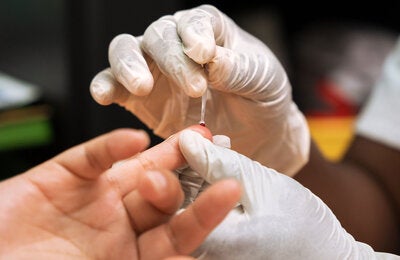
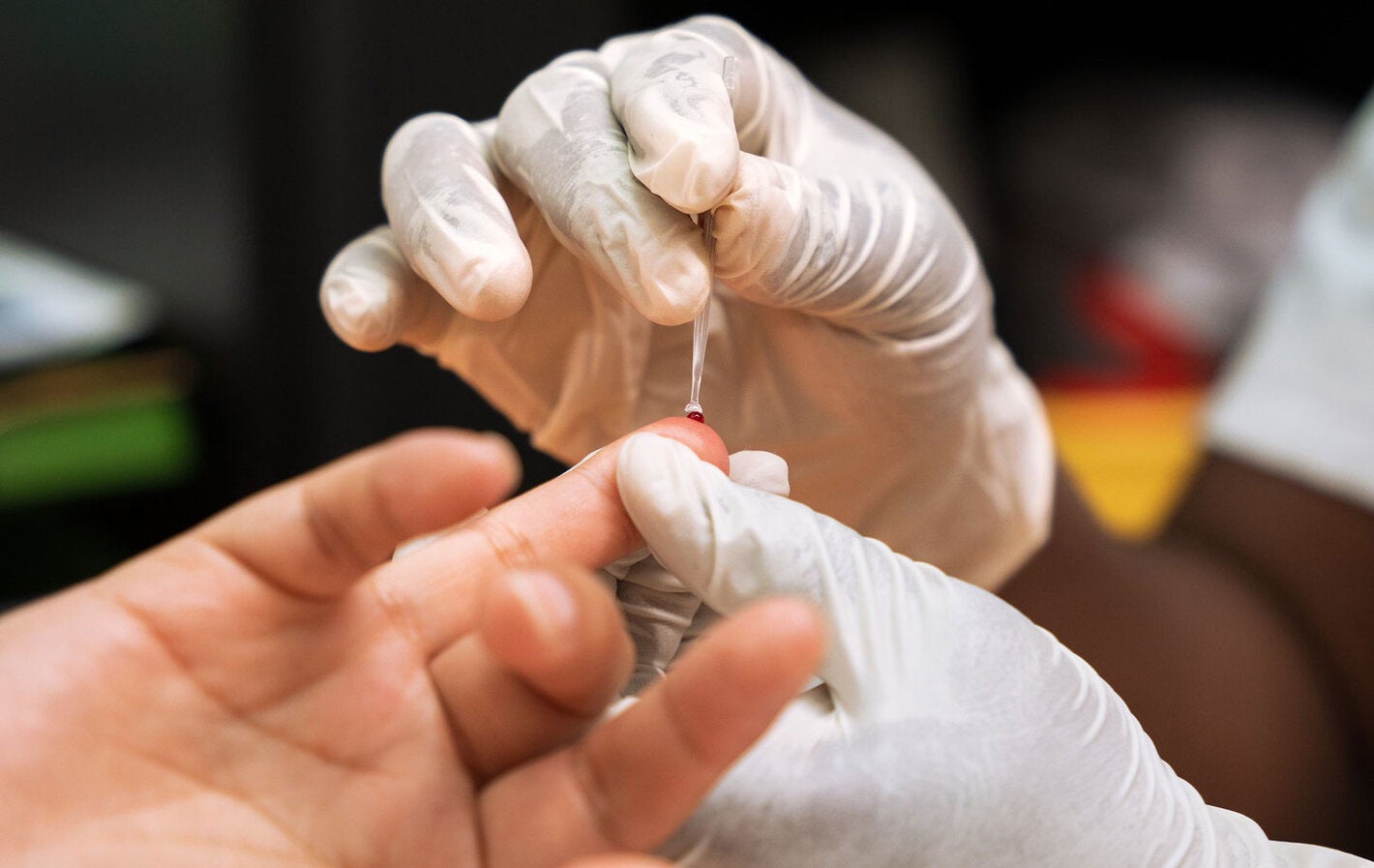
At the heart of the new approach is bringing diagnosis and treatment closer to people. The Plan proposes expanding the use of rapid diagnostic tests and strengthening community-based networks for diagnosis and treatment, under the supervision of health teams, as well as leveraging digital tools to facilitate care and response efforts. It also promotes reactive interventions and chemoprevention, along with new tools to achieve radical cure of P. vivax malaria and reduce relapses. These measures will help better target interventions, respond more quickly to new cases, and focus efforts on the communities and territories where they can have the greatest impact.
“The Americas have shown that eliminating malaria is possible. The challenge now is to accelerate progress and ensure we reach the communities where transmission persists and where barriers to accessing health services are greatest. Bringing diagnosis and treatment closer to people, together with the necessary political commitment and resources, will be key to moving towards zero malaria,” said Dr. Sylvain Aldighieri, Director of PAHO’s Department of Communicable Disease Prevention, Control and Elimination.
Although several countries have made significant progress, regional gains have been uneven. Between 2015 and 2025, cases decreased by 4.6%, from 480,000 to approximately 458,000. In 2025, 86% of cases were reported in South America, mainly in the Amazon Basin and along Colombia’s Pacific coast. Brazil, Colombia, and Venezuela together accounted for 74% of all cases in the Region.
Malaria also reflects significant inequalities in access to health care. Many of the most affected communities are located in remote and hard-to-reach areas, where distances, transportation costs, and other barriers make timely diagnosis and treatment difficult.
Transmission is also highly concentrated: 22 municipalities in six countries reported more than 4,000 cases in 2025, accounting for 43% of all malaria cases in the Americas. Just eight municipalities accounted for 25%. This concentration provides an opportunity to target resources and interventions in the areas where they can contribute most directly to interrupting transmission.
These challenges are compounded by the need to ensure sufficient and sustainable resources to advance malaria elimination. The Plan urges countries to increase or, at a minimum, maintain domestic financing and seek mechanisms to sustain interventions over the long term. Without sustained financial commitment, it will be difficult to expand prevention, diagnosis, and treatment efforts and reach communities where transmission persists.
Despite these challenges, the Americas have demonstrated that elimination is possible. Since 2018, five countries have been certified as malaria-free: Argentina, Paraguay, El Salvador, Belize, and Suriname. In 2025, Suriname also became the first country in the Amazon Basin to eliminate the disease. Malaria deaths have also decreased by nearly 20%, from 169 in 2015 to 115 in 2025.
From control to elimination
The Plan also proposes using surveillance as an intervention for elimination, ensuring that detected cases are investigated and followed by a rapid response to prevent new infections. It also calls for optimizing vector control, adapting interventions to the conditions in each territory, and progressively establishing malaria-free subnational areas.
“Many of the people most affected by malaria live far from health services. If we want to interrupt transmission, anyone experiencing symptoms must be able to get tested quickly and, if they have malaria, start treatment without delay. The shift is towards making diagnosis and treatment available where people and affected communities live,” said Roberto Montoya, PAHO Regional Malaria Advisor.
The launch of the Plan coincides with the Regional Meeting on Malaria Elimination in the Americas, taking place in Brasilia from November 4 to 6. The meeting brings together health authorities, national malaria program managers from endemic countries, experts, and partners.
Over the three days, participants are discussing the challenges and opportunities for accelerating elimination, exchanging experiences and operational solutions to expand access to diagnosis and treatment, and exploring innovations and new opportunities for cooperation among countries.
On November 6, at the close of the meeting, PAHO will commemorate Malaria Day in the Americas under the theme “Zero Malaria in the Americas,” with a regional event open to the public and broadcast from Brasilia.