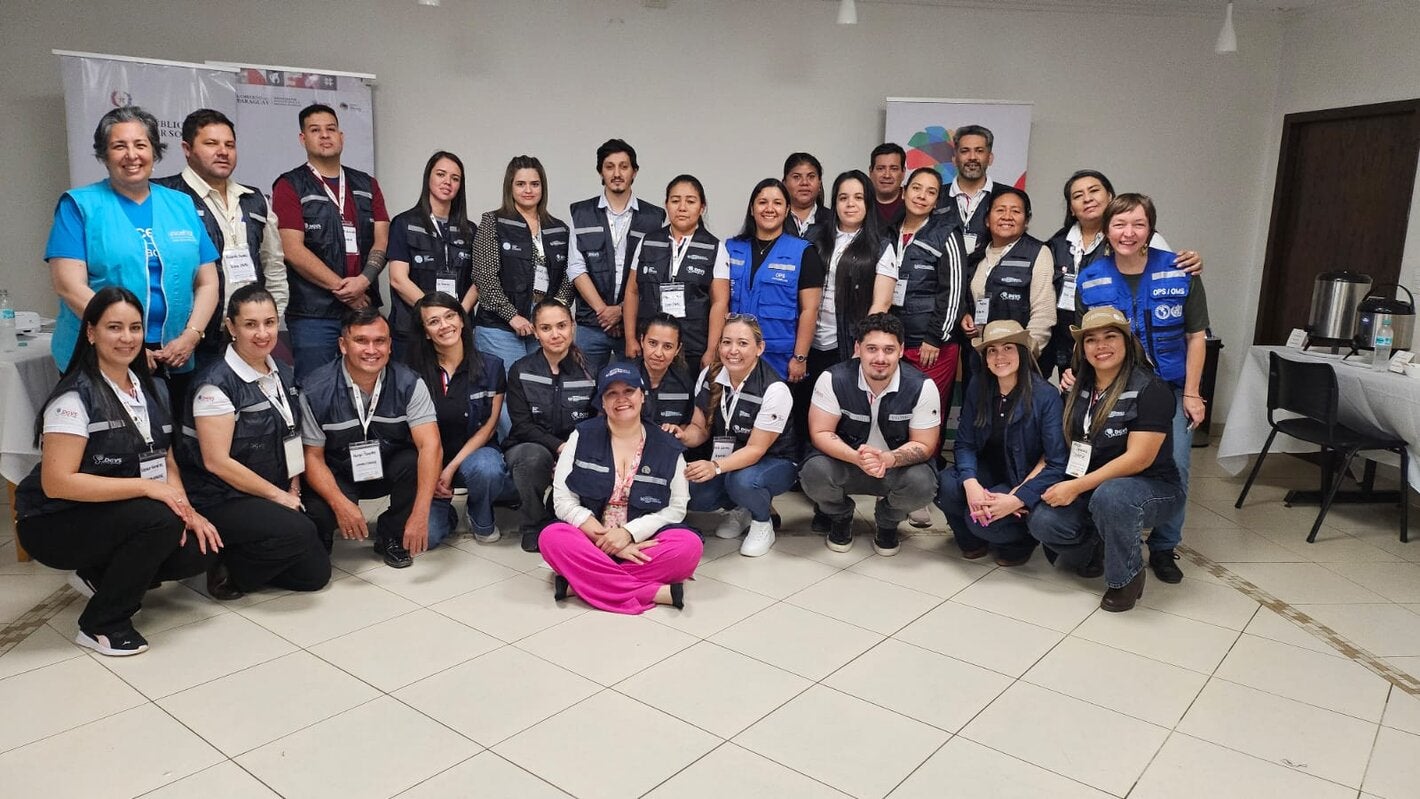
Asunción, Paraguay. November 3, 2026 (PAHO/WHO). To strengthen local capacities for the early detection of and response to public health threats, two community-based surveillance (CBS) training workshops were held in Boquerón, as part of Paraguay's national Tero Tero Network strategy.
The workshops brought together 30 participants, including technical staff from the 16th Health Region of Boquerón and local focal points. With these latest sessions, the Tero Tero Network has trained a total of 210 people across Paraguay in 2026.
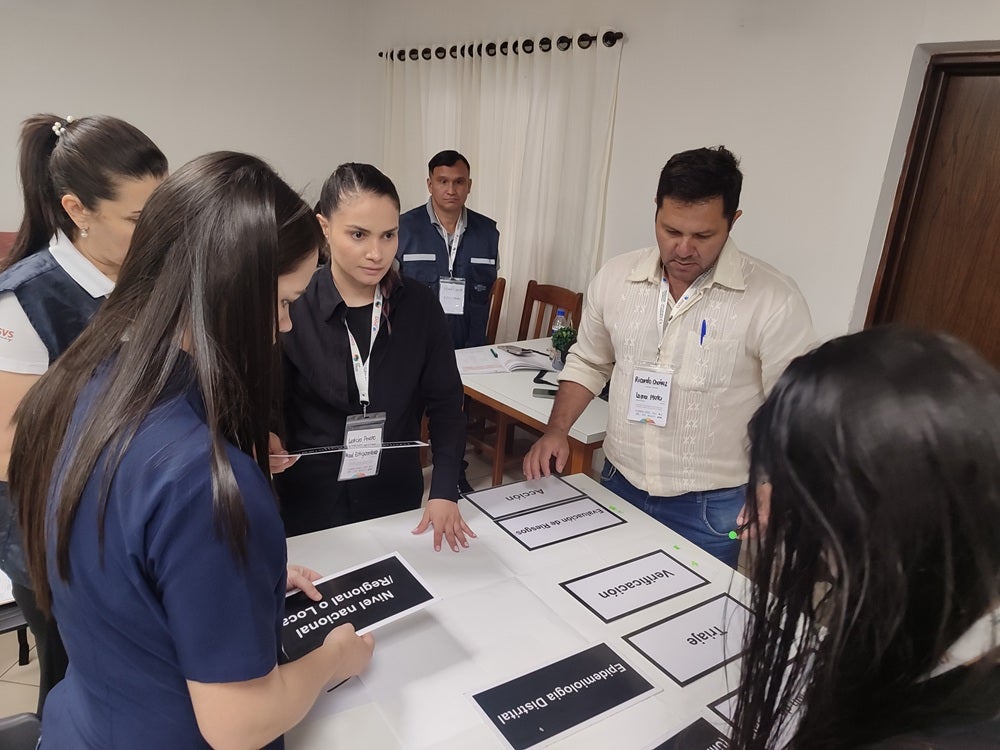
The Chaco region accounts for the largest share of participants, with 134 people trained: 57 in Presidente Hayes, 47 in Alto Paraguay, and 30 in Boquerón. In the Eastern Region, 76 people received training, including 38 in Misiones and 38 in Ñeembucú.
In Boquerón, participants included health workers from primary health care facilities in three districts:
- Filadelfia: Neuland Cayi o Clim, Arco Iris, Filadelfia, and Uj’elhavos Family Health Units.
- Loma Plata: Núcleo 5 and Villa Boquerón Family Health Units.
- Mariscal José Félix Estigarribia: Canaán and Santa Teresita Family Health Units.
The workshops were led by a multidisciplinary team of specialists from the Directorate General of Health Surveillance (DGVS), the 16th Health Region of Boquerón, and other participating health regions, with logistical and technical support from the Pan American Health Organization/World Health Organization (PAHO/WHO).
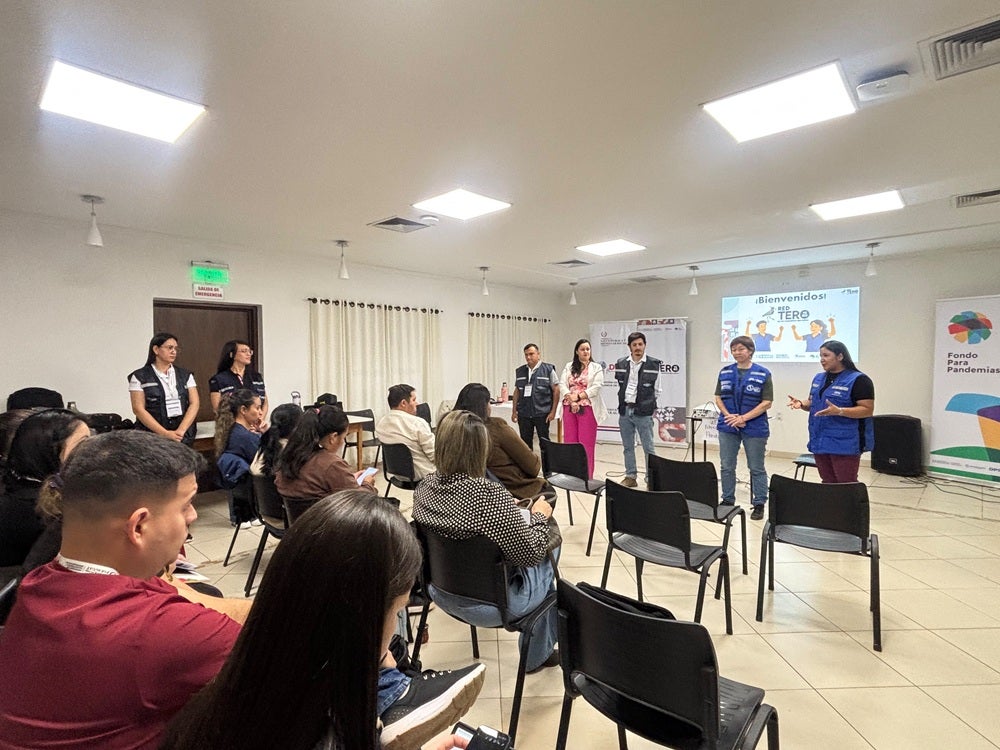
The training aims to strengthen the timely detection of early warning signals, accelerate their verification, and improve coordination between health services and community representatives. These efforts contribute to a more integrated surveillance system and strengthen the country's capacity to detect and respond to public health threats, helping protect communities.
These activities are supported by the Pandemic Fund through two projects: the multi-country PROTECT project, “Optimizing Pandemic Response Through Engaged Communities and Territories in South America,” and the national project, “Strengthening Critical Functions for Pandemic Prevention, Preparedness, and Response in Paraguay.”