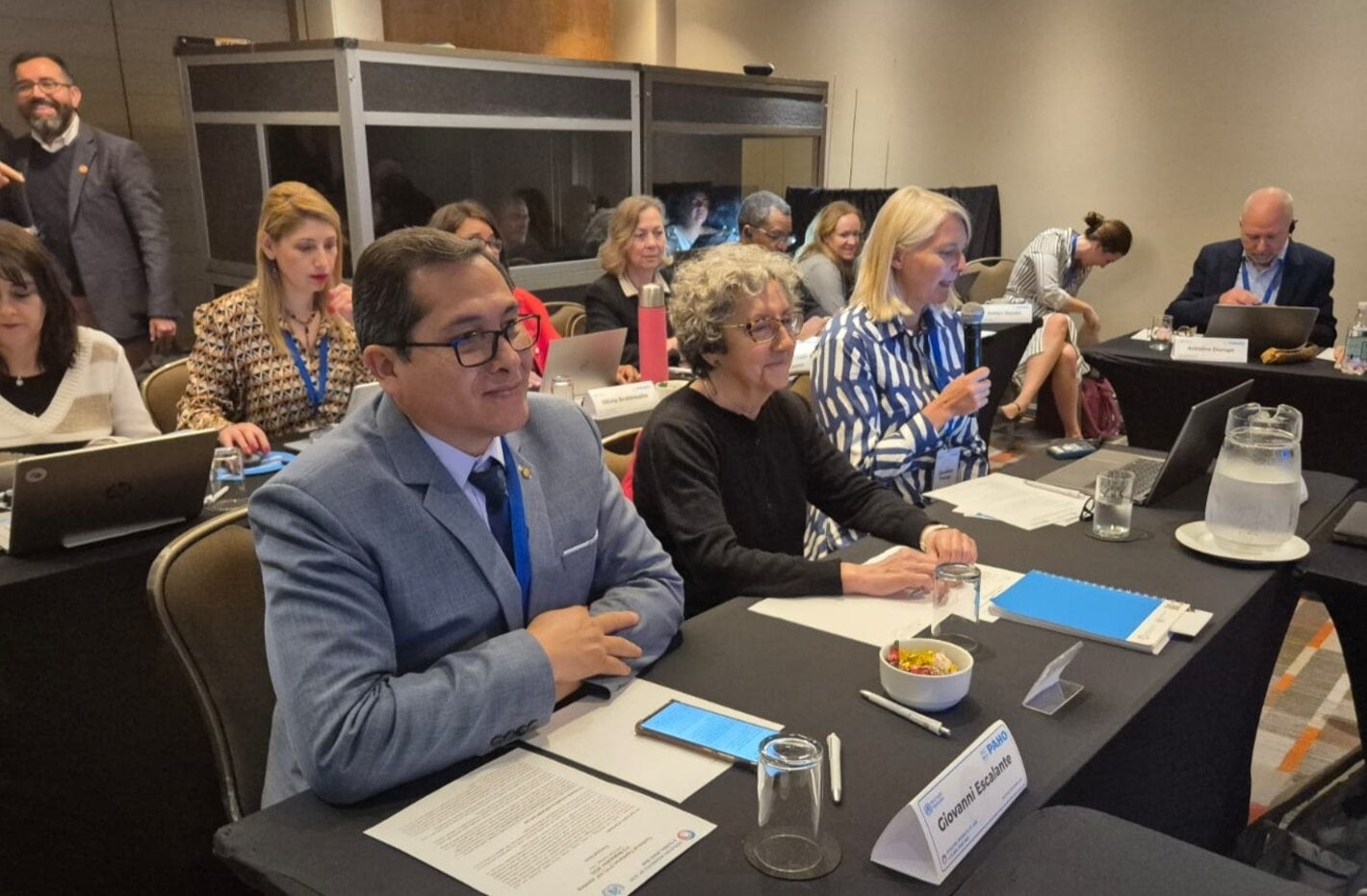
Santiago, Chile, September 2–5, 2025 (PAHO). - At a key moment for global public health, Chile hosted the 10th Global Meeting of the Technical Task Force on the Roadmap to Defeat Meningitis by 2030 (TTF10), organized by the World Health Organization (WHO) and the Pan American Health Organization (PAHO), with the support of the Chilean Ministry of Health (MINSAL).
The meeting, held September 2-5 in Santiago, brought together specialists from all continents, international agencies, and academic institutions with the goal of renewing the global commitment to a world free of meningitis.
The meeting marked an intermediate milestone in the implementation of the Roadmap launched in 2021, which seeks to eliminate bacterial meningitis epidemics, reduce vaccine-preventable cases by 50% and preventable deaths by 70%, and improve the quality of life of those living with permanent sequelae.
“Chile's leadership in this meeting reinforces the country's commitment to international cooperation and the implementation of evidence-based policies to address diseases with a high health and social impact,” said Dr. Giovanni Escalante, PAHO/WHO representative in Chile, during the opening.
The “Global Strategy” is structured around five strategic pillars: prevention and control of epidemics, diagnosis and treatment, epidemiological surveillance, support for affected persons, and promotion and political commitment.
In Santiago, the Technical Group defined the guidelines for the 2025-2030 work plan, which focuses on strengthening technical capacities, expanding access to innovative vaccines, and ensuring comprehensive care for survivors.
In this context, Chile has made significant progress in the fight against meningitis. Among the most notable milestones are:
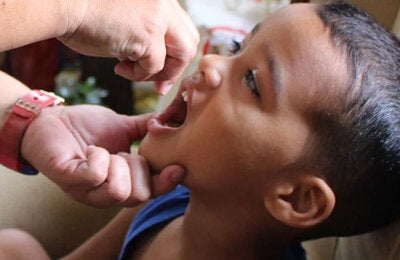
- Systematic vaccination with the progressive incorporation of Hib (1997), pneumococcal (2010), MenACWY (2014), and MenB (2023) vaccines, reinforced in 2024.
- Advanced diagnosis using PCR tests and strain characterization at the Institute of Public Health (ISP).
- Historic reduction in mortality, reaching 13% in 2024 thanks to timely diagnosis and appropriate treatment.
- Comprehensive rehabilitation for people with sequelae, including physical, cognitive, and social support.
The conclusions of the meeting pointed to strengthening interregional cooperation and integrating national meningitis plans into public health and emergency preparedness strategies.
Chile reaffirmed its commitment to providing technical support to other countries in the region and maintaining meningitis as a health priority, in line with the Health Goals for the Decade 2021–2030 and the Primary Health Care approach.