Washington, D.C., March 13, 2026 (PAHO) — The Pan American Health Organization (PAHO) has issued a new epidemiological alert cautioning of sustained yellow fever transmission in parts of South America, with cases continuing to be reported in 2026 and detection occurring in areas beyond the traditional hotspots of the Amazon basin.
Since September 2024, yellow fever cases have been reported in areas where they had not previously been recorded in the Region, including some locations outside the Amazon. In response, PAHO is reinforcing the call for Member States to strengthen epidemiological surveillance, intensify vaccination campaigns among populations at risk, and take the necessary measures to ensure that travelers heading to areas where vaccination is recommended are properly informed and protected.
The Organization also recommended reinforcing the capacity of health services for the early detection and timely clinical management of severe cases, as well as maintaining strategic vaccine stockpiles to enable a rapid response to potential outbreaks.
In 2025, a total of 346 confirmed yellow fever cases and 143 deaths were reported across seven countries in the Region: Bolivia (8 cases, 2 deaths), Brazil (120 cases, 48 deaths), Colombia (125 cases, 46 deaths), Ecuador (11 cases, 8 deaths), Guyana (1 death), Peru (49 cases, 19 deaths), and Venezuela (32 cases, 19 deaths).
During the first seven weeks of 2026, 34 human cases and 15 deaths have already been confirmed in Bolivia, Colombia, Peru, and Venezuela.
PAHO noted that the sylvatic transmission cycle of yellow fever, involving mosquito vectors and nonhuman primates as hosts, —that is, transmission of the virus between wild mosquitoes and nonhuman primates (such as monkeys)— reactivates periodically in the region, which is an expected phenomenon. However, since late 2025, human cases have been detected in geographic areas without recent transmission and outside previously considered risk zones, such as São Paulo state in Brazil and the department of Tolima in Colombia.
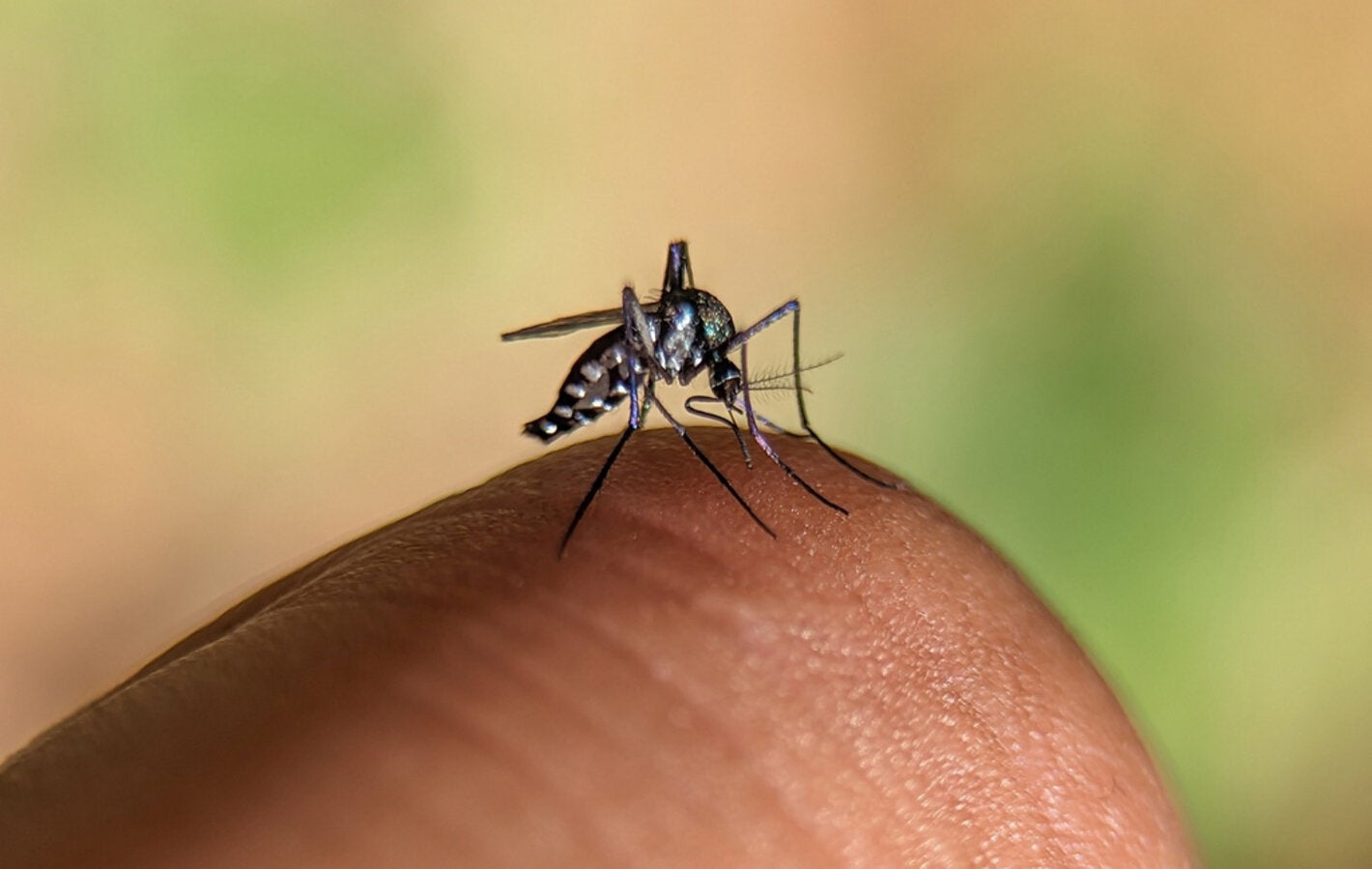
The detection of cases in areas near urban centers increases the risk of urban transmission of yellow fever, in which the virus spreads between people through the mosquito Aedes aegypti, which can lead to rapidly spreading outbreaks.
In May 2025, PAHO classified the overall public health risk in the Americas as high, due to the increase in cases, elevated case-fatality rates (41% in 2025), and the detection of cases in new areas. The current situation maintains a similar level of risk.
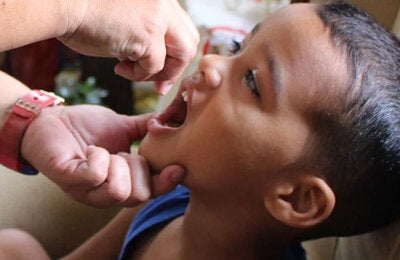
Yellow fever is a mosquito-borne viral disease that can cause severe illness with a high fatality rate. There is no specific treatment, but vaccination is the most effective measure to prevent the disease. A single dose of the vaccine provides lifelong protection.
Most confirmed cases in 2025 and 2026 were reported in people who were not vaccinated.
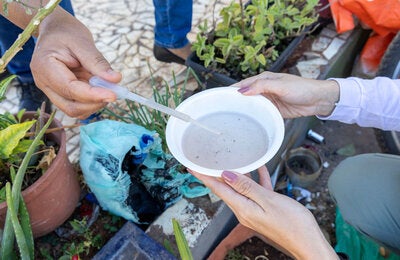
PAHO reminds countries with risk areas to maintain vaccination coverage of at least 95% among exposed populations, while also strengthening epidemiological surveillance and surveillance of epizootics in nonhuman primates —that is, the occurrence of the disease in animals— which can serve as an early signal of virus circulation, as well as strengthening mosquito control measures.
Travelers are also advised to get vaccinated at least 10 days before visiting areas where the disease circulates regularly, in accordance with international health recommendations.
PAHO will continue monitoring the epidemiological situation and supporting countries in surveillance, prevention, and response actions related to this disease.