Adobe Stock
Belize, February 18, 2026 (PANAFTOSA/VPH-PAHO/WHO) – The Ministry of Health and Wellness of Belize (MoHW), the Pan American Health Organization (PAHO) and its specialized center in Veterinary Public Health, PANAFTOSA/VPH, together with the United States Centers for Disease Control and Prevention (CDC), held the virtual seminar “Clinical Management of New World Screwworm (Cochliomyia hominivorax): Strengthening Human and Animal Health Response through a One Health Approach” to reinforce surveillance, response capacity, and intersectoral coordination.
Belize remains vulnerable due to cross-border animal movement, livestock production systems, environmental conditions favorable to fly propagation, and occupational exposure among rural workers. While traditionally considered an animal health issue, human cases underscore the need to strengthen clinical preparedness and intersectoral coordination through the One Health approach.
The seminar brought together physicians, nurses, environmental health officers, and national surveillance personnel to share experiences, strengthen response capacity for the diagnosis and management of potential human cases, review treatment protocols, and clarify reporting mechanisms and interinstitutional coordination processes.
The Screwworm and Its Impact
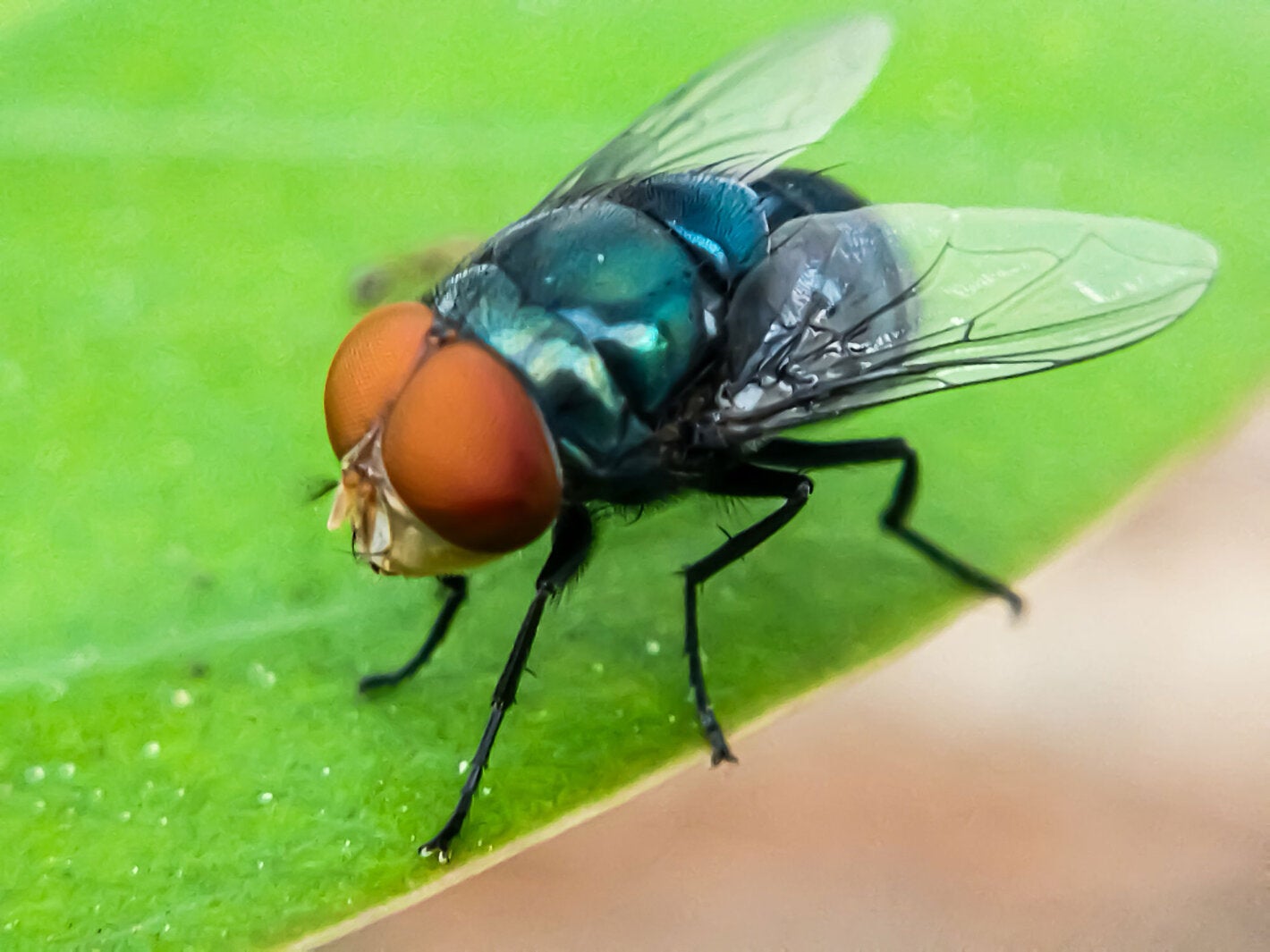
The New World Screwworm is the larval stage of the fly Cochliomyia hominivorax, a parasite that causes a disease known as myiasis, affecting warm-blooded animals and, in some cases, humans—particularly those living in rural settings or with limited access to health services.
Its larvae feed on living tissue, causing deep wounds that may lead to severe infections, tissue damage, and, in extreme cases, risk of death if not detected and treated promptly.
The adult fly is attracted to recent wounds, the umbilical cords of newborn animals, procedures such as castration or branding, and untreated skin lesions.
The disease re-emerges in regions where environmental conditions and animal movement facilitate the spread of the fly.
Regional Outlook and Multisectoral Approach
New World Screwworm continues to pose a risk in several regions of the Americas, affecting animal health and, in some cases, human health. Belize’s experience highlights the importance of a multisectoral approach that includes:
- Epidemiological surveillance and continuous monitoring of animals and humans
- Community education on prevention and wound care
- Interinstitutional coordination among ministries of health, agriculture, and environment
- Clinical preparedness for early detection and effective treatment
Dr. Laura Friesen, Acting Deputy Director of Public Health and Wellness at the Ministry of Health and Wellness of Belize, emphasized the importance of the seminar: “The New World Screwworm has been considered eradicated in Belize since 1995. Unfortunately, due to the rise of cases in Central America, Belize reported its first case, since then, in animals in December 2024 and its first case in humans in August 2025. This seminar was key in discussing the concrete steps needed to protect animal and human health from the New World Screwworm, from a One Health perspective.”
Baldomero Molina Flores, Zoonoses Advisor at PANAFTOSA, stated that “the seminar enabled the sharing of key strategies for the prevention and management of New World Screwworm in the country, reinforcing collaboration between human and animal health sectors.”
A Further Step in Protecting the Region
This seminar reaffirms the commitment of Belize and its regional partners to New World Screwworm surveillance and to strengthening cross-border collaboration through the One Health approach, recognizing that protecting people, animals, and ecosystems requires cooperation, coordination, and shared knowledge.
Access the seminar recording: play