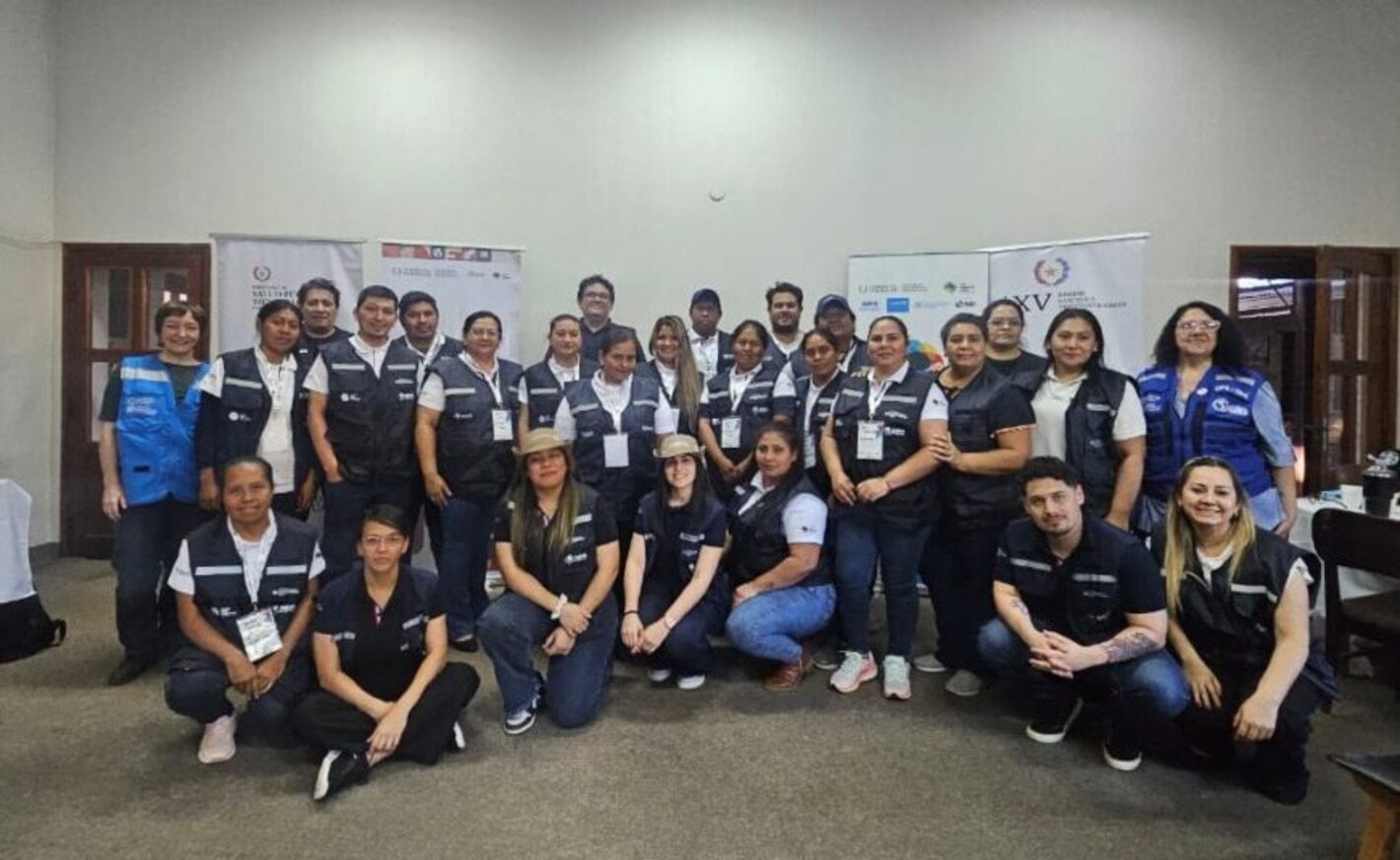
Teniente Irala Fernández, Presidente Hayes, October 22, 2026 (PAHO/WHO). Paraguay's Chaco region is strengthening its capacity to detect and respond to emerging public health threats with the addition of 28 health professionals from the Ministry of Public Health and Social Welfare (MSPBS) to the Tero Tero Network.
The participants completed two hands-on training workshops held on October 14–15, with technical support from the Pan American Health Organization/World Health Organization (PAHO/WHO). These activities were carried out under two projects funded by the Pandemic Fund: the multi-country PROTECT project, “Optimizing Pandemic Response Through Engaged Communities and Territories in South America,” and the national project, “Strengthening Critical Functions for Pandemic Prevention, Preparedness, and Response in Paraguay.”
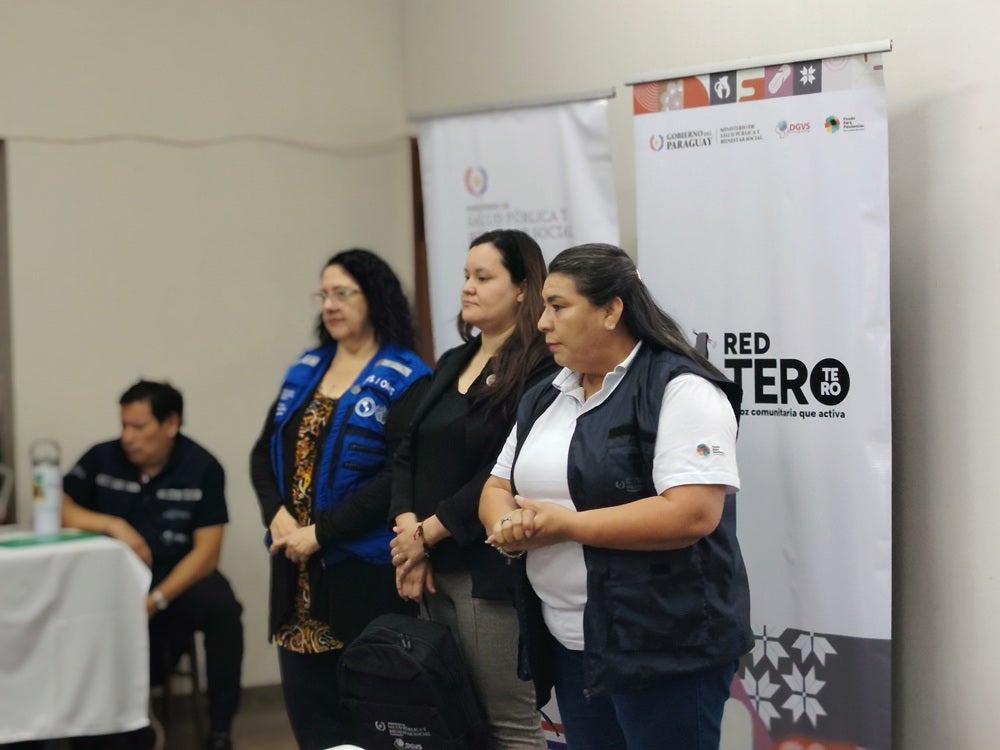
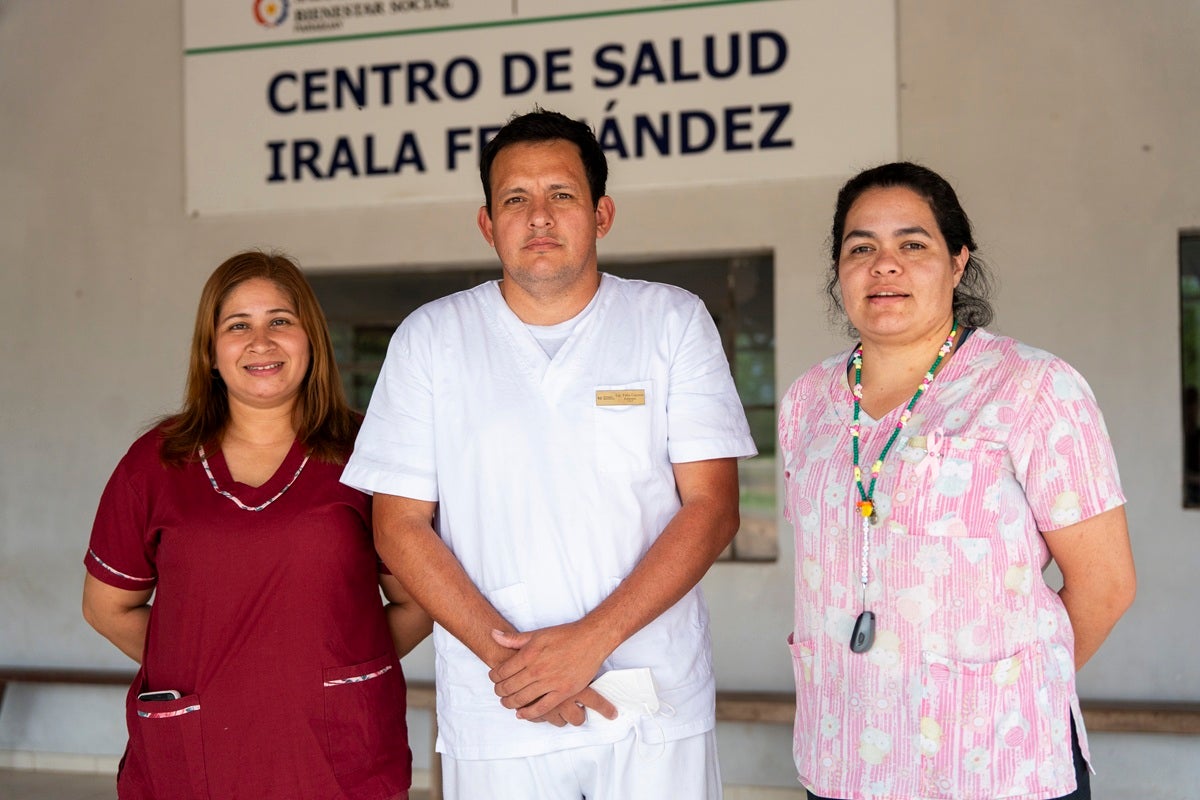
The workshops took place in Teniente Irala Fernández and brought together staff from seven Family Health Units, one health post, and one health center serving these communities. Through practical exercises based on real-life situations in their communities, participants learned how to apply community-based surveillance approaches to identify and report potential public health risks.
With trained community health promoters and workers, surveillance coverage extends to communities including Xakmok Kásek, Nepoxen, 8 de Enero, Saria, 4 de Agosto, Tajamar Kavaju, Kenaten, Laguna Pato, Lolaco Guazú, Quebracho Colorado, Laguna Salado, La Palmera, La India, Pousa Tempeitá, Makalaguaya, Casanillo, and El Estribo, among others.
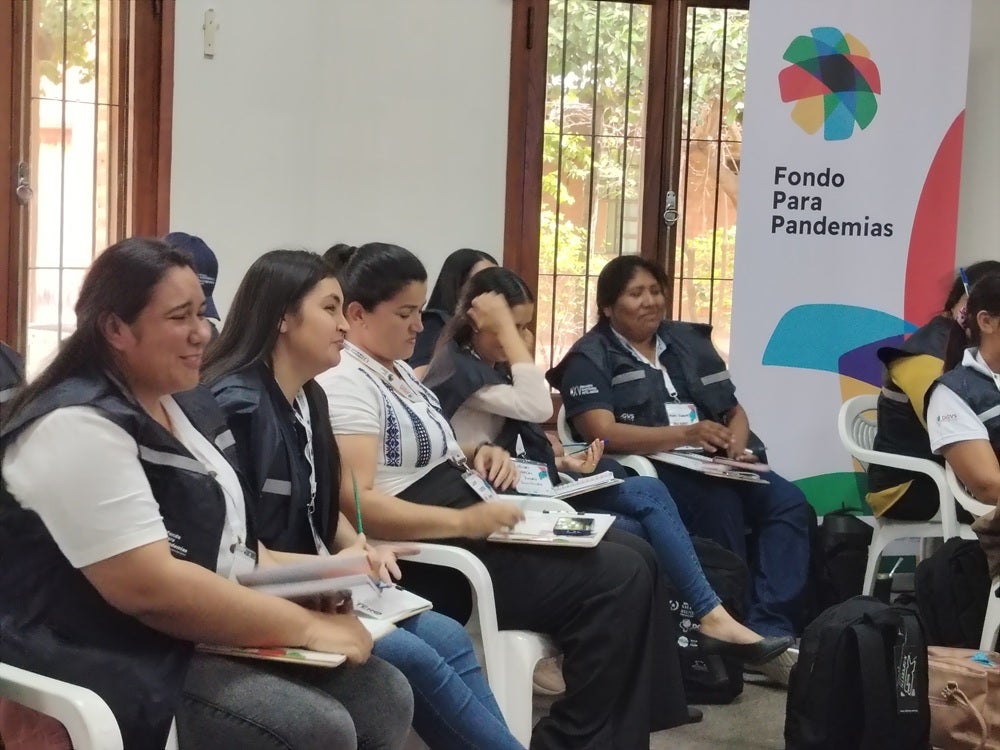
These efforts enable community members and local health workers to identify and report early warning signals through a digital application, helping health authorities respond more quickly to situations that could develop into public health emergencies.
Why Community-Based Surveillance Matters in the Chaco
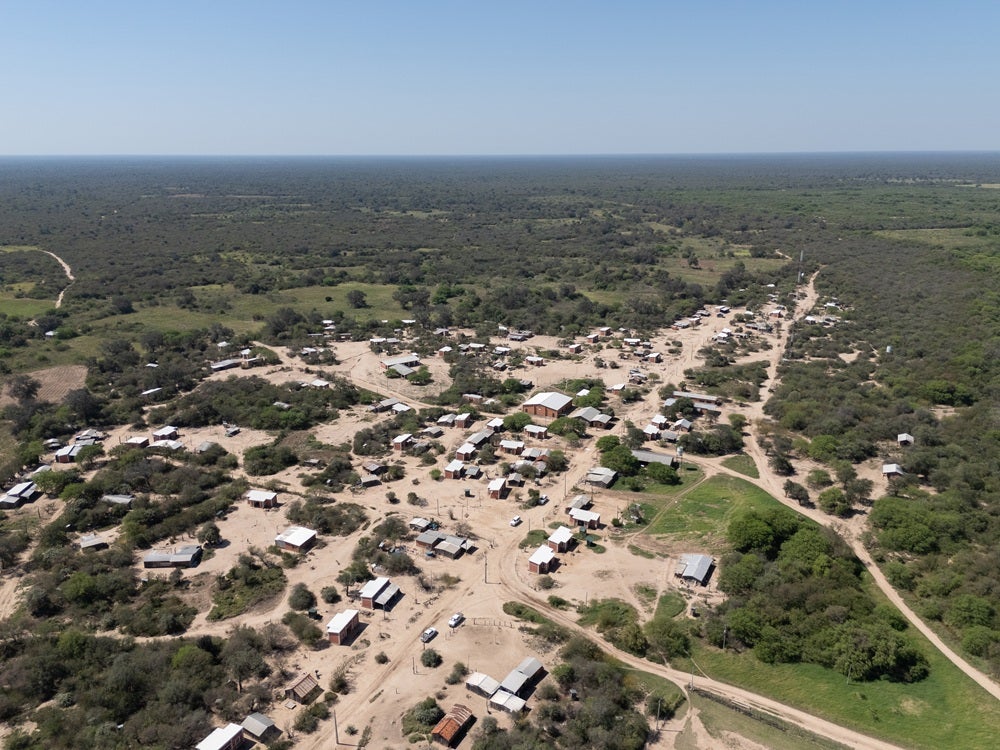
The Chaco region faces unique public health challenges due to its vast distances, dispersed populations, and close interaction between communities and livestock production. The initiative follows a One Health approach, recognizing the interconnectedness of human, animal, and environmental health. This approach is particularly important for identifying zoonotic diseases—those transmitted from animals to humans—and other emerging health threats.
The training team included professionals from the Directorate of Public Health Emergency Surveillance and Response, under the Directorate General of Health Surveillance (DGVS), led by Bettiana Martínez, and the Regional Epidemiology Team of Presidente Hayes (15th Health Region), coordinated by Miryam Soliz. Both teams are part of the Ministry of Public Health and Social Welfare.
Their involvement will help ensure continued technical support for local health teams beyond the workshops, taking into account the geographic distances, transportation routes, and organization of health services across the Chaco region.
These activities are part of the multi-country PROTECT project, “Optimizing Pandemic Response Through Engaged Communities and Territories in South America,” and the national project, “Strengthening Critical Functions for Pandemic Prevention, Preparedness, and Response in Paraguay,” both funded by the Pandemic Fund.
The initiative contributes to strengthening Paraguay's national preparedness and response capacities, in alignment with the International Health Regulations (IHR) and PAHO/WHO's epidemic intelligence strategy.