PAHO and the Pandemic Fund in the Americas

The Pandemic Fund supports countries in strengthening pandemic prevention, preparedness, and response (PPR) capacities, particularly in low- and middle-income countries, while promoting greater collaboration and investment for health security.

Hosted by the World Bank, the Fund brings together governments, donors, and international partners. The World Health Organization (WHO) serves as the technical lead, helping ensure that investments align with the International Health Regulations (IHR 2005), the One Health approach, and other international frameworks for global health security.

Explore Pandemic Fund-supported initiatives across the Americas implemented by PAHO.

Protecting at Risk Communities

The Americas are particularly vulnerable to health emergencies, largely driven by infectious diseases outbreaks and climate-related disasters. Urbanization, population growth, climate change, and migration contribute to the increasing frequency, severity, and scale of these emergencies, significantly impacting the health and well-being of its populations.

The Pandemic Fund aims to boost resilience to future pandemics. PAHO is leading the implementation of 7 out of the 9 pandemic projects targeting countries in the Americas. These projects aim to protect vulnerable communities and reduce the health, social, and economic impacts of epidemics and pandemics. 

Find more information on each project below.


Multi-Country Projects

LATIN AMERICA


About the project

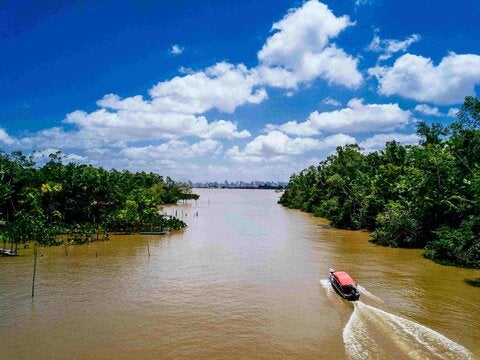
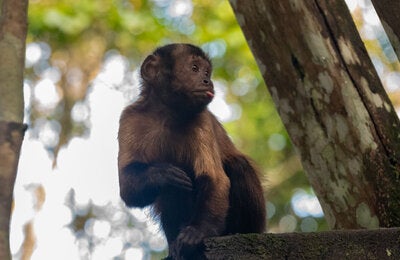
The Amazon Region accounts for approximately half of the earth’s biodiversity and its ecosystems are susceptible to the effects of climate change and human interference. Communities in the Amazon Basin are especially vulnerable to pandemic risks stemming from their remoteness and from exposure to wild vectors in tropical and subtropical areas. Arboviral diseases, acute diarrheal diseases, acute respiratory illnesses, and vaccine-preventable diseases are all significant risks. Poverty is widespread and infrastructure is limited.  

To better protect these vulnerable communities and reduce the health, social, and economic impacts of epidemics and pandemics, the PROTECT Multinational Project - Pandemic Response Optimization Through Engaged Communities and Territories seeks to innovate and modernize surveillance and laboratory systems across the Amazon Basin, with an explicit focus on including rural and remote populations.

The project is a partnership between the Ministries of Health and Agriculture of the seven participating countries and the two implementing entities, the Pan American Health Organization (PAHO/WHO) and the World Bank. It is supported by a US$16.5 million grant from the Pandemic Fund.

Objectives

Under the One Health approach, the overarching goal of the PROTECT Project is to enhance the capacity, preparedness, and commitment of participating countries for the early detection of and response to future pandemics through intersectoral and multi-level stakeholder coordination and cooperation across the Amazon Basin.

Specific objectives include:

  1. Developing tailored community event-based surveillance guidelines and harmonizing national and regional roadmaps for the early detection and surveillance of wildlife zoonotic diseases.
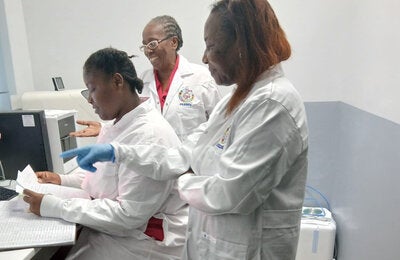
  2. Strengthening the capacity of laboratory systems to detect and respond to infectious diseases through portable devices and advanced molecular detection technologies.
  3. Training key personnel in surveillance and risk assessment tools.

Within the three-year implementation period, the implementation of the proposed activities under a One Health approach is expected to lead to:  an enhanced and integrated early warning and disease surveillance system for the detection of public health threats in the Amazon Basin; increased efficiencies of laboratory systems to detect pandemic-causing pathogens; and most importantly, increased cooperation and coordination among sectors, countries, and within the region. These outcomes will better protect vulnerable communities and will reduce the health, social, and economic impacts and epidemics and pandemics. 

Components

  • Enhancing integrated early warning disease surveillance systems for zoonotic pathogens. 
  • Increasing the efficiency of laboratory systems to detect pathogens of epidemic potential.
  • Strengthening coordination among sectors, countries, and across the region for pandemic preparedness and response efforts. 

Beneficiaries

The Project will directly target over 2.4 million beneficiaries. These include indigenous, non-indigenous and riverine communities, including migrants and displaced persons. 

Single-Country Projects

News

Regional Stories

Events