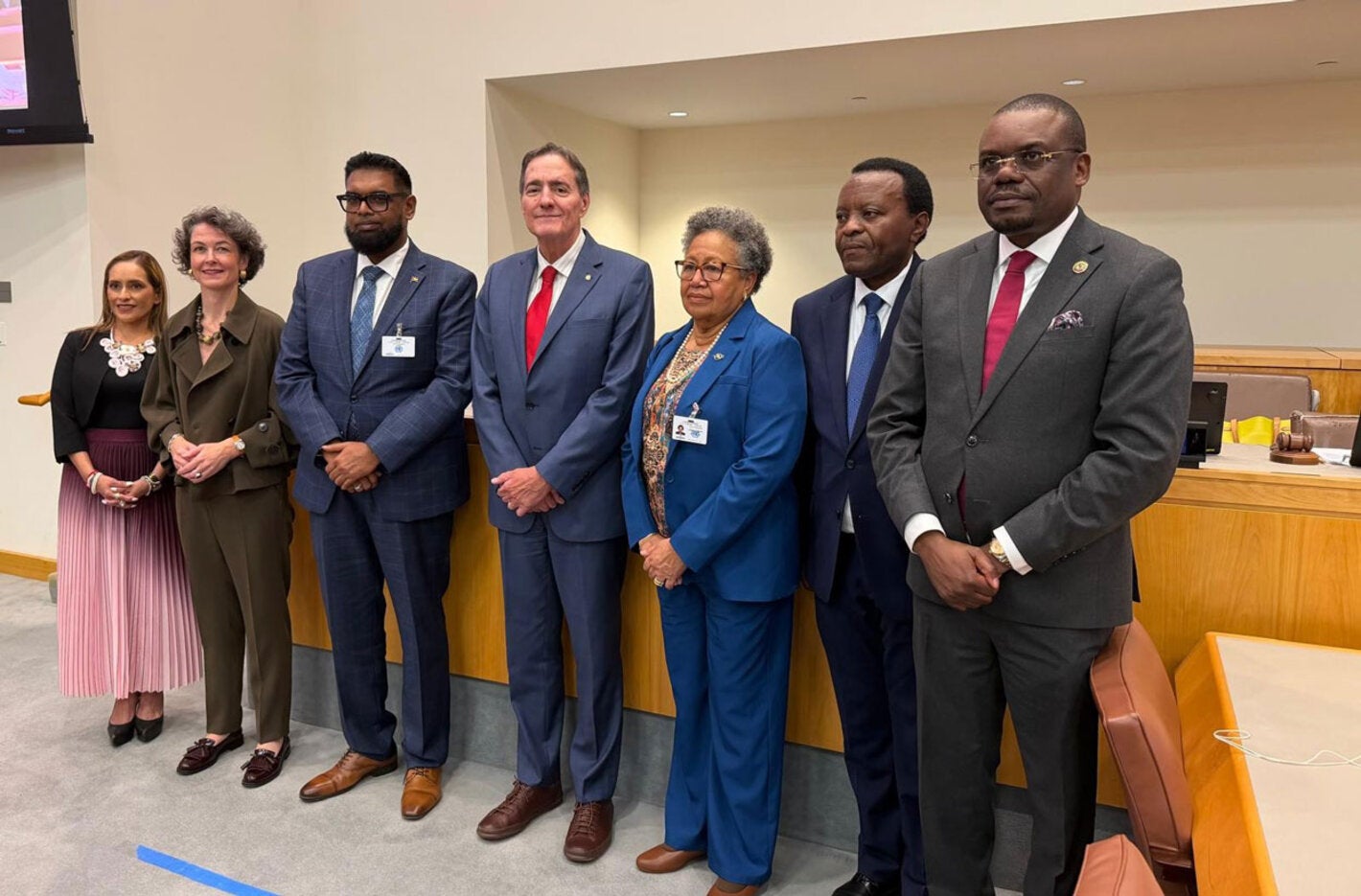
At UNGA, Burundi and Guyana joined PAHO and Africa CDC to advance country-led cooperation and financing for pandemic prevention, preparedness and response
Addis Ababa, New York, 22 September 2026 (PAHO/WHO, Africa CDC) – The Pan American Health Organization (PAHO) and the Africa Centres for Disease Control and Prevention (Africa CDC), together with countries and partners from Africa and the Americas, called for sustained investment in pandemic prevention, preparedness and response (PPPR), alongside stronger cooperation between the two regions to protect lives, economies and societies from future pandemics and public health emergencies.
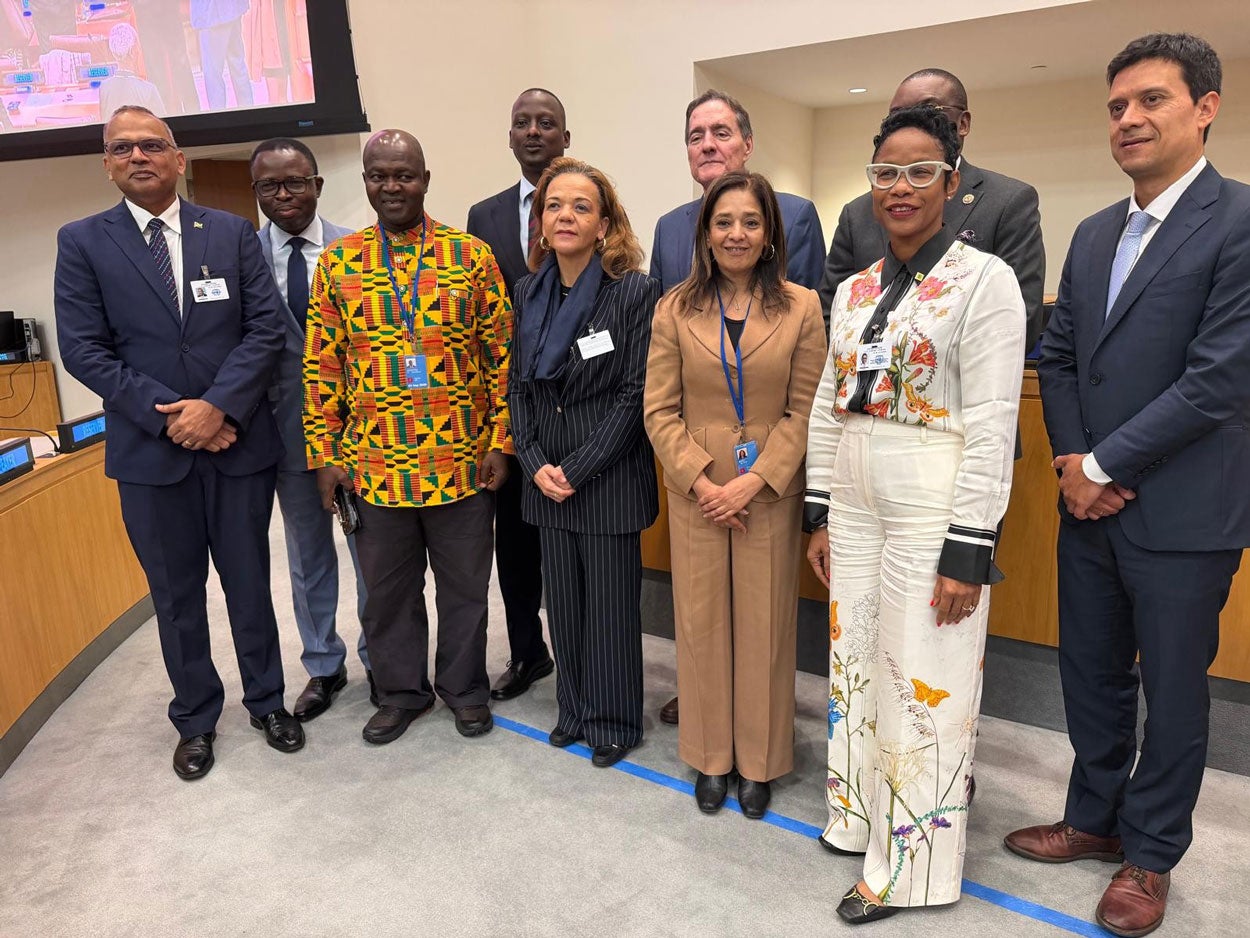
The call came at “Two Regions, One Future: Financing Pandemic Prevention, Preparedness and Response to Build Global Health Security,” a high-level side event during the 81st United Nations General Assembly, organized by the Co-operative Republic of Guyana and the Republic of Burundi, in collaboration with PAHO and Africa CDC with support from the United Nations Foundation.
The event brought together leaders and partners from Africa and the Americas to examine how country-led priorities, stronger regional capacities and sustained financing can reinforce preparedness and build more resilient health systems.
“The pandemic showed what happens when countries depend too heavily on distant sources for essential medicines, vaccines, diagnostics and protective equipment,” said Dr. Mohamed Irfaan Ali, President of Guyana. “Science should know north or south but access to its fruits must never depend on geography. We must build a world in which the global south has the scientific capacity, not simply to receive life-saving innovation but help create it.”
“Preparedness is not a cost we pay during an emergency. It is an investment we make before one strikes – an investment in public health, certainly, but equally in our economic resilience, our social stability and our collective security,” added PAHO Director, Dr. Jarbas Barbosa. “We already have the diagnostic tools, the risk assessments, and the action plans. The real challenged is sustained financing. We must translate priorities into predictable, long-term investments – nationally, regionally, and globally – and maintain those investments during the quiet periods between crises.”
Discussions drew on lessons from COVID-19 and recent infectious disease outbreaks, highlighting priorities including disease surveillance and epidemic intelligence, laboratory and genomic surveillance, early warning and rapid response, emergency coordination, and other core preparedness capacities. Sustained investment in these areas can help countries prevent, detect and contain pathogens with epidemic and pandemic potential while protecting essential health services and limiting wider social and economic disruption.
“The next pandemic will not wait for the world to mobilize after a crisis begins. We must invest before emergencies strike, with countries setting the priorities and strong regional institutions able to act quickly. Africa and the Americas carry immense experience, scientific expertise and response capacity. By connecting these strengths, sharing knowledge and building predictable financing around country priorities, we can strengthen health security across both regions and contribute to a safer world,” said Dr. Jean Kaseya, Director-General of Africa CDC.
Participants emphasized the importance of keeping countries at the centre of pandemic preparedness, with governments defining priorities and directing investments according to their national risks, needs and capacities. Regional organizations such as PAHO and Africa CDC can reinforce these nationally led efforts through technical cooperation, cross-border coordination, knowledge exchange and regional public goods.
“The current ebola epidemic in the DRC reminds us forcefully in the urgency of investing in preparation and pandemic response,” added Ambassador Zephyrine Manirataganda, Permanent Representative of Burundi to the United Nations. “Our nation, and the nations of south America and the Caribbean face similar structural threats and we welcome south-south cooperation between our regions in terms of health preparation.”
The event also called for a shift from crisis-driven funding towards sustained and strategic investment in preparedness. Such investment protects health, strengthens economic resilience and national security, and supports sustainable development.
The discussion advanced a shared agenda for stronger Africa–Americas cooperation, connecting national priorities with regional capacities and more coordinated domestic, regional and global financing for health security and preparedness.
“No country can build alone: The regional infrastructure that makes national preparedness coherent; surveillance networks that cross borders; laboratory systems that share capacity; emergency workers that can move where they are needed - these are collective goods, and they require collective investment,” concluded Dr. Anne-Claire Amprou, French Ambassador for Global Health and moderator of the event.
The event took place ahead of the Second United Nations High-Level Meeting on Pandemic Prevention, Preparedness and Response, scheduled for September 25, where world leaders will review progress since the first meeting in 2023, and discuss how to sustain political commitment and financing for pandemic preparedness in an increasingly constrained global funding environment. Discussions also came as countries advance implementation of the WHO Pandemic Agreement and other global commitments aimed at strengthening health emergency preparedness and response.