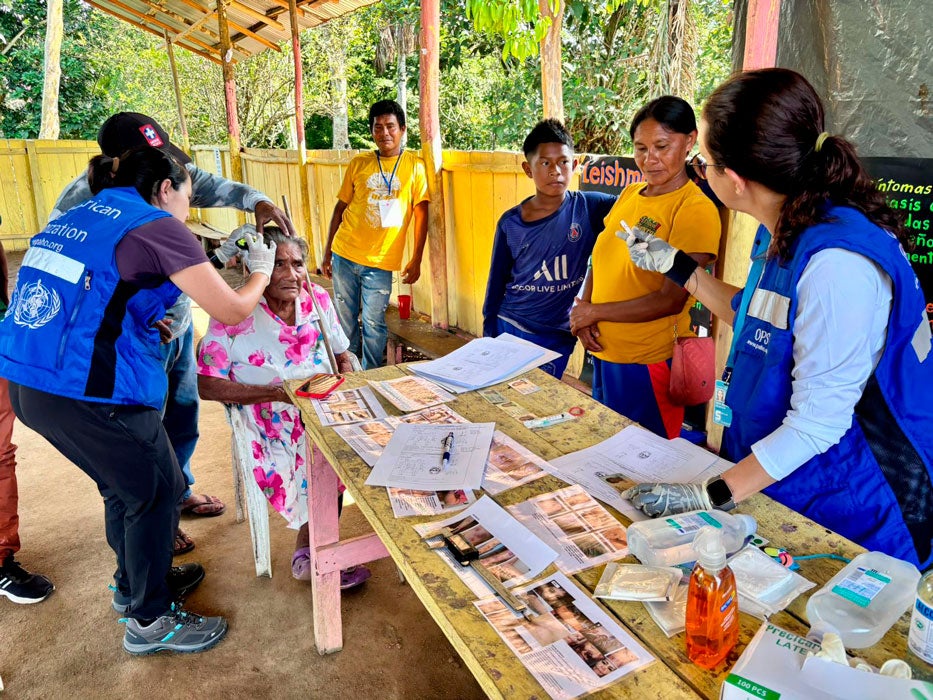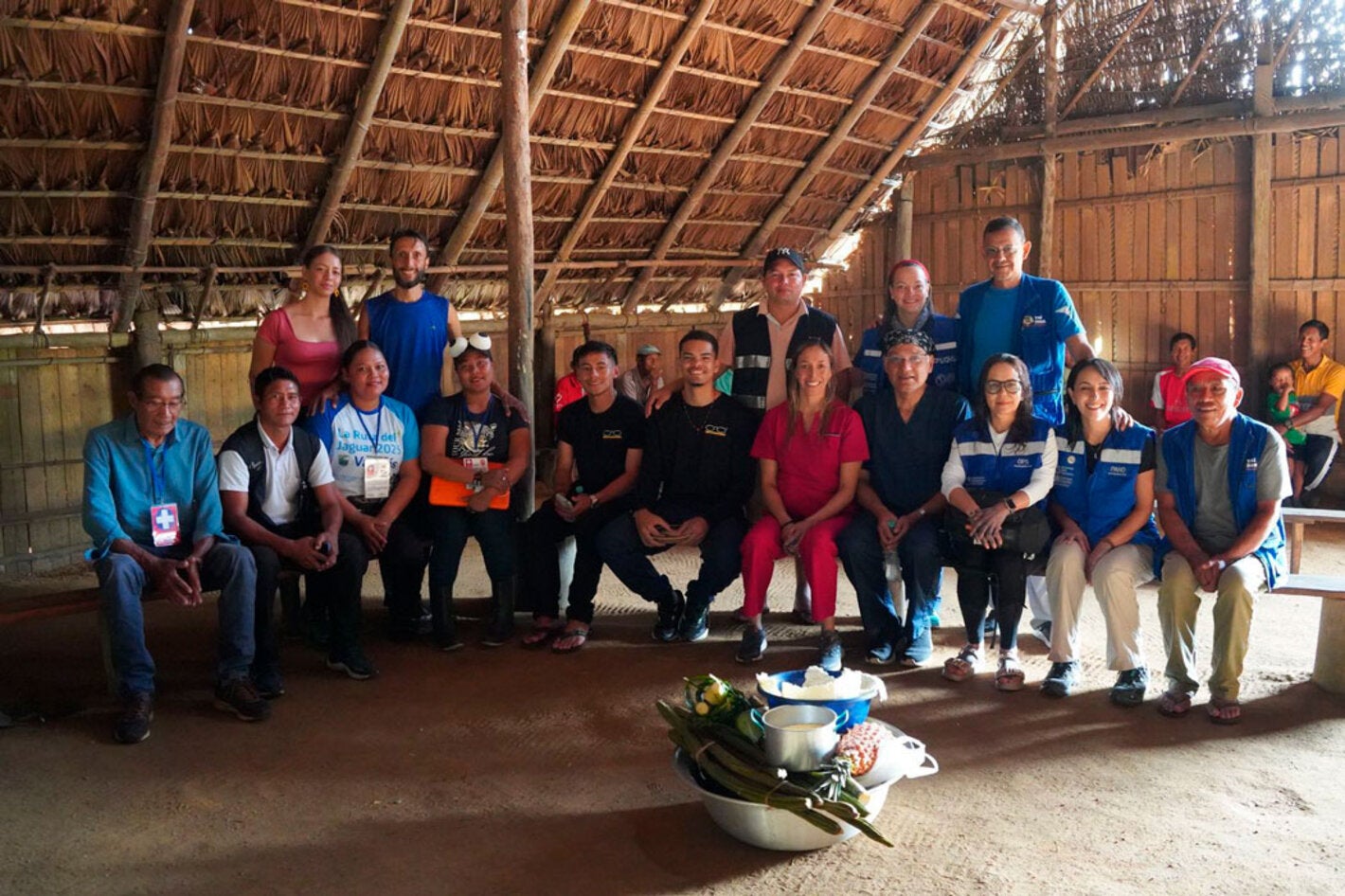
Bogotá, 24 November 2025. The “Comprehensive Approach to Neglected Tropical Diseases and Eye Health” mission took place between 7 and 15 November. In it, more than 400 people from seven Indigenous communities located near the Yapú and Papurí Rivers —in the Amazonian department of Vaupés, southeastern Colombia— received health care.
A group of regional and national experts travelled to remote areas to make health services accessible and improve community well-being. The initiative was developed under the leadership of the Ministry of Health and Social Protection and the Vaupés Health Secretariat, with support from the Government of Canada and technical assistance from the Pan American Health Organization/World Health Organization (PAHO/WHO). It also benefitted from the strategic partnership of Good Vision and Aldeia em Foco, and the participation of a national expert from the Colombian Society of Ophthalmology.
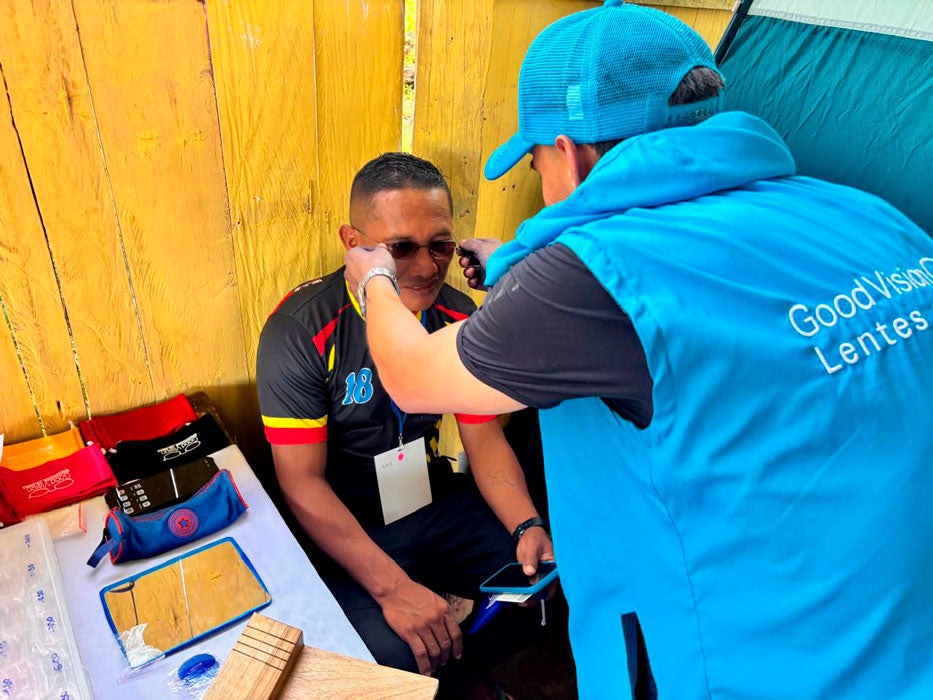
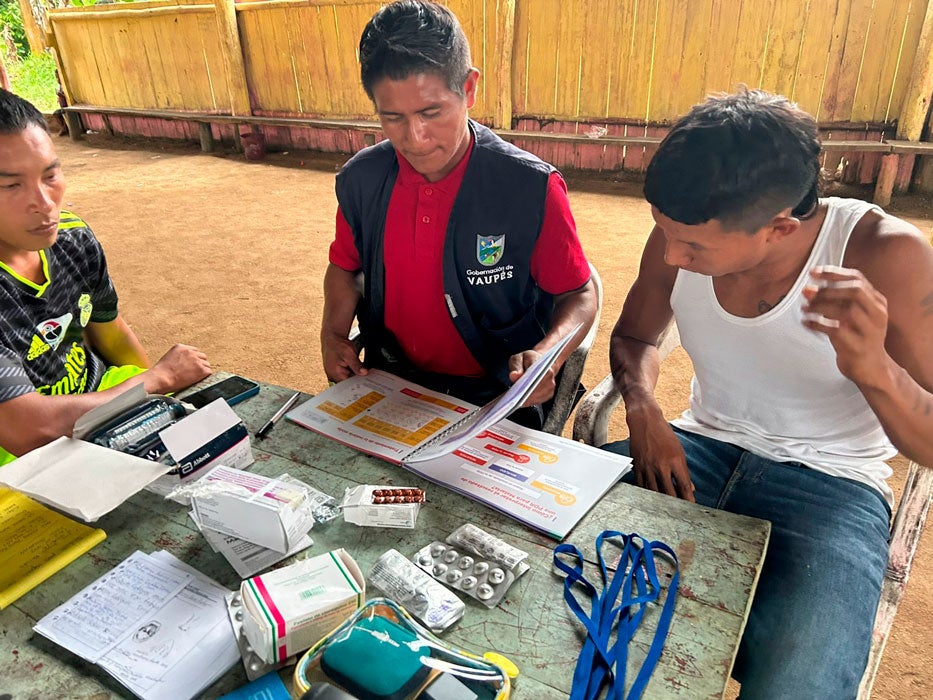
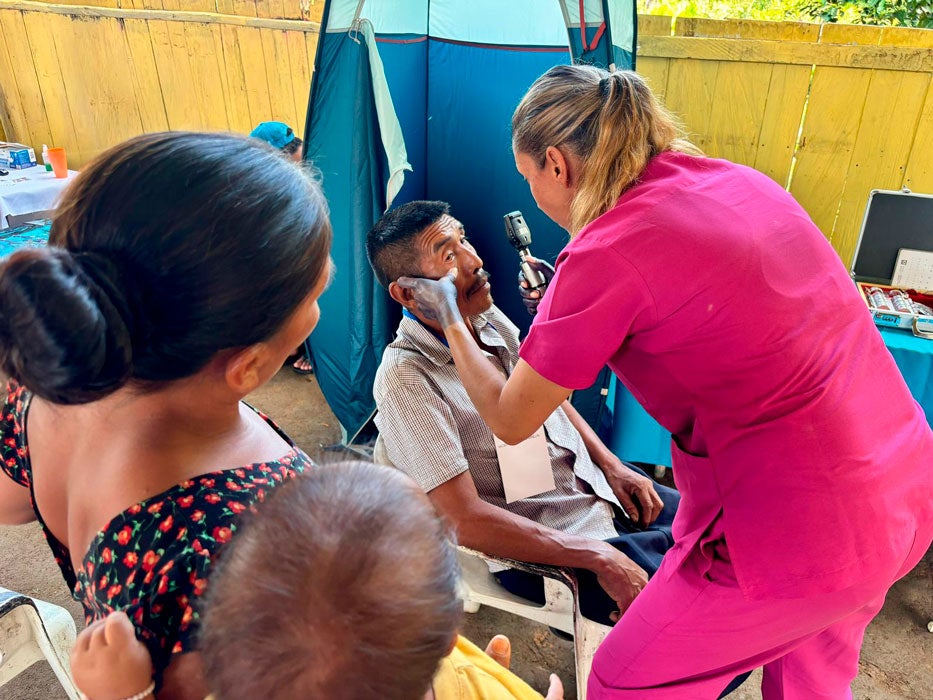
The mission responded to the region’s multiple concurrent diseases and health needs through innovative, effective, and cost-efficient interprogrammatic actions. The mission’s comprehensive approach involved actively searching for high-priority neglected diseases such as leishmaniasis, assessing skin conditions, and using rapid tests to detect Chagas disease. Health teams assessed the population’s eye health, to identify refractive errors and conditions such as cataracts and advanced pterygium, and provided glasses and specialized recommendations.
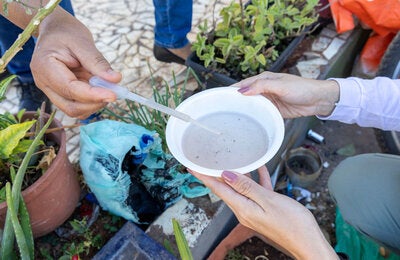
They also implemented community education processes in health prevention and promotion, enhancing educational and pedagogical strategies to promote facial hygiene for trachoma prevention, and training volunteer collaborators (ColVol) to strengthen community surveillance for malaria elimination.
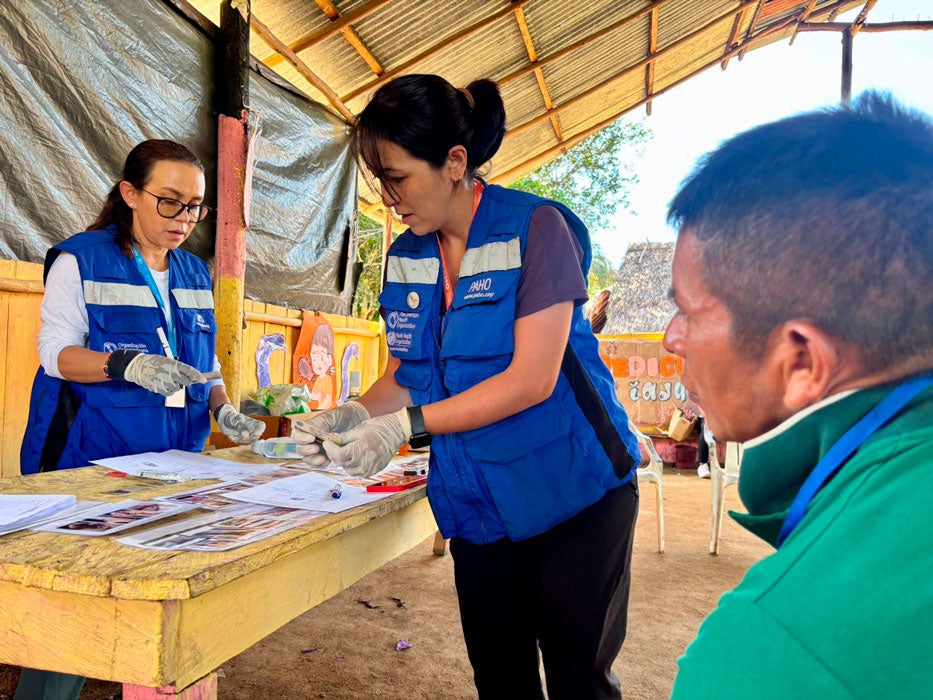
The beneficiaries included the Tatuyo, Carapana, Tuyuca, Tucano, Siriano, Desano, Cubeo, Yurutí, Guanano, Bará, and Barasano Indigenous groups, located in these remote areas of Colombia. Activities were carried out using an intercultural approach, respecting ancestral knowledge and promoting community participation, in the pursuit of equitable public health, where no one is left behind.