- A multisectoral simulation exercise tested the draft national plan and generated valuable lessons for public health emergency preparedness in the Americas.
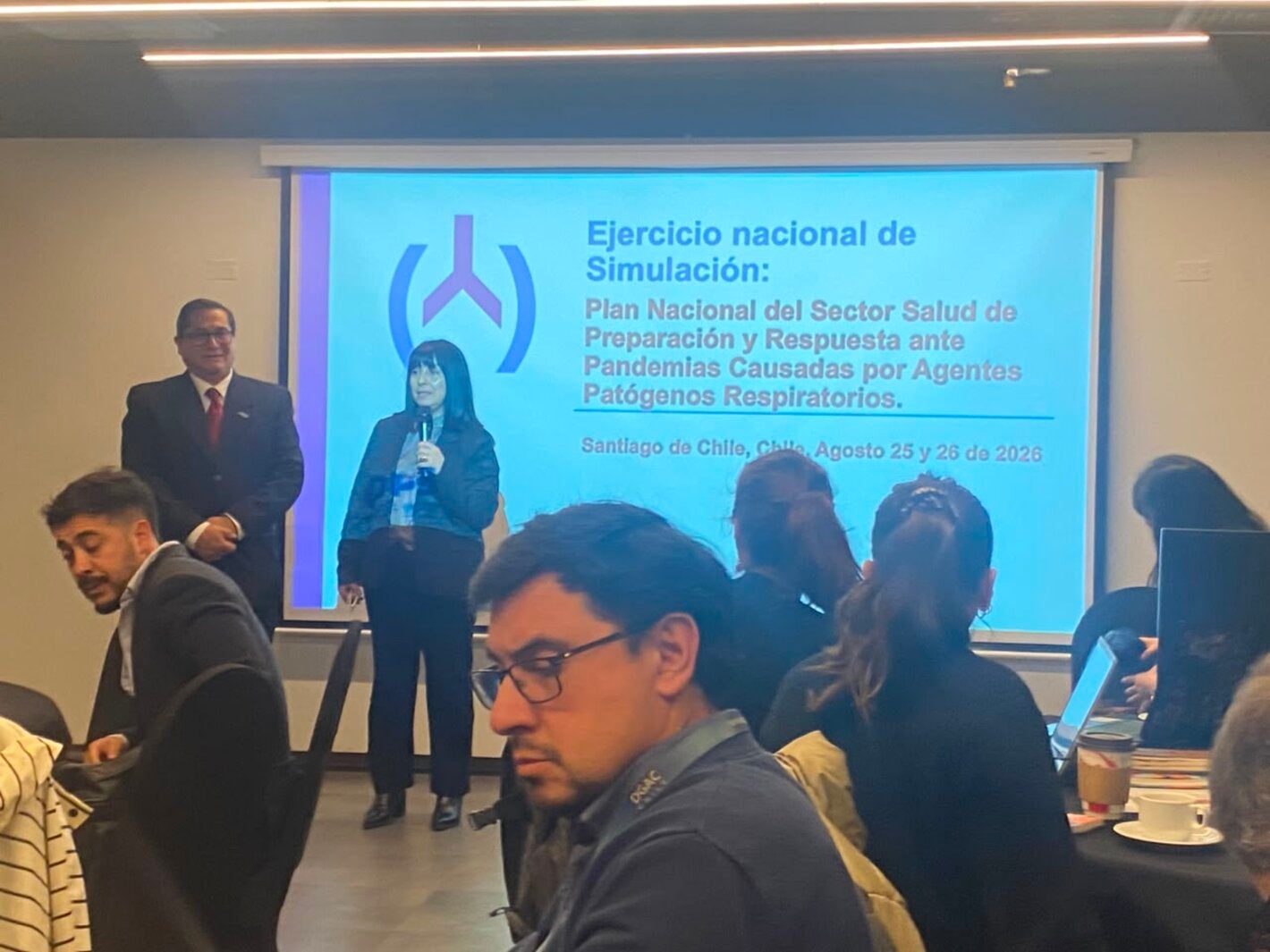
Santiago, Chile, August 26 and 27, 2026 (PAHO).- The Ministry of Health of Chile (MINSAL), with technical cooperation from the Pan American Health Organization/World Health Organization (PAHO/WHO) and in collaboration with Guatemala and Costa Rica, conducted a simulation exercise to review and strengthen the draft National Plan for Preparedness and Response to Events Caused by Respiratory Viruses with Pandemic Potential.
The simulation exercise tested the document’s ability to guide decision-making in hypothetical public health emergency scenarios. The exercise helped identify opportunities for improvement and incorporated input from technical teams within MINSAL and intersectoral stakeholders.
“Preparing today means protecting lives tomorrow. This Plan seeks to consolidate Chile’s capabilities through a comprehensive approach, building on lessons learned from previous emergencies and the principles of the PRET (Preparedness and Resilience to Emerging Threats) initiative, to ensure a coordinated, timely and equitable response to future threats,” said the PAHO/WHO Representative in Chile, Dr. Giovanni Escalante.
The exercise was organized around five essential components: emergency coordination, collaborative surveillance, community protection, clinical care, and access to medical countermeasures. This comprehensive approach links early detection with response capacity and the continuity of health services for the population.
The workshop brought together professionals from different MINSAL divisions, along with representatives from the Armed Forces, law enforcement and security institutions, and the General Directorate of Civil Aviation (DGAC). Their participation reaffirmed that preparedness for pandemic threats requires coordination across sectors, institutions, and response levels.
Chile’s experience, enriched by the exchange with Guatemala and Costa Rica, highlights the value of cooperation among countries to strengthen capacities, share lessons learned, and move toward a better-prepared, more resilient, and more supportive Americas in the face of public health emergencies.