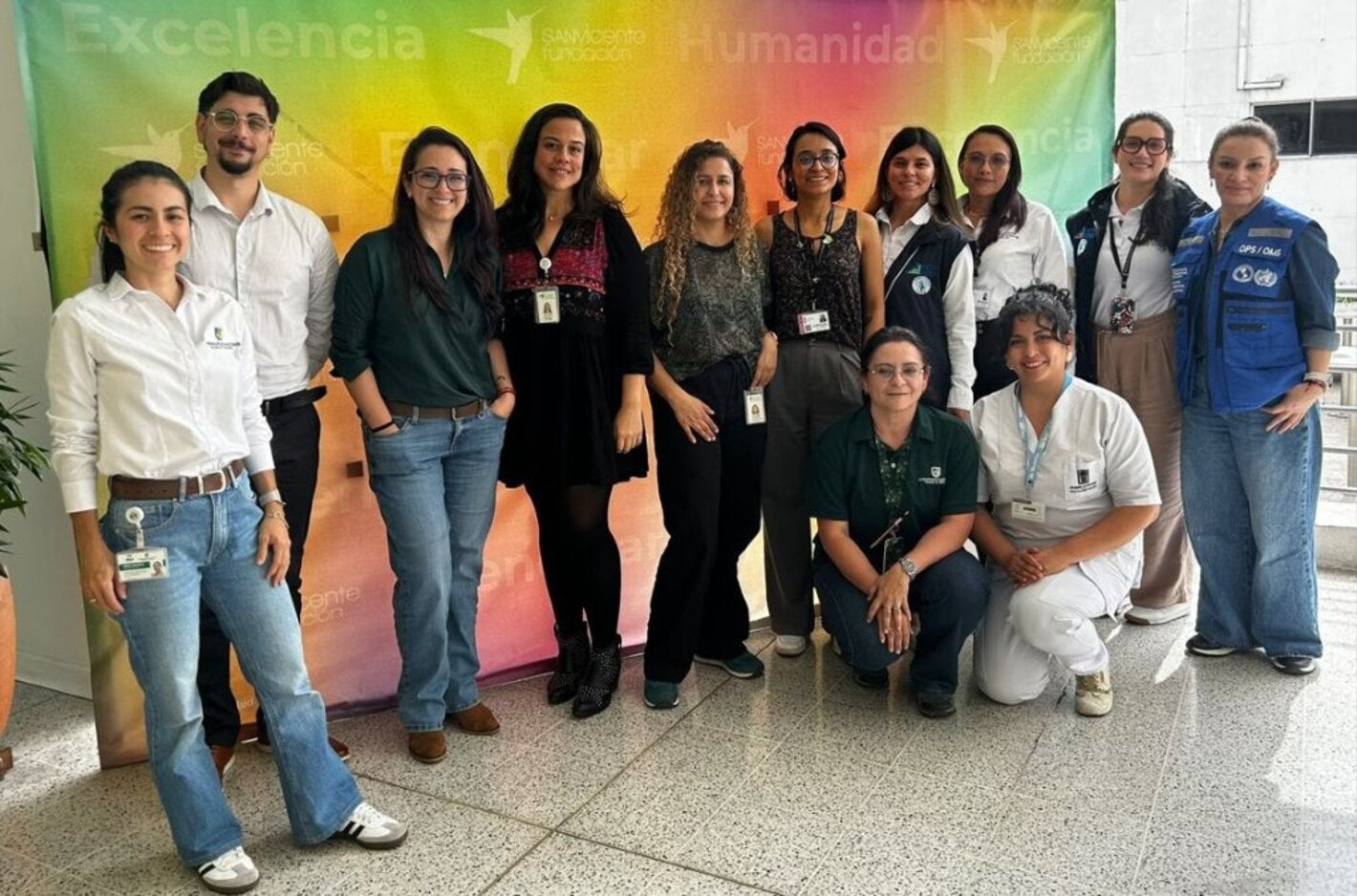
Medellín, October 29, 2026 (PAHO) – The Pan American Health Organization (PAHO), in coordination with the National Institute of Health (INS), the Antioquia Departmental Secretariat of Health and Social Protection, and the Medellín Secretariat of Health, conducted a technical cooperation mission from October 26 to 29 to pilot a digital tool for evaluating sentinel sites for the surveillance of influenza and other respiratory viruses.
The tool is a web-based platform developed by the Infectious Hazards Management Unit (IHM) of PAHO’s Department of Public Health Emergencies (PHE). It aims to replace the paper forms currently used to conduct periodic evaluations of sentinel sites. In addition, it also enables users to apply PAHO’s standard evaluation instruments, review and approve evaluations, calculate scores by component, identify gaps, and develop improvement plans with assigned responsibilities, deadlines, and evidence of progress—even in contexts with limited connectivity.
The platform is designed to ensure that the results of each evaluation are available in a timely manner, can be compared across sites and time periods, and translate into verifiable actions, while also facilitating the monitoring of improvement plans.
The pilot was conducted at the Hospital San Vicente Fundación in Medellín, an institution with over a century of history, recognized for its highly specialized care, training of healthcare professionals, and health research. The hospital has extensive experience as a sentinel site for severe acute respiratory infection (SARI) surveillance, integrating epidemiological surveillance with laboratory diagnosis, which provided a well-established setting for testing the tool under real-world conditions.
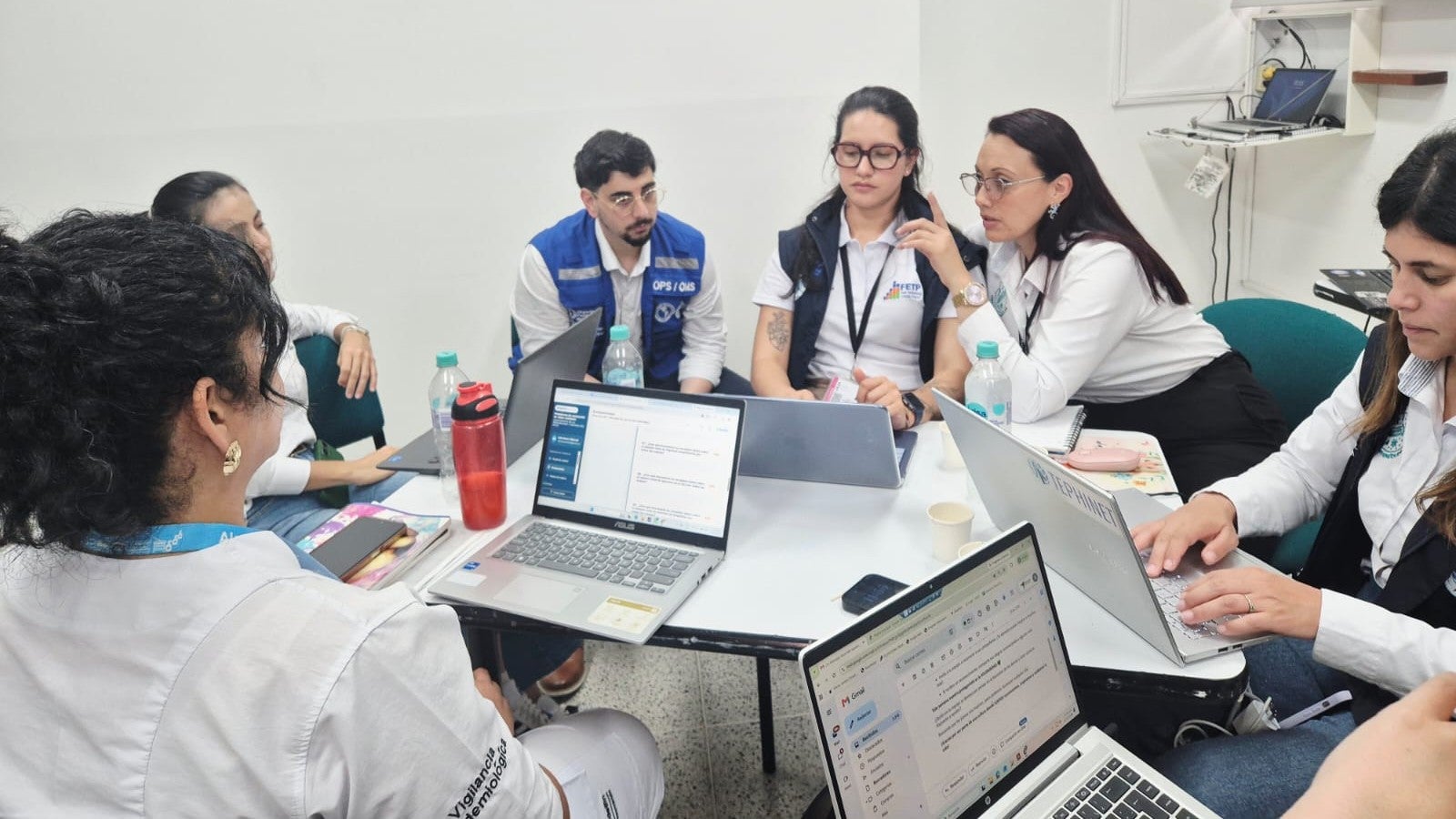
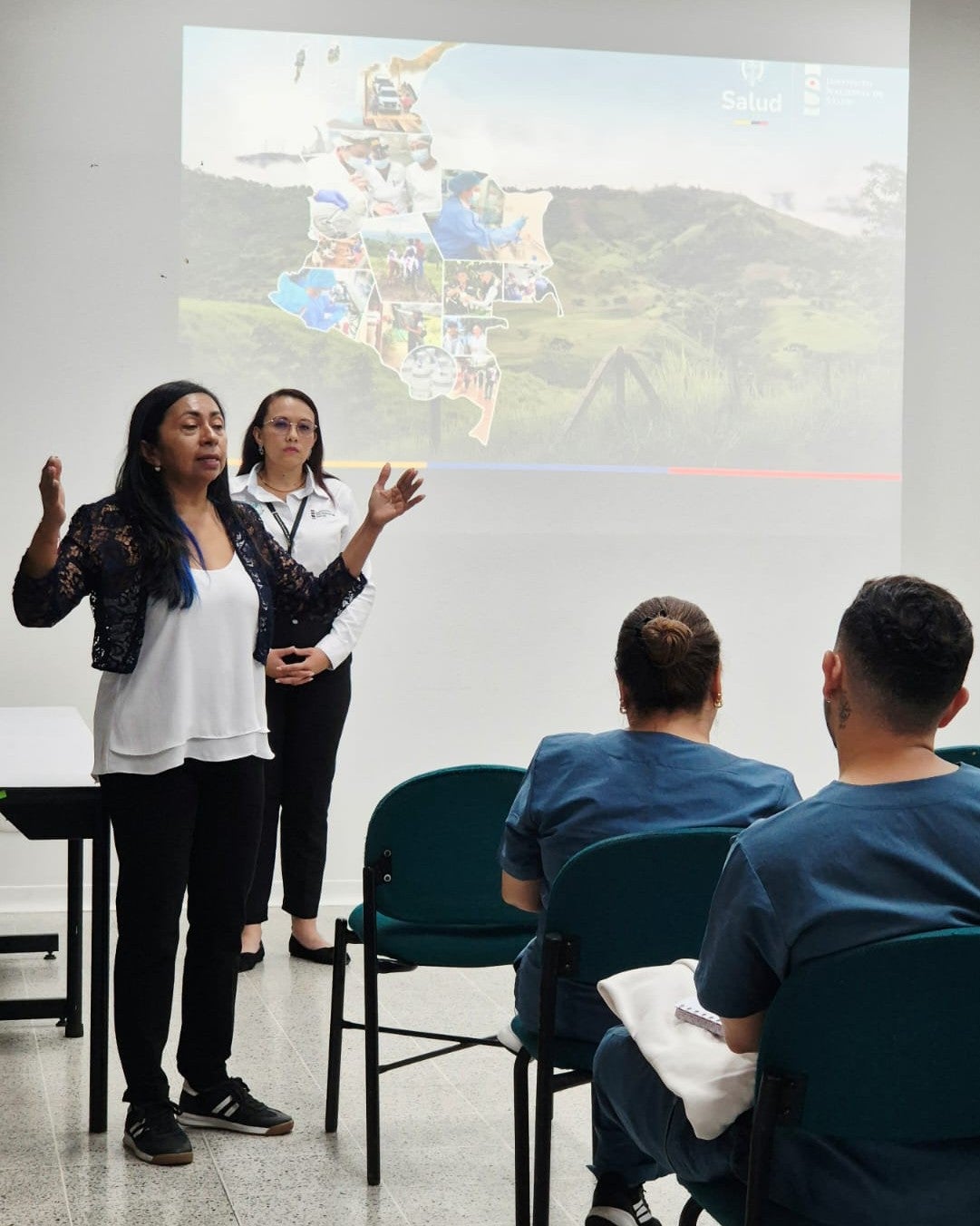
The mission combined training with the use of the platform during an actual site evaluation. Epidemiological surveillance and laboratory professionals from the INS, the Antioquia Departmental Secretariat on Health and Social Protection, and the hospital participated in configuring users and roles; applying the tool during the site visit, including recording evidence and working offline; reviewing and approving the evaluation; viewing results and dashboards; and developing improvement plans.
The PAHO team documented the platform’s usability, acceptability, and functionality through standardized tests and surveys. The findings will serve as the basis for implementing the tool in other departmental and district health authorities throughout the country.
This initiative, which is part of the Pandemic Influenza Preparedness (PIP) Framework, helps strengthen surveillance and preparedness capacities against respiratory threats. The tool could be extended to other sentinel sites in the Region of the Americas.