Port of Spain , 27 November 2026 (PAHO) - When people see a Country Cooperation Strategy (CCS) signed, they often see the final milestone: the official ceremony, the signatures, and the agreement itself.
What they do not always see is the teamwork behind it.
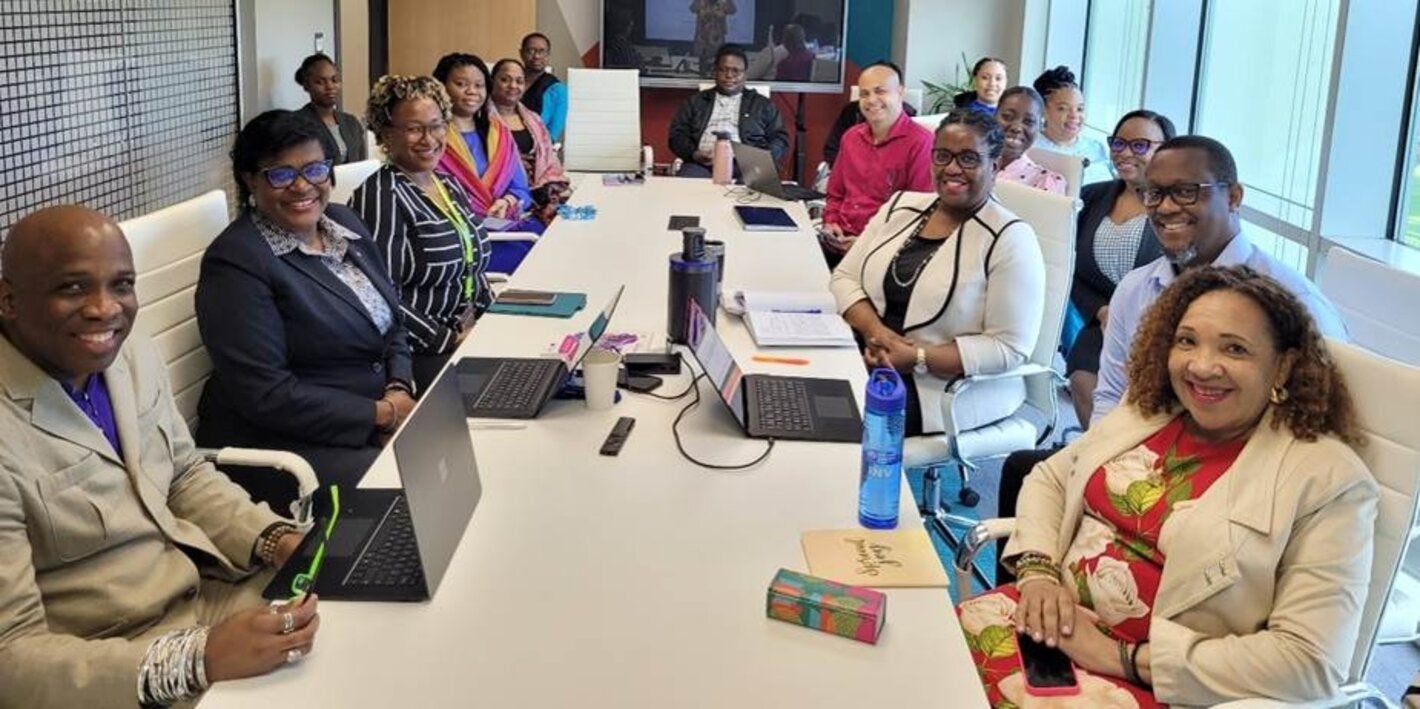
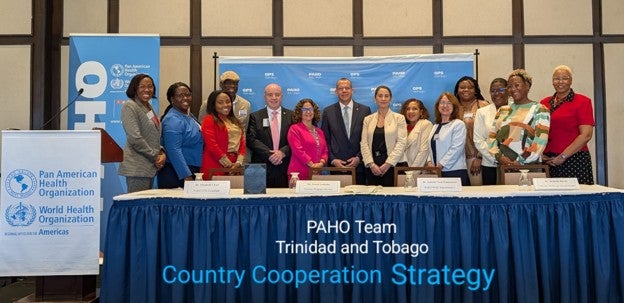
Over the past two years, the PAHO/WHO Trinidad and Tobago and Dutch Caribbean Country Office successfully supported the development and signing of four Country Cooperation Strategies across the subregion (Trinidad and Tobago, Aruba, Sint Maarten and Curaçao). This achievement reflects years of commitment, teamwork, and partnership-building across four countries. It demonstrates what can be achieved when people come together with a shared goal of supporting better health for the communities they serve.
The CCS process is one of PAHO's most important strategic planning exercises. It requires consultation with governments, health authorities, development partners, academia, civil society organizations, and technical experts to identify shared priorities and chart a path for PAHOs cooperation over the next five years. Across the four countries numerous stakeholders participated in consultation processes that required months of planning, preparation, and coordination.
But ask the country office team about the achievement, and they are unlikely to talk first about the documents. Instead, they talk about people. They talk about colleagues stepping in to help when workloads increased, staff taking on unfamiliar tasks when needed, and teams working across functions to ensure that every consultation, meeting, review, and milestone moved forward.
These achievements took place during a period of significant transition for the office. Staff retired, assumed new roles, took extended leave, or were unexpectedly absent due to illness. Yet the work continued.
“Our office always works closely together, but the CCS processes required an even greater level of coordination. From an administrative viewpoint this ranged from disseminating correspondence to booking travel, organizing consultation logistics, or in-person support for stakeholder meetings, team members were always willing to help. Seeing everyone rally around these processes was one of the most rewarding parts of the experience." said Tameika Le Platte, Administrative Team Lead.
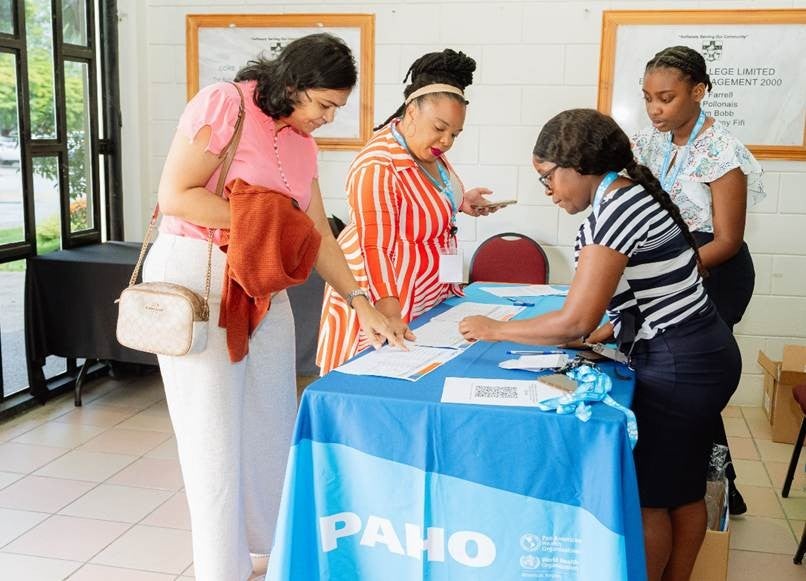
That collaborative spirit was evident throughout each stage of the CCS processes. Technical staff worked closely with ministries of health and national counterparts to identify priorities and align strategies with national development agendas. Administrative and support teams coordinated consultations and stakeholder engagement activities. Communications personnel supported the development and presentation of content, while leadership maintained high-level engagement with government officials and partners.
For Dr Ayanna Alexander, Technical Officer - Health Promotion, Life Course, and Determinants the experience demonstrated the value of a whole-of-office approach. “Developing a Country Cooperation Strategy is a huge undertaking. It involves multiple stages of consultation, analysis, drafting, review, and consensus-building among a wide range of stakeholders. What kept these processes moving forward was the support of the entire office and a shared understanding of the impact of these agreements on the people in the countries we serve. We recognized that the CCS is more than a document. It is a roadmap for future cooperation and improved health outcomes. That collective commitment made all the difference.”
The result is more than a set of agreements. The CCS provides a framework for collaboration between PAHO and Member States, helping to guide technical cooperation, strengthen health systems, and advance national health priorities. They also deepen relationships and create opportunities for continued partnership in the years ahead.
For PAHO/WHO Representative Dr. Gabriel Vivas Francesconi, the achievement reflects the character of the office as much as its technical capacity. "I am incredibly proud of our team," he said. "Completing four Country Cooperation Strategy processes across four countries and territories required dedication, adaptability, and an extraordinary commitment from every member of the office. Regardless of their role, staff consistently stepped forward when support was needed. This achievement belongs to the entire team and reflects what can be accomplished when people work together with a shared purpose."
Colleagues from PAHO Headquarters were also valued partners throughout this journey. In particular, the Office of Country and Subregional Coordination (CSC) provided ongoing guidance and support, helping to move each CCS from early consultations through to endorsement and signature. The Publications Team contributed to the production of the final documents, ensuring that the finished strategies reflected the high standards of the Organization.
The successful signing of the Sint Maarten and Curaçao Country Cooperation Strategies during the 63rd PAHO Directing Council provided a fitting conclusion to this multi-year effort. By signing the agreements on behalf of PAHO, Director Dr. Jarbas Barbosa reaffirmed the Organization's commitment to supporting Member States in addressing their health priorities and advancing sustainable development. His endorsement marked not only the completion of the strategies, but also the beginning of a new phase of cooperation guided by shared goals and a common vision for health.
For those involved, the experience will be remembered for more than the milestones achieved. It will be remembered as a story of relationships, resilience, and colleagues who continually stepped up for one another to ensure that commitments were met and partnerships strengthened.
While the signatures mark the conclusion of the first phase, the true achievement is the teamwork that made them possible and laid the foundation for successful implementation.