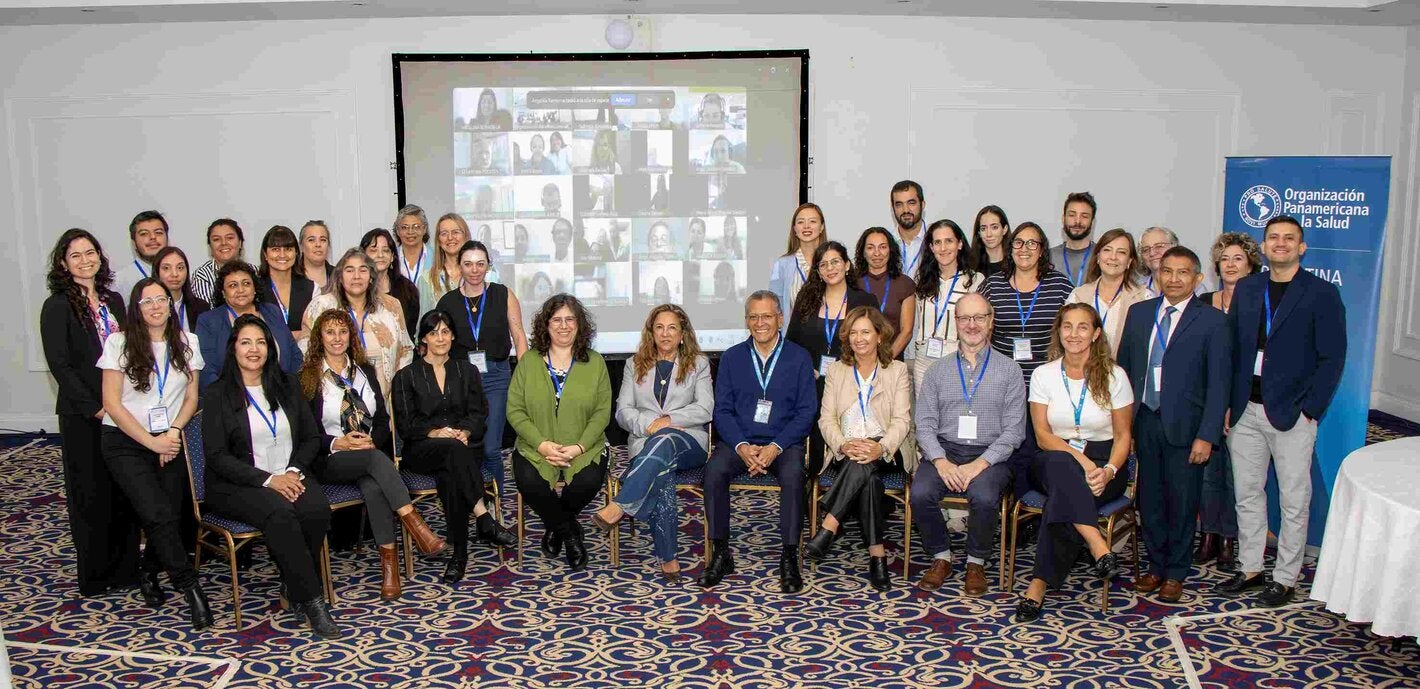
Buenos Aires, May 6, 2025 (PAHO). More than 120 experts in epidemiology, laboratory medicine, immunizations, statistics, health economics, and communications from across the country participated in the Comprehensive Workshop on Generating Evidence to Support Health Policies for the Prevention and Control of Acute Respiratory Infections in Argentina, organized by the Pan American Health Organization and the Ministry of Health of Argentina.
“This workshop is part of a broader strategic agenda aimed at strengthening the country’s capacity to anticipate, understand, and respond to the challenges posed by acute respiratory infections in an increasingly dynamic and complex context,” said PAHO Representative in Argentina Eva Jané Llopis regarding the event.
Diseases such as influenza, COVID-19, bronchiolitis, and pneumonia are a major cause of morbidity, hospitalization, and mortality worldwide, especially among high-risk groups. For example, it is estimated that each year between 5 and 10 percent of adults and between 20 and 30 percent of children are infected with influenza, resulting in three to five million cases of severe illness and approximately one million deaths worldwide.
“Today we know that simply having data is not enough, the challenge is to transform it into knowledge that guides timely and effective decisions,” the representative added.
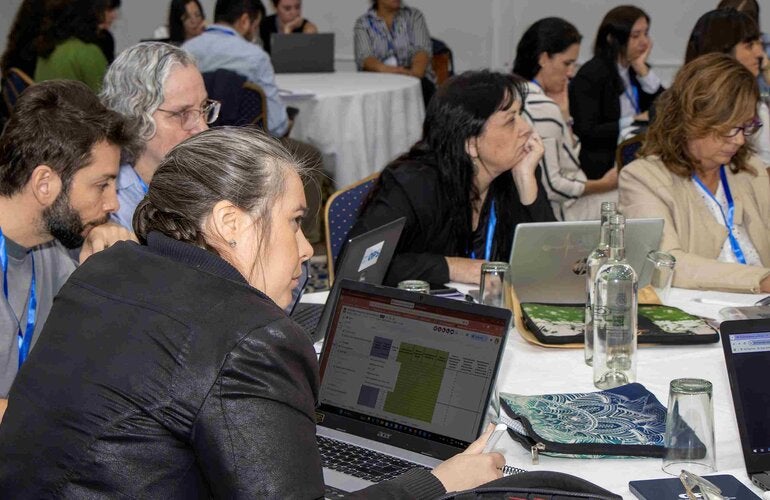
For his part, during the opening remarks, Wilmer Marquiño Quezada, Advisor on Communicable Diseases Prevention Control and Elimination, noted that the workshop is part of an ongoing process that included two online seminars held in March prior to this hybrid meeting with participants from across the country, which took place in April.
Technical teams from the national government and the provinces of Buenos Aires, Catamarca, Chaco, the Autonomous City of Buenos Aires, Mendoza, and San Juan participated in person, representing four of the country’s health regions. The event also featured presentations by PAHO’s regional leads on epidemiological surveillance, operational research, and immunizations.
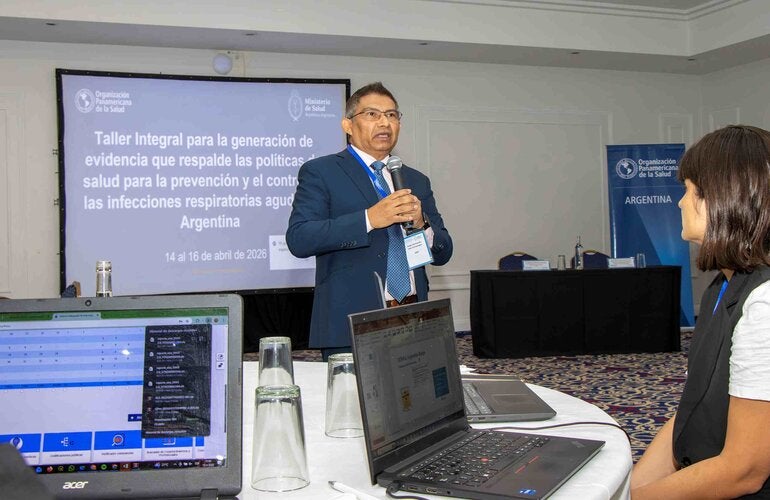
Through plenary sessions and exercises on the use of estimation tools, the workshop served as an intersectoral, interjurisdictional, and practical forum to strengthen the capacity of the 24 jurisdictions to generate evidence on influenza-associated hospitalizations and the impact of the vaccine on preventing severe forms of the disease, with the aim of guiding public policies and enhancing risk communication to the public.
“The importance of these estimates lies in their ability to describe variations in the influenza burden from one season to the next, identify the most affected populations and groups, and guide prevention and control measures” explained Wilmer Marquiño Quezada, advisor on Health Surveillance, Disease Prevention, and Control.
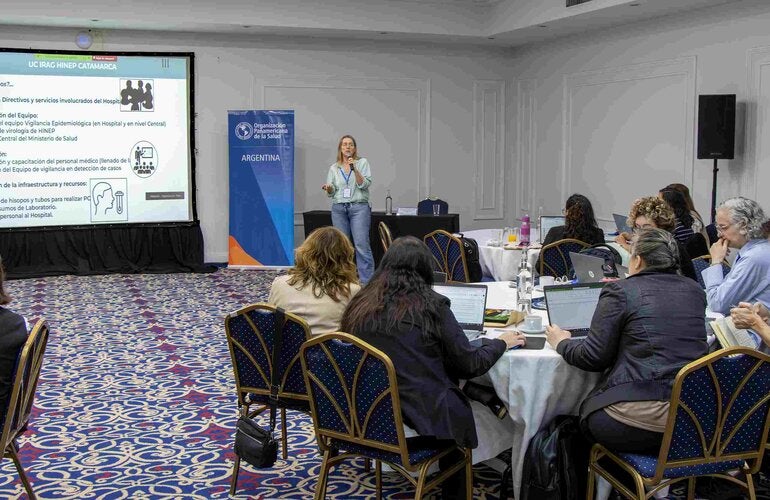
As a result of this hands-on activity, teams from each jurisdiction will have the skills to prepare a technical report containing the results of the annual estimate of the seasonal influenza burden and the impact of vaccination. The document will also address the risk communication activities needed to provide information about rumors, concerns, and myths that may affect demand for the flu vaccine.
The PAHO presentations were delivered by Jorge Jara, international consultant for the Special Program on Comprehensive Immunization; Nelson José Alvis Zakzuk, international consultant for the Department of Health Emergencies; Paula Couto, technical officer for surveillance of influenza and other respiratory viruses in the Department of Health Emergencies; and Tanya Escamilla, communications specialist in the Department of Health Emergencies.