Castries, Saint Lucia, 31 July 2026 (PAHO/WHO) - The Ministry of Health, Wellness and Nutrition officially launched Saint Lucia's National Cancer Registry, an important step toward strengthening cancer surveillance and ensuring that health policies, programmes and investments are informed by reliable national data
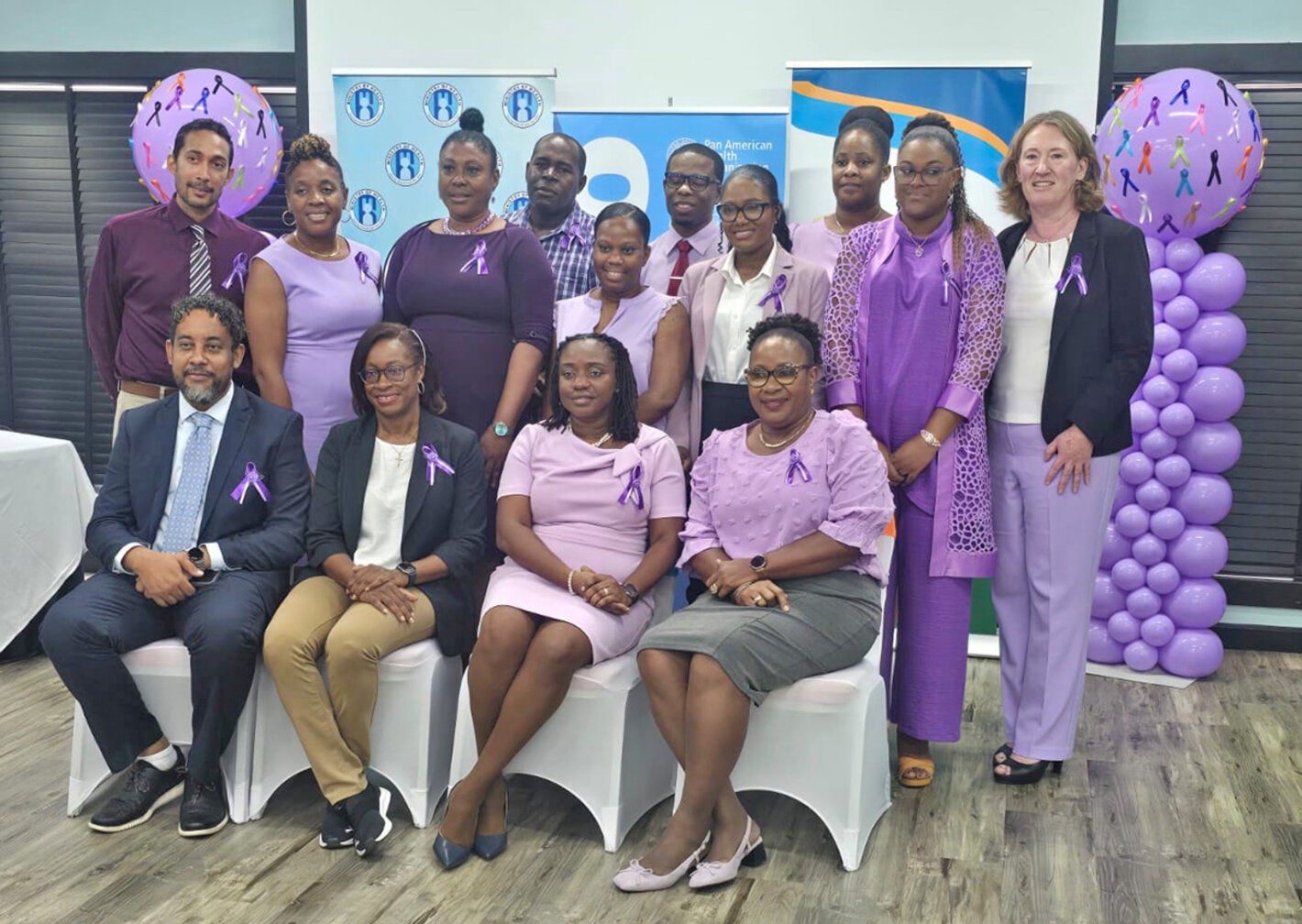
Held under the theme“Data for Action: Building a Stronger Response to Cancer," the launch brought together representatives from the Ministry of Health, healthcare institutions, regional partners, and development agencies, including the Pan American Health Organization/World Health Organization (PAHO/WHO), the Caribbean Public Health Agency (CARPHA), and the International Agency for Research on Cancer (IARC).
The National Cancer Registry will serve as a central system for the collection, analysis and reporting of cancer data, providing critical information on cancer incidence, distribution, trends and outcomes. The registry is expected to strengthen national planning, support more effective allocation of resources, and improve the monitoring and evaluation of cancer prevention and control programmes.
In her opening address, Dr. Michelle Francois, National Epidemiologist, emphasized the human impact behind the data being collected.
"Behind every statistic is a person, a family and a community. The Cancer Registry is about creating the evidence we need to improve care, strengthen prevention and ensure that our decisions are based on reliable information. Effective public health interventions depend on quality data."
Dr. Francois also reflected on the personal significance of the initiative, noting that cancer has touched many Saint Lucian families, including her own, reinforcing the importance of building a stronger evidence base to support action and improve outcomes.
The launch highlighted both the progress made and the challenges that remain in understanding the country's cancer burden. Chief Medical Officer Dr. Sharon Belmar-George noted that the Ministry has observed increasing cancer diagnoses among younger age groups and stressed the need for more comprehensive surveillance data to better understand emerging trends.
She further highlighted that while preliminary data suggested a 33% reduction in cancer incidence in 2025, the absence of a population-based cancer registry has limited the ability to determine the factors contributing to that change. A fully functioning registry will help address these gaps by generating reliable and timely data to guide policy, planning and investment decisions.
"Without a robust cancer registry, we cannot fully understand what is driving changes in cancer trends. The registry will provide the evidence needed to allocate resources strategically and effectively, ensuring that investments are directed where they can have the greatest impact."
The journey to establishing the registry was also recognized during the ceremony. Dr. Owen Gabriel, Oncologist, traced the history of cancer surveillance efforts in Saint Lucia and paid tribute to the many health professionals and advocates whose work over several decades laid the foundation for the achievement.
"Today's launch is the result of years of dedication, vision and persistence by individuals who understood the importance of cancer surveillance long before we reached this stage. We stand on the shoulders of those who championed this work and helped move the country closer to realizing a national cancer registry."
A key message throughout the event was the importance of translating data into action. Speaking on behalf of PAHO/WHO, Dr. Taraleen Malcolm, Advisor for Noncommunicable Diseases and Mental Health for Barbados and the Eastern Caribbean Countries, underscored the value of cancer registries as strategic public health tools.
"Countries across the Caribbean are facing increasing demands for cancer prevention, screening, diagnosis, treatment and palliative care. Yet many continue to make difficult decisions without adequate data. Cancer registries provide the evidence needed to understand not only how much cancer exists, but who is affected, where inequities exist, and whether our interventions are making a difference."
Dr. Malcolm reaffirmed PAHO's commitment to supporting Saint Lucia throughout the implementation and strengthening of the registry alongside regional and international partners. She noted that the information generated through the registry will support more informed decision-making and contribute to improved outcomes for patients and their families.
Addressing the gathering, Hon. Moses Jn Baptiste, Minister for Health, Wellness and Nutrition, highlighted the significant impact that cancer continues to have on individuals, families and communities across Saint Lucia.
"Quality data is the foundation of better health decisions and better health outcomes. This registry will help us understand trends, strengthen prevention efforts, support patient care and ensure that our response to cancer is guided by evidence."
The Minister also reaffirmed the Government's commitment to ensuring the sustainability of the registry and its integration within the broader health system. He emphasized ongoing efforts to strengthen partnerships with private healthcare providers and other stakeholders to create a more integrated and collaborative healthcare ecosystem.
Regional partners also pledged their continued support. CARPHA reaffirmed its commitment to accompanying Saint Lucia throughout the development and maturation of the registry, including efforts to strengthen technical capacity and ensure that registry data is translated into effective public health policy and action. The agency also committed to continued collaboration with PAHO and national stakeholders to support the registry's long-term success.
The launch of the National Cancer Registry represents a significant advancement in Saint Lucia's response to noncommunicable diseases. By strengthening the collection and use of high-quality cancer data, the country is laying the foundation for more effective prevention, earlier detection, improved treatment planning and better outcomes for people affected by cancer.
Through continued collaboration among the Ministry of Health, PAHO, CARPHA, IARC and healthcare providers across the public and private sectors, Saint Lucia is taking an important step towards a more data-driven and integrated approach to cancer control, ensuring that decisions made today contribute to healthier lives tomorrow.