
Annual report 2025
Barbados and the Eastern Caribbean Countries
Pan American Health Organization
Message from the PAHO/WHO Representative in Barbados and the Eastern Caribbean Countries
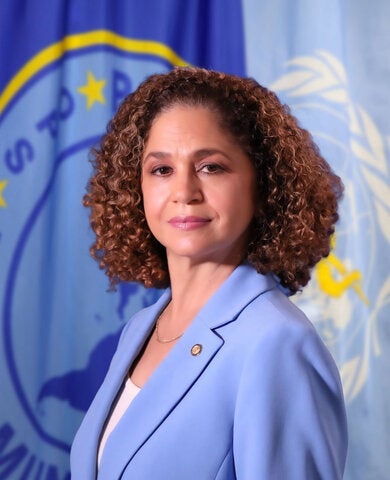
It is my privilege to present the 2025 Annual Report for Barbados and the Eastern Caribbean Countries, highlighting a year of meaningful progress, strengthened partnerships, and renewed commitment to advancing health for all. Our collective achievements reflect the dedication of governments, communities, regional and international partners, and, of course, our personnel.
PAHO’s technical cooperation strengthened resilient and equitable health systems and health security in Barbados and the Eastern Caribbean Countries through strategic policy advice, high-level advocacy, and targeted support. Key contributions included advancing governance through assessments of essential public health functions and new national plans, optimizing service delivery with service package delivery and implementation applications, and improving maternal, neonatal, and immunization services, including the introduction of new vaccines.
PAHO also drove major progress in mental health reform, climate-resilient health systems, gender-based violence response, and healthy aging, while expanding digital health, primary care, and access to health technologies. Collaboration, resource mobilization, and coordinated implementation of regional mandates supported stronger leadership across Member States.
The year featured major milestones: the launch of the Pandemic Fund initiative and the inauguration of the Carissa F. Etienne Emergency Operations Centre. Partnerships continued to accelerate innovation, preparedness, and system wide improvements throughout Barbados and the Eastern Caribbean Countries.
Amalia Del Riego
PAHO/WHO Representative in Barbados and the Eastern Caribbean Countries
JAN

FEB
FEB
APR
APR
JUN

JUN
SEP
SEP
DEC
CREATIVE PLAY INTRODUCED
Creative Play initiative introduced in a fourth Barbadian school, promoting child development, resilience, and healthier learning environments.
INNOVATION HUB LAUNCHED
Barbados Living Laboratory launched to accelerate public health innovation, data-driven solutions, and evidence-based approaches to strengthen health systems.
HEARTS SCALED UP
HEARTS initiative in Antigua and Barbuda, Grenada, and Saint Kitts and Nevis expanded to improve the systems of monitoring for hypertension, diabetes, and cardiovascular disease management through a HEARTS module.
EMERGENCY OPERATIONS CENTRE INAUGURATED
Opening of the Carissa F. Etienne Emergency Operations Centre, establishing a dedicated regional hub for real-time emergency coordination and enhanced multihazard response capacity.
NEW VACCINES INTRODUCED
Pneumococcal and rotavirus vaccines introduced in Grenada and Saint Vincent and the Grenadines, expanding protection for children and enhancing immunization programs.
CERVICAL CANCER INITIATIVE LAUNCHED
Cervical cancer elimination initiative and HPV screening program launched in Saint Vincent and the Grenadines, supporting earlier detection and treatment.
PANDEMIC FUND LAUNCHED
Landmark initiative to boost pandemic preparedness and response in the Eastern Caribbean officially launched.
MONTSERRAT HEALTH SYSTEM STRENGTHENED
Health system strengthening advanced through a focused technical cooperation package made possible in part by Montserrat’s national voluntary contributions to PAHO.
MULTICOUNTRY COOPERATION STRATEGY SIGNED
Finalization of the Multi-Country Cooperation Strategy 2026–2031 for Barbados and the Eastern Caribbean Countries, setting shared priorities and strengthening collaborative action.
COOPERATION AMONG COUNTRIES FOR HEALTH DEVELOPMENT
Completion of two projects to advance multicountry frameworks and increase collaboration with the OECS for the Disease Elimination and Better Care for NCDs initiatives.
Achievements in Barbados and the Eastern Caribbean Countries
Strengthened health governance and service delivery
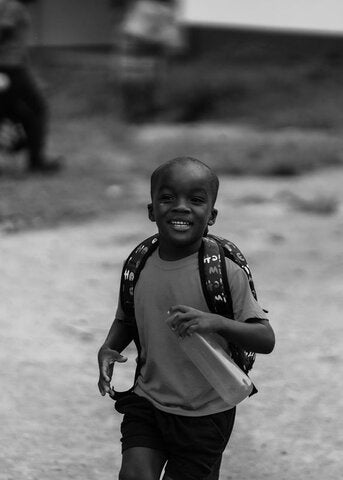
With PAHO technical cooperation, assessments of essential public health functions were completed in Antigua and Barbuda, Saint Kitts and Nevis, Saint Lucia, and Saint Vincent and the Grenadines, resulting in the development of new national strategic plans for health in Antigua and Barbuda, Saint Kitts and Nevis, and Saint Lucia, and a new national health policy in Saint Vincent and the Grenadines.
Capacity for health workforce governance was enhanced through PAHO-supported training in human resources for health planning and forecasting in six countries, and through the establishment of centralized electronic workforce databases in Grenada, Saint Kitts and Nevis, and Saint Vincent and the Grenadines to improve data-driven decision-making.
PAHO provided technical support for service delivery optimization through the application of the WHO’s Service Package Delivery & Implementation tool in Barbados, Grenada, and Montserrat, enabling countries to map care delivery platforms, identify service gaps and redundancies, and strengthen strategic purchasing decisions, particularly in relation to overseas care. Additionally, health workers in Barbados and Saint Vincent and the Grenadines received training and communication materials to support breastfeeding and Baby-Friendly Hospital Initiative certification (planned for 2026). Through a perinatal health conference organized by Rotary International and World Pediatrics with the support of PAHO, more than 60 healthcare providers from Barbados and the Eastern Caribbean Countries benefited from exchanges of evidence and experiences to keep neonatal death and near misses as a priority in the health agenda in the region, where maternal mortality and fertility rates have declined.
Saint Lucia completed the comprehensive prospective costing of its Expanded Program on Immunization, which will support decision-making and financing for immunization with real-vision projections; a first in the Region of the Americas with PAHO support.
Regulatory and supply chain capacities strengthened
Country and subregional capabilities were enhanced to improve regulatory oversight, supply chain resilience, and access to safe, effective, and quality medicines and health technologies. PAHO and the Organisation of Eastern Caribbean States – Pool Procurement Services deepened collaboration with chief medical officers and chief pharmacists, resulting in increased use of PAHO’s Revolving Funds and improved pooled procurement and supply chain coordination. High-level engagement with ministers of health led to the establishment of a new working group to advance innovative approaches for deeper regulatory and procurement alignment.
At the country level, Barbados received PAHO technical support and legislative guidance toward establishing the Barbados Drug Regulatory Authority, significantly improving national medicines governance. An ecosystem assessment for pharmaceutical production with PAHO support was also completed, providing critical insights into future local manufacturing investments. In Dominica, the Medicines Authority received recommendations to reinforce the national pharmaceutical supply chain and strengthen the medical oxygen system at the Dominica–China Friendship Hospital.
Mental health governance and integrated service delivery boosted
PAHO collaborated with Member States and key stakeholders to advance mental health reform and integration across the Eastern Caribbean Countries. Countries strengthened governance frameworks and service capacity to better incorporate mental health into primary care.
With direct technical support provided by PAHO, multiple Member States completed key policy outputs, including mental health bills completed in Antigua and Barbuda, and Barbados, and drafting instructions for new bills in Grenada, Saint Kitts and Nevis, Saint Lucia, and Saint Vincent and the Grenadines, enabling progress toward rights-based, community-oriented mental health systems.
PAHO supported capacity-building for service delivery through Mental Health Gap Action Programme training, quality rights implementation, and school-based mental health literacy initiatives. Barbados, the British Virgin Islands, Dominica, and Saint Lucia reported completed or on-track workforce strengthening actions, directly contributing to improved quality and coverage of mental health services by equipping primary care providers with standardized skills and tools.
Communication strategies, youth engagement, and suicide prevention efforts, were notably advanced in Antigua and Barbuda, Barbados, Grenada, and Dominica, with PAHO technical cooperation. These actions support prevention, early identification, and more responsive mental health services.
Improved action on social and environmental determinants of health

PAHO collaborated with countries to undertake key initiatives to bolster climate-resilient and equitable health systems, with health national adaptation plans in Barbados and Saint Vincent and the Grenadines, and conducted environmental assessments in Antigua and Barbuda, Dominica, Grenada, Saint Lucia, and Saint Vincent and the Grenadines. These assessments enabled evidence-based planning for resilient infrastructure and service delivery, supported further by island-specific air quality and building assessments that produced actionable recommendations.
Progress on the social determinants of health was accelerated through expanded gender-based violence prevention and response capacity in Anguilla, the British Virgin Islands, Dominica, Grenada, Montserrat, and Saint Lucia. With PAHO support, achievements included validated clinical protocols, enhanced provider training, and national awareness initiatives.
Healthy aging also advanced as Anguilla, Antigua and Barbuda, the British Virgin Islands, Dominica, Saint Kitts and Nevis, and Saint Lucia implemented new measures to promote supportive environments for older adults. Notably, Nevis joined the WHO Global Network for Age-friendly Cities and Communities, marking a significant step toward strengthening inclusive, age-responsive community structures. With PAHO’s direct technical support, equity and health promotion frameworks were also reinforced through completed equity gap analysis for all the Eastern Caribbean Countries and the approval of Saint Vincent and the Grenadines’ national health and wellness policy, and the steady progress in the development of a national wellness policy for Barbados.
Collectively, these achievements position ECC Member States to more effectively address vulnerabilities, reduce inequities,and scale multisectoral action in the 2026–2027 biennium.
Strengthened national capacities for noncommunicable-disease (NCD) prevention, governance, and service delivery
Countries advanced policy development, risk-factor reduction strategies, and integrated NCD care through targeted PAHO technical support. Antigua and Barbuda, Grenada, Saint Kitts and Nevis, and Saint Lucia completed or updated their national NCD plans, reinforcing governance structures and establishing stronger policy frameworks to guide population-level prevention and primary health care integration.
Barbados progressed key fiscal and regulatory measures, including modeling for sugar-sweetened beverage taxation, sodium-reduction policy development, and implementation of trans-fat legislation. With PAHO’s direct technical cooperation, Antigua and Barbuda, and Saint Vincent and the Grenadines advanced cervical cancer elimination efforts, strengthening human papillomavirus vaccines and expanding screening and treatment services.
PAHO supported the Better Care for NCDs agenda through innovative, interprogrammatic, and health systems strengthening approaches across the Eastern Caribbean. Anguilla, Antigua and Barbuda, Grenada, and Saint Lucia scaled up HEARTS implementation, and enhanced standardized hypertension and diabetes management while expanding digital NCD surveillance through the District Health Information System (DHIS2). Collaboration was strengthened with civil society organizations (CSOs) in advancing Better Care for NCDs. Efforts included mapping advocacy activities and building the capacity of nongovernmental organizations (NGOs) and CSOs to enhance community-level advocacy for improved NCD prevention and care, with the participation of faith-based organizations, gender equality groups, cultural organizations, and professional associations. A comprehensive directory of NGOs and CSOs was completed to facilitate improved collaboration between ministries of health and civil society partners.
Community-level prevention efforts were strengthened in Barbados, Saint Kitts and Nevis, and Saint Vincent and the Grenadines through wellness initiatives, adolescent health actions, and health promotion policies. Cancer registries were launched in Grenada and further strengthened in Dominica, enhancing monitoring, accountability, and data-driven planning.
Enhanced country capacity, political engagement, and advocacy to advance the Disease Elimination Initiative
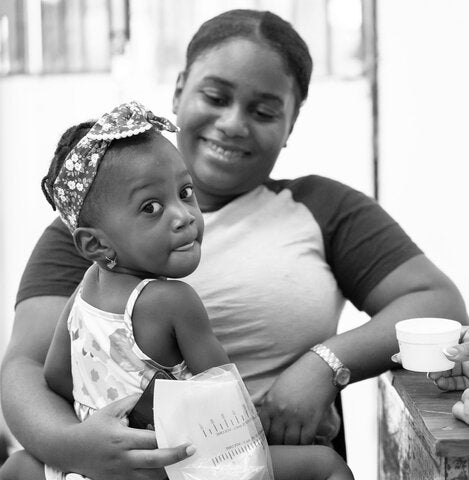
PAHO supported countries to strengthen surveillance and advocacy efforts, with Antigua and Barbuda, Barbados, Saint Kitts and Nevis, and Saint Lucia implementing integrated surveillance actions, adapting elimination materials for small island contexts, and conducting technical webinars to strengthen national awareness and readiness.
With PAHO’s technical support, Barbados finalized its Elimination of Mother-to-Child Transmission dossier and completed validation activities.
Laboratory and vector control capacities were also reinforced, with 303 persons trained across Barbados, Dominica, Grenada, Saint Kitts and Nevis, and Saint Lucia in molecular detection, digital entomological surveillance, and deployment of DHIS2 investigation modules, leading to stronger early detection and rapid response capabilities, with PAHO support.
Antigua and Barbuda, Grenada, and Saint Lucia advanced targeted elimination efforts for rabies, schistosomiasis, and leprosy through specialized field missions conducted by PAHO.
In the wider Guiana Shield, with PAHO’s support, the French Departments in the Americas strengthened malaria elimination initiatives through sustained virtual coordination, joint planning, and cross-border collaboration with Brazil and Suriname supporting efforts to address persistent transmission corridors.
PAHO trained 148 health workers from the British Virgin Islands, Saint Kitts and Nevis, and Saint Vincent and the Grenadines in the Expanded Program on Immunization, surveillance of events supposedly attributable to vaccines and immunization, and vaccine preventable diseases. These capacity-building exercises supported the countries to sustain their elimination of main vaccine preventable diseases and strengthened primary health care. With PAHO’s support, Saint Vincent and the Grenadines became the first Eastern Caribbean country to implement the microplanning tool for vaccination with training in leveraging the planning and monitoring strategies to reach undervaccinated or unvaccinated children.
PAHO supported the development of Barbados’ national Risk Communication and Community Engagement Immunization Strategic Plan (2025–2030) for the Expanded Program on Immunization with budget.
Strengthened emergency preparedness and response capacities
Countries significantly enhanced their ability to manage multihazard emergencies through expanded workforce training, upgraded surveillance systems, and improved coordination mechanisms through direct support from PAHO.
Antigua and Barbuda, the British Virgin Islands, Dominica, Saint Kitts and Nevis, and Saint Lucia completed key trainings in mass casualty management, emergency care and treatment, incident command systems, strategic tools for assessing risks, and health emergency operation centers, boosting national readiness to activate and manage emergency responses. Grenada and Saint Vincent and the Grenadines advanced multihazard plan updates and completed after-action reviews, incorporating lessons from Hurricane Beryl.
PAHO provided direct technical support to strengthen surveillance and laboratory readiness across Barbados, Dominica, Grenada, Saint Kitts and Nevis, and Saint Lucia, with countries adopting digital syndromic and event-based surveillance, deploying DHIS2 modules, and expanding molecular detection and antimicrobial-resistance testing capabilities, leading to strengthened early warning and diagnostic functions.
A major milestone was the inauguration of the Carissa F. Etienne Emergency Operations Centre (EOC) at the PAHO/WHO Barbados Office, establishing a dedicated hub for real-time emergency coordination. In parallel, the ECC country office updated and tested its emergency response plan and developed EOC standard operating procedures, further strengthening multicountry readiness through simulation exercises and coordination under the Pandemic Fund.
Stories from the field
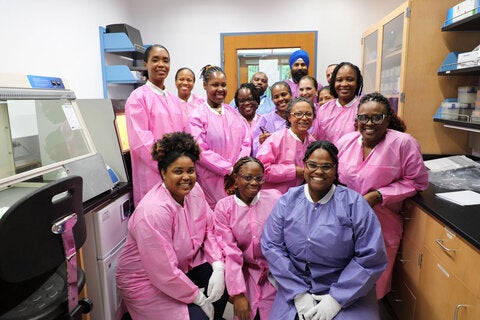
Strengthening Eastern Caribbean laboratories through unity and investment
Public health laboratories across the Eastern Caribbean are working to enhance their capacity to detect and respond to emerging diseases, yet persistent challenges remain.
In Dominica, Acting Laboratory Superintendent Eric Carbon and, in Antigua and Barbuda, Laboratory Services and Quality Manager Barbara Joseph highlight shortages of trained personnel, delays in sample collection, and periodic gaps in essential reagents and materials. These barriers often slow outbreak investigations, even when the laboratories are technically equipped to respond.
Support from the Pandemic Fund project for the Eastern Caribbean offers critical momentum: strategic workforce planning, stronger hospital partner departments, and mentorship to advance long-term laboratory accreditation goals. Reflecting on this shared vision, Barbara Joseph noted, “The lab must have partners in order to be successful … no country will be left behind as we march forward to improve health care together.”
A nurse’s journey with breastfeeding
When midwife Resa Eustace from Saint Vincent and the Grenadines held her newborn son, she expected breastfeeding to be easy. Instead, slow milk flow and poor latching left her overwhelmed and concerned as her baby’s blood sugar dropped. What should have been a joyful beginning became a moment of doubt. “I thought it would be simple,” she recalls.
Breastfeeding offers lifelong benefits – strong immunity, reduced obesity and NCD risks, and protection for mothers’ health. Ensuring families receive this support is central to PAHO’s work across the Caribbean.
Through the Baby-Friendly Hospital Initiative, PAHO helps countries strengthen breastfeeding practices by training healthcare workers, supporting community peer networks, and guiding hospitals toward certification. Successes in Antigua and Barbuda, Grenada, and Saint Kitts and Nevis show the impact of this collaboration, while Barbados and Saint Vincent and the Grenadines prepare for re-certification.
Resa’s journey reflects the importance of PAHO’s continued efforts to ensure every mother and baby begins life with confidence, support, and the best possible start.
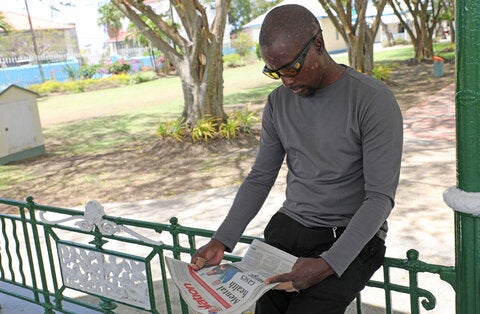
Transforming access to mental health care in Barbados
Shawn Addison first noticed his mental health struggles as a teenager, finding it difficult to focus and often withdrawing from social interactions. By his early thirties, these challenges had intensified, making daily life overwhelming. At the urging of a friend, he visited his nearest polyclinic, where an assessment led to a diagnosis of bipolar disorder.
Though hesitant at first, he began treatment and therapy, which helped him regain stability. Twelve years later, Shawn continues to receive ongoing care, medication, and support at his local polyclinic, praising the program for its accessibility and compassionate staff.
His experience reflects the transformation of mental health care in Barbados. With strong leadership from the government and technical support from PAHO, mental health services have been integrated into all polyclinics, ensuring community-based, stigma-free care. This reform comes at a crucial time, as the country faces rising mental health needs, and marks an important step toward universal health.
- Barbados Childhood Obesity Prevention Coalition. Supported school nutrition policy, front-of-package labeling advocacy, and public education campaigns.
- Barbados Defence Force. Strengthened emergency response readiness, including strategies for building mental health resilience.
- Bloomberg Family Foundation. Funded the digital transformation of vital statistics across countries.
- Caribbean Med Labs Foundation. Collaborated to advance public health laboratory legislation and regulation under the Pandemic Fund project.
- Caribbean Public Health Agency. Collaborated on disease surveillance, including antimicrobial resistance and Fleming Fund and Pandemic Fund projects.
- Equals Barbados. Collaborated to improve LGBTQ health outcomes through consultations and public engagement.
- European Union. Funded Universal Health Coverage Partnership project in Barbados, completion of Health National Adaptation Plan for Barbados and Saint Vincent and the Grenadines, and indoor air quality and environmental health assessments.
- Fleming Fund. Supported antimicrobial resistance project.
- Food and Agriculture Organization of the United Nations. Jointly implementing the Pandemic Fund project and collaborating on One Health.
- Gavi, the Vaccine Alliance. Funded introduction of new vaccines in Grenada and Saint Vincent and the Grenadines, including technical support.
- Global Affairs Canada. Provided immunization grant funding.
- Green Climate Fund. Funded climate change country profile and vulnerability adaptation assessment for Saint Kitts and Nevis.
- Healthy Caribbean Coalition. Collaborated on NCD and public health initiatives, supported advocacy, civil society engagement, policy dialogue, and civil society organization capacity-building.
- Heart and Stroke Foundation of Barbados. Collaborated on cardiovascular disease prevention through community education, advocacy, and screening activities.
- Let’s Unpack It. Advanced youth mental health through advocacy, awareness-raising, and public education.
- Organisation of Eastern Caribbean States. Collaborated on the Health Policy Forum, Council of Health Ministers, Organisation of Eastern Caribbean States – Pool Procurement Services Board, and two Cooperation Among Countries for Health Development projects.
- Pandemic Fund. Funded Pandemic Fund project for the Eastern Caribbean.
- Regional Coordinating Mechanism. Collaborated under the Pandemic Fund project for equity analysis among key populations.
- Resolve to Save Lives. HEARTS in the Americas funding.
- Ross University School of Medicine. Partner for Pandemic Fund training, and memorandum of understanding on capacity-strengthening, advocacy, research, and service for health.
- UN Office for Barbados and the Eastern Caribbean. Collaborated on the development, implementation, monitoring, and reporting for the Multi-Country Sustainable Development Cooperation Framework.
- UN Women. Advanced gender-responsive health programming and United Nations staff wellness initiatives.
- UNICEF. Collaborated on introduction of new vaccines, risk communication and community engagement, and youth mental health.
- Unitaid. Introduction of human papillomavirus testing in Grenada, Saint Lucia, and Saint Vincent and the Grenadines.
- United Nations Development Programme. Supported the Grenada Climate Promise 2.0.
- United Nations Population Fund. Collaboration in capacity-building of community health workers in sexual reproductive health and development of adolescent health standards.
- U.S. Centers for Disease Control and Prevention. Funding for immunization, influenza, and arbovirus surveillance, and tobacco use surveys.
- World Bank. Joint implementing entity of the Pandemic Fund project, and ensuring synergies with Organisation of Eastern Caribbean States’ Regional Health Project.

Making health
a commitment for all
2025 Country Annual Reports
of the Pan American Health Organization