
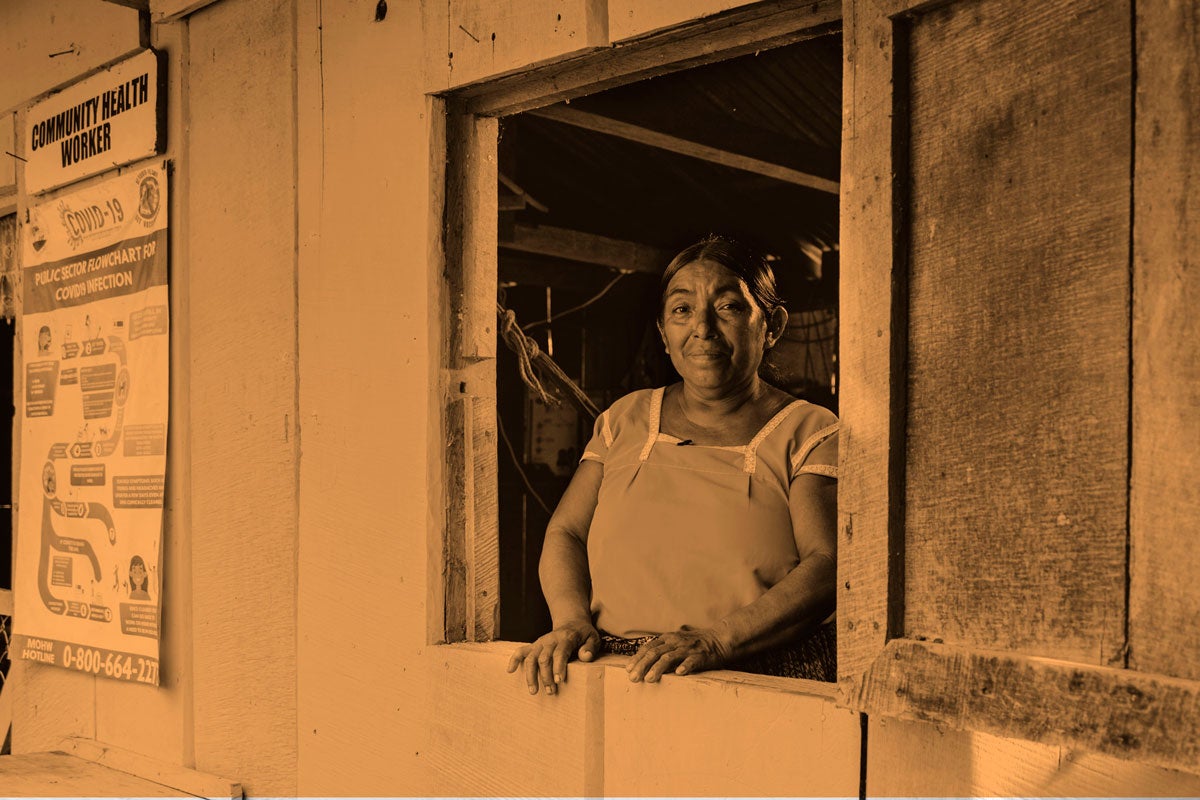
PAHO: CATALYST FOR HEALTH IN THE AMERICAS
120 years of history
PAHO was the first multilateral health agency. Established in 1902, its founding objective was to respond to disease threats associated with increasing trade among countries in the Americas.
Preferred partner
PAHO’s position as a respected technical authority, along with its strong, long-standing relationships with Ministries of Health, makes it a highly valued partner in the Region.
Honest broker for health
We strive to build consensus around issues that are common to countries in the Region to prioritize health in a politically heterogenous and epidemiologically complex context.
Technical excellence
World-class technical expertise, data aggregation, and analytical capacity make PAHO a highly respected technical authority and information source for countries and partners.
Country focus
With the most extensive country presence of any WHO Region, we are committed to country-centered technical cooperation, tailored to unique needs and contexts.
Effective implementation
PAHO has an impressive track record of successes in disease elimination, healthcare coverage and emergency response that demonstrate its capacity to implement efficiently and effectively.
120 years of history
PAHO was the first multilateral health agency. Established in 1902, its founding objective was to respond to disease threats associated with increasing trade among countries in the Americas.
Technical excellence
World-class technical expertise, data aggregation, and analytical capacity make PAHO a highly respected technical authority and information source for countries and partners.
Preferred partner
PAHO’s position as a respected technical authority, along with its strong, long-standing relationships with Ministries of Health, makes it a highly valued partner in the Region.
Country focus
With the most extensive country presence of any WHO Region, we are committed to country-centered technical cooperation, tailored to unique needs and contexts.
Honest broker for health
We strive to build consensus around issues that are common to countries in the Region to prioritize health in a politically heterogenous and epidemiologically complex context.
Effective implementation
PAHO has an impressive track record of successes in disease elimination, healthcare coverage and emergency response that demonstrate its capacity to implement efficiently and effectively.
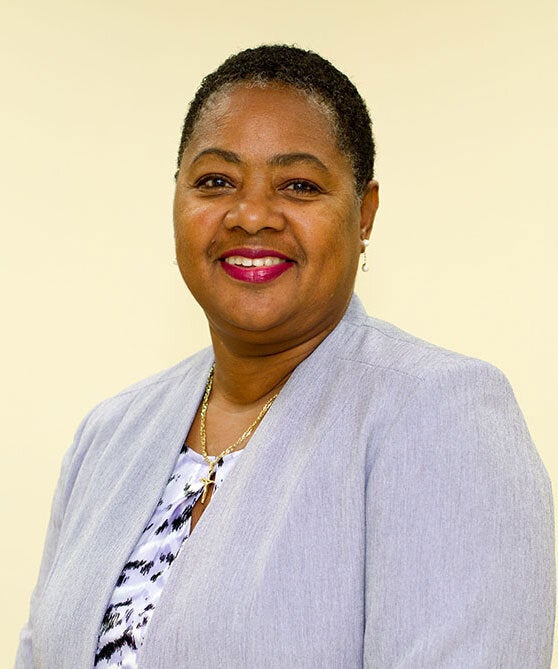
Message from the PAHO/WHO Representative in Belize
In 2024 the PAHO/WHO country presence in Belize was strengthened with the appointment of three technical advisers. With a full cadre of technical advisers, which increased capacity for accelerating technical cooperation and the implementation of the Country Cooperation Strategy 2023–2027 through strong collaboration with the Ministry of Health and Wellness and other partners.
HEARTS was rolled out to the entire country, with 450 primary care providers trained and hypertension management supported with the purchase of 18 clinically validated blood-pressure measuring devices. Belize maintained its malaria-free status, and diagnostic capacity was boosted through the retraining of five malaria microscopists. The national action plan on antimicrobial resistance was completed and costed.
The Belize Health Sector Strategic Plan 2025–2034 was developed. This new plan has a solid monitoring and evaluation component with defined indicators. The Human Resources for Health Policy and National Strategy 2025–2029 was also drafted and is being finalized by the Ministry of Health and Wellness. Efforts continued with advancing implementation of the European Union-funded Health Sector Support Programme in Belize, with continued retrofitting of health facilities and the completion and handover of the Corozal Community Hospital.
Much was accomplished in 2024, and we stand ready for even more achievements in 2025.
Karen Lewis-Bell
PAHO/WHO Representative in Belize
Highlights in 2024
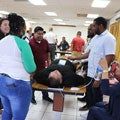
MAR
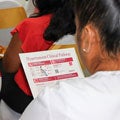
JUL
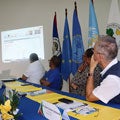
SEP
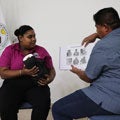
OCT
NOV
NOV
BASIC CRITICAL CARE COURSE
Strengthening emergency response and critical care capacity in Belize.
HEARTS INITIATIVE ROLLOUT
Improving noncommunicable disease management through primary health care.
CLINICAL DATA EXCHANGE PLATFORM
Facilitating the interoperability of health information and incorporating the cancer registry and ICD-11.
BREASTFEEDING POLICY
Boosting exclusive breastfeeding rates and maintaining breastfeeding throughout the second year.
HEALTH SECTOR STRATEGIC PLAN
Technical support for finalizing the Belize Health Sector Strategic Plan 2025–2034.
ANTIMICROBIAL RESISTANCE
Strengthening the national response to antimicrobial resistance through a collaborative action plan.
Achievements in Belize
- Basic critical care course. This course was conducted as a pilot to strengthen critical care capacity. Twenty-five medical doctors and nurses, with no prior specialization in emergency care, were trained to stabilize critical patients before referral to Belize’s tertiary hospital. Participants from the four health regions gained essential skills to improve emergency response and patient outcomes, particularly in regions with limited resources. Over 50 stakeholders from different ministries, nongovernmental organizations, and the private sector were also engaged.
- HEARTS rollout. Belize made significant strides in tackling noncommunicable diseases (NCDs) through the rollout of the HEARTS initiative in primary care settings. Some 209 community health workers and 450 primary healthcare providers across all six districts were trained, thereby enhancing their capacity in community management of NCDs. Clinical pathways for hypertension and diabetes were developed, complemented by the procurement of 18 clinically validated blood-pressure measuring devices. Other efforts included implementing the HEARTS-D module for type 2 diabetes and promoting nutrition protocols, healthy lifestyle counseling, and self-care management to improve health outcomes for individuals with NCDs.
- Clinical Data Exchange Platform. As part of the European Union-funded Health Sector Support Programme, the platform was launched to strengthen the country’s health system and expand access to health information. This digital health platform enabled the interoperability of health information from various stakeholders, facilitating coordination in healthcare delivery. By integrating data across systems and including the cancer registry and ICD-11, the platform also provides insights into the country’s epidemiological and disease profile.
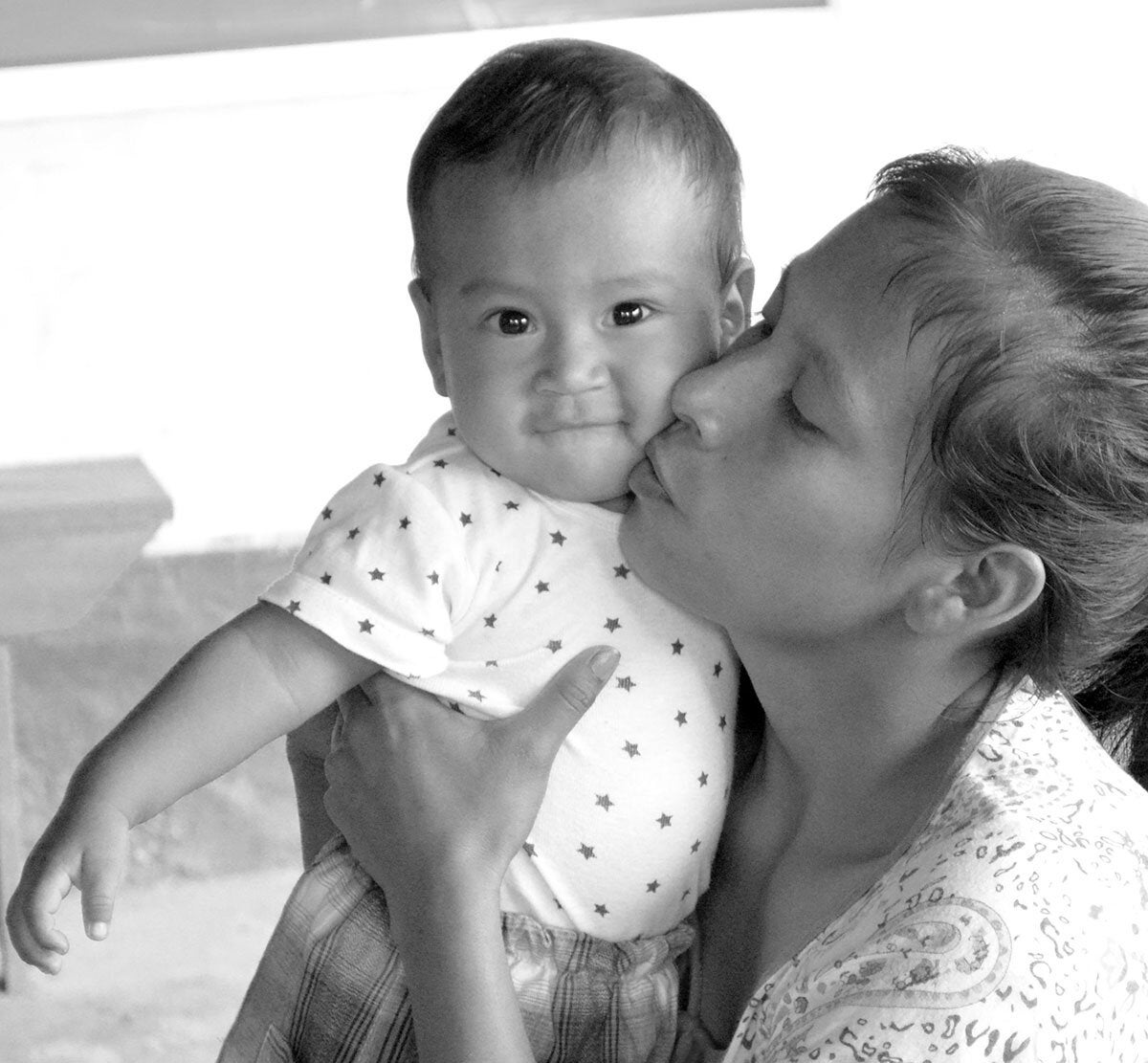
- Breastfeeding policy and infant and young child feeding guidelines. Implementation of the National Breastfeeding Policy helped to promote exclusive breastfeeding practices and improve child nutrition. In addition, an infant and young child feeding counseling tool was developed, and over 300 primary care personnel trained in its use. These efforts helped improve maternal and child nutritional practices across the country, ensuring better health outcomes for mothers and children.
Belize advanced health equity and resilience through a strategic transformation of health systems and workforce development.
- Health Sector Strategic Plan for equity and health system resilience. Belize advanced health equity and resilience through a strategic transformation of health systems and workforce development. A monitoring and evaluation framework and the essential public health functions guided the development of the Belize Health Sector Strategic Plan 2025–2034. This strengthens the country’s capacity to ensure equitable, high-quality health services for all Belizeans, particularly populations living in conditions of vulnerability, and positions the country as a leader in health sector reform.
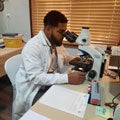
- Malaria-free status. As part of the ongoing commitment to sustaining malaria elimination, a key achievement was the successful completion of a national competency assessment course by five malaria microscopists, carried out in accordance with international standards. This milestone highlights the country’s dedication to ensuring high-quality diagnostics and strengthening technical capacity across the health system. Supported by the continued implementation of the national malaria elimination plan and strengthened through regional collaboration, these efforts have further reinforced the national surveillance system and positioned the country as a strong example of sustainable postcertification malaria elimination.
- Antimicrobial resistance. Significant progress was made in advancing the national response to antimicrobial resistance (AMR) with the launch of the costed AMR national action plan. This milestone reflects a strong commitment to coordinated, multisectoral collaboration and the promotion of responsible antimicrobial use under the One Health approach. In alignment with World AMR Awareness Week, the initiative was further strengthened through national health fairs and dynamic community outreach events, which successfully engaged the public, raised awareness, and encouraged preventive practices.
Stories from the field
Saving lives and saving costs
After years of limited services, the Punta Gorda Community Hospital has been transformed through the European Union-funded Health Sector Support project. A once nonfunctional surgery room is now fully retrofitted, which allowed the hospital to perform 60 elective surgeries in 2024 alone. Powered by a new 100 kW generator, plus solar panels and a new water heater, the hospital has cut costs and no longer needs to send surgical patients over two hours away to the regional hospital.
“Power shortages were a regular problem here,” says Dr. Jorge Sajia, Deputy Regional Health Manager, Southern Region. “Now we have a reliable energy backup system.”
Nursing Supervisor Darla Stain adds, “We used to treat patients in the corridor. Now, we can accommodate seven patients without any issue, even during emergencies.”
Creating healthy school environments
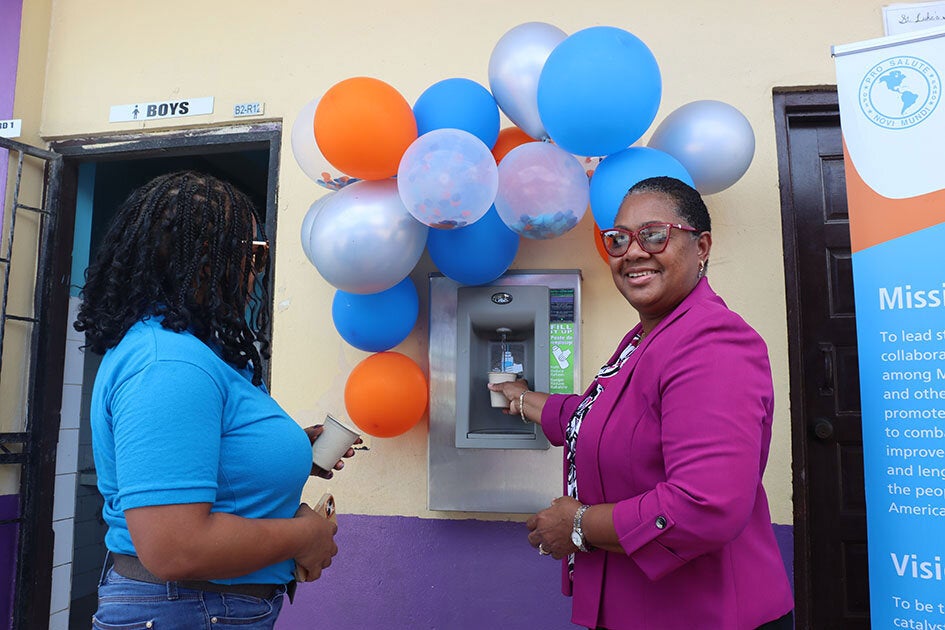
At St. Luke Methodist Primary School in Belize City, a new water fountain and water coolers have sparked a shift in the students’ daily life. “The cooler has encouraged more students to drink purified water regularly,” one teacher shares. Another adds, “As the days get hotter, the availability of cool drinking water becomes crucial. Thankfully, our students now have access when their bottles run dry.”
As part of the Hemispheric Program on Healthy Eating and Physical Activity Policies in School Environments in collaboration with the Ministry of Education and the Ministry of Health and Wellness, PAHO brought a water fountain, 30 water coolers, and educational posters to the school, which have helped students choose water over sugary drinks. Teachers say students are learning the importance of drinking water for a healthy life.
“I have witnessed firsthand that students have improved in staying hydrated as they have easy access to water. It not only promotes healthy habits, but the fountain acts as a small social hub where students chat while filling up their bottles and even show pride in getting their water from the fountain,” says Ms. Susette Dortch, Vice Principal of the school.
This success has inspired expansion, with the initiative now being rolled out to more schools across Belize.
Our partners
- Belize Agricultural Health Authority. Ongoing collaboration through the One Health initiative on surveillance and diagnostics to reduce risks to human, animal, plant, and environmental health.
- Belize Cancer Society. Partnered to host a men’s health forum on cancer awareness and mental health, and working together to address cancer.
- Belize Critical Care Society. A key partner in basic critical care
training and emergency response, especially for road traffic incidents. - Belize Palliative Care Hospice Association. Collaboration to improve access
to palliative care services. - European Union. Collaboration on the Health Sector Support Programme, focusing on disaster-resilient health infrastructure, health system strengthening, and enhanced health information systems.
- Health Education and Community Participation Bureau. Jointly implemented the Healthy Lifestyle Caravan, delivering healthcare services and education on noncommunicable diseases to remote communities.
- Instituto de Nutrición de Centro América y Panamá and UNICEF. Collaboration on the finalization, launch, and implementation of the National Breastfeeding Policy.
- Inter-American Development Bank. A growing partnership focused on sharing experiences and best practices for advancing health sector initiatives.
- Ministry of Agriculture, Food Security, and Enterprise. Through the One Health initiative, continuing to address disease control and health security via an integrated approach.
- Ministry of Economic Development – Second Road Safety Project Unit. Collaboration to promote national road safety initiatives.
- Ministry of Education, Science and Technology. Partnered on the Hemispheric Program on Healthy Eating and Physical Activity Policies in School Environments to encourage water consumption and reduce sugary beverage consumption.
- Ministry of Foreign Affairs and Foreign Trade. Key partner in implementing the Multi-Country Sustainable Development Cooperation Framework and coordinating disaster response as well as partnering on the EU-Health Sector Support Project.
- Ministry of Health and Wellness. Continuing to implement strategies to strengthen health systems, promote universal health coverage, and tackle priority health challenges.
- Ministry of Human Development, Families, and Indigenous Peoples’ Affairs. Supported capacity-building for frontline workers in responding to gender-based violence during emergencies.
- National Drug Abuse Control Council. Implemented the Global Youth Tobacco Survey.
- National Emergency Management Organization. Partnered in disaster preparedness and wildfire response.
- National Food and Nutrition Security Commission. Collaborated in developing Belize’s food systems pathway.
- United Nations. Support through a One-UN approach to disaster preparedness and response.
Thinking regionally,
acting locally
2024 Country Annual Reports
of the Pan American Health Organization