

Photograph: © iStock/nd3000
Annual report 2024
Dutch Caribbean Islands
(Aruba, Curaçao, Sint Maarten, Bonaire, Saba, and Sint Eustatius)
Pan American Health Organization
PAHO: CATALYST FOR HEALTH IN THE AMERICAS
120 years of history
PAHO was the first multilateral health agency. Established in 1902, its founding objective was to respond to disease threats associated with increasing trade among countries in the Americas.
Preferred partner
PAHO’s position as a respected technical authority, along with its strong, long-standing relationships with Ministries of Health, makes it a highly valued partner in the Region.
Honest broker for health
We strive to build consensus around issues that are common to countries in the Region to prioritize health in a politically heterogenous and epidemiologically complex context.
Technical excellence
World-class technical expertise, data aggregation, and analytical capacity make PAHO a highly respected technical authority and information source for countries and partners.
Country focus
With the most extensive country presence of any WHO Region, we are committed to country-centered technical cooperation, tailored to unique needs and contexts.
Effective implementation
PAHO has an impressive track record of successes in disease elimination, healthcare coverage and emergency response that demonstrate its capacity to implement efficiently and effectively.
120 years of history
PAHO was the first multilateral health agency. Established in 1902, its founding objective was to respond to disease threats associated with increasing trade among countries in the Americas.
Technical excellence
World-class technical expertise, data aggregation, and analytical capacity make PAHO a highly respected technical authority and information source for countries and partners.
Preferred partner
PAHO’s position as a respected technical authority, along with its strong, long-standing relationships with Ministries of Health, makes it a highly valued partner in the Region.
Country focus
With the most extensive country presence of any WHO Region, we are committed to country-centered technical cooperation, tailored to unique needs and contexts.
Honest broker for health
We strive to build consensus around issues that are common to countries in the Region to prioritize health in a politically heterogenous and epidemiologically complex context.
Effective implementation
PAHO has an impressive track record of successes in disease elimination, healthcare coverage and emergency response that demonstrate its capacity to implement efficiently and effectively.
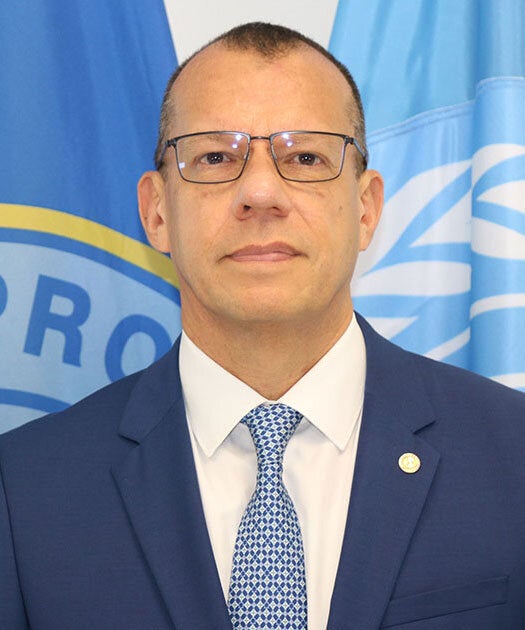
Message from the PAHO/WHO Representative in Trinidad and Tobago, Aruba, Curaçao, Sint Maarten, Bonaire, Saba, and Sint Eustatius
PAHO has maintained a relationship with the Dutch Caribbean islands of Aruba, Curaçao, Sint Maarten, Bonaire, Saba, and Sint Eustatius since the 1940s. Despite the challenges of COVID-19, the islands have made strides in achieving significant health outcomes.
In 2024, the country office worked collaboratively with Dutch Caribbean partners, and these efforts yielded remarkable achievements, demonstrating our commitment to fostering sustainable health improvements and strengthening health systems.One of our key initiatives, Aruba STEPS, has helped advance public health surveillance and provide valuable data to guide health policies and programs. Additionally, we hosted a pivotal stakeholder consultation in Aruba for the development of the Country Cooperation Strategy.
In Sint Maarten, the HEARTS-D initiative has been a significant part of our collaborative efforts to enhance diabetes management within primary care. Additionally, we initiated the STEPS program.
The PAHO/WHO team conducted leadership workshops, empowering local leaders to drive health initiatives and promote well-being. We look forward to continuing our collaboration with local partners to enhance the population’s well-being.
Gabriel Vivas Francesconi
PAHO/WHO Representative in Trinidad and Tobago, Aruba, Curaçao, Sint Maarten, Bonaire, Saba, and Sint Eustatius
Highlights in 2024
APR
MAY
SEP

SEP

NOV
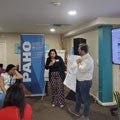
STEPS
Launch of the STEPS survey results in Aruba.
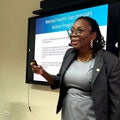
MENTAL HEALTH GAP ACTION PROGRAMME
Capacity-building for primary care mental health providers from the public and private sectors in Curaçao.
HEARTS
Adaptation of the HEARTS-D protocol in Sint Maarten.
COUNTRY COOPERATION STRATEGY
Development of Aruba’s Country Cooperation Strategy 2025–2030.
NATIONAL PLAN OF ACTION
National plan of action on rehabilitation and assistive technology, Aruba.
Achievements in the Dutch Caribbean islands
Noncommunicable diseases, mental health, and violence and injuries
Aruba
In Aruba, the report of the findings of the population-based 2023 STEPS survey of noncommunicable diseases (NCDs) and their risk factors was publicly launched. This was followed by public information sessions with key stakeholders across the island throughout the year.
The previous STEPS survey had been conducted in 2006, so this new report provides up-to-date information to guide health promotion, planning, and policymaking.
The high levels of overweight and obesity among the population prompted the Ministry of Health to strengthen the services provided by NCD prevention clinics. Emerging areas of concern were the use of e-cigarettes and suicide ideation among young people. PAHO has committed to supporting Aruba in the monitoring of the prevention clinics and the suicide prevention efforts in the coming biennium.
PAHO has committed to supporting Aruba in the monitoring of the prevention clinics and the suicide prevention efforts in the coming biennium.
Curaçao
The community mental health services in Curaçao were strengthened as PAHO supported a capacity-building exercise in the Mental Health Gap Action Programme for primary care mental health providers from the public and private sectors. The unique forum provided an opportunity for care providers, administrative and technical heads from various community-based groups, nongovernmental organizations, and foundations to meet and to identify and create synergies in the services they provide to the community.
This intervention will serve to foster greater collaboration and referrals among these providers and improve access to quality mental health care services that protect the human rights of individuals with mental health conditions in the community.
Sint Maarten
In Sint Maarten, PAHO provided support for the development of a national protocol for the prevention, screening, diagnosis, and management of type 2 diabetes in the community. This protocol is an adaptation of the HEARTS-D protocol and is a part of a multiphase program to reduce cardiovascular disease risk factors in the primary care setting.
In Sint Maarten, PAHO provided support for the development of a national protocol for the prevention, screening, diagnosis, and management of type 2 diabetes in the community.
Rehabilitation services
Aruba
Aruba was one of the first countries and territories in the Caribbean to complete the Systematic Assessment of Rehabilitation Situation report. Acknowledging that rehabilitation is an increasingly important health service, and considering the aging of the population and the rising prevalence of NCDs, it has moved to develop the national plan of action on rehabilitation and assistive technology.
PAHO built capacity with service providers from public and private sectors, and those engaged in primary, secondary, and long-term care, as well as representatives from the insurance and procurement teams so that they could contribute to the plan.PAHO will continue to work with the national authorities to complete the plan in 2025 to address the rehabilitation needs of the people.
Stories from the field
Tackling type 2 diabetes
In Sint Maarten, the Department of Health monitored rising cardiovascular disease risk factors and took decisive action to protect residents’ health. It developed a national protocol to tackle type 2 diabetes, adapted from the HEARTS-D initiative, a model of care for cardiovascular risk management.
The journey began with national hypertension protocols inspired by the HEARTS initiative. General practitioners, pharmacists, diabetes educators, physiotherapists, and National Health Insurance representatives (SZV) collaborated to form a synergistic platform united by the principles of the Better Care for NCDs initiative.
It was felt by all that: “the investment in prevention for people living with hypertension and type 2 diabetes reflects a holistic assessment of the population needs and creates ecosystem thinking for cardiovascular disease management, paving the way for a healthier future for Sint Maarten residents.”
Launch of STEPS results
In Aruba, the 2023 STEPS survey on noncommunicable diseases and their risk factors revealed alarming data at a high-level meeting. “We observed that over 70% of the population is overweight and 46% is obese, linked to excessive consumption of alcohol, sugar, and salt, and the Ministry of Health is taking concrete action in prevention,” remarked the Minister of Health, Dangui Oduber. The survey launched year-long public information sessions, engaging key stakeholders.
Aruba is moving toward a healthier future, guided by the survey insights and the collective resolve of its leaders and citizens.
Enhancing community mental health services
Curaçao’s community mental health services have received substantial support from PAHO.
Through the implementation of the Mental Health Gap Action Programme, primary care mental health providers from both the public and private sectors were brought together, creating a unique forum for collaboration. This initiative united care providers, administrative and technical leaders from various community-based groups, nongovernmental organizations, and foundations who typically do not work together. They had the opportunity to connect, recognize one another’s strengths, and explore ways to collaborate in serving their community.
This initiative fostered stronger collaboration and referrals among providers, enhancing access to high-quality mental health care for all. Most importantly, it aimed to safeguard the human rights of community members living with mental health conditions.
Our partners
- Department of Rehabilitation Medicine, Emory University School of Medicine. Dedicated to advancing the field of rehabilitation medicine through research, education, and clinical practice, and designated a WHO Collaborating Centre for Rehabilitation in 2022.
- Klínika Capriles, Curaçao. Providing specialized treatments, guidance, and care for individuals with severe psychiatric and psychosocial issues, and offering outpatient services and inpatient care, including home visits by ambulatory caregivers.
- Primary Care International. A United Kingdom-based social enterprise dedicated to strengthening primary health care systems globally, with a focus on noncommunicable diseases and improving the quality of care through training, mentoring, and leadership development.
- Rijksinstituut voor Volksgezondheid en Milieu (National Institute for Public Health and the Environment). A Dutch governmental research institute that provides information and advice on a wide range of topics, including public health, environmental issues, and safety.
Photograph: © iStock/Ridofranz

Thinking regionally,
acting locally
2024 Country Annual Reports
of the Pan American Health Organization