
Annual report 2024
Jamaica, Bermuda,
and the Cayman Islands
Pan American Health Organization
PAHO: CATALYST FOR HEALTH IN THE AMERICAS
120 years of history
PAHO was the first multilateral health agency. Established in 1902, its founding objective was to respond to disease threats associated with increasing trade among countries in the Americas.
Preferred partner
PAHO’s position as a respected technical authority, along with its strong, long-standing relationships with Ministries of Health, makes it a highly valued partner in the Region.
Honest broker for health
We strive to build consensus around issues that are common to countries in the Region to prioritize health in a politically heterogenous and epidemiologically complex context.
Technical excellence
World-class technical expertise, data aggregation, and analytical capacity make PAHO a highly respected technical authority and information source for countries and partners.
Country focus
With the most extensive country presence of any WHO Region, we are committed to country-centered technical cooperation, tailored to unique needs and contexts.
Effective implementation
PAHO has an impressive track record of successes in disease elimination, healthcare coverage and emergency response that demonstrate its capacity to implement efficiently and effectively.
120 years of history
PAHO was the first multilateral health agency. Established in 1902, its founding objective was to respond to disease threats associated with increasing trade among countries in the Americas.
Technical excellence
World-class technical expertise, data aggregation, and analytical capacity make PAHO a highly respected technical authority and information source for countries and partners.
Preferred partner
PAHO’s position as a respected technical authority, along with its strong, long-standing relationships with Ministries of Health, makes it a highly valued partner in the Region.
Country focus
With the most extensive country presence of any WHO Region, we are committed to country-centered technical cooperation, tailored to unique needs and contexts.
Honest broker for health
We strive to build consensus around issues that are common to countries in the Region to prioritize health in a politically heterogenous and epidemiologically complex context.
Effective implementation
PAHO has an impressive track record of successes in disease elimination, healthcare coverage and emergency response that demonstrate its capacity to implement efficiently and effectively.
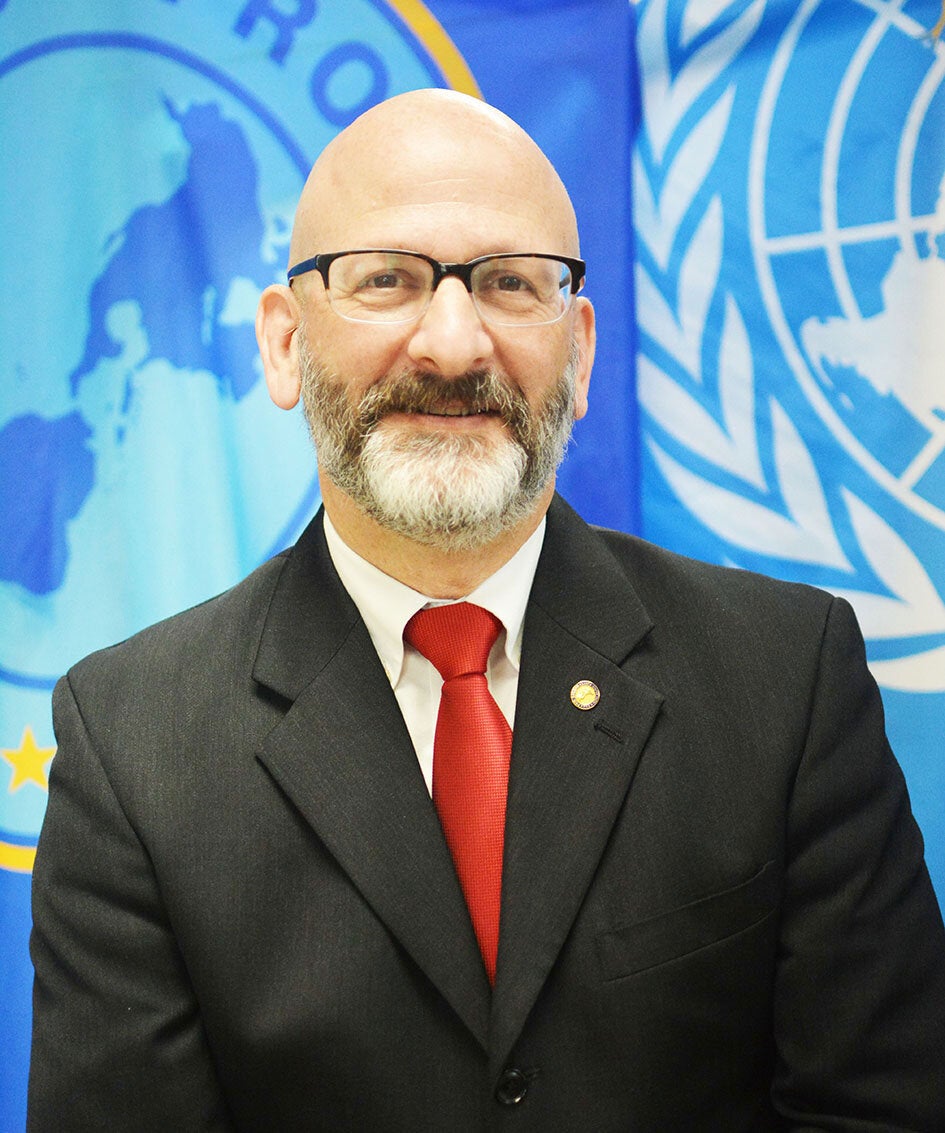
Message from the PAHO/WHO Representative in Jamaica, Bermuda, and the Cayman Islands
The past year has seen real progress in health, underpinned by strong partnerships, a shared vision, and a steadfast commitment to improving the health and well-being of the population.
In 2024, Jamaica achieved World Health Organization validation of the elimination of mother-to-child transmission of HIV and syphilis, demonstrating the impact of sustained investments in public health. Additionally, a 14% reduction in road traffic deaths to a seven-year low reflected the impact of updated health-related legislation and data-driven interventions.
Hurricane Beryl tested the resilience of Jamaica’s health infrastructure, and the performance of upgraded health facilities reinforced the value of investing in climate-resilient health infrastructure. During the Category 4 storm, 12 retrofitted primary health care centers, including those in the hardest-hit areas, remained operational. This highlights the urgent need to integrate disaster-resilient standards across the health sector. To this end, PAHO facilitated the launch of the Health National Adaptation Plan process, laying the foundation for a road map to strengthen climate resilience.
PAHO remains committed to supporting national health priorities, strengthening the resilience of health systems, and enhancing the capacities of the countries to deliver comprehensive, high-quality health services that meet the evolving needs of their populations.
Ian Stein
PAHO/WHO Representative in Jamaica, Bermuda, and the Cayman Islands
Highlights in 2024
JAN
JAN
FEB

MAY

JUL
DEC
SMART HEALTH FACILITIES
Twelve primary health care centers upgraded to become safer, greener, and more resilient to natural disasters and climate change.
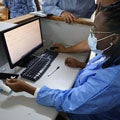
ESSENTIAL PUBLIC HEALTH FUNCTIONS
Assessment completed to guide action plan and strengthen the Ministry of Health and Wellness’s stewardship capacity.
INFLUENCING BEHAVIORAL CHANGE
Research initiated to better understand effective nutrition interventions among school children.
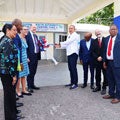
EMTCT VALIDATION
Jamaica received WHO validation for eliminating mother-to-child transmission of HIV and syphilis as a public health threat.
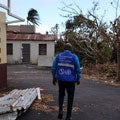
HURRICANE BERYL RESPONSE
In the aftermath of the hurricane, PAHO provided a coordinated response aimed at assessing the infrastructure of Jamaica’s health facilities.
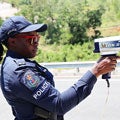
DECLINE IN ROAD DEATHS
Road deaths fell to a seven-year low, refl ecting the impact of national efforts supported through collaboration with the United Nations Road Safety Fund.
Achievements in Jamaica, Bermuda, and the Cayman Islands
- EMTCT validation. Jamaica received WHO validation for eliminating mother-to-child transmission of HIV and syphilis as a major public health threat. With this achievement, Jamaica joins a select group of countries to have received dual elimination status. The validation highlights the strength of Jamaica’s public health system and reflects the country’s long-standing commitment to protecting the health and rights of women, children, and families.
- Assessment of essential public health functions. Under the guidance of a technical working group, an assessment and strengthening of the essential public health functions in Jamaica was conducted. Based on these results, an action plan for strengthening these functions will be developed, with the results informing the Ministry of Health and Wellness’s path to strengthen its stewardship capacity.
- Health facilities upgraded. Jamaica completed the upgrading of 12 primary health care facilities under the Smart or Strengthening Health Care Facilities in the Caribbean Project in 2024, with each becoming safer, greener, and more resilient to natural disasters and climate change. Four of the facilities were transformed to meet the gold-standard criteria for safety and greening, enabling effective functioning before, during, and after disasters, including up to Category 3 hurricanes.
- International Health Regulations (IHR) voluntary external and immunization. Using the IHR State Party Self-Assessment Annual Report tool and orientations for the review of the IHR core capacities, Jamaica initiated a self-assessment by a multidisciplinary, multisectoral IHR Stakeholders Advisory Group, followed by the use of the PAHO Performance Monitoring Tool for the National Expanded Program on Immunization.
- Hurricane Beryl response. In response to Hurricane Beryl, a Category 4 hurricane that swept across the Caribbean to Jamaica, PAHO’s coordinated response included assessing the operational status of health services, reviewing environmental health services (focusing on water quality, food safety, and vector control), reinforcing mental health and psychosocial support services, and completing a detailed damage assessment of recently renovated primary health care centers.
Jamaica received WHO validation for eliminating mother- to-child transmission of HIV and syphilis as a major public health threat.
- Strengthening border health preparedness. The Cayman Islands strengthened port health preparedness through a PAHO-supported workshop. This multisectoral initiative marked a critical step toward safeguarding public health amid rising natural hazards and pandemic threats. The workshop also laid the foundation for more integrated and resilient responses, with PAHO continuing to support national efforts to enhance readiness and coordination.
- Decline in road traffic deaths. The National Road Safety Council documented substantive improvements in road safety, with road crash deaths falling below 400 for the first time in five years and representing a seven-year low. The progress marks a one-year, 14% decrease in road fatalities. PAHO is collaborating with the National Road Safety Council to implement a United Nations Road Safety Fund initiative focused on a safe systems approach for safer roads in Jamaica. Through this initiative, among other efforts, 2024 saw the completion of an emergency and critical care systems assessment and the subsequent development of a corresponding road map.
- Influencing behavioral change. PAHO initiated research to improve nutrition-related behaviors among school children, using a behavioral insights framework – define, diagnose, design, implement, and evaluate. The initiative supports the national school nutrition policy and efforts to prevent noncommunicable diseases by identifying the factors that shape food choices in schools. Through a structured, evidence-based approach, it aims to design practical, context-specific interventions that promote healthier eating habits and encourage sustainable behavior change among students.
- HEARTS in Bermuda. In response to the high rates of illness and death due to cardiovascular diseases, the HEARTS model of care for cardiovascular risk management was launched in 2023 at the Hamilton Health Centre. Through this effort, patients received medications free of charge, utilizing a standardized treatment protocol. Targeting the uninsured and underinsured, this initiative aligns with the Ministry of Health and Wellness’s declaration that universal health care must be both Bermuda’s vision and mission.
Stories from the field
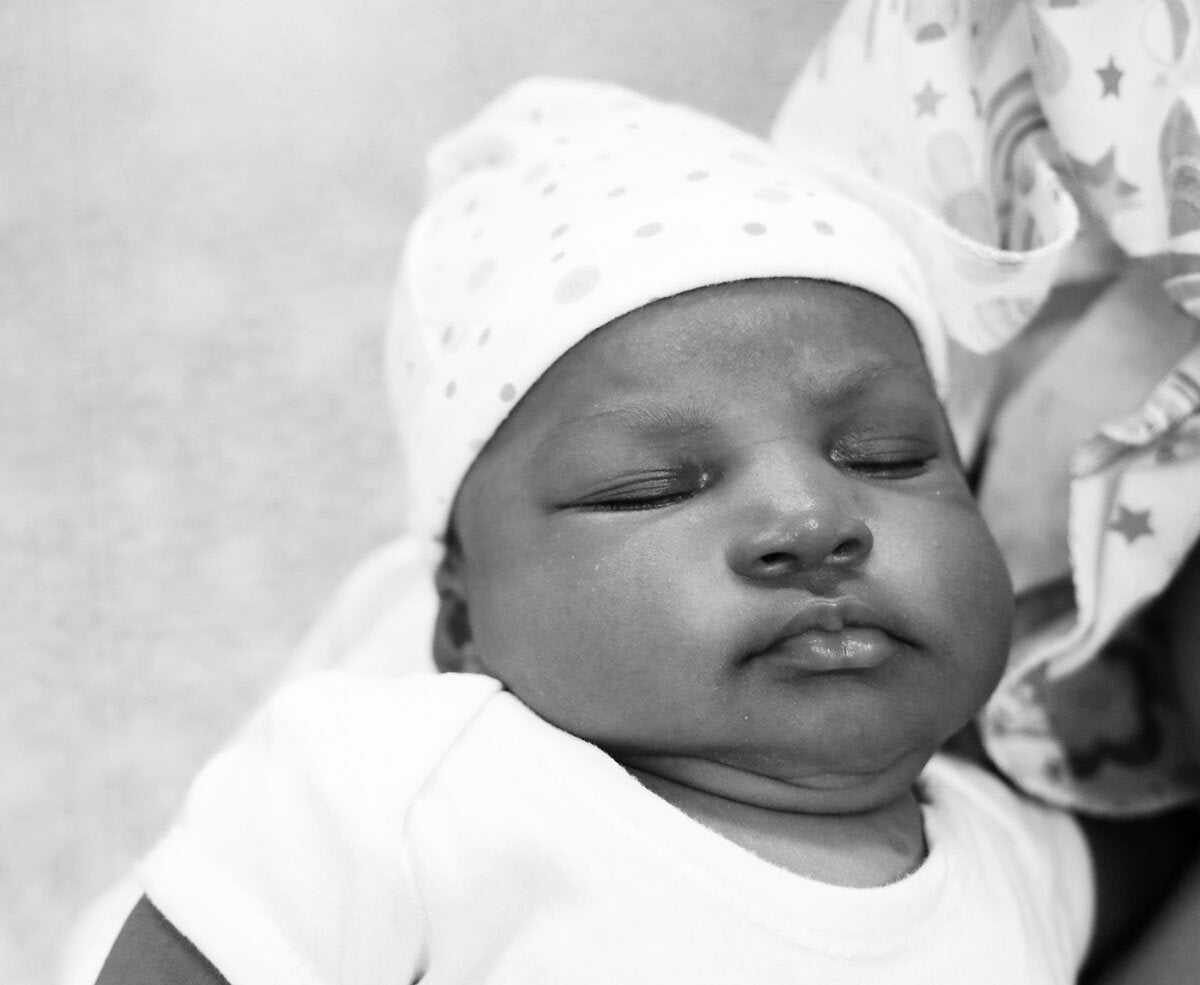
Beyond the stigma: From HIV diagnosis to motherhood
Allisah is excited about Jamaica’s certification of having eliminated mother-to-child transmission of HIV and syphilis, and she has
every right to be.
Her journey with HIV began when she was just 8 months old, after contracting the virus through breastfeeding.
Growing up, Allisah was unaware of her HIV status. At 16, a relative told her the truth – a revelation that left her devastated.
Throughout high school, Allisah hid her diagnosis to shield herself from discrimination. Fortunately, after graduation, she met someone who embraced her and, after years together, they decided to start a family.
With her virus undetectable thanks to consistent treatment, Allisah safely carried and delivered a healthy, HIV-free baby girl.
Once convinced her HIV status would define her life, Allisah now embraces a future she once thought impossible.
Allisah’s story is a testament to Jamaica’s success in eliminating mother-to-child transmission of HIV and syphilis – a milestone aligned with PAHO’s Elimination Initiative.
Smart health facilities triumph over Hurricane Beryl
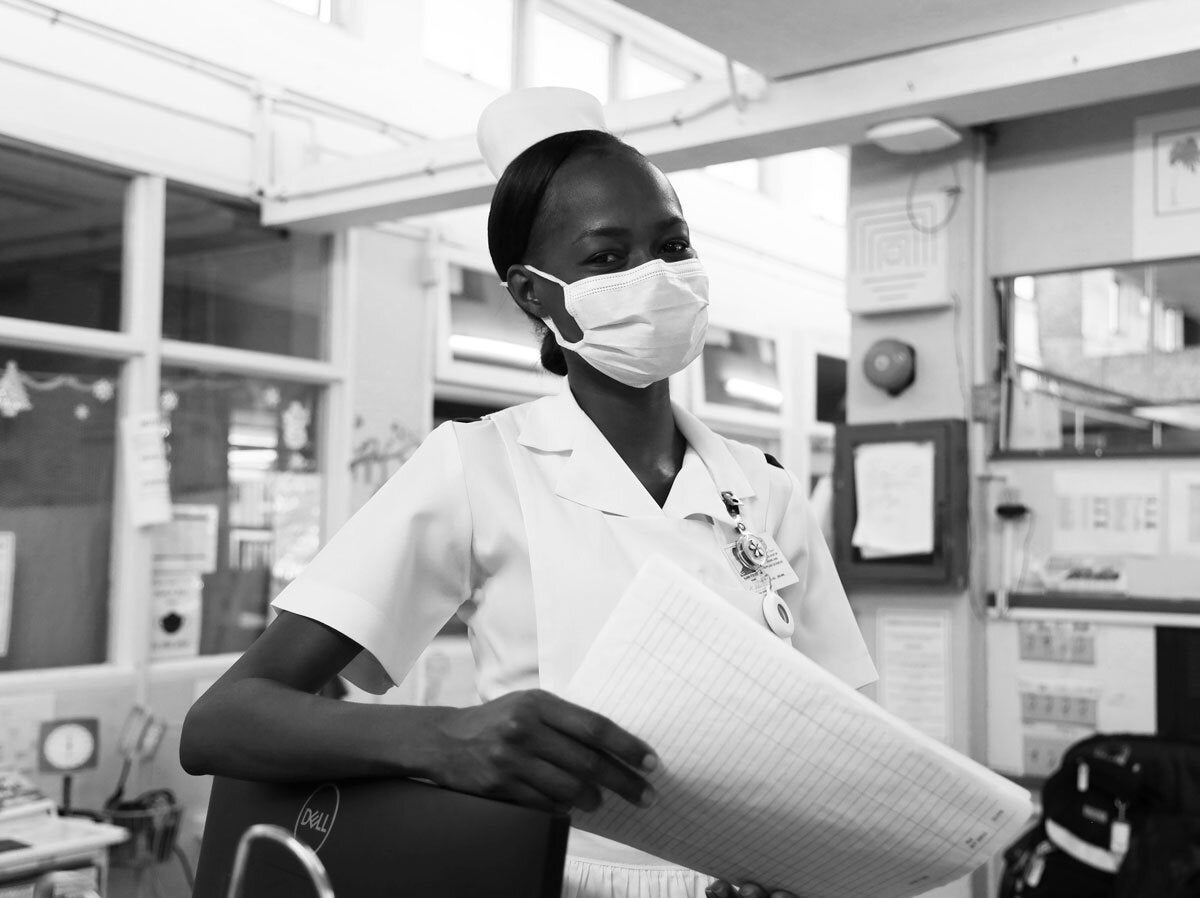
As Hurricane Beryl bore down on Jamaica, Sandia Ferguson, parish manager for Manchester Health Services, witnessed the resilience of the island’s smart health centers.
Beryl was a defining moment for the Mandeville and Santa Cruz health centers, two of four facilities upgraded to “gold standard” under a collaboration between PAHO and the United Kingdom.
The Smart Hospitals Programme included structural upgrades to roofs and buildings, hurricane shutters, and green technologies.
“Having weathered the storm, these smart health centers underscore the necessity of resilient healthcare infrastructure in regions vulnerable to natural disasters,” Sandia said.
“The photovoltaic system was especially invaluable, operating continuously during power outages and ensuring the health center could serve the Mandeville community and the health emergency operations center for the parish of Manchester,” she continued.
Funded by the United Kingdom’s Foreign, Commonwealth and Development Office, the USD 12 million project is led by PAHO.
HEARTS initiative changing lives in Bermuda
Launched in response to high rates of illness and death from cardiovascular diseases, the HEARTS initiative at the Hamilton Health Centre is making a big impact. Through the effort, patients receive free medications under a standardized treatment protocol. The initiative, aimed at the uninsured and underinsured, supports the Minister of Health’s call for universal health care to be both Bermuda’s vision and mission.
Marika, who lives with diabetes and hypertension, is one such patient. After leaving her government job, she lost access to health insurance and worried about how she would afford the care she needed. “The HEARTS program has allowed me to manage my condition without the financial burden. I can get my medication and not stress about paying for it,” she said.
The HEARTS initiative is now a cornerstone of Bermuda’s commitment to universal access to quality care and helping people like Marika take control of their health.
Our partners
- Biodiversity Research Institute. The institute is collaborating on the coexecution of the Eliminating Mercury Skin Lightening Products project.
- European Commission. Through support from the European Commission, the Organization is advancing universal health coverage and access, and strengthening climate-resilient health systems.
- Global Environment Facility / United Nations Environment Programme. As the main funders of the Eliminating Mercury Skin Lightening Products project, these organizations monitor and contribute to the project’s main activities and overall success. The United Nations Environment Programme’s Global Mercury Partnership also provides technical assistance for the project’s implementation.
- Government of Canada. Through its Global Initiative for Vaccine Equity, the Government of Canada supports equitable access to vaccines and increased vaccination coverage in Jamaica.
- Inter-American Development Bank. The bank is a key partner in advancing the Pan-American Highway for Digital Health, which promotes regional collaboration and improving access to health information across borders.
- Ministry of Health and Wellness. The ministry leads the public health system and advances shared goals to strengthen nationwide health outcomes.
- UNICEF. UNICEF plays a central role in advancing the Baby-Friendly Hospital Initiative in Jamaica in partnership with the Ministry of Health and Wellness and PAHO.
- United Kingdom. Through the Foreign, Commonwealth and Development Office, the United Kingdom provided crucial funding support for the Smart Health Care Facilities Project, enabling climate-resilient upgrades to several health facilities.
- United Nations Road Safety Fund. Through the Fund’s safe systems project, PAHO and the National Road Safety Council are working to improve road safety management, driver behavior, and postcrash care in Jamaica.
- United States of America. The USAID Global Health Security-Jamaica Project provided support to risk communication and community engagement, strengthening the health workforce and human-resource capacity, and improving health and laboratory systems to enhance the detection of emerging infectious disease, and promote the use of data for evidence-based planning and decision-making.
- University of Leeds. The university is collaborating on the behavioral insights collaboration to support improved nutrition in Jamaica’s schools.
Thinking regionally,
acting locally
2024 Country Annual Reports
of the Pan American Health Organization