Knowledge dialogues
Through the project Strengthening Primary Health Care for Maternal, Sexual and Reproductive Health, implemented with Panama’s Ministry of Health (MINSA) and supported by the Spanish Agency for International Development Cooperation (AECID), PAHO is working to improve maternal and reproductive health in underserved communities by strengthening the health system and promoting community participation.
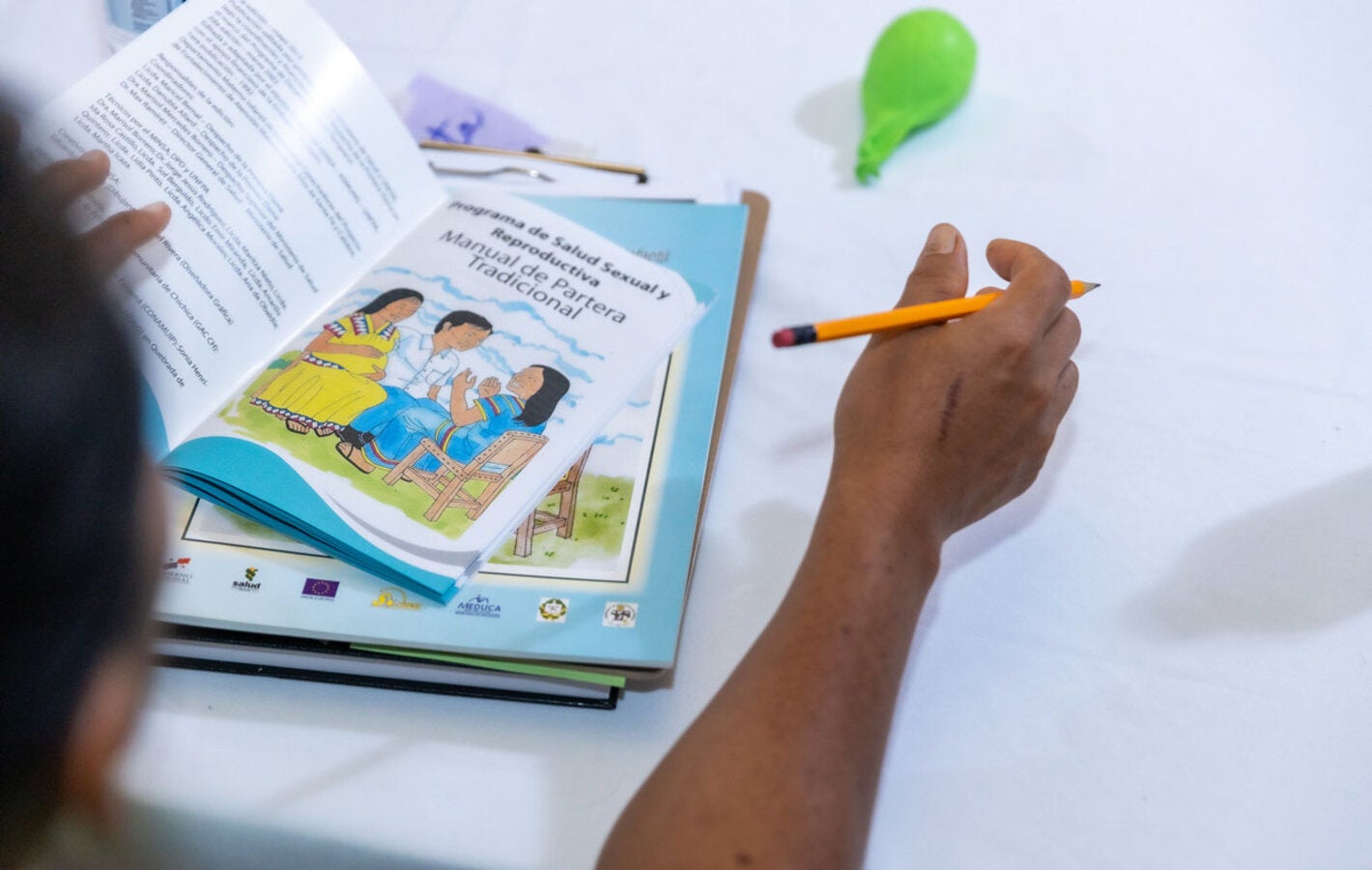
The project seeks to ensure culturally safe health services that contribute to reducing maternal and neonatal mortality and strengthening women’s autonomy. To achieve this, it promotes a larger dialogue and exchange between ancestral knowledge and medical knowledge on pregnancy and childbirth. At the same time, it strengthens the capacities of traditional midwives through training and practical tools for the early detection of risks and timely referral to health services.
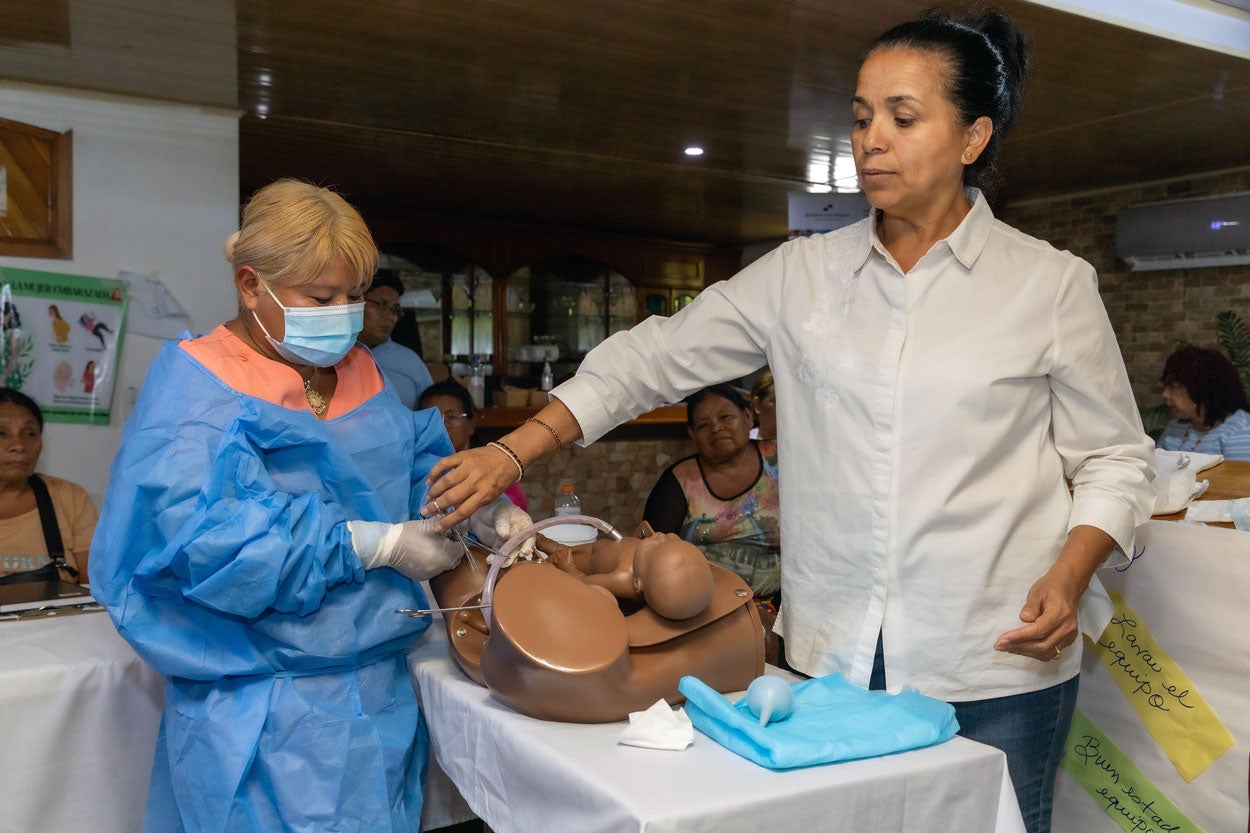
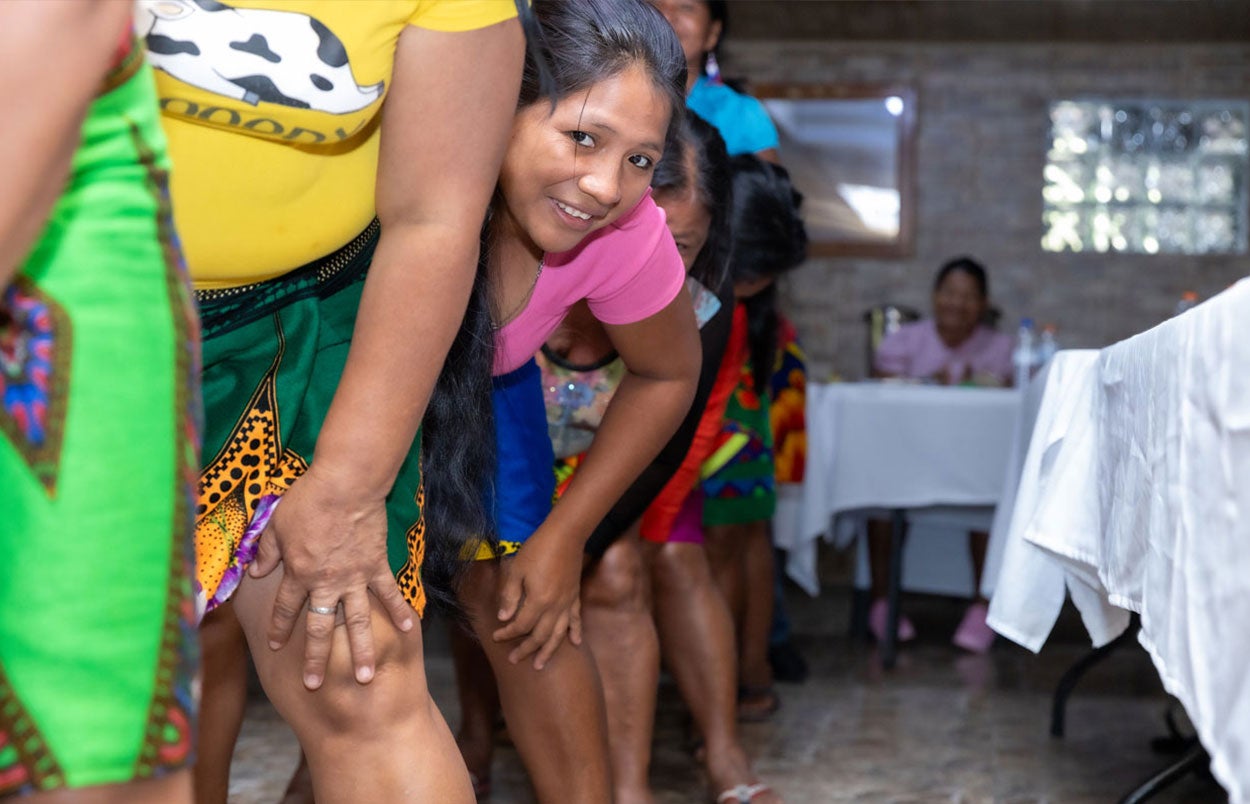
During the project, Panama applied for the first time the PAHO Tool for Promoting Culturally Safe Childbirth, a practical guide designed to reduce maternal mortality gaps affecting Indigenous women and other ethnic groups. Through participatory workshops, 26 traditional midwives received training on warning signs, prevention of complications, and timely referrals, integrating this knowledge with their ancestral practices, such as the use of medicinal plants, the choice of position during childbirth, and community technologies for early alerts.
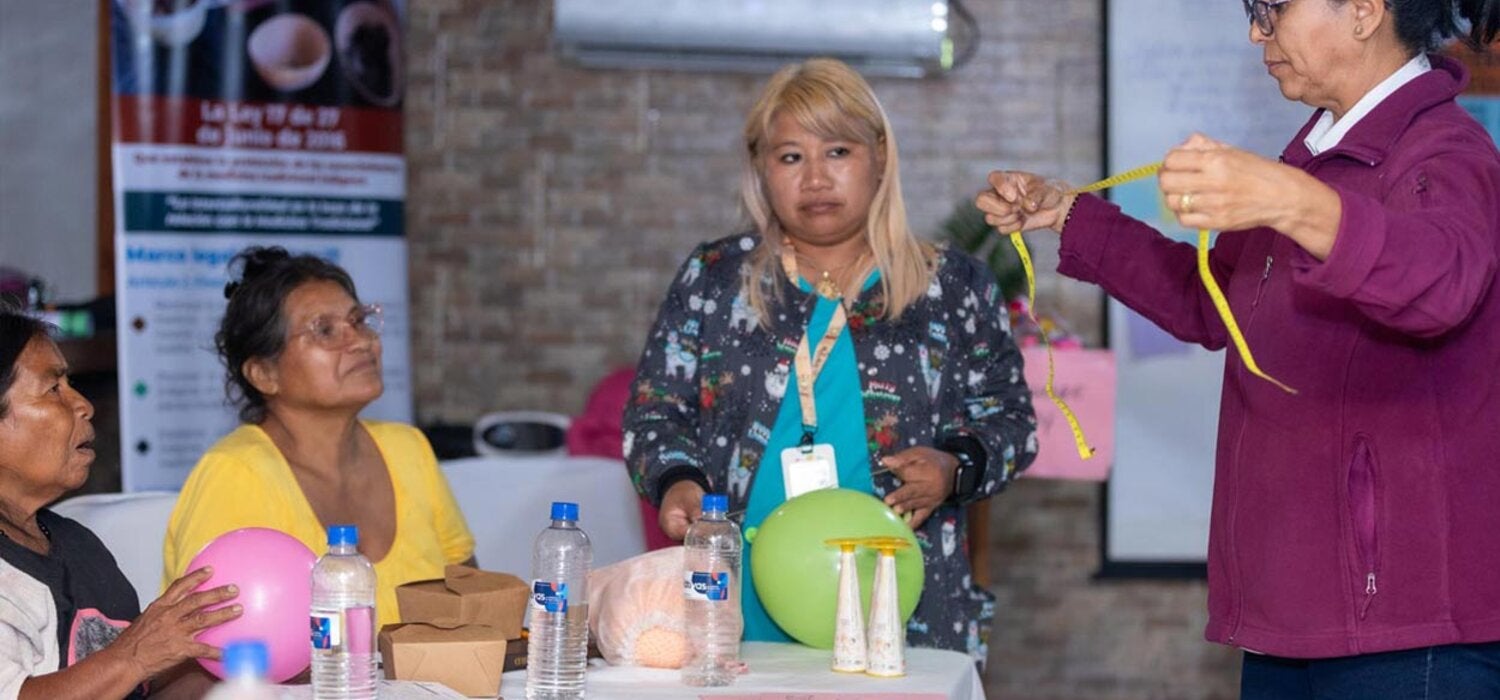
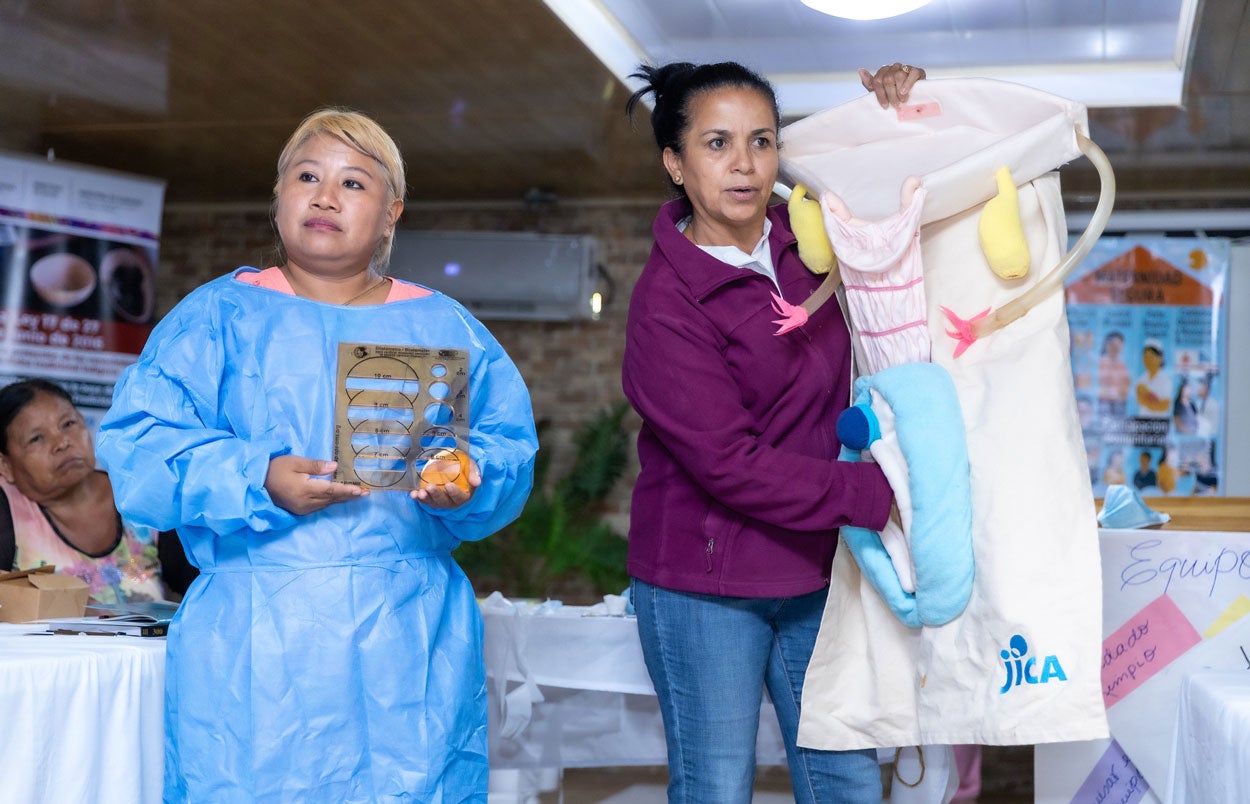
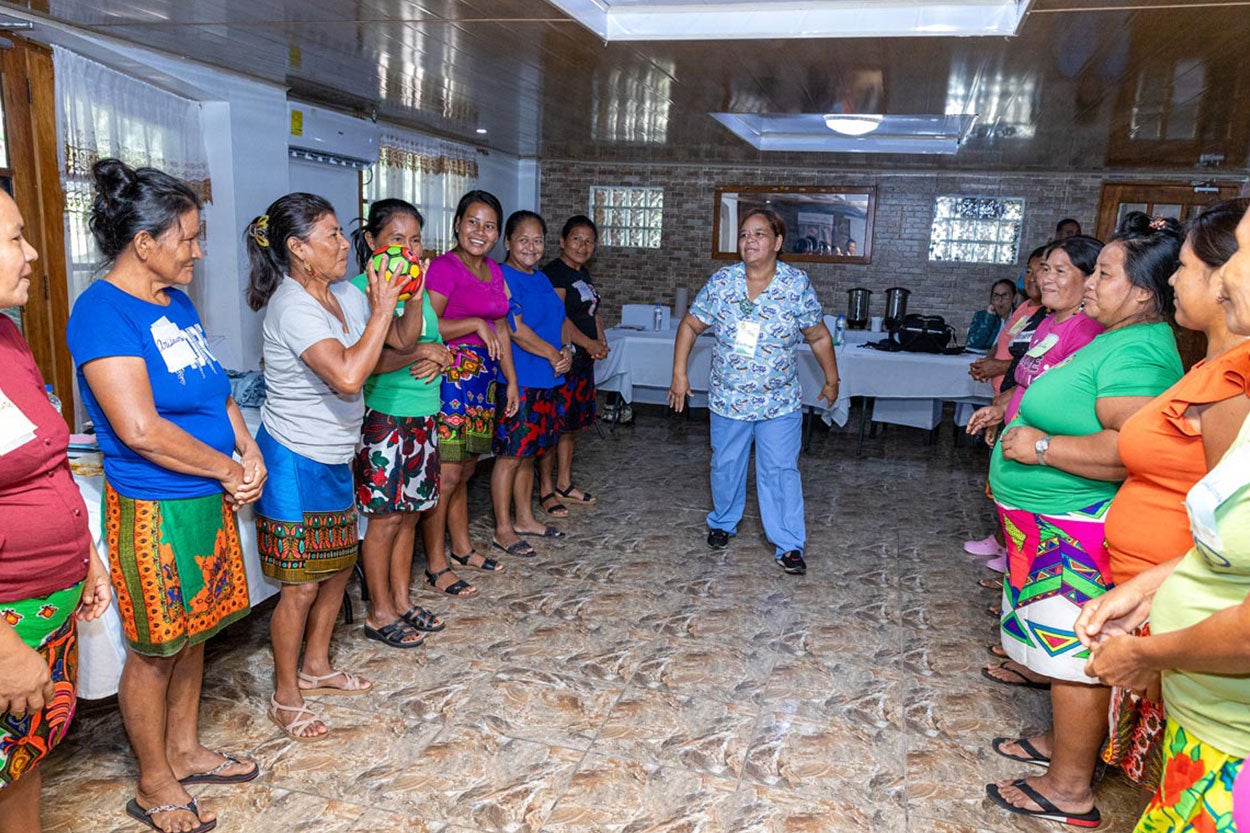
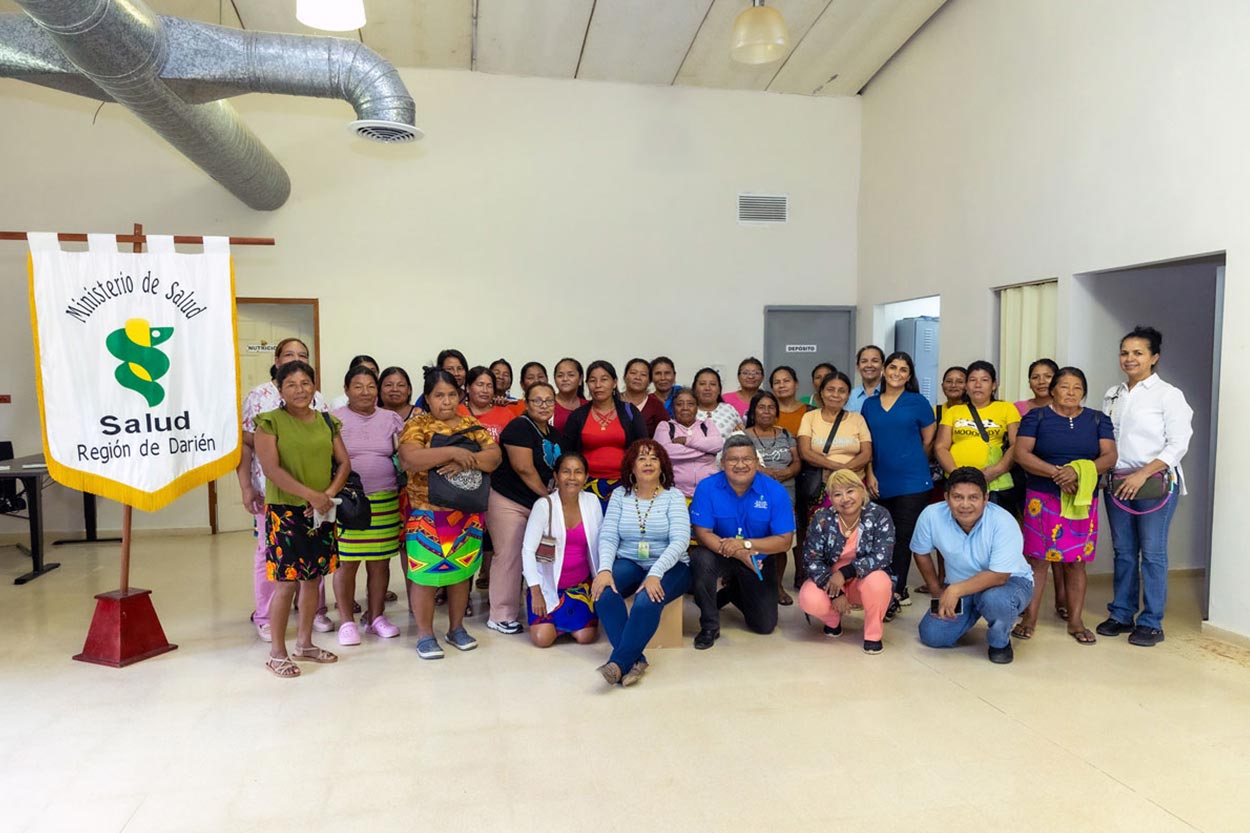
More recently, traditional midwives from Darién and the Emberá-Wounaan Comarca participated in training on perinatal technologies, where they learned to use tools for monitoring pregnancy and detecting risks early. During the workshop, 24 participants were introduced to the use of blood pressure monitors to detect hypertension, pocket gestational wheels, obstetric and neonatal measuring tapes, and community flip charts for health education—tools that help identify warning signs and facilitate timely referral to health services.
Each participant received a complete kit with these instruments, strengthening their capacity to accompany pregnant women in their communities and help prevent avoidable maternal and neonatal deaths.
The workshops also included visits to the maternal and child health centers in Metetí and Santa Fe, where the perceptions of health personnel, traditional midwives, and users were gathered. These visits made it possible to observe how communication takes place between health staff and Indigenous women, whether care incorporates elements of their culture, and whether women’s autonomy is promoted during childbirth and the postpartum period.
Aspects related to infrastructure, community participation, and institutional strengthening were also analyzed. Participants also visited the site of the future Darién Regional Hospital—currently under construction—to identify opportunities to incorporate an intercultural approach to pregnancy, childbirth, and postpartum care, in accordance with the indicators of PAHO’s culturally safe childbirth tool.