Building trust: How two Mennonite communities in Argentina strengthened their defences against measles
Building trust: How two Mennonite communities in Argentina strengthened their defences against measles
Following the detection of an imported case—at a time when vaccination activities were already underway—health teams in San Luis traversed rural roads, built relationships, and brought vaccines to isolated populations with distinct cultural dynamics to prevent further outbreaks.
— June 2026 —
A year ago, an eight-month-old girl from a Mennonite community in Argentina’s San Luis province arrived at the local Arizona hospital with a three-day fever and rhinitis. What initially appeared to be a respiratory infection quickly became a warning sign for the entire local health system: measles, a disease that had been eliminated in Argentina for more than two decades.
“When we performed laboratory tests and an X-ray—the tools available to us here—we saw that her respiratory condition was worsening,” recalls Luciana Gil, director of the Arizona Hospital.
The infant was referred to a higher-complexity facility in Villa Mercedes, 230 kilometers away. “During the transfer, she developed respiratory failure. We suspected pneumonia, but 24 hours after admission, a rash appeared on her chest. It was measles,” the physician added.
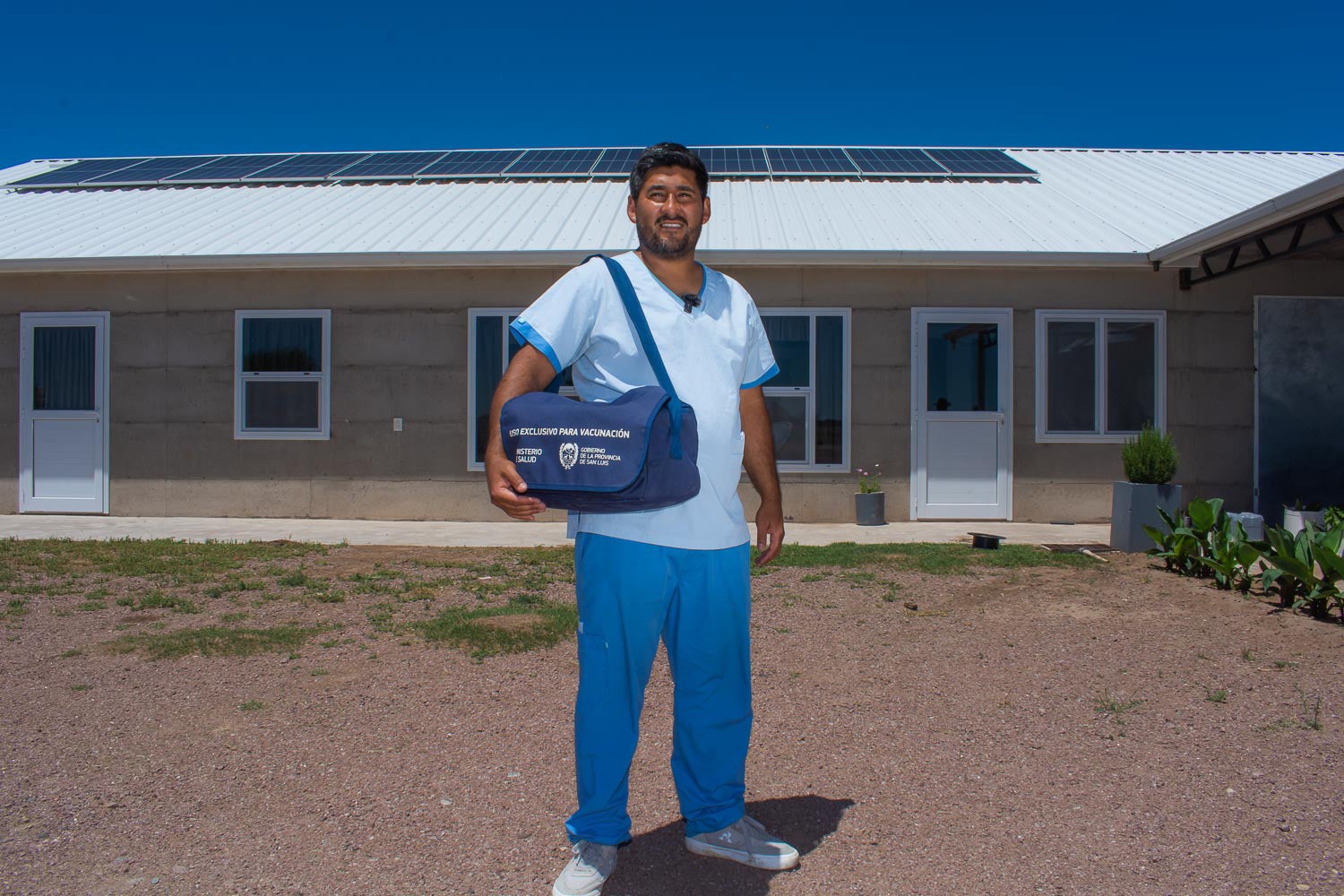
Since then, Sebastián Castro, the nurse responsible for immunization services at the Arizona Hospital, and a team of community health workers have set off every two weeks on a journey that has become essential to preventing further transmission.
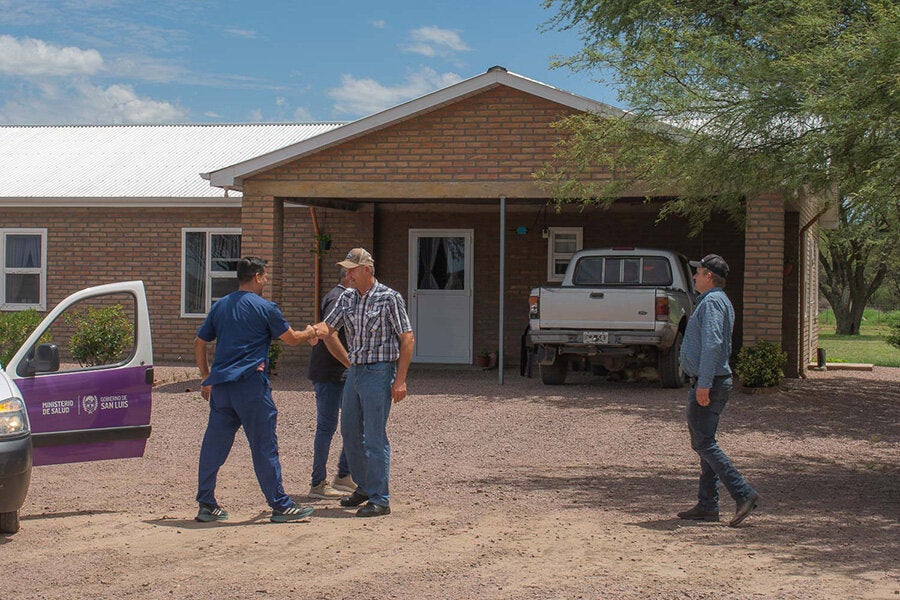
“I hope we can reach the Don Alberto Mennonite colony because after the rains, the dirt road is difficult, and they are expecting us,” he says, with a mix of enthusiasm and concern as he prepares for the visit.
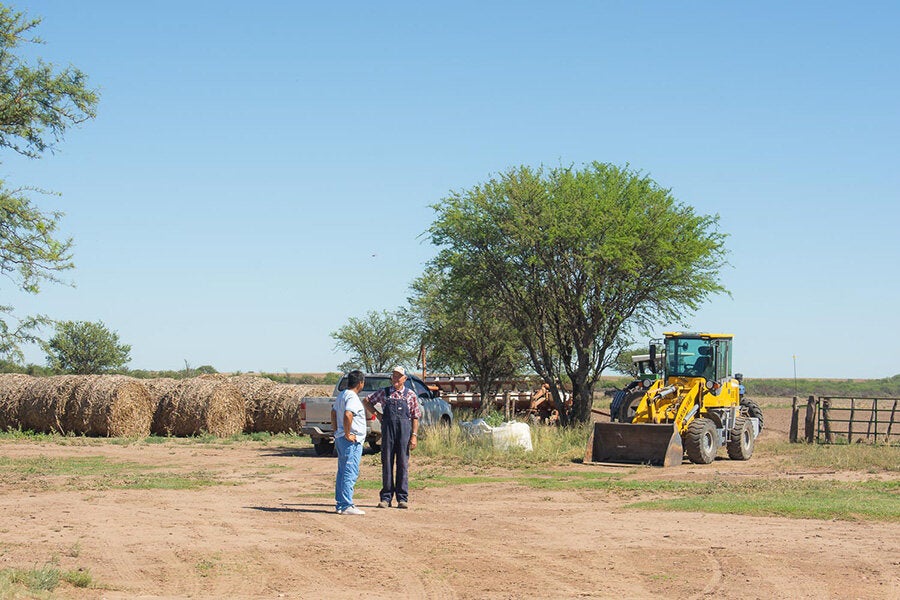
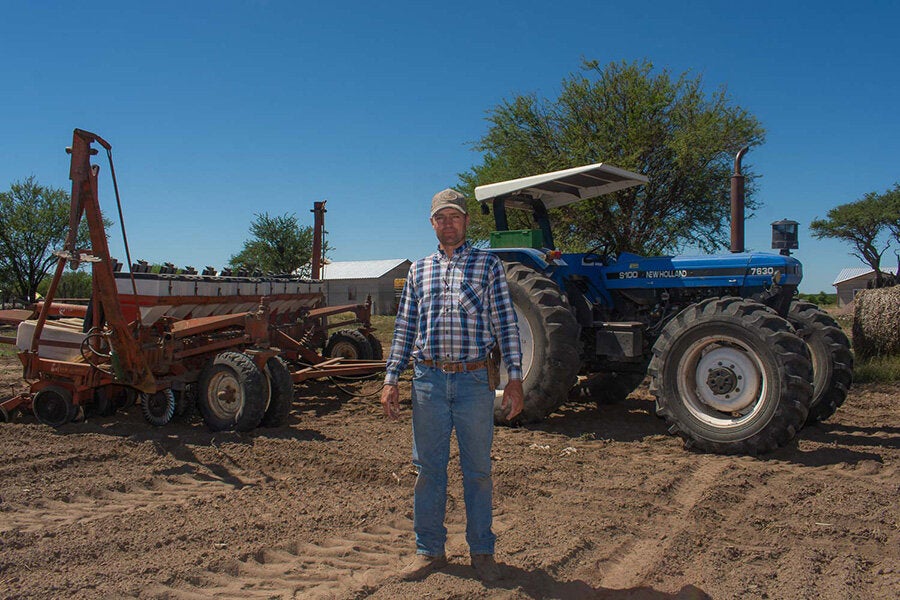
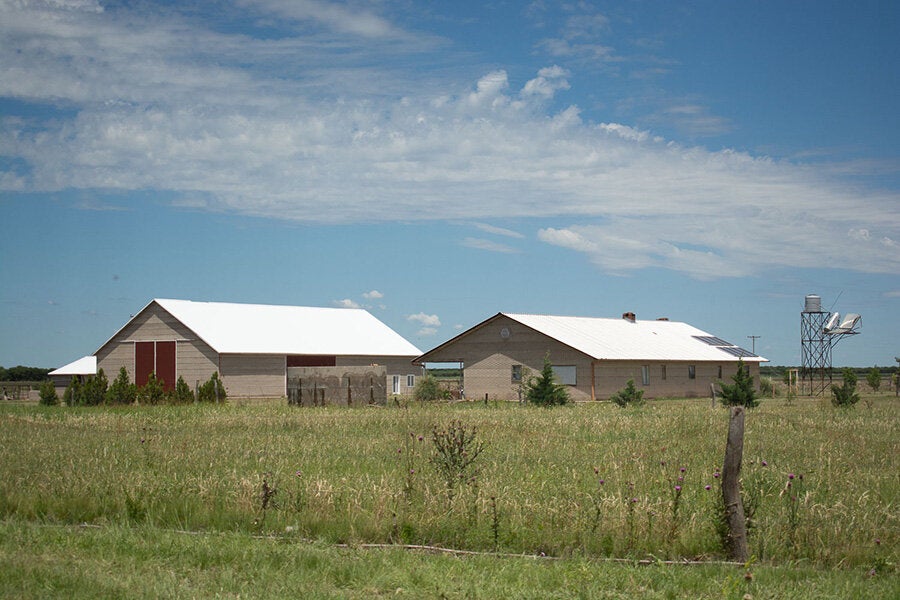
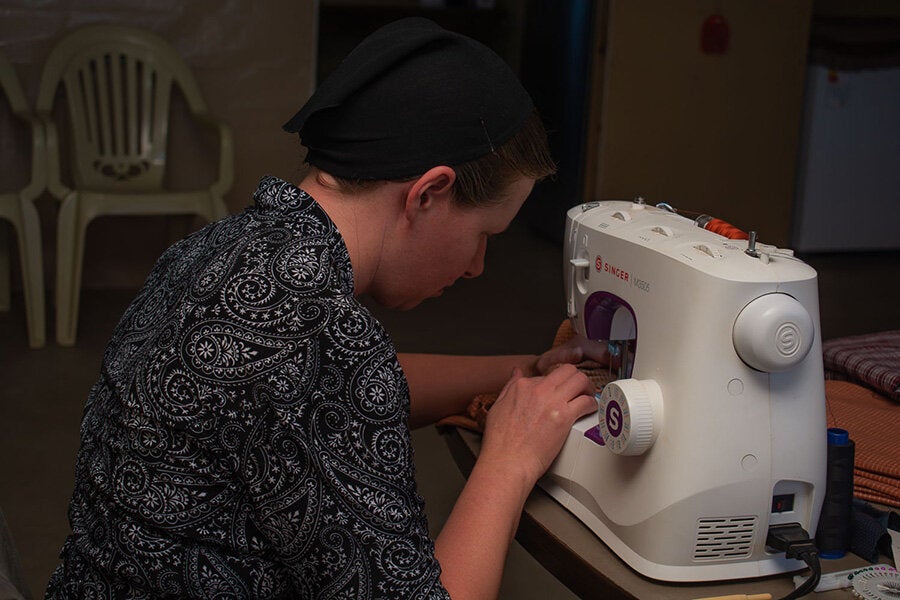
The Don Alberto colony is home to 12 Mennonite families, most of whom arrived from Mexico in 2023. Another community of nearly 500 residents has been settledless than an hour away, in Nueva Galia, for over a decade. Both communities rely on agriculture, livestock, dairy production, carpentry, and metalwork.
In addition to the biweekly visits, the Don Alberto community is cared for at the Arizona Hospital. There, they treated an eight-month-old girl with a three-day fever and runny nose until she was referred to Villa Mercedes, where she was diagnosed with measles.
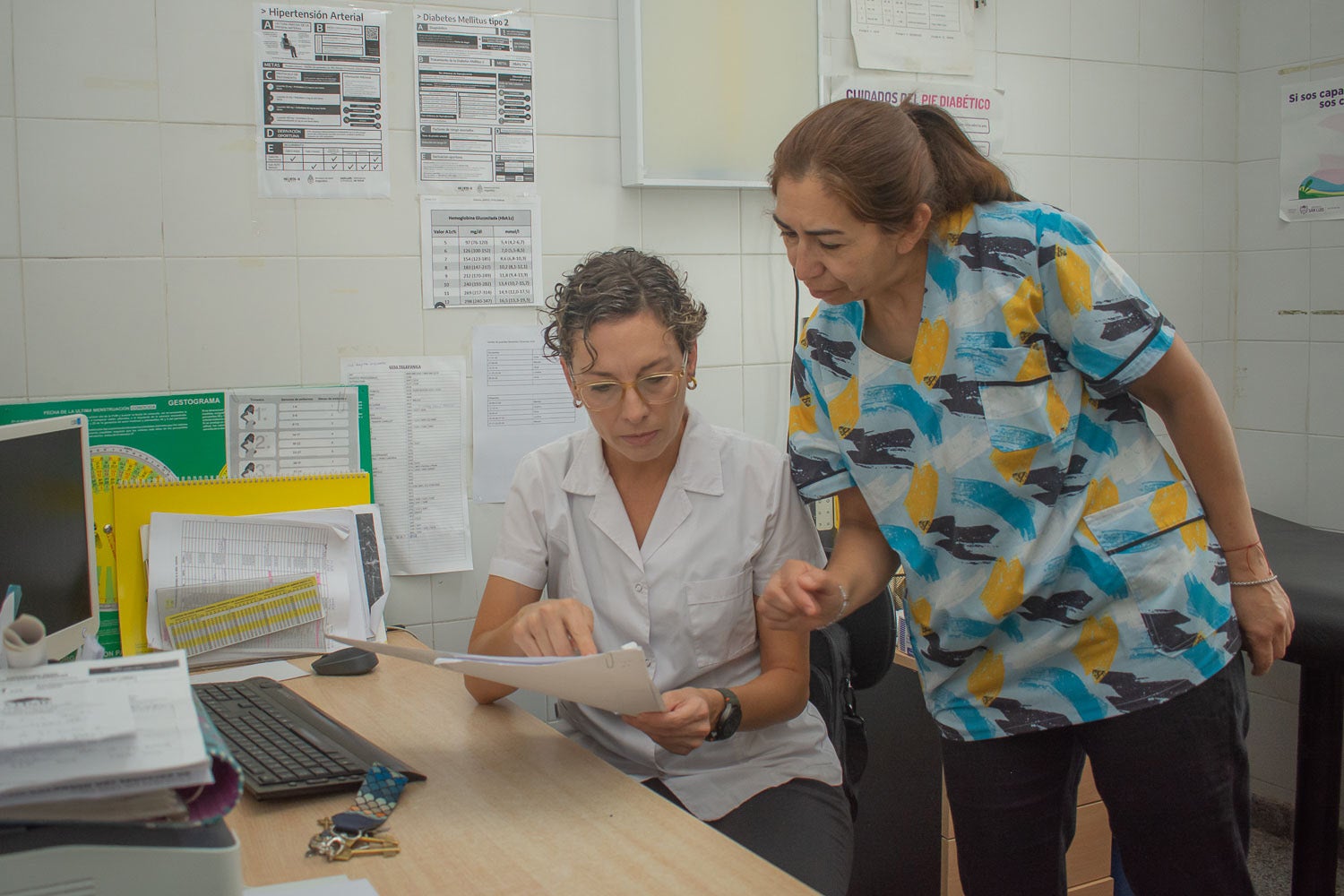
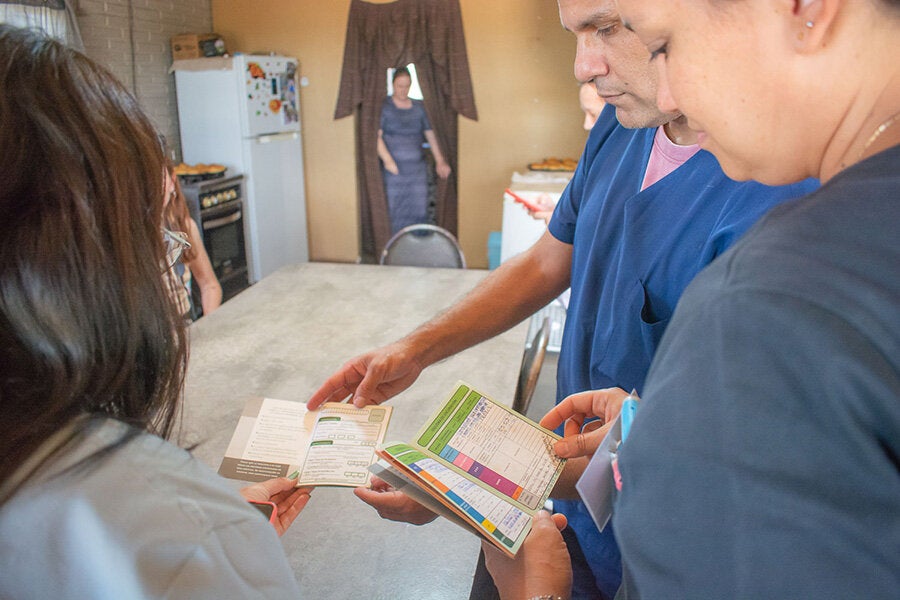
The team prepares carefully for each trip: Sebastián packs a cooler with vaccines, while community health worker Fani Greco carries a folder containing health records for the 76 residents of Don Alberto—information she now knows almost by heart.
Measles is a highly contagious viral disease transmitted through the air when an infected person talks, coughs, or sneezes. It can affect anyone who is not protected, particularly those who are unvaccinated.
While most infected individuals recover within two to three weeks, severe complications can occur, including ear infections, severe diarrhea, pneumonia, blindness, encephalitis, and even death. While there is no specific treatment, measles can be prevented through vaccination.
Following the infant’s diagnosis, health teams began treatment, took steps to prevent further spread, and investigated the outbreak while tracing contacts to identify its source.
“They told us they had traveled to Chihuahua, Mexico, and had been in contact with relatives who had the disease,” the physician explains. “We also looked into vaccination records across the community and found many to be incomplete.”
Contact tracing was also conducted in the Nueva Galia community, where some members had attended the same family gathering. No cases were detected there—largely due to prior vaccinationand the fact that the children had not traveled. Claudio Luna, the immunization nurse at the local hospital, explains: “Unlike the infant in Arizona, the children stayed here, and we vaccinated the parents with the MMR vaccine before they traveled.”
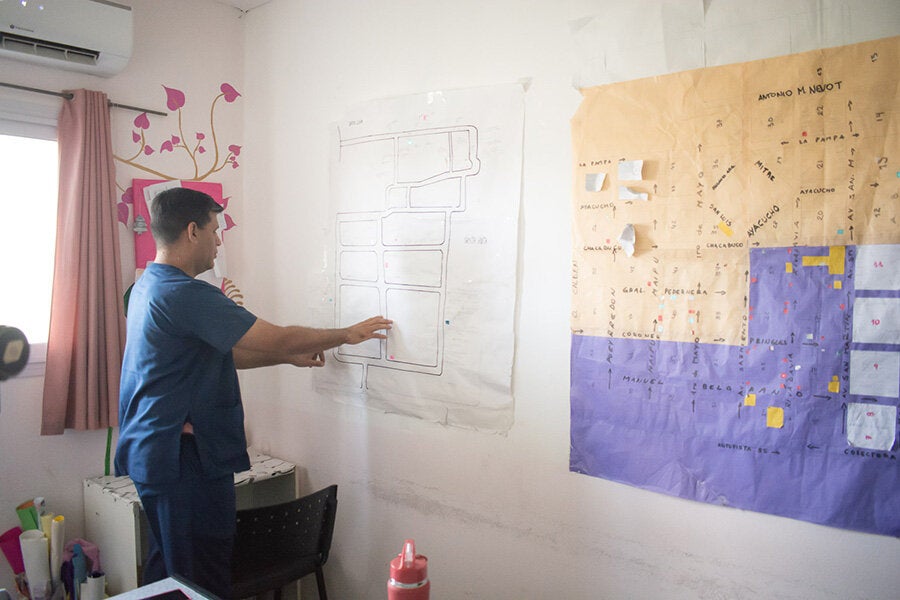
In the Mennonite community of New Galia, nurse Claudio Luna and his colleagues are welcomed by the leaders and residents based on the trust they have built. At the hospital, they mapped out the layout of the colony's homes.
Reaching isolated communities
The case of the infant became one of 35 reported during Argentina’s 2025 measles outbreak, underscoring the persistent risk of reintroduction of a disease that had been eliminated. The Pan American Health Organization (PAHO) provided technical cooperation and supplies to support the country’s response until the outbreak was brought under control.
What began as a response to a single case evolved into a sustained strategy to better understand the community, identify unvaccinated individuals, and reduce the risk of further transmission.
PAHO has supported the implementation of microplanning tools in 12 Argentine provinces, including San Luis, helping health teams identify coverage gaps and design strategies tailored to each population—mapping households, identifying those who are unvaccinated, and organizing door-to-door visits.
“The work carried out by health personnel in these Mennonite communities is a clear example of the microplanning approach,” said Eva Jané Llopis, PAHO Representative in Argentina. “It means organizing vaccination based on who people are, where they live, and what barriers they face, in order to reach them more effectively.”
Rather than waiting for families to come to health facilities, teams adapt their strategies to local dynamics and characteristics. In both communities, Low German is spoken and taught in schools, but while men often also speak Spanish due to contact with those outside the communities, this is less common among women, requiring health workers to schedule visits when men are present to facilitate communication.
Sebastián Castro, enfermero a cargo de Inmunizaciones del hospital de Arizona, asegura que la comunicación, la empatía y la constancia fueron las claves para lograr que la comunidad se vacune.
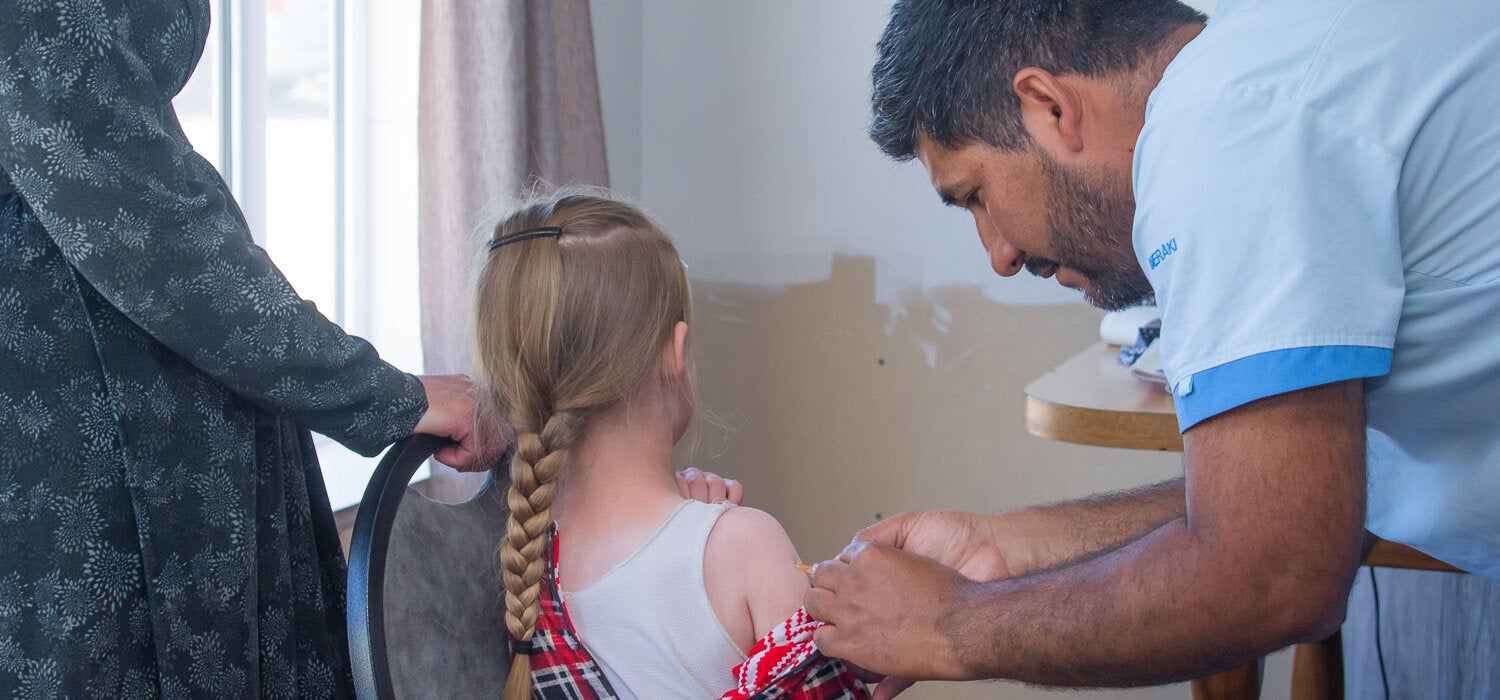
These frequent visits have helped build trust. “Some people prefer to receive no more than one or two doses per day; others accept more. Gradually, we have reached close to 80 percent vaccination coverage in the community,” says Sebastián Castro.
Community leaders have also become key allies. Vaccination is not prohibited within these communities, and their support has facilitated the work of health teams. “The nurses asked me to inform people, and most are already vaccinated, though some still refuse,” explains Heinrich Froese, a community leader in Arizona who arrived from Mexico several years ago.
“It was challenging at first. We began by going house by house alongside community health workers, who are the ones most frequently engaged with the community and are essential for maintaining records,” says Claudio Luna, reflecting on his experience in Nueva Galia. Thanks to this effort, much of the population has gradually completed its vaccination schedule.
While hospitals remain open for consultations and vaccination, the focus has shifted toward outreach activities that help integrate these populations, notes Mariana Morrone, head of Immunization Services in the Dupuy Department, which includes both communities.
The people of the Mennonite communities in Arizona and New Galia are engaged in farming, raising animals, cheese production, carpentry, and metalwork.
A Region on alert
After several years of relatively low circulation, measles resurged sharply in the region in 2025. According to PAHO, more than 14,000 confirmed cases and dozens of deaths were reported across countries in the Americas—the highest figure recorded in recent years.
This, combined with ongoing circulation of the virus in other regions of the world, increases the risk of imported cases. Countries are now working to restore vaccination coverage, stop outbreaks, and prevent the reestablishment of endemic transmission.
Argentina continues to maintain measles elimination, but the virus remains a constant threat. PAHO therefore recommends that countries sustain vaccination coverage at or above 95 percent, uniformly across all communities, including those that are difficult to reach.
A recovered child, a more protected community
Back in the Don Alberto colony, the girl who contracted measles a year ago has fully recovered and now watches curiously as nurse Sebastián vaccinates her brother, in line with the national immunization schedule.
What began as a medical emergency has led to months of visits, conversations, and joint work between health personnel and families in both communities.
Despite initial concerns, community health workers and vaccinators succeeded in building bridges to expand protection against preventable diseases. “We must continue. They are kind people who have listened to us about the importance of vaccination to prevent disease and protect families, neighbors, and all of us,” concludes Claudio Luna.
As the team heads back along the rural roads of San Luis, the trust built visit after visit has left communities better protected against a disease that should never return.