CaLMA: technology that protects mothers when the heat becomes a danger
CaLMA: technology that protects mothers when the heat becomes a danger
Yosselin lives in the neighborhood of Villa Primero de Mayo in Santa Cruz de la Sierra, Bolivia. She is pregnant and carries her pregnancy with pride, but also with worry. The sun no longer warms; it punishes. And the heat no longer waits for summer. It sets in from spring and permeates homes and bodies.
— July 2025 —
"In the afternoons, I felt dizzy, my blood pressure would go up. I felt like the heat was putting my pregnancy at risk, that something could happen to me or my baby," says Yosselin in a calm voice.
Despite the suffocating heat, she continues with her housework: cooking, washing, and cleaning. But when the sun gets intense and the air is a hot wall that barely allows you to breath, leaving the shade is almost a danger. "It's like putting myself under an iron. I feel my life is draining away," she says, fanning herself with a cutout piece of cardboard.
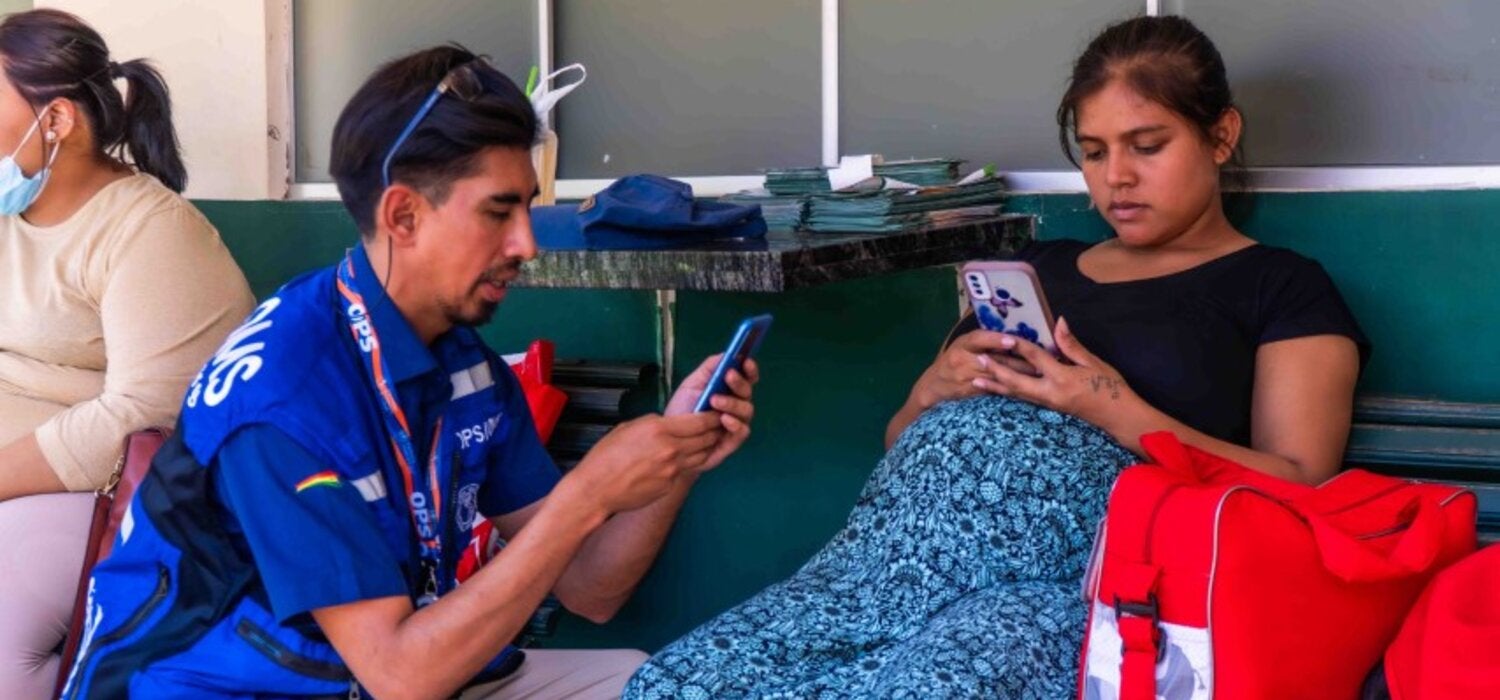
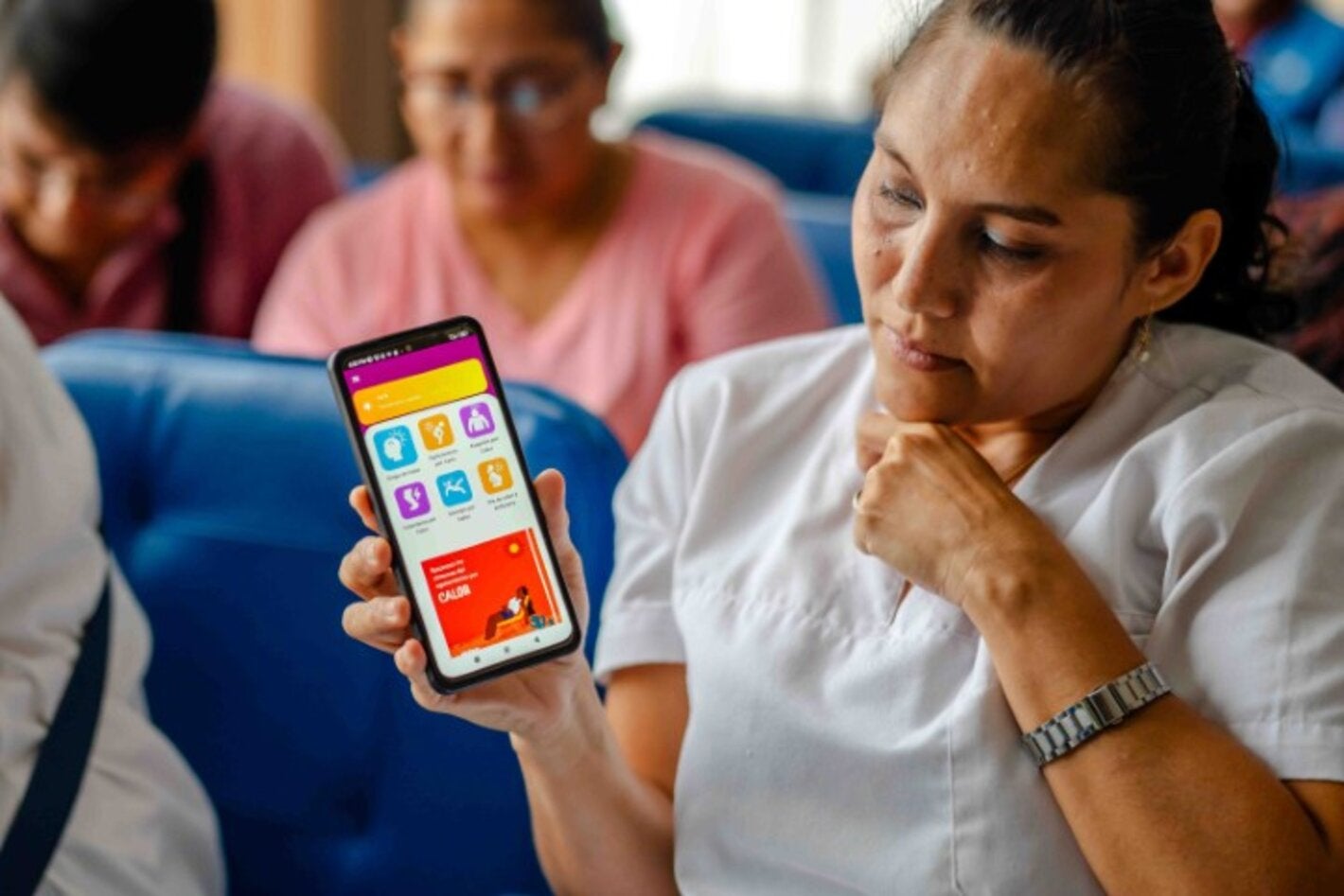
Today, Yosselin has an unexpected ally: technology. "Now, with the CaLMA application, the chatbot alerts me, so I know when there will be a heat wave and how to take care of myself," she explains. It is simple but vital information: when to stay home, how to hydrate, and when to go to the health center. It's basic, but it's also what saves lives.
Temperature records
Due to climate change, heat waves are expected to increase in frequency, duration, and intensity around the world. According to the National Service of Meteorology and Hydrology of Bolivia (SENAMHI), over the last two years, temperature records have been registered at several weather stations.
For example, some of the highest temperatures in South America are concentrated in the Chaco, an arid region in the south of the country.
In 2023, thermal sensations reached 61ºC in Camiri. "It's a heat you don't feel, you just survive it," says Jenny Durán, a pregnant woman who lives in that area.
High temperatures not only cause discomfort, but they also threaten health. In a pregnant woman, they can affect her well-being and that of the baby.
"While various groups are vulnerable to heat waves, such as children, the elderly, and those with chronic diseases, pregnant women, newborns, and children are particularly at risk,” said Erick Rousselin, international advisor on Social and Environmental Determinants for Health Equity at PAHO/WHO in Bolivia.
Heat and Motherhood
This is where CaLMA, the "Heat and Motherhood" project, comes in. It is a pioneering initiative developed in Bolivia that unites public health, climate science, and technology to protect pregnant women, their babies, and their families. It was born as a measure of adaptation to climate change, and today it is a concrete tool for preventing risks in maternal, neonatal, and child health.
Access to this tool has been a turning point. Pregnant women feel supported, informed, and empowered to make life-saving decisions.
"The CaLMA Initiative is a joint initiative between PAHO/WHO and the Ministry of Health and Sports and the National Service of Meteorology and Hydrology (SENAMHI), along with the local a health networks. It integrates scientific information and applied technology to save lives," explains Rousselin.
Daniel Cruz, an environmental health expert at PAHO/WHO and developer of the initiative, explains that CaLMA is currently implemented in areas known for extreme heat, based on data from SENAMHI weather stations and the number of pregnant women residing in those areas.
The increase in risks
For Cruz, "while extreme heat can affect any exposed person, vulnerable groups and those who experience social inequalities are at particular risk." Crowded housing, lack of cooling systems, or lack of access to drinking water in the home are all factors that increase risk.
In Camiri, heat is also accompanied by a water shortage. "When it's hotter, we lack the most necessary thing. Sometimes you can't even go out. It's not ideal to stay locked up, but there's no other choice," says Jenny Durán. In this context, having timely information is not a luxury; it is a necessity.
Extreme heat can affect anyone exposed, particularly vulnerable groups and those experiencing social inequalities such as lack of access to water.
Technology that prevents and saves
For this reason, SENAMHI has incorporated, within the framework of CaLMA, a new heat wave forecast service that includes the Heat Index, a biometeorological indicator specially designed to assess public health risk.
Extreme heat can affect anyone exposed, particularly vulnerable groups and those experiencing social inequalities such as lack of access to water.
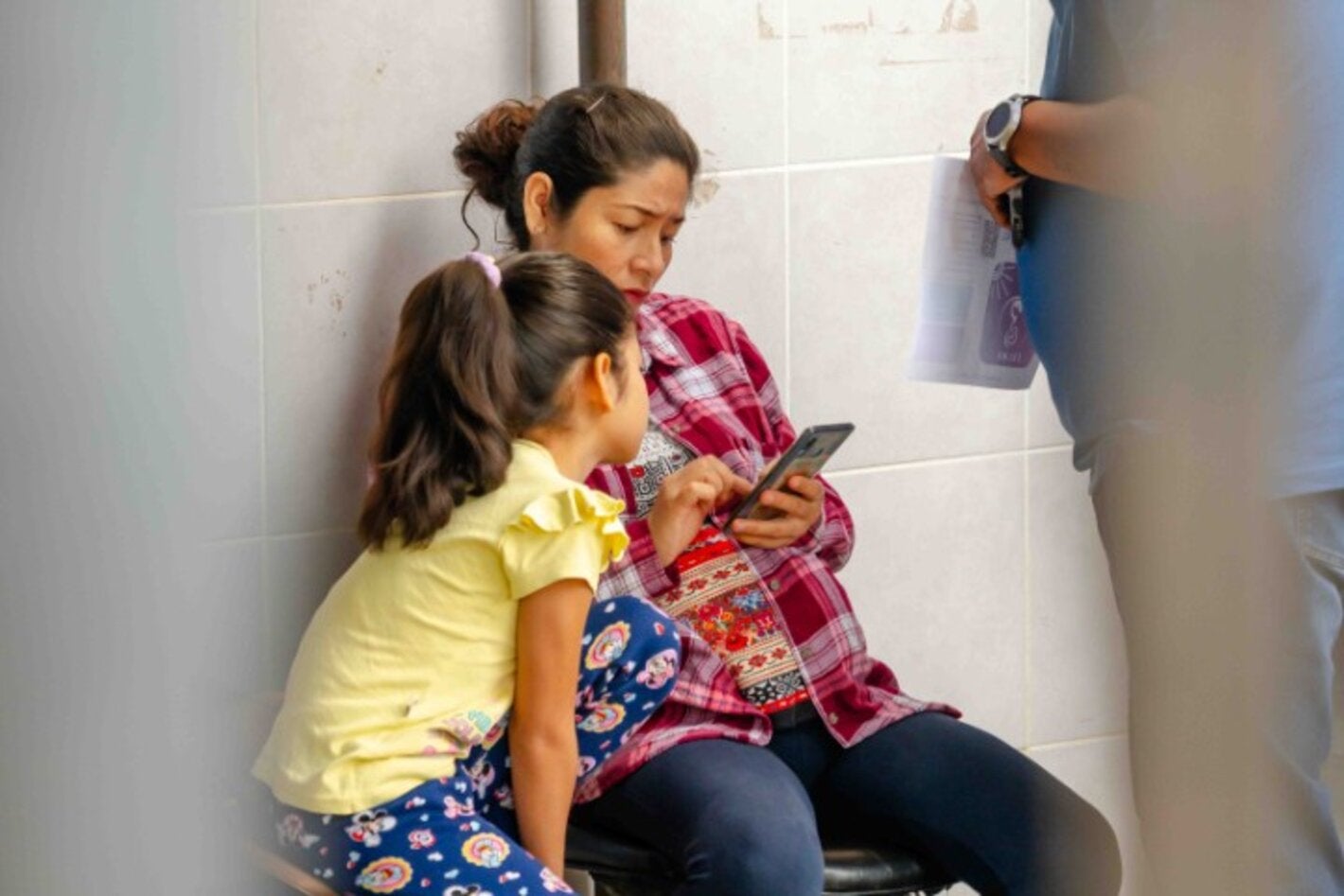
Along with this advance, an intelligent chatbot was implemented: a WhatsApp messaging system that alerts users, explains the risk, and gives them concrete tips to protect themselves. "With the chatbot, I know when to stay home and how to take care of myself. That gave me peace of mind," says Yosselin.
While the planet continues to break heat records and extreme waves become more frequent, prolonged, and intense, initiatives like CaLMA offer an adaptive response that combines innovation, equity, and a human focus. CaLMA not only alerts; it protects, empowers, and accompanies. For Yosselin, for her baby, and for everyone.